
St. Paul is moving toward a new approach to homelessness, with city leaders backing a plan that prioritizes outreach, shelter access, and longer-term housing solutions before encampments are cleared. Approved by the City Council in October 2026, the framework includes 60 days of targeted outreach, a temporary winter shelter, and plans for a permanent low-barrier facility. However, funding, implementation, and the future of encampment closures remain important questions.
St. Paul City Council Approved a New Homelessness Framework

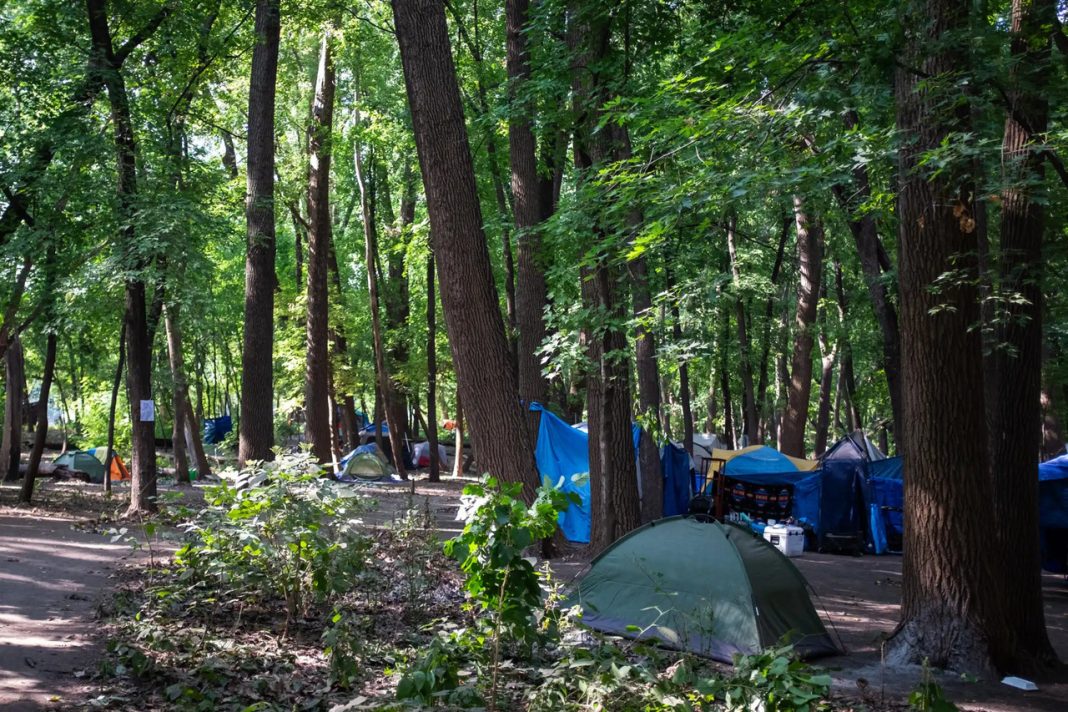
St. Paul is taking a different approach to unsheltered homelessness, with city leaders calling for more coordinated services before closing homeless encampments. On October 21, 2026, the City Council voted 6-0 to approve Resolution 26-1765, outlining a three-part framework that combines targeted outreach, temporary shelter during the winter, and plans for a permanent low-barrier shelter. The proposal follows the August closure of the encampment at Pig’s Eye Regional Park, which led many residents to relocate to a wooded encampment near Shepard Road. Council members argued that existing responses were not adequately addressing the needs of people living outdoors. The new framework aims to improve access to housing assistance and shelter while encouraging cooperation among city officials, Ramsey County, state agencies, service providers, and philanthropic organizations. However, the resolution is not legally binding, and its implementation depends on further planning, funding, and coordination.
The Plan Calls for 60 Days of Outreach Before Encampment Closures
Rather than immediately clearing an encampment, the City Council wants officials and service providers to spend 60 days connecting residents with practical assistance and possible housing placements. The proposed approach centers on an on-site housing navigation tent where people can meet outreach workers, complete assessments, discuss their circumstances, and explore available shelter or housing options. The resolution outlines a staged process that includes at least two weeks of intensive services to identify residents and assess their needs, followed by three weeks of casework aimed at finding placements and two weeks of follow-up to reach people who have not yet received assistance. Officials would also report on progress at the 30-day and 60-day marks, including how many people were identified, assessed, and placed in shelter or housing. The goal is to establish trust through a consistent presence where people are living, rather than relying on brief encounters. However, the proposal allows encampment closures when an immediate threat to life or safety requires action, so the 60-day period is not an unconditional guarantee that every encampment will remain open.
A Temporary Indoor Shelter Is Planned for the Winter
Cold weather makes the search for safe shelter especially urgent, and St. Paul’s proposal calls for a temporary indoor, low-barrier shelter to operate for six months over the winter. The City Council wants officials to identify a gym or another large indoor space that could be adapted to accommodate people who are currently living outdoors. The proposed facility would provide semi-private sleeping arrangements, storage, access to supportive services, and options for people who want to remain with their partners or pets. The resolution also calls for 24-hour access, allowing residents to use the facility without the restrictions that can make conventional emergency shelters difficult for some people to navigate. A qualified service provider would operate the shelter, subject to the necessary agreements and building, fire, and zoning approvals. The proposal draws on experiences elsewhere, including Minneapolis’s temporary Navigation Center, which operated for six months and helped more than 100 people move into housing, according to city staff cited by MPR News. St. Paul’s plan still requires decisions about the location, operating arrangements, and funding before the proposed shelter can become a reality.
The City Wants to Establish a Permanent Low-Barrier Shelter

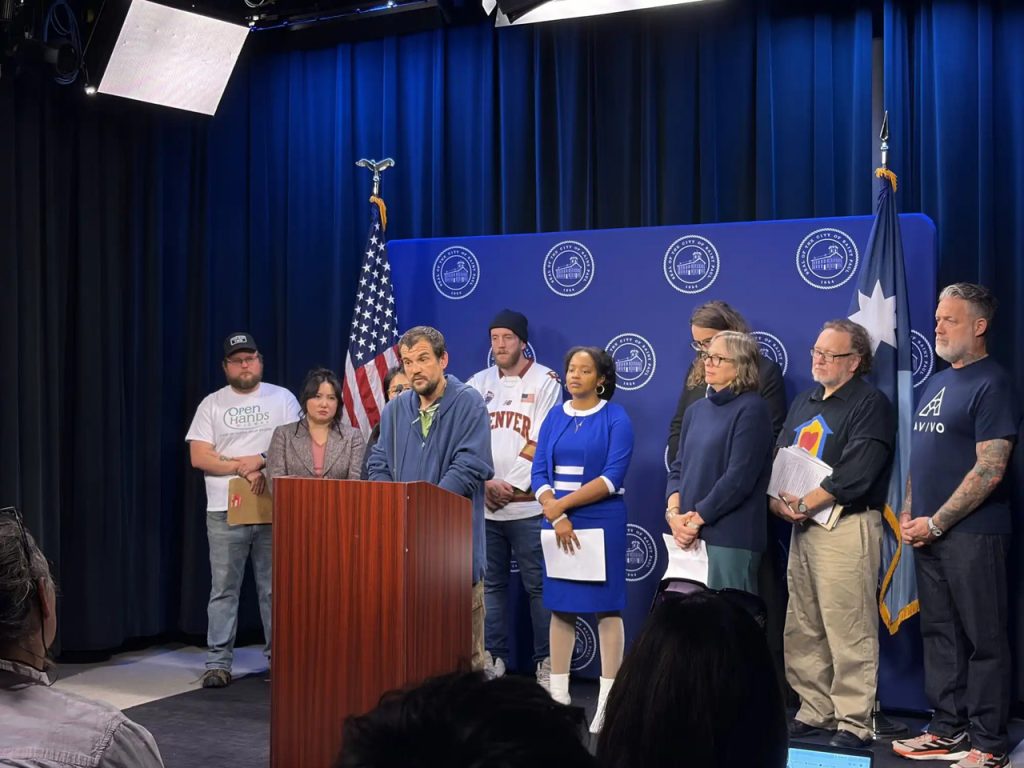
A temporary winter facility could provide immediate relief, but city leaders also want a longer-term option for people who cannot easily access traditional shelters. The resolution supports developing a permanent low-barrier shelter based on an indoor village model or a similar supportive housing approach. One example is Avivo Village in Minneapolis, where residents receive individual, lockable tiny homes that offer more privacy and independence than a conventional emergency shelter. This model recognizes that people experiencing homelessness have different needs and that a shared dormitory-style arrangement may not work for everyone. A permanent facility could offer a more stable environment while connecting residents with services that help them work toward longer-term housing. The council’s resolution calls for a collaborative planning process that draws on the expertise of existing service providers and people who have experienced homelessness themselves. It also asks city officials to identify potential sites, including publicly owned land and buildings, and report back to the council by February 3, 2027. Establishing such a facility will require further planning, a qualified operator, appropriate approvals, and funding for both development and ongoing operations.
Keeping Partners, Pets, and Belongings Together Is a Priority
For someone living outdoors, accepting a shelter bed can involve difficult choices. Some emergency shelters restrict pets, separate couples, limit the belongings residents can bring inside, or impose operating rules that do not fit their circumstances. Others may not adequately accommodate accessibility requirements or unmet physical and behavioral health needs. St. Paul’s proposed framework acknowledges these barriers and calls for shelter options that allow people to retain more of their personal connections and belongings. The temporary shelter is intended to provide storage, semi-private sleeping areas, and arrangements for partners and pets, while the longer-term proposal seeks to expand options for people who cannot comfortably use traditional facilities. This focus reflects a problem highlighted after the closure of the Pig’s Eye encampment in August: although the city had approved additional emergency shelter capacity, only seven residents of that encampment had used those beds by the end of the month, according to figures reported by the city. Many people instead relocated elsewhere outdoors. The council’s approach aims to make shelter more practical and welcoming, although the specific services and arrangements will depend on how the proposed facilities are developed.
The Resolution Does Not Guarantee a Pause in Encampment Sweeps
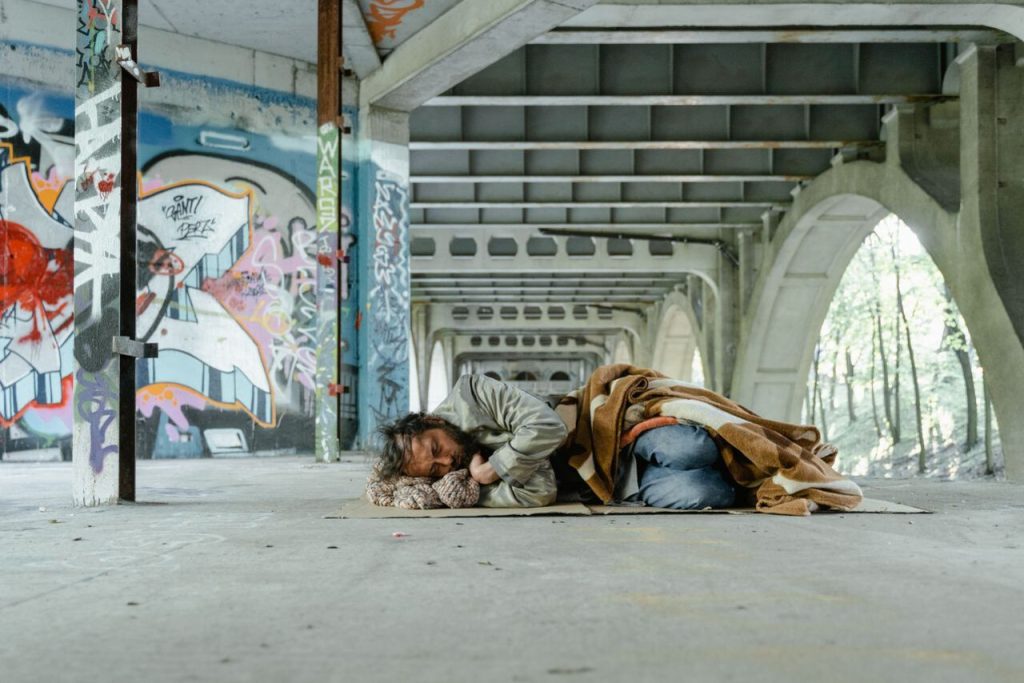
Despite its emphasis on providing services before clearing encampments, St. Paul’s new framework does not impose a formal moratorium on encampment closures. Instead, the City Council requests a 60-day strategic investment period before closures, except when an immediate threat to life or safety calls for earlier action. If officials rely on that exception, the resolution asks the administration to document the specific threat, explain why less disruptive measures would not be sufficient, and report on the notice, transportation, placement assistance, and protection of personal belongings provided to affected residents. That information is to be submitted to the council within three business days, while protecting residents’ private information. The distinction matters because advocates who support people living in encampments had called for a longer pause, particularly during winter. The resolution also does not provide a complete funding plan or guarantee that the proposed shelters will be built. City leaders have acknowledged that the proposals require further assessment and financial commitments from multiple partners, including Ramsey County, the state, and philanthropic organizations. For now, the vote establishes a framework for action, but its effectiveness will depend on implementation, resources, and whether residents can secure safe and suitable places to live.