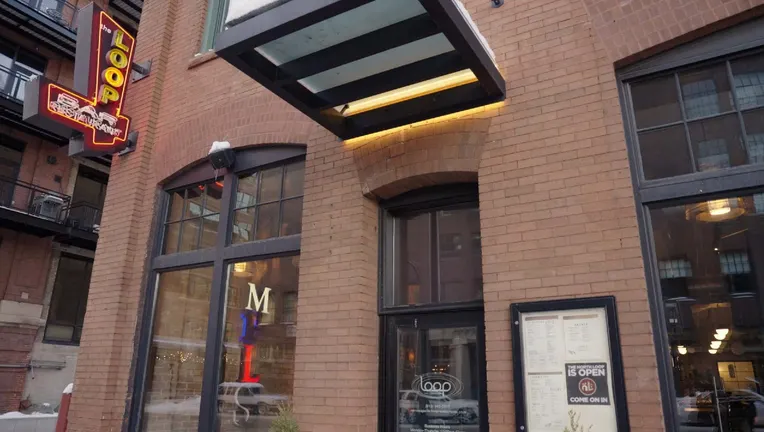

For many Minneapolis residents, The Loop was never just a bar. It was a marker of nights out, game-day rituals, first dates, reunions, and the kind of casual celebrations that become part of a city’s shared memory.
Now, that chapter is ending. The Loop Minneapolis has announced it will close after 20 years in business, with Sunday, Nov. 29 set as its final day of service.
A North Loop Mainstay Reaches Its Final Stretch
The closure of The Loop Minneapolis lands as a meaningful moment for downtown Minneapolis, particularly in the North Loop, where the business spent two decades serving as both neighborhood anchor and nightlife institution. According to FOX 9, the restaurant and bar confirmed the decision publicly on social media, telling customers that the end of its 20th year felt like the right time to pass the space on to someone new. That framing matters, because it suggests a deliberate transition rather than a sudden collapse.
In its farewell message, The Loop described the decision as difficult and reflective. The business said its final day will be Sunday, Nov. 29, and emphasized that it wants the remaining weeks to be a celebration rather than a quiet wind-down. Management invited longtime regulars and newer visitors alike to return for favorite drinks, familiar meals, and one last round of memories in a space that became deeply woven into the social life of the area.
The language of that announcement captured why The Loop lasted. It positioned the venue not simply as a food-and-drink business, but as a place where life happened in public: birthdays, date nights, happy hours, hookups, reunions, milestones, and spontaneous late nights. Restaurants often speak in emotional terms when they close, but in this case the message resonated because it mirrored how urban gathering spots actually function. They are commercial businesses, yes, but they are also stages for ordinary life.
The timing is especially notable because The Loop’s closure comes after it completed a full 20-year run, an increasingly rare feat in the restaurant and bar industry. Longevity on that scale points to more than trendiness. It usually reflects a durable brand identity, repeat customers, operational consistency, and an ability to survive the shifting economics of hospitality, neighborhood change, and evolving nightlife habits.
The Loop’s Story Is Also the Story of the North Loop
To understand why this closure matters beyond one address, it helps to look at the neighborhood around it. The North Loop today is one of Minneapolis’ most recognizable districts for dining, nightlife, apartments, and retail, but that identity was built over time. In its public message, The Loop acknowledged that it did not create what the North Loop eventually became, yet it also noted that it had “one of the first seats at the party,” a concise way of placing itself among the area’s earlier hospitality players.
That self-description is significant because businesses like The Loop often help establish the social confidence of emerging districts. Early venues take on outsized importance. They attract repeat traffic, create a sense of destination, and teach people to think of a neighborhood as a place to spend time rather than simply pass through. Over the years, those early adopters can become landmarks, even when newer concepts arrive with more polished branding or fresher design.
The Loop also appears to have benefited from that reciprocal growth pattern. As the North Loop gained status, foot traffic, and residential density, The Loop remained a familiar constant within an increasingly competitive field. That kind of persistence can be hard to replicate. Restaurants in fast-changing neighborhoods often struggle to balance continuity with reinvention, especially when customer expectations shift from one decade to the next.
Its farewell message reflected a business that understood its symbolic role. Rather than claiming credit for the North Loop’s rise, it expressed gratitude for having been part of it from relatively early on. That tone likely resonates with patrons who watched the area change in real time. For them, the closing is not only about losing a favorite place to eat or drink. It is also about watching one of the neighborhood’s long-running social fixtures step aside as the district enters yet another phase.
Why Loyal Customers Are Responding So Emotionally
The reaction to The Loop’s closure makes sense because restaurants and bars occupy a different emotional category than most businesses. People do not simply consume products there. They attach memory to place. A table, a patio seat, a booth near the bar, or a familiar game-day crowd can become part of someone’s personal history. The Loop’s own description of what happened within its walls was strikingly broad, spanning birthdays, celebrations, late nights, date nights, happy hours, and everything in between.
That breadth speaks to one of the defining strengths of neighborhood hospitality venues: they serve multiple identities at once. On one night, a place can be a casual dinner stop. On another, it becomes a reunion point for friends, a sports-watching destination, or the backdrop for an unplanned night that people remember for years. Businesses that achieve that flexibility often build unusually strong loyalty because they fit into customers’ lives at several different stages.
The Loop also made a point of honoring staff, both past and present, in its closing statement. That detail should not be overlooked. Hospitality workers often define the personality of a venue as much as the menu or layout does. The restaurant thanked team members for long hours, late nights, holidays, and packed Hawkeye game shifts, a detail that hints at one of the establishment’s recurring crowd traditions and the intense labor behind maintaining a familiar experience over time.
That employee acknowledgment gives the closure a fuller human dimension. When a longstanding venue shuts down, the loss is not only sentimental for guests. It is also professional and personal for bartenders, servers, cooks, managers, and support staff who invested years of work into making the place recognizable. In that sense, The Loop’s final stretch is not merely a customer farewell. It is also the winding down of a workplace community that helped sustain the venue’s identity for two decades.
The Wider Business Context Behind the Closing
The Minneapolis closure also arrives shortly after another major change for the broader Loop brand. FOX 9 reported that in late September, The Loop closed its West End location in St. Louis Park. That site was sold to the owners of Mason Jar Kitchen & Bar in Eagan, adding a second significant transition within a relatively short span. Taken together, the two developments suggest a substantial reshaping of the brand’s footprint rather than an isolated decision affecting a single outpost.
The West End property’s next chapter is already beginning to take shape. According to FOX 9, Rocket Restaurant Group, which owned the Loop in West End, plans to reopen that space in February 2027, though the exact concept has not been publicly clarified. That leaves open a familiar question in hospitality real estate: when an established venue exits, does the next operator preserve part of the old identity, or does it pursue a complete reset tailored to changing market tastes?
For downtown Minneapolis, the North Loop closure may also prompt broader discussion about the pressures facing long-running hospitality businesses. Even when owners choose to close on their own terms, restaurants and bars operate in a demanding environment shaped by labor costs, rent structures, competition, post-pandemic consumer behavior, and the constant need to remain relevant. A 20-year lifespan in that setting is not ordinary. It is evidence of a business that managed to endure through multiple economic and cultural cycles.
What stands out here is that The Loop is not presenting the closure as a retreat from failure, at least not publicly. Instead, the message suggests timing, transition, and stewardship of a valuable location in a prominent neighborhood. Someone else, the business said, will take over “this amazing space.” That phrasing frames the property itself as still desirable, which may soften the finality of the moment even as it underscores that a well-known local brand is disappearing from the scene.
What The Loop Leaves Behind in Minneapolis
When The Loop closes on Sunday, Nov. 29, Minneapolis will lose more than a familiar restaurant and bar. It will lose one of those urban institutions that helped define how people experienced a neighborhood over time. Such places matter because they create continuity in cities that are otherwise always changing. Even residents who were not regulars often knew what The Loop represented: a social center, a reliable meetup spot, and a recognizable part of North Loop nightlife.
That legacy is built not only on duration, but on repetition. Over 20 years, the venue became part of countless personal routines and rituals. Some customers likely marked football Saturdays there. Others returned for after-work drinks, celebratory dinners, or late-night gatherings that blurred into sunrise memories. The specifics varied, but the pattern was consistent: The Loop served as a container for repeat experiences that gradually turned into tradition.
Its final weeks therefore carry a dual emotional charge. For patrons, they offer a chance to revisit a meaningful place while it is still intact. For the city, they function as a reminder that even seemingly permanent local fixtures are temporary. Hospitality culture is defined by impermanence, yet individual institutions can feel permanent when they remain long enough to span eras of a person’s life. That tension is part of why these closures hit so hard.
In practical terms, The Loop is encouraging people to come back once more before the lights go out. In civic and cultural terms, its farewell marks the passing of a venue that stood through the North Loop’s ascent and became woven into that story. Minneapolis will continue to evolve, and the space will eventually take on a new identity. But for many residents, The Loop’s last call will feel like the end of a distinct and memorable era.