Trump Says the Iran War Hurt Republicans in the Midterms. What Happens to the Conflict Now?

War and elections have always mixed badly in American politics. Trump is now saying that out loud. His claim taps into a bigger question that matters well beyond one election cycle.

Why Trump Thinks the War Backfired Politically

Edmond Dantès/Pexels

Trump’s argument is familiar because US voters have punished presidents over foreign conflicts before. In 2006, Republicans lost control of the House and Senate during the Iraq War, and in 2018, Democrats flipped 41 House seats in a midterm shaped partly by backlash to Trump-era policy and general voter frustration.

His point is less about ideology than timing. Midterms usually turn on turnout, and conflicts overseas can energize opponents while draining support from voters who wanted a focus on prices, wages, and border security. In 2022, inflation was still a top voter concern across the US, according to major national polling.

That political math matters because prolonged military action rarely stays overseas. Once US casualties, fuel prices, or emergency spending enter the conversation, the issue becomes local for families in places like Ohio, Pennsylvania, and Arizona. That is often when a war stops being a headline and starts becoming a voting issue.

What the Conflict Looks Like From Here
Lara Jameson/Pexels
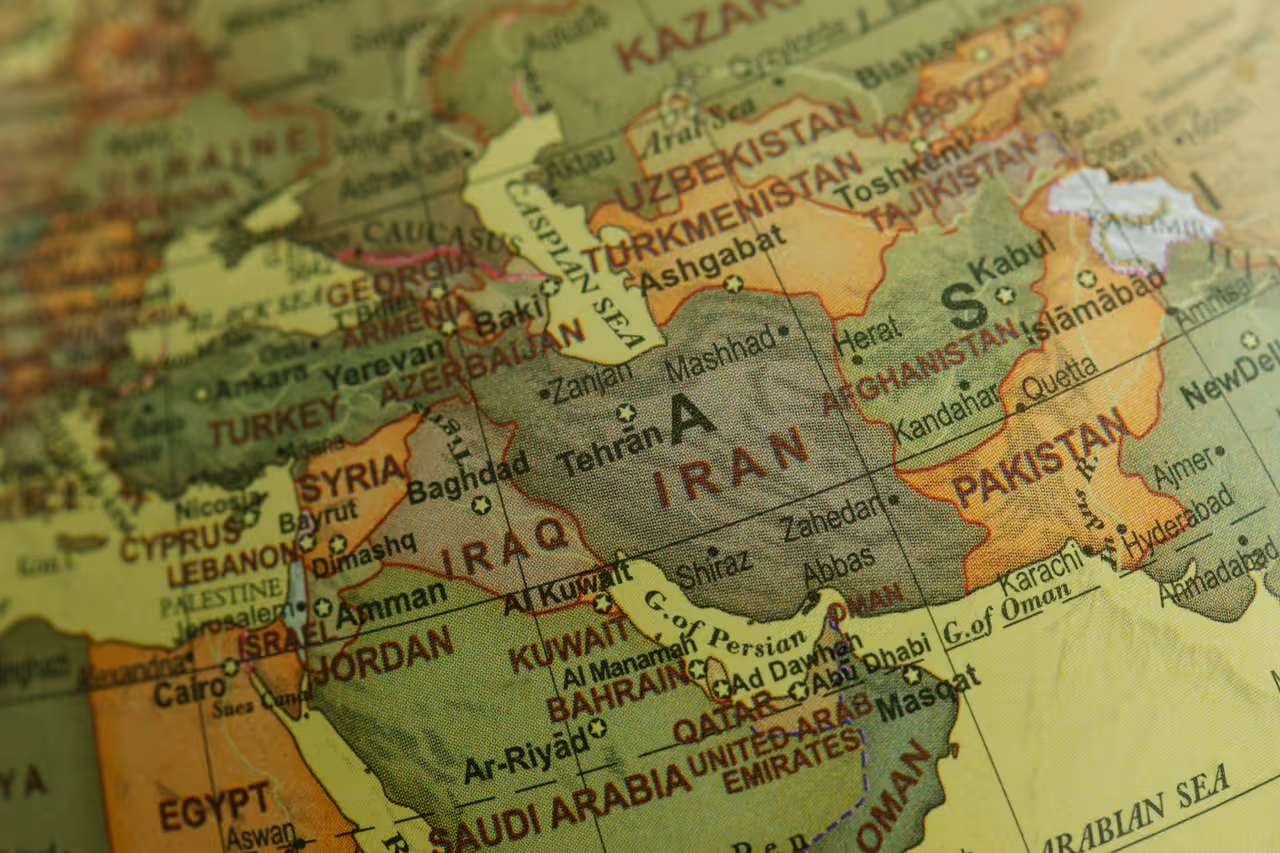
Lara Jameson/Pexels

The next phase usually depends on whether leaders choose escalation, containment, or negotiation. In practical terms, that means watching for strikes, proxy activity, shipping disruptions, and statements from Washington, Tehran, and regional capitals such as Jerusalem and Riyadh over the next several weeks.

If the conflict widens, energy markets are one of the first places Americans could feel it. Oil price spikes have followed Middle East shocks before, and even a short disruption can push gasoline costs higher across the US within days, which becomes a political problem fast in an election year.

If it does not widen, the most likely path is a tense standoff. That can include limited retaliation, heavy deterrence, and constant military readiness without a formal declaration of war. For politicians in Washington, that kind of gray-zone conflict is easier to manage than a major ground war, but it is still risky.

What Republicans and Democrats Will Do Next
geralt/Pixabay
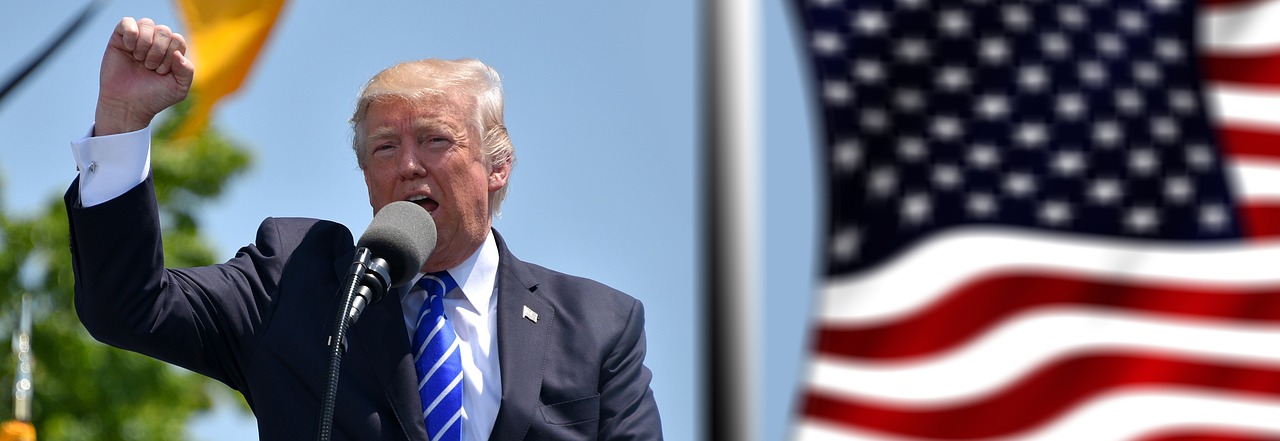
geralt/Pixabay

Republicans now face a balancing act that has been building since 2016. One wing still argues for hard power and deterrence, while another wing, closely tied to Trump’s base, is deeply skeptical of long foreign entanglements after Iraq and Afghanistan.

Democrats have a different challenge. They often criticize Republican handling of military crises, but they also know voters can punish any party seen as weak during a national security showdown. That is why messaging usually shifts quickly toward stability, allied coordination, and cost control.

The result is that both parties are likely to frame the conflict around competence, not just force. Trump’s comment matters because it signals where the debate may go in 2026 and beyond: not simply whether the US should confront Iran, but how much political pain Americans are willing to absorb when it does.


Hot this week

MoMA PS1 Just Opened an Exhibition With More Than 90 Works by Black Artists

MoMA PS1’s new exhibition brings together more than 90 works by Black artists, tracing the evolution of abstraction across generations.

Grand Canyon’s North Rim Has Just Weeks Left in Its 2026 Season. Here’s What Visitors Should Know

The Grand Canyon’s North Rim season ends November 30, but service closures, winter weather, and trail restrictions may affect visits.

Oil, Solar and Tech Stocks Moved in Different Directions After the Midterms. Here’s Why

The November 2026 midterm elections sent different signals across...

Minnesota Power Wants to Raise Electricity Rates by Nearly 18%. What the Proposal Could Mean

Minnesota Power is seeking an 17.8% rate hike that could add $24 to average monthly residential bills if regulators approve it.

ACA Open Enrollment Is Underway. Why 2027 Health Insurance Premiums and Coverage Rules Are Changing

ACA open enrollment has started, but 2027 coverage looks different thanks to higher premiums, fewer subsidies, and new federal rules. Here’s what’s changing and why it matters for people shopping for health insurance.

Topics

MoMA PS1 Just Opened an Exhibition With More Than 90 Works by Black Artists

MoMA PS1’s new exhibition brings together more than 90 works by Black artists, tracing the evolution of abstraction across generations.

Grand Canyon’s North Rim Has Just Weeks Left in Its 2026 Season. Here’s What Visitors Should Know

The Grand Canyon’s North Rim season ends November 30, but service closures, winter weather, and trail restrictions may affect visits.

Oil, Solar and Tech Stocks Moved in Different Directions After the Midterms. Here’s Why

The November 2026 midterm elections sent different signals across...

Minnesota Power Wants to Raise Electricity Rates by Nearly 18%. What the Proposal Could Mean

Minnesota Power is seeking an 17.8% rate hike that could add $24 to average monthly residential bills if regulators approve it.

ACA Open Enrollment Is Underway. Why 2027 Health Insurance Premiums and Coverage Rules Are Changing

ACA open enrollment has started, but 2027 coverage looks different thanks to higher premiums, fewer subsidies, and new federal rules. Here’s what’s changing and why it matters for people shopping for health insurance.

Medicare Drug Plan Premiums Could Rise 50% in 2027. Here’s What the New Numbers Show

Medicare Part D premiums could rise 50% in 2027, while higher deductibles and changing coverage options add to costs for beneficiaries.

Two Minneapolis New French Bakery Plants Are Set to Close, Affecting 166 Jobs

Two New French Bakery facilities in Minneapolis are scheduled to close, with layoffs affecting 166 workers starting Dec. 29. The shutdown follows the brand’s September sale to Toronto-based FGF Brands.

Minnesota Voters Approved a Bigger School Fund Payout. Here’s What Changes in 2027

Minnesota voters approved a bigger school fund payout. Here’s how the new 4.5% distribution formula could benefit schools in 2027.
spot_img

Related Articles

Popular Categories

spot_imgspot_img