
A Minnesota mayoral election has produced an outcome few candidates ever experience: an exact tie. Spring Lake Park incumbent Mayor Robert Nelson and challenger Halyn Roth each received 1,401 votes, leaving city officials with an unusual decision to make. Instead of another election, Minnesota law calls for a random drawing to determine the winner. But the process may not end there, as the losing candidate will have an opportunity to request a recount.
Spring Lake Park’s Mayoral Race Ends in an Exact Tie
An election that would normally produce a straightforward winner has left Spring Lake Park, Minnesota, facing an unusual situation. Incumbent Mayor Robert Nelson and challenger Halyn Roth each received exactly 1,401 votes in the November 3, 2026, mayoral election. Neither candidate managed to secure even a one-vote advantage, leaving city officials with an outcome that cannot be resolved through the ordinary vote-counting process. There were also 12 votes cast for write-in candidates, but those votes did not change the tie between Nelson and Roth. The result has attracted attention because tied mayoral elections are relatively uncommon, particularly when thousands of ballots have been counted. Spring Lake Park, located in Anoka County, now has to follow Minnesota’s established election procedures to determine who will occupy the mayor’s office for the next two years. City Administrator Daniel Buchholtz acknowledged the unusual circumstances, noting that the result serves as a reminder of how much individual votes can matter in local elections.
Minnesota Law Requires a Random Drawing to Break the Tie

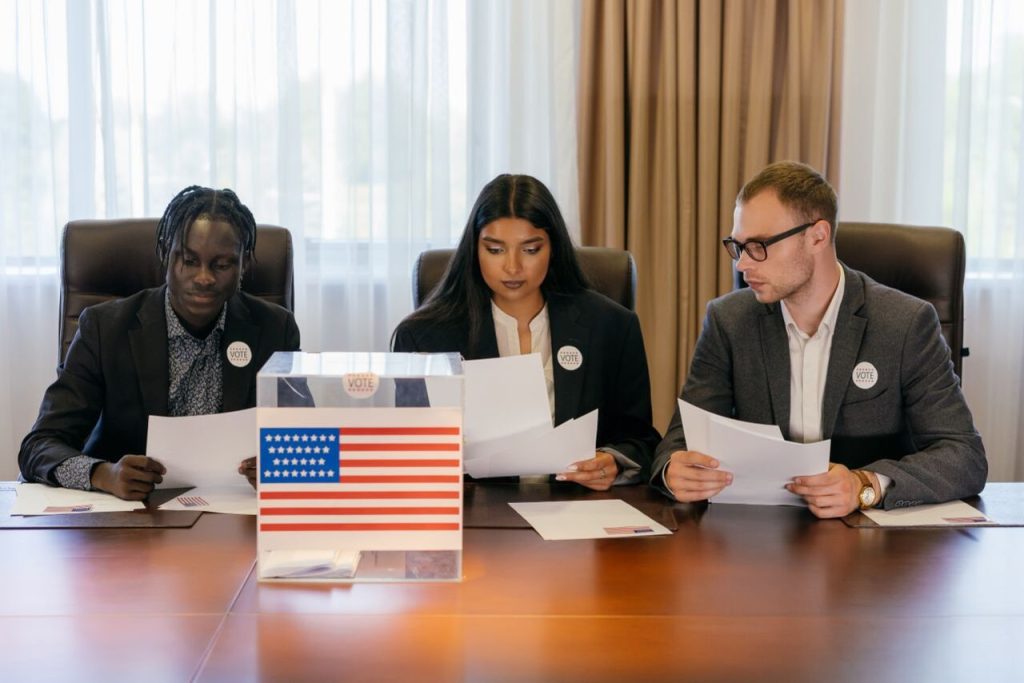
When two candidates receive precisely the same number of votes, Minnesota law does not leave the decision to the city council’s personal preference or allow officials to simply choose one candidate. Under Minnesota Statutes Section 205.185, subdivision 3(c), a municipal election tie must be resolved by lot. This means the canvassing board responsible for reviewing and certifying the election results must use an impartial game of chance to determine the successful candidate. In Spring Lake Park, officials announced plans to conduct a random drawing of Nelson’s and Roth’s names during the November 9 City Council meeting. The meeting is scheduled for 5:30 p.m. in the City Council Chambers at Spring Lake Park City Hall, with residents invited to attend. A drawing is a straightforward way to resolve the deadlock because both candidates enter the process with identical vote totals. Neither receives an advantage based on incumbency, campaign experience or personal preference. Instead, the legally prescribed procedure determines which candidate initially wins the election. The canvassing board must then certify the result through the appropriate election process.
The Losing Candidate Will Have an Opportunity to Request a Recount

Even after the drawing identifies a winner, the losing candidate will have another opportunity to challenge the reported election outcome. Minnesota law allows an unsuccessful municipal candidate to request a recount under the requirements established in Section 204C.36. FOX 9 reported that the candidate whose name is not drawn will have seven days to request a publicly funded recount. A recount involves election officials examining ballots individually to verify the recorded votes and resolve questions about how particular ballots were counted. Minnesota generally uses optical-scan machines to tally ballots, but hand recounts allow officials to review voter markings that automated equipment might not interpret correctly. During the process, trained election officials examine ballots precinct by precinct, while candidates and their representatives can observe and raise challenges to individual decisions. Halyn Roth has already indicated that he intends to request a recount if Nelson wins the drawing, assuming the reported results remain unchanged. Nelson, the incumbent mayor, had not yet responded to FOX 9’s question about whether he would pursue the same option if he loses. One important distinction is that Minnesota’s general 0.5% publicly funded recount threshold applies to state legislative races, not automatically to every municipal election. The mayoral race has its own municipal recount provisions, so the applicable procedure should not be confused with the rules governing state legislative contests.
The Election Outcome Will Determine Spring Lake Park’s Next Two-Year Mayor
For Spring Lake Park residents, the unusual tie has turned an ordinary municipal election into a decision that will require additional official steps before the city’s next mayor is confirmed. The winner will serve a two-year term, making the drawing particularly important for the community’s immediate political leadership. Nelson is seeking to retain his position as the incumbent mayor, while Roth is hoping to take over the office after challenging him in the election. The November 9 meeting provides residents with an opportunity to witness the process rather than simply receive the result afterward. It also highlights the role of municipal canvassing boards, which are responsible for reviewing election returns and declaring official results under Minnesota law. If the losing candidate requests a recount, the election process could continue beyond the drawing as officials review the ballots and address any disputed markings. The final outcome will therefore depend on both the legally required tie-breaking procedure and any subsequent recount or election challenge that is properly pursued. For a city where two candidates received exactly the same number of votes, the next steps will be especially significant.