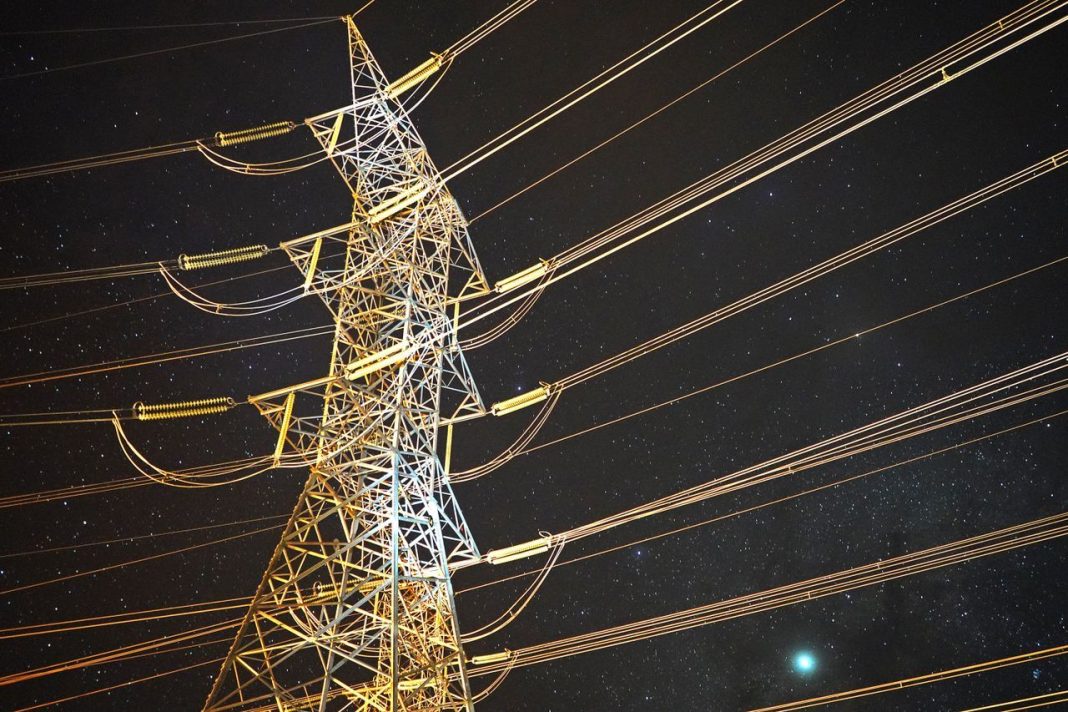

Minnesota Power customers could soon see a noticeable change in their monthly electricity bills. The utility is seeking approval for a 17.8% rate increase that could add approximately $24 to the average residential customer’s monthly costs. The proposal comes amid rising operating expenses, major grid investments, and reduced electricity sales from idled mining operations. However, state regulators must review the request before any permanent increase takes effect.
The Proposed Rate Increase Could Add About $24 to the Average Residential Monthly Bill
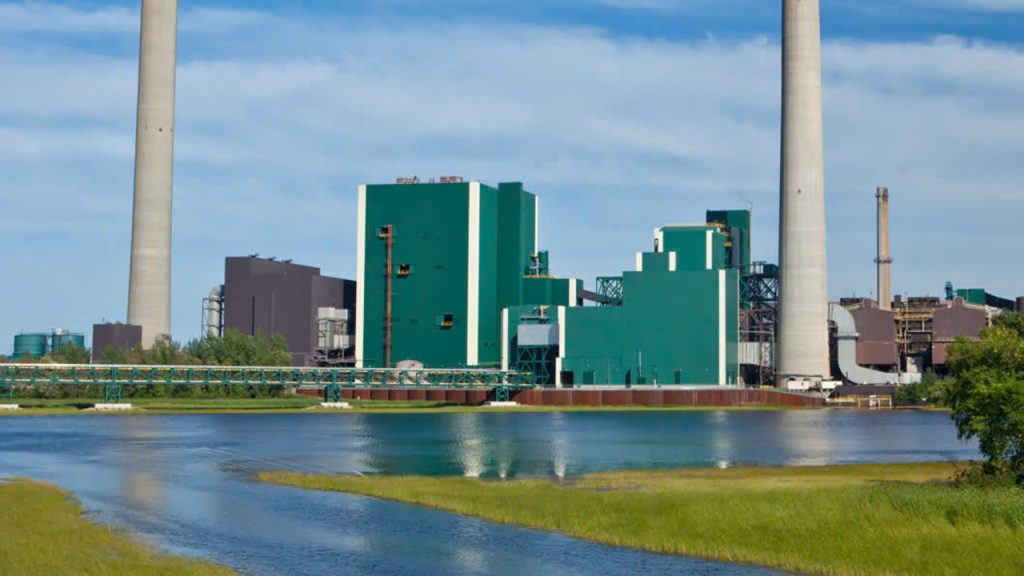
For households already keeping a close eye on their monthly expenses, even a modest increase in electricity costs can make a difference. Minnesota Power is asking the Minnesota Public Utilities Commission to approve a 17.8% rate increase that would bring the company approximately $134 million in additional annual revenue. If regulators approve the full request, the average residential customer could pay about $24 more each month. Minnesota Power serves roughly 150,000 customers across northeastern Minnesota, so the decision could affect a large number of homes and businesses in the region. The proposed increase follows the company’s previous rate request in 2023. It is important to remember that the 17.8% figure represents the company’s request, not an approved change to customers’ bills. Minnesota Power has also requested an interim increase of 15%, equivalent to roughly $15 more per month for the average residential customer, beginning in January 2027 while the case is reviewed. Interim rates are temporary and can be adjusted once regulators reach a final decision. Customers could receive refunds if the final approved rates are lower than the interim amounts collected.
Rising Operating Costs, Workforce Needs, and Grid Investments Are Behind the Request

Keeping electricity flowing reliably requires a large network of power plants, transmission lines, substations, poles, and local distribution equipment. Minnesota Power says the cost of operating and maintaining that system has increased, creating pressure to collect more revenue through customer rates. Its filing points to expenses involving power generation, transmission and distribution infrastructure, the workforce needed to serve customers, and investments intended to strengthen the grid and support renewable energy. Inflation has also made materials, equipment, and insurance more expensive. The company says the electric system is undergoing a major transformation as it works toward reliability and clean-energy goals while customer energy needs continue to change. These investments are not limited to building new facilities. Utilities must also inspect existing equipment, repair aging infrastructure, maintain power plants, and prepare the network to handle changing patterns of electricity use. Minnesota Power argues that its requested increase is needed to cover these responsibilities and preserve dependable service. Regulators will now examine the company’s projected expenses and proposed investments to determine which costs are reasonable and should be included in customer rates.
Idled Iron Range Mines Are Affecting Revenue, but the Google Data Center Is Not the Reason for the Proposal
Minnesota Power has an unusual customer mix compared with many other electric utilities because a large share of its electricity sales goes to industrial businesses. The company says roughly two-thirds of its electric sales are tied to large industrial customers, particularly businesses in the mining and paper industries. That makes its revenue more vulnerable when major facilities reduce production or temporarily stop operating. The idling of Minorca Mine and the partial idling of Hibbing Taconite Mine have reduced electricity sales, but the costs of maintaining the wider power grid do not fall by the same amount. Expenses such as infrastructure maintenance, equipment repairs, and system operations continue even when industrial customers use less electricity. Those fixed costs must still be recovered through approved rates across the customer base. The proposed increase has also drawn attention because Google is planning a major data center in Hermantown, near Duluth. Minnesota Power says the current rate request is not connected to that project. The company has separately proposed an electric service agreement for the data center, which regulators are reviewing. Minnesota Power says the new facility will be required to pay the full cost of the electricity service it needs and could eventually help spread system costs among a broader customer base.
The Minnesota Public Utilities Commission Must Review the Proposal Before Any Permanent Rate Change Takes Effect
A utility cannot simply decide to raise electricity prices whenever its expenses increase. Minnesota Power is regulated by the Minnesota Public Utilities Commission, which must review its filing and decide what rates are justified. The company’s request begins a formal rate case in which regulators examine projected operating expenses, planned investments, electricity generation costs, and the effect proposed changes could have on different customer groups. Other parties, including consumer advocates, businesses, local governments, and state agencies, can also participate in the process. Customers will have opportunities to submit comments and share their concerns through public meetings and other channels. Minnesota Power estimates that the review could take about 18 months, although the timing of a rate case can vary. During the process, regulators may authorize temporary interim rates while they consider the full request. The company has asked for a 15% interim increase beginning in January 2027, or about $15 more per month for the average residential customer. These temporary rates are subject to the final outcome. If the approved permanent rates are lower, customers can receive refunds for the difference, generally with interest. The final decision will determine how much of the requested increase the utility can actually collect.