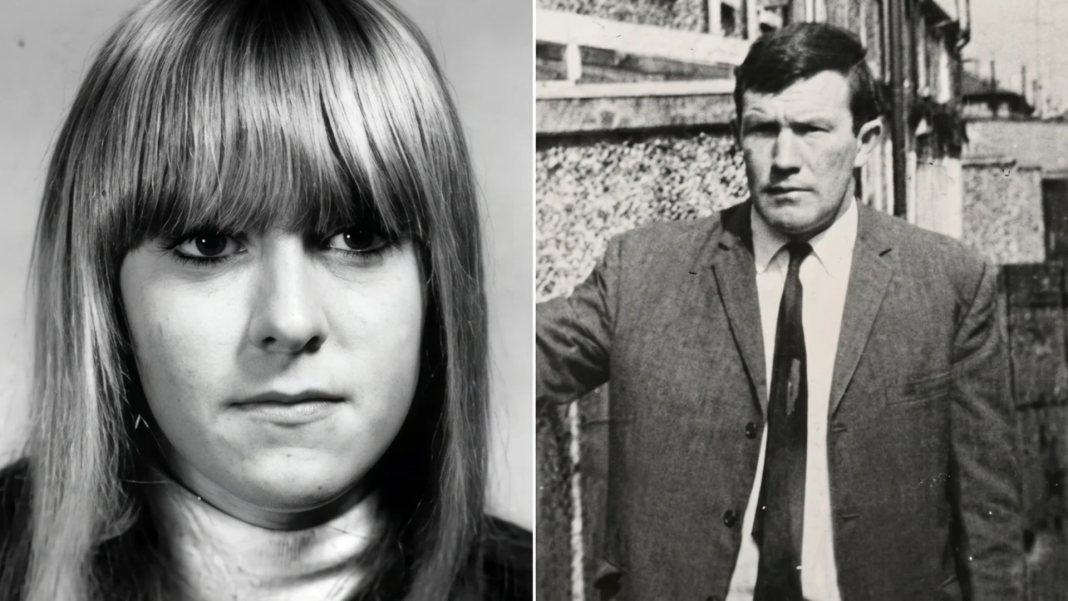

Police in London, Ontario, have solved the 1968 murder of a teenage girl nearly six decades after her death, using advances in DNA testing and genetic genealogy to identify the man they believe was responsible.
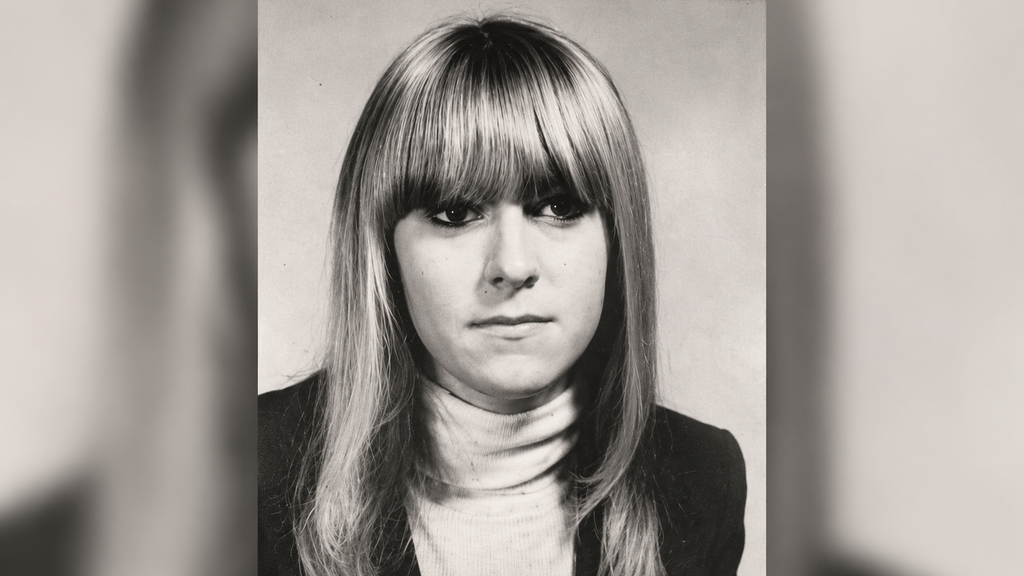
The London Police Service announced on November 23, 2026, that Michael Joseph Moore, a former firefighter who died in 2018, had been identified as the suspect in the killing of Jacqueline Dunleavy, known as Jackie, who was 16 at the time.
Authorities said the evidence gathered during the investigation would have been sufficient to arrest and charge Moore had he still been alive.
Dunleavy’s family thanked investigators for their efforts and expressed hope that similar forensic techniques could help solve other outstanding cases.
Teenage girl was killed after leaving work in 1968
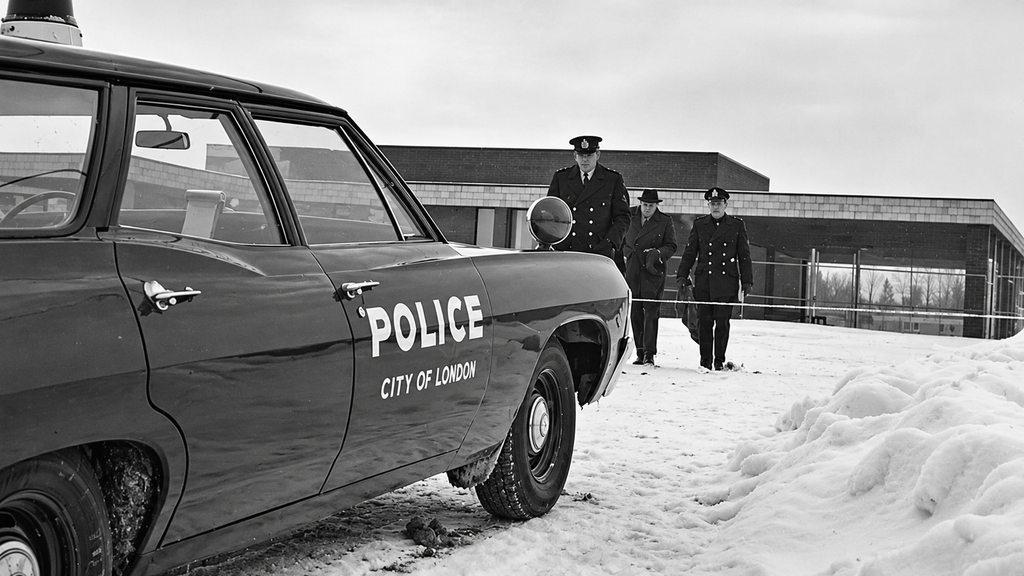
Dunleavy was a sophomore at Westminster Secondary School and worked at the Stanley Variety Store in London.
She was last seen leaving the store after completing her shift on January 9, 1968. Approximately 90 minutes later, three young people discovered her on the grounds of Katherine Harley School, now known as Matthews Hall.
Authorities determined that Dunleavy had been killed, but an extensive investigation failed to identify the person responsible.
Investigators interviewed witnesses, examined numerous leads and preserved biological evidence collected during the original investigation.
The case was later included in Project Angel, a joint investigation involving London police and the Ontario Provincial Police that operated between 1997 and 2001.
Despite repeated efforts over the following decades, the case remained unresolved until advances in forensic technology provided investigators with new opportunities.
Modern DNA technology leads investigators to former firefighter

Specialized testing conducted by Texas laboratory Othram helped investigators identify distant relatives connected to the suspect’s DNA profile.
Working with Toronto police, investigators used genealogical research to develop family trees and narrow their search. Further interviews and DNA comparisons ultimately led authorities to identify Moore.
Moore was 25 when Dunleavy was killed and had moved to Canada from Ireland in 1967.
He later joined the London Fire Department, where he served for approximately 28 years before retiring as a captain in 2002. He was not employed as a firefighter at the time of Dunleavy’s death.
Moore died on March 3, 2018, before investigators established his connection to the case.
Authorities have not established a motive or disclosed whether Moore and Dunleavy knew each other.
Police said Moore’s family was shocked by the findings and expressed hope that the investigation would provide answers for Dunleavy’s relatives.
Although criminal proceedings are no longer possible, investigators are encouraging anyone who knew Moore during that period to contact police with information that could help establish the remaining circumstances surrounding Dunleavy’s death.