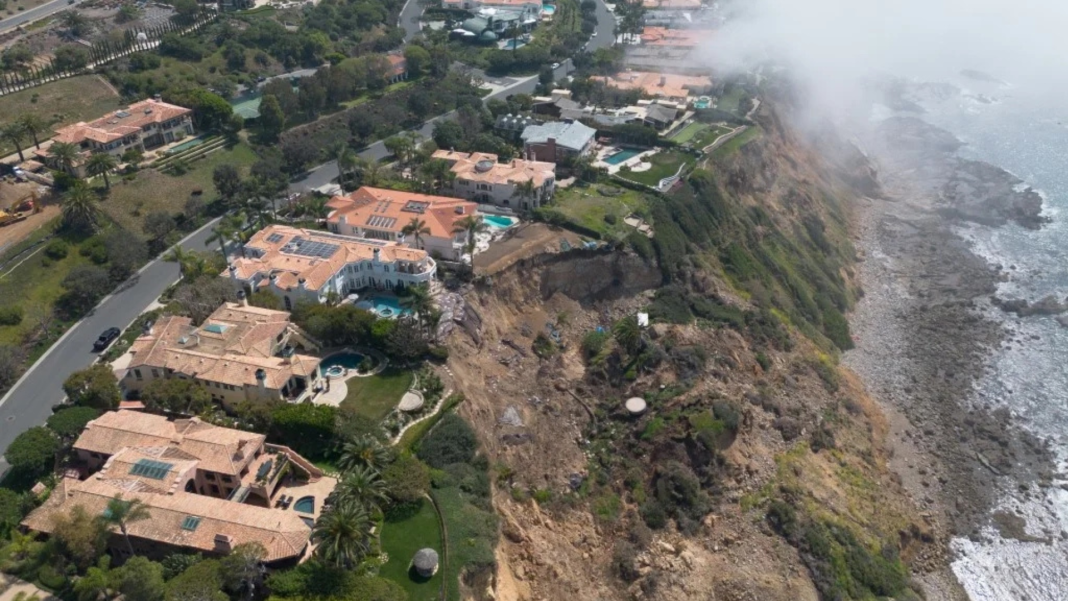

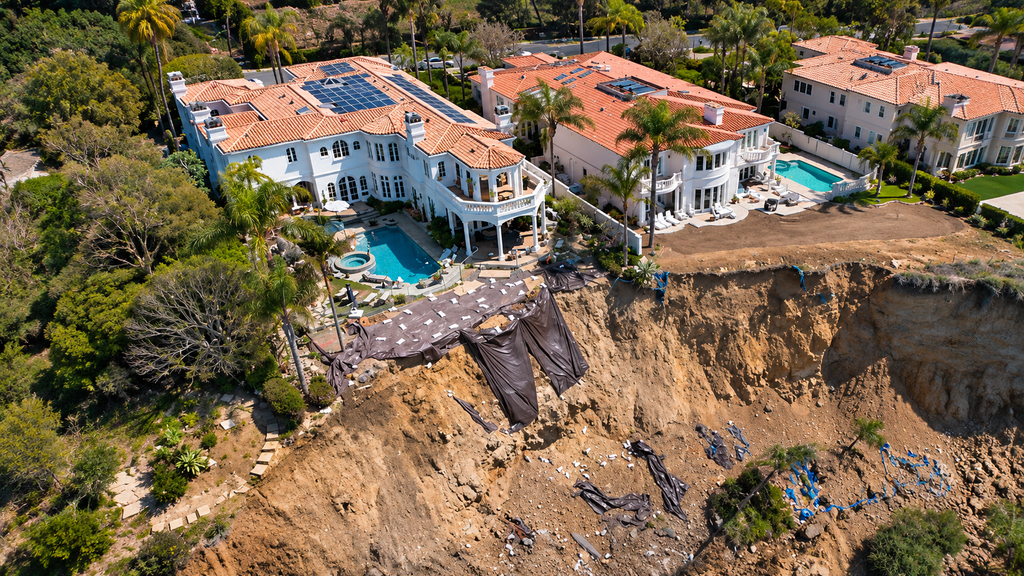
Rancho Palos Verdes, a coastal city in Southern California, is set to receive approximately $54.4 million in federal grants to address an active landslide that has damaged homes and roads and disrupted utility services.
U.S. Rep. Ted Lieu announced on November 23, 2026, that the Federal Emergency Management Agency (FEMA) would provide approximately $37 million for landslide stabilization projects. The announcement followed a separate $17.4 million grant announced on November 20.
The funding aims to reduce further ground movement and protect homes, roads and other infrastructure in affected neighborhoods.
Federal funding to stabilize the landslide
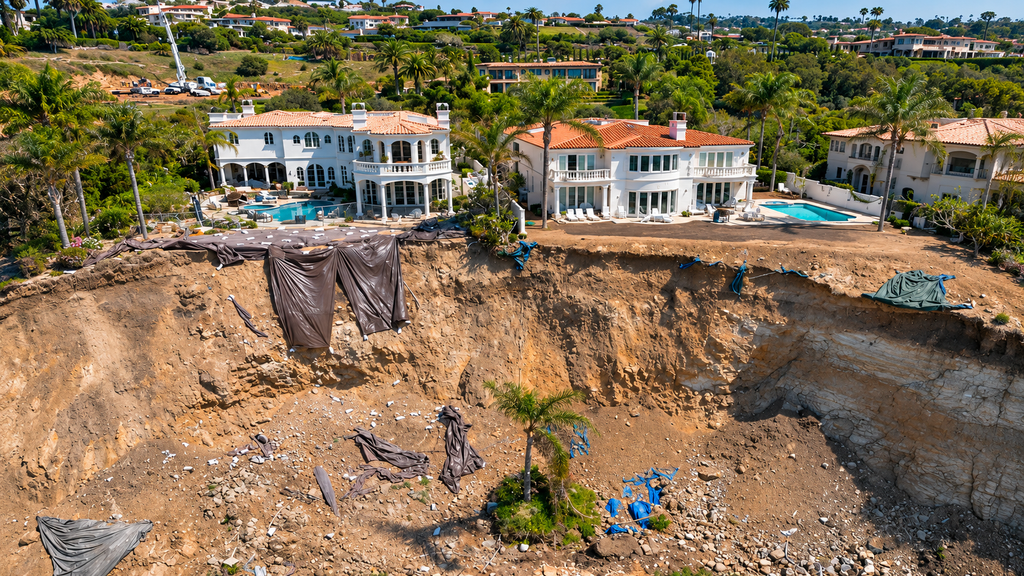
The grants will support efforts to stabilize the Portuguese Bend Landslide, one of the largest continuously active landslides in the United States.
Work is expected to cover approximately 240 acres, with measures focused on reducing groundwater levels, improving drainage and limiting the amount of rainwater entering the ground.
Excess groundwater can contribute to slope instability, making water management an important part of the city’s long-term efforts to reduce landslide activity.
In 2023, Rancho Palos Verdes was awarded approximately $23.2 million through FEMA’s Building Resilient Infrastructure and Communities program.
However, the funding was disrupted after the Trump administration moved to terminate the program in April 2025. Lieu said the latest $37 million grant would help offset the loss of that earlier funding.
The city has already installed groundwater extraction wells as part of its efforts to stabilize the affected area.
Land movement increases ahead of winter
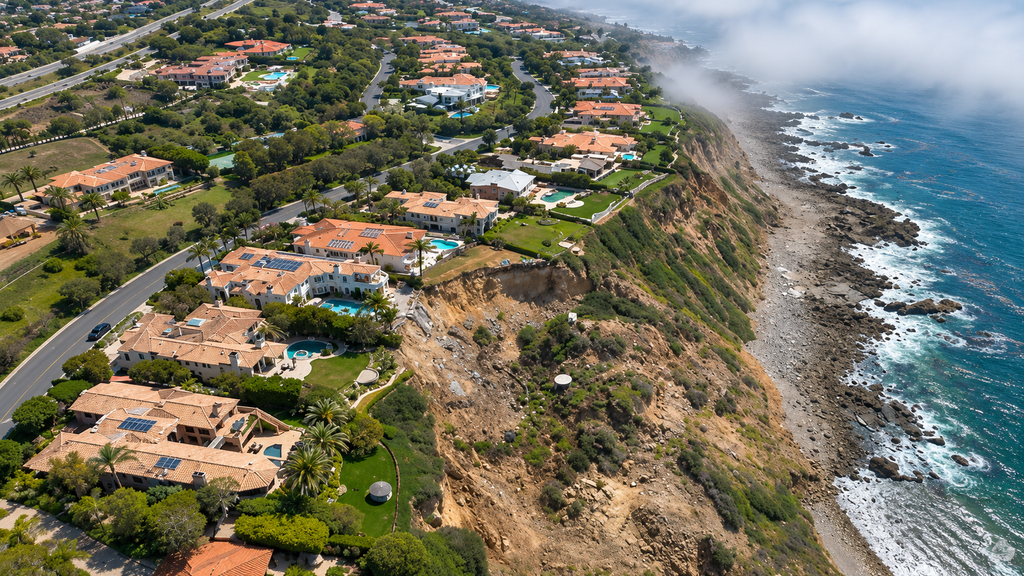
Despite improvements over the past year, recent surveys indicate that ground movement has accelerated in parts of the landslide area.
According to the city’s October 28 update, areas experiencing active land movement shifted by an average of 1.05 inches per week in early October, representing a 7.6% increase since August.
The Portuguese Bend Landslide recorded an average movement rate of 0.88 inches per week, up 14.8% from September.
The city’s geologist attributed much of the recent acceleration to ocean waves eroding the base of the landslide. Despite the increase, the wider landslide complex was moving approximately 30% slower than a year earlier.
City officials have also completed winter preparations in anticipation of a forecasted strong El Niño season. Drainage improvements are among the measures introduced to reduce the impact of rainfall.
In a separate announcement on October 14, the city confirmed that it had been awarded more than $54 million in FEMA grants to acquire 27 properties severely affected by land movement.
The voluntary property buyout program is intended to help eligible homeowners relocate to safer areas. Buildings on acquired properties will be demolished, and the land will be permanently preserved as open space to prevent future development.
City officials expect the acquisition and demolition process for all 27 properties to take several years.