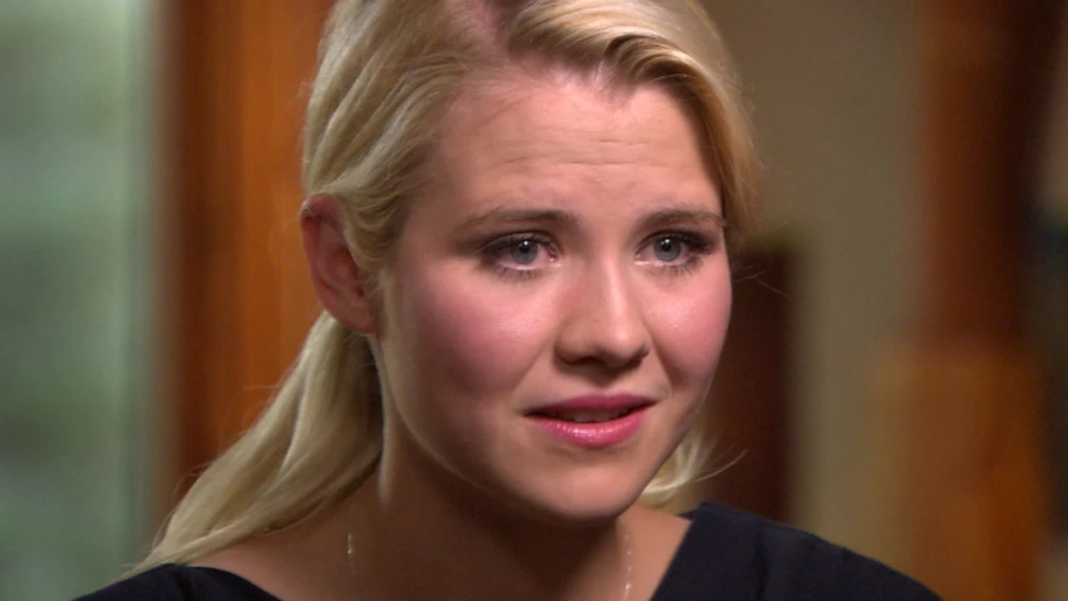

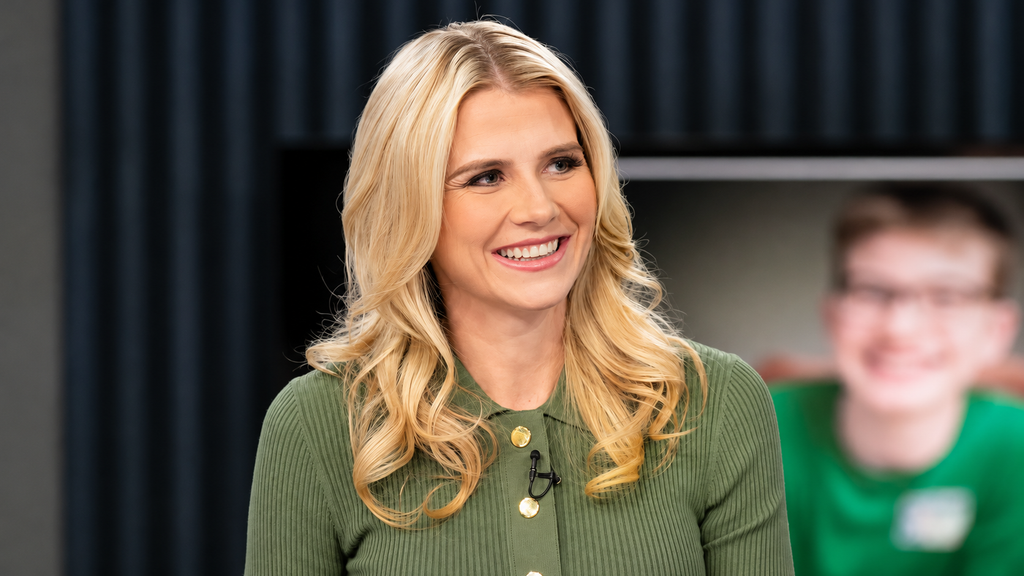
Elizabeth Smart, who survived nine months in captivity after being kidnapped at the age of 14, has revealed that her captor, Brian David Mitchell, planned to abduct seven young girls as part of his personal religious ideology.
Speaking during a podcast interview with Sean Hannity released on November 24, 2026, Smart recalled how Mitchell and his wife, Wanda Barzee, developed a system of beliefs that they used to justify their actions.
Smart explained that Mitchell intended her to be the first of seven girls he planned to abduct.
“I was just the first of the seven,” she recalled during the interview.
According to Smart, Mitchell used his religious claims to manipulate those around him, including his wife.
Smart also said she believed her religious upbringing was among the reasons Mitchell targeted her, as he thought her faith and young age would make her easier to influence.
Smart spent nine months in captivity
Smart was abducted from her family home in Salt Lake City, Utah, on June 5, 2002, in a case that attracted widespread national attention.
She was held captive by Mitchell and Barzee for nine months before authorities rescued her on March 12, 2003.
During the recent interview, Smart discussed the psychological impact of her captivity and explained how fear prevented her from seeking help, even when opportunities appeared to arise.
She also challenged the concept of Stockholm syndrome, reflecting on how the threats she faced influenced her decisions while in captivity.
Mitchell was convicted in federal court in 2010 and sentenced to life in prison in 2011.
Barzee, who pleaded guilty for her involvement in the kidnapping, was released from prison in 2018.
Smart continues to advocate for child safety
More than two decades after her rescue, Smart has become a prominent advocate for missing children and survivors of violent crimes.
Through the Elizabeth Smart Foundation, she has worked to promote child protection, recovery programs and public awareness.
She has also supported national child safety initiatives, including the AMBER Alert system and the Adam Walsh Child Protection and Safety Act.
During her latest interview, Smart discussed how becoming a mother of three has shaped her perspective on child safety and the importance of open communication within families.
She also spoke about her podcast, “The Survivor Files,” which provides a platform for survivors to share their experiences.
Smart continues to use her personal experiences to raise awareness about child protection and encourage conversations that support survivors during their recovery.