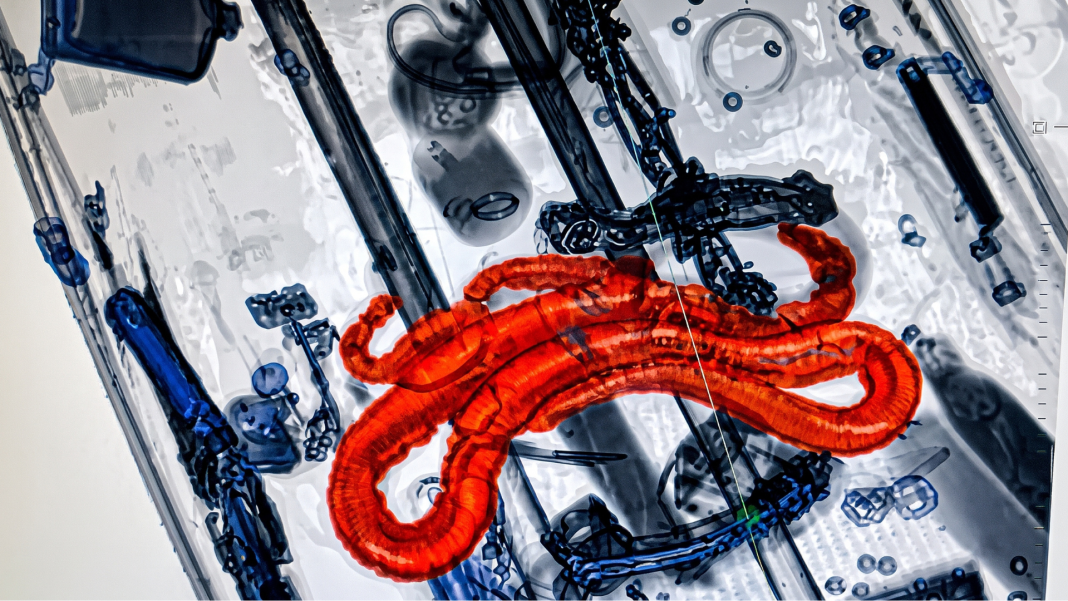

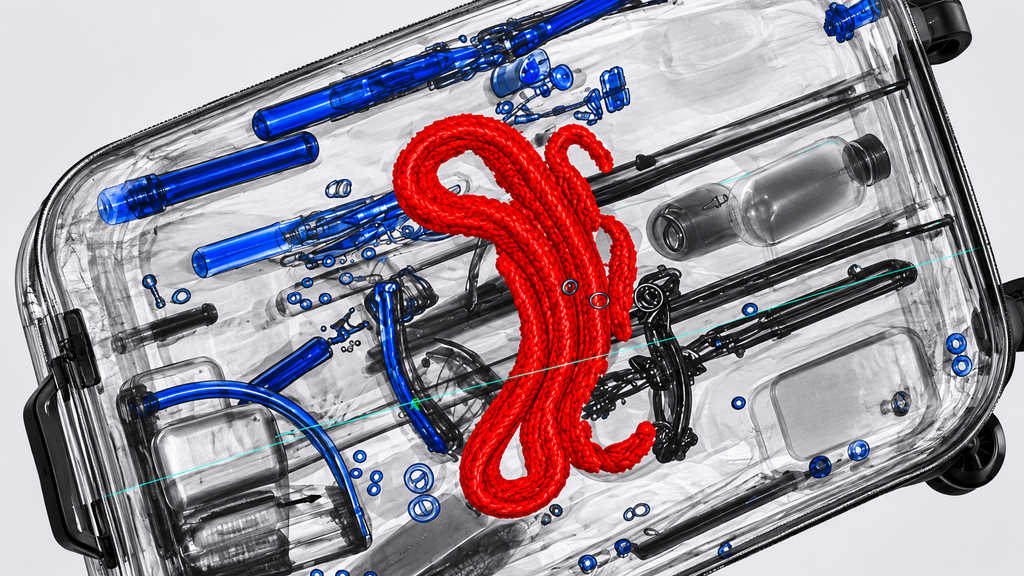
A passenger at Ontario International Airport in Southern California was allowed to continue his journey after security officers discovered two live snakes, including a venomous rattlesnake, in his checked luggage.
The incident happened in October 2026 and was made public by the Transportation Security Administration (TSA) on November 13. The agency said nobody was injured or bitten.
Security screening temporarily paused
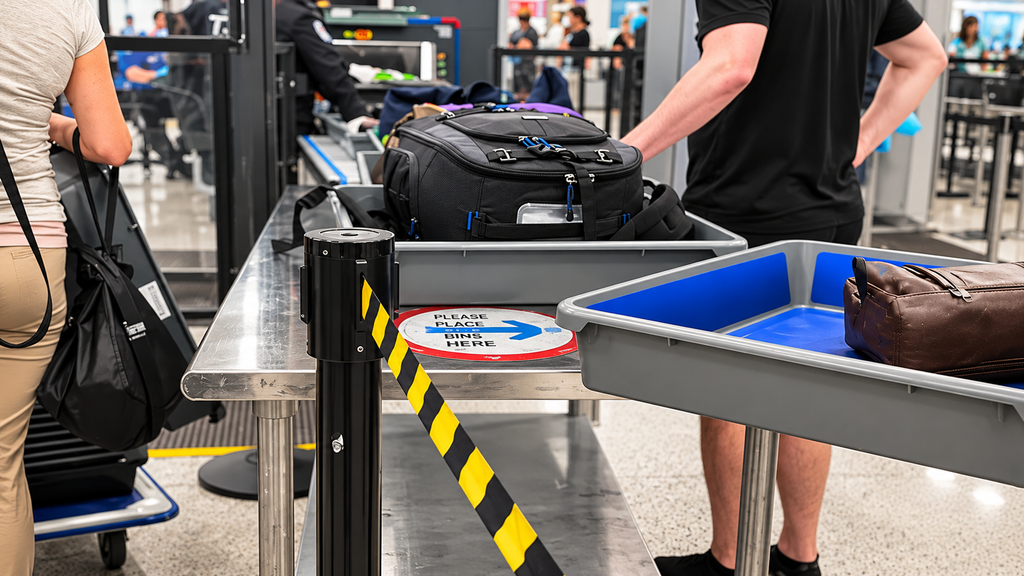
TSA officer Benjamin Andrade-Carillo was examining a suitcase when he noticed a pillowcase containing what appeared to be rope. He realized the object was alive and called his supervisor, Suggey Flores, for help.
Flores also noticed movement and alerted airport TSA manager Francisco Calderon, airport police and the passenger’s airline. Calderon confirmed that there were two live snakes. He explained that TSA officers should not handle live snakes because of the risk to their safety.
Officers briefly suspended screening in the immediate area. Flores said there were concerns that the snakes could be venomous because their types were not immediately known. Police took the suitcase to the airline’s ticketing area, where the passenger removed the snakes and handed them to a relative who was not flying.
The passenger told officials that the animals were his pets and that he had previously flown with them on another airline. TSA screened the luggage again and cleared it for travel. The airline then allowed the passenger to fly without the snakes. TSA said overall screening operations at the airport were not disrupted.
Andrade-Carillo said he had never encountered anything like this during his two years with TSA, although he had previously dealt with a traveler carrying live lobsters in San Diego.
TSA reminds travelers to check airline rules
Jason Pantages, TSA’s federal security director for Los Angeles International Airport and nearby airports, praised the team’s response and urged passengers to check with their airlines before bringing animals to the airport.
Delta Air Lines, accepts eligible reptiles, amphibians and fish only as air cargo, rather than as checked luggage or carry-on baggage. Its rules also require approved shipping containers that meet international standards for live animal transport. American Airlines Cargo has a separate restriction that prohibits the transport of venomous or poisonous snakes. These policies are examples of airline rules, not confirmation of which airline the passenger was using.
The U.S. Department of Agriculture says people traveling with pets between states must also check the requirements of their destination. Depending on the animal and destination, these may include health certificates or other animal health requirements. The department advises owners to contact a veterinarian once their travel plans are known. Questions about specific state rules can be directed to the animal health officials in the destination state.