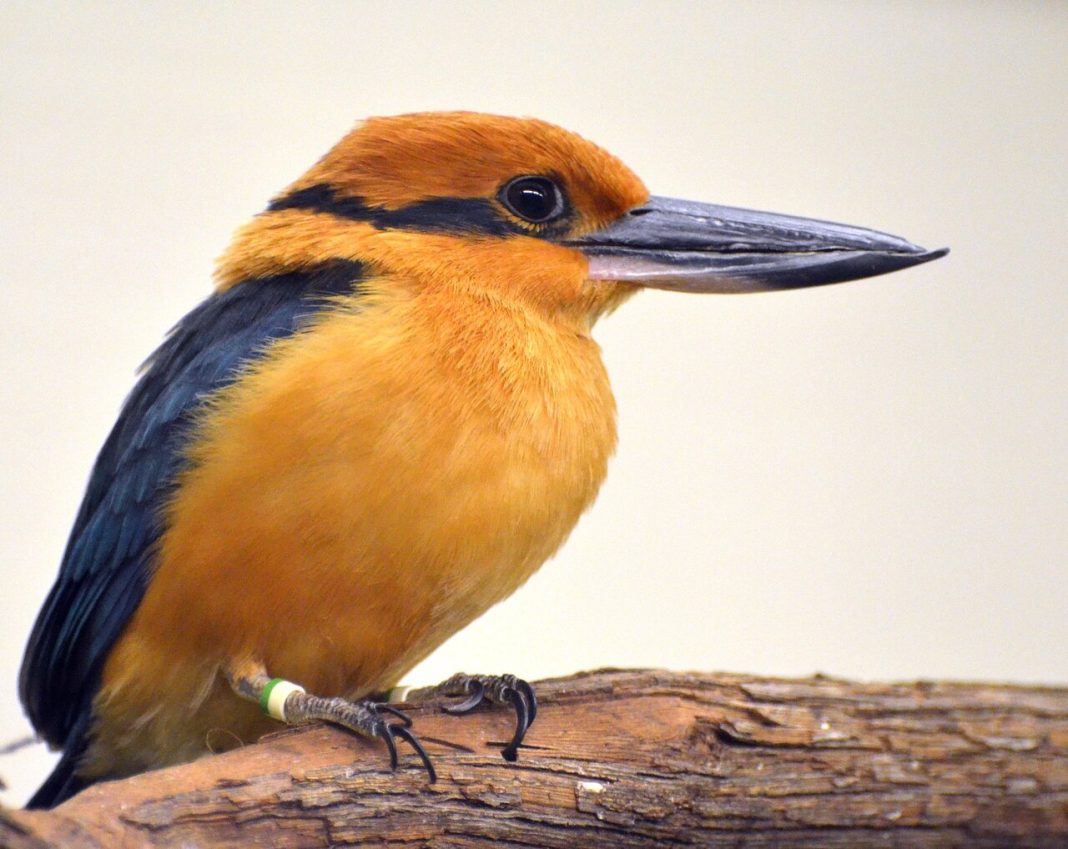

A small bird with a complicated history is getting another chance at life in the wild, and the Cincinnati Zoo is playing a role. The Guam kingfisher, also known as the sihek, disappeared from Guam after invasive brown tree snakes devastated the island’s native bird populations. Captive breeding kept the species alive, and now conservationists are using those birds to build a new wild population on Palmyra Atoll. A Cincinnati-born chick could be among the next birds selected for release.
Cincinnati Zoo Is Raising Sihek for a Return to the Wild
The Cincinnati Zoo is contributing to a carefully coordinated effort to rebuild a wild population of the Guam kingfisher, or sihek. The species had been extinct in the wild for decades, surviving through captive populations maintained by conservation institutions. Cincinnati is one of several zoos contributing eggs or young birds to the recovery effort. A new Cincinnati-born chick is now among the birds being considered for a future release at Palmyra Atoll, showing how captive breeding has moved from simply maintaining the species to preparing birds for life outside human care.
A Cincinnati-Born Bird Could Soon Make Its Wild Debut
One young sihek hatched at the Cincinnati Zoo could become part of the next group returned to a natural environment. The bird is among 10 chicks raised through the international Sihek Recovery Program that are being considered as candidates for release. The program expects to select as many as eight of them, rather than automatically releasing every candidate. That decision allows conservation specialists to consider each bird’s readiness for the demands of life in the wild. Cincinnati has already contributed three birds to the historic 2024 release, making the zoo part of an effort that has now moved into its next stage.
Palmyra Atoll Is Becoming a New Home for the Birds
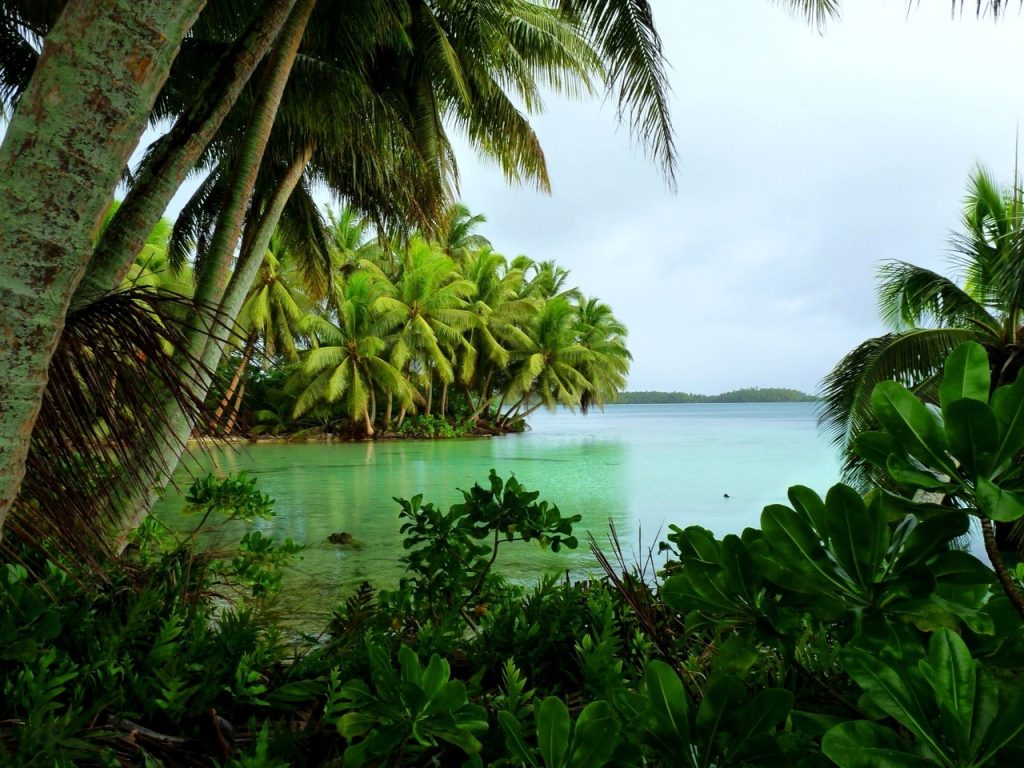
The next release is planned for Palmyra Atoll, a remote Pacific location roughly 1,000 miles south of Honolulu. The atoll offers conditions that are very different from Guam, particularly because the invasive brown tree snake that devastated Guam’s native forest birds is not present there. The first nine sihek were moved to Palmyra in 2024, with Cincinnati supplying three of those birds. One Cincinnati bird from that first group produced an egg in 2025. The current effort builds on that initial release while giving researchers more opportunities to understand how captive-raised sihek establish territories, feed, behave and reproduce in a wild setting.
Brown Tree Snakes Changed the Sihek’s Future
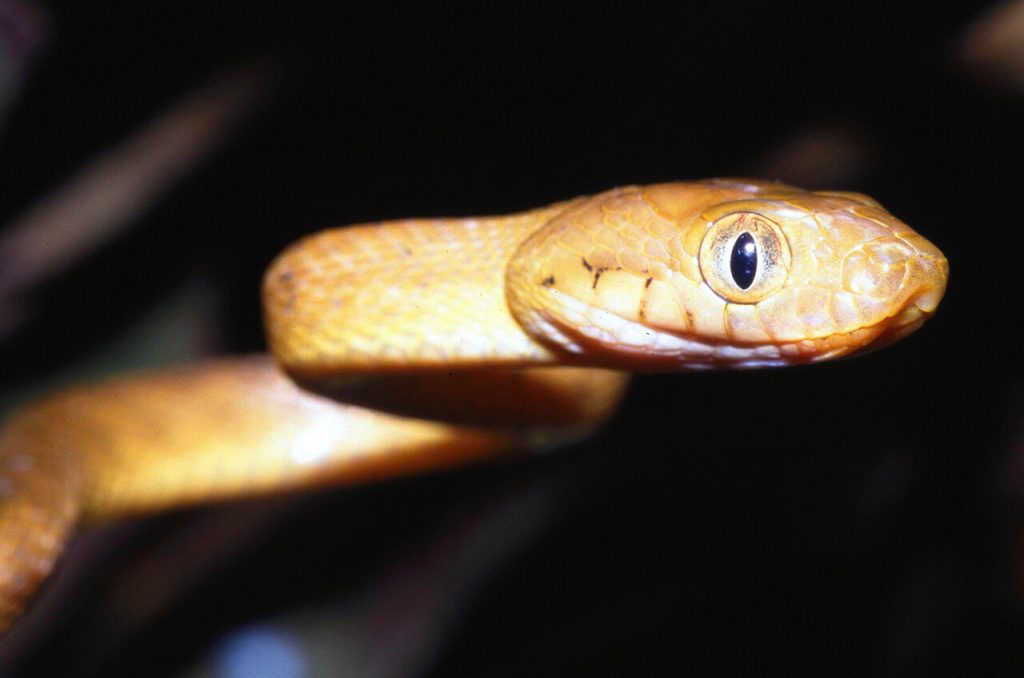
The sihek’s disappearance from Guam’s forests was closely tied to the accidental introduction of the brown tree snake. The snakes arrived on Guam in the 1940s and became a devastating predator for native birds that had evolved without similar predators. By 1988, the sihek was considered extinct in the wild. Conservation efforts began after birds were captured in the 1980s and placed in zoos and other managed facilities. Those surviving birds became the foundation of a captive population and eventually made breeding and reintroduction planning possible. Guam is still not considered suitable for a full return because the brown tree snake remains a major threat there.
Scientists Will Track What Happens After Release

Putting a bird into a protected environment is only the beginning of the research. Scientists will monitor the released sihek to learn how they behave when they are no longer dependent on people. The birds are fitted with tiny tracking devices that help researchers follow their movements and study habitat use, feeding behavior and eventual breeding activity. The first Palmyra birds have already provided useful information, with all nine from the initial 2024 group accounted for after one year and four pairs establishing territories. Three pairs laid eggs in 2025, although none of those eggs hatched. Those observations are helping researchers understand what captive-bred birds need as they transition to life in the wild.
The Recovery Program Is Choosing Which Birds Are Ready
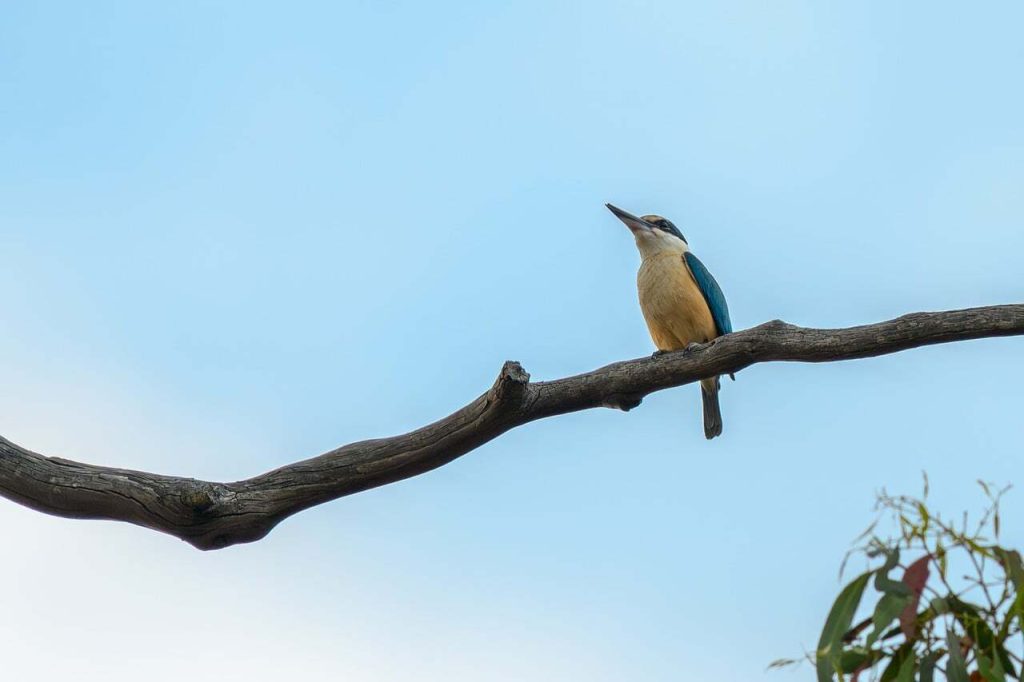
The next phase depends on more than simply having enough young birds available. Ten sihek chicks raised through the international recovery effort are considered candidates, and as many as eight could ultimately be selected for release. The decision will be made through the Sihek Recovery Program, a partnership involving wildlife agencies, conservation organizations and zoos. The program is using Palmyra as an opportunity to build the species’ wild population while learning how to improve future releases. The longer-term objective remains the recovery of sihek on Guam once the threat posed by brown tree snakes can be adequately addressed.