
A federal jury in Brooklyn, New York, convicted Chinese telecommunications company Huawei on November 24, 2026, of criminal offenses involving its business activities in Iran, including violations of US sanctions and financial fraud.
Evidence presented during the trial detailed Huawei’s involvement in developing Iran’s telecommunications infrastructure and supplying technology that authorities used to monitor internet activity and public demonstrations.
The US Department of Justice said the company concealed the extent of its relationship with Iran while maintaining access to international banking services.
Huawei’s role in Iran’s telecommunications network
According to federal prosecutors, Huawei and several of its subsidiaries helped expand Iran’s internet infrastructure and mobile network coverage.
However, the company’s involvement extended beyond telecommunications development. The Justice Department said Huawei worked with an entity connected to Iran’s intelligence services to develop capabilities for monitoring and restricting internet access.
Witnesses also testified that Huawei supplied surveillance cameras that Iranian authorities used to monitor protests.
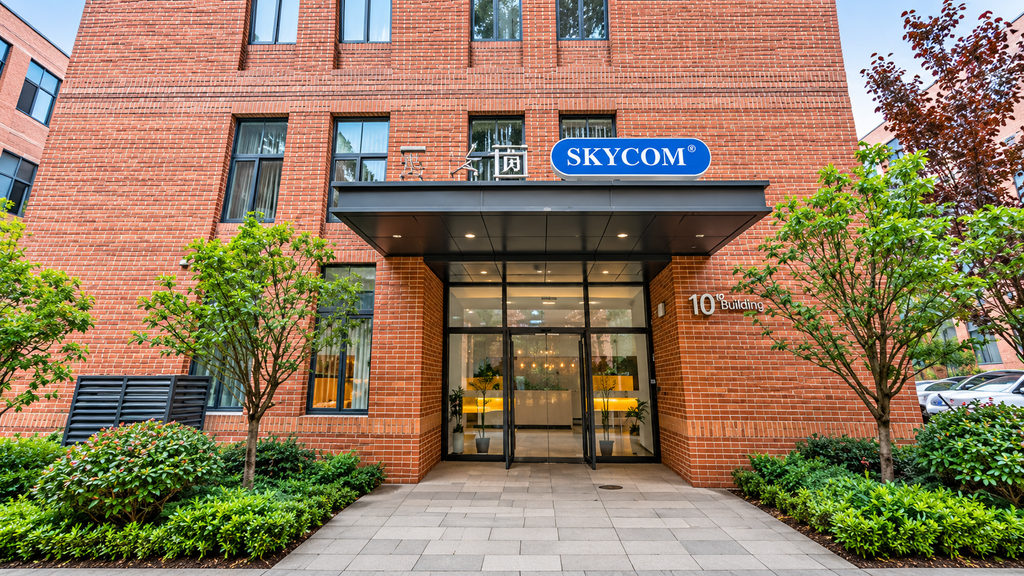
Huawei conducted its Iranian business through a company called Skycom, which it publicly described as an independent business partner. Federal prosecutors established that Skycom was a wholly owned subsidiary of Huawei.
The company had previously stated that it began reducing its business activities in Iran in 2011. However, prosecutors said its operations continued for at least another decade.
Authorities also found that Huawei had misrepresented its relationship with Iranian government institutions and its compliance with international sanctions.
According to the Justice Department, misleading statements about its Iranian operations helped Huawei secure billions of dollars in loans and credit while retaining access to financial services involving the US dollar.
US sanctions case dates back to 2018
Huawei’s business relationship with Iran came under international attention in December 2018, when Canadian authorities arrested the company’s Chief Financial Officer, Meng Wanzhou, at the request of the United States.
US prosecutors accused Meng of misleading a financial institution about Huawei’s relationship with Skycom and its activities in Iran.
In 2021, she reached a deferred prosecution agreement with US authorities and returned to China. The criminal charges against her were formally dismissed in December 2022.
The latest corporate trial concluded with Huawei being convicted on 10 of 12 criminal counts. However, jurors acquitted the company of racketeering conspiracy and conspiracy to obstruct justice.
Huawei disputed the convictions, maintaining that the remaining charges lacked legal and factual merit. Its attorney, Brian Heberlig, said the company expected to appeal.
US District Judge Ann Donnelly is scheduled to sentence Huawei and its three subsidiaries on September 14, 2027. Potential penalties include criminal fines, asset forfeiture and restitution.
The verdict brings renewed attention to the enforcement of US sanctions on Iran, particularly how international technology companies operate in restricted markets while maintaining access to the global financial system.