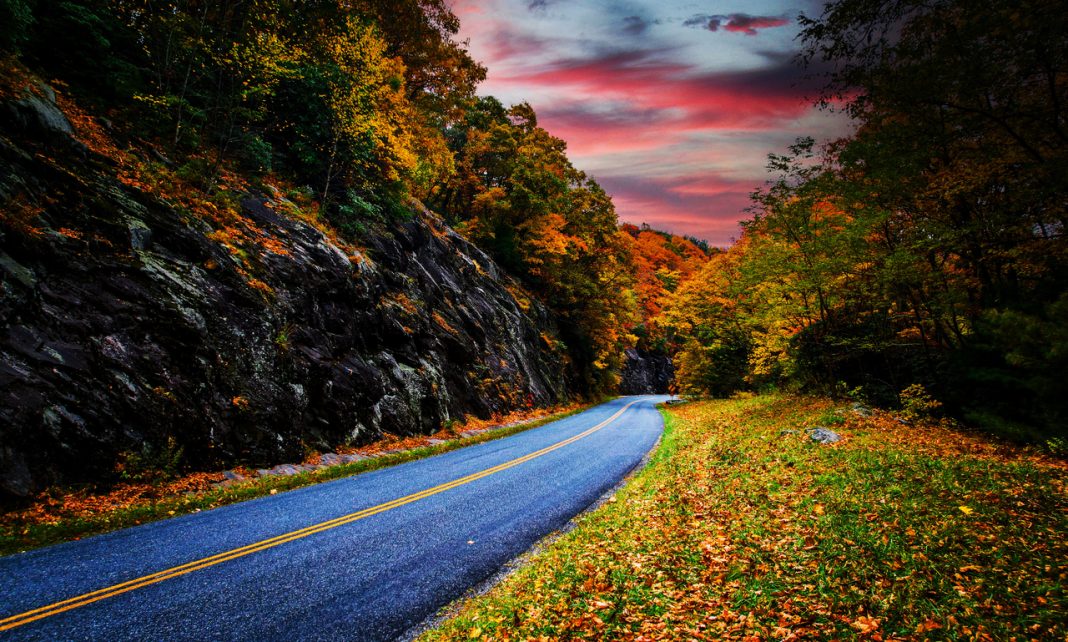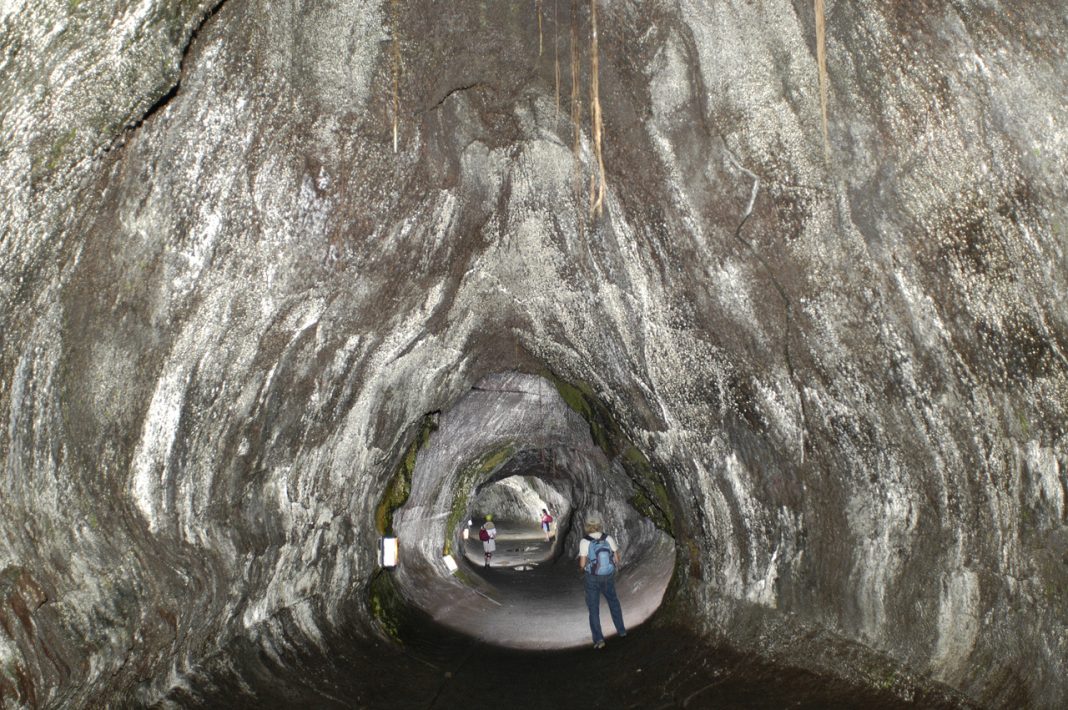

Hawaiʻi Volcanoes National Park is welcoming visitors back after Hurricane Nolo forced temporary closures across parts of the park. Most areas around the Kīlauea summit and the Kahuku Unit have reopened following post-storm assessments, but several roads, trails and a bridge remain closed. The National Park Service is also warning visitors to stay alert for hazards left behind by the storm as crews continue evaluating conditions.
Most of the Park Has Reopened
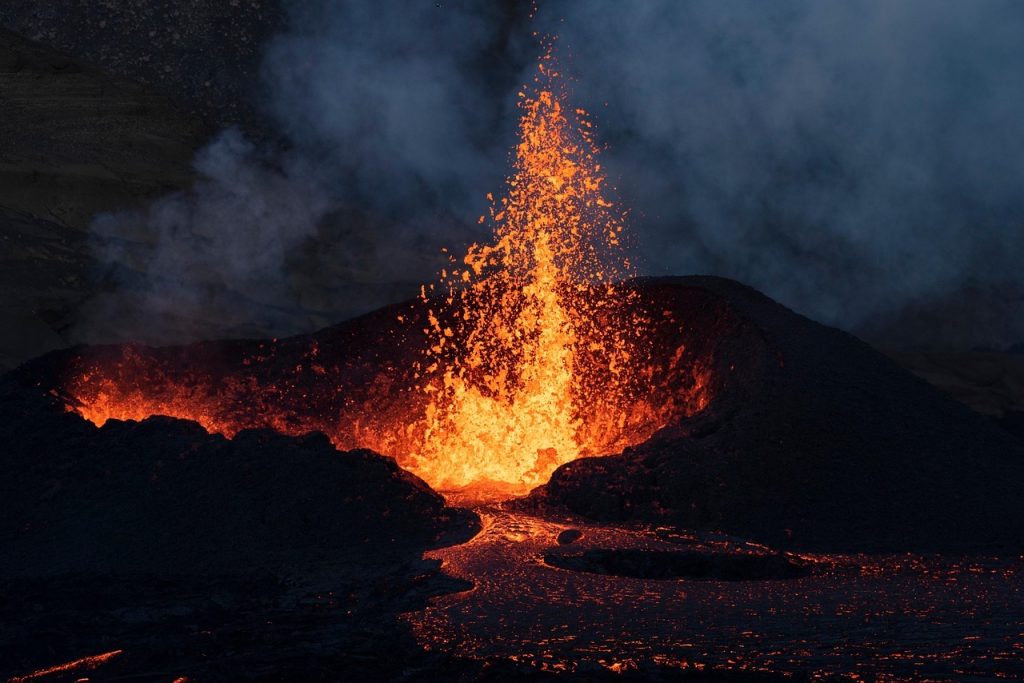
Hawaiʻi Volcanoes National Park has reopened most areas around the Kīlauea summit and the Kahuku Unit following Hurricane Nolo, marking a significant return to normal operations after the storm forced widespread closures. The National Park Service said the reopening followed assessments of conditions after Nolo brought the potential for heavy rain, flooding and strong winds to Hawaiʻi Island. While much of the park is accessible again, the reopening is not complete across every road and trail. Visitors should therefore treat the park as partially reopened rather than assuming every attraction or route is available.
The Kīlauea Summit Area Is Accessible Again
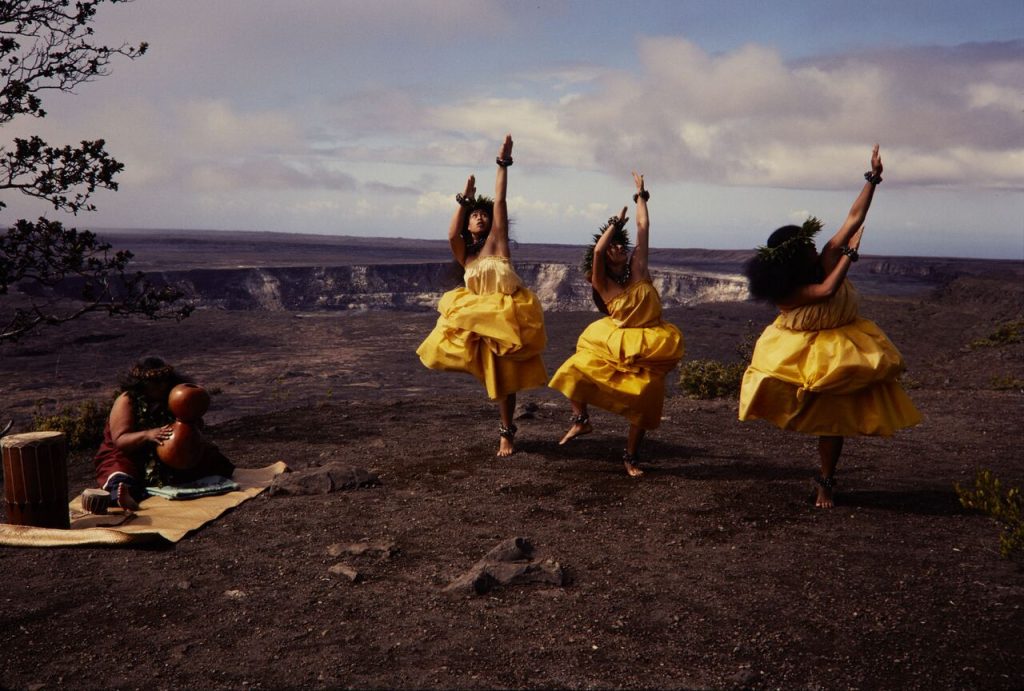
The Kīlauea summit is once again open across most areas after park crews evaluated conditions following Hurricane Nolo. The summit region is one of the park’s central visitor areas, offering access to volcanic landscapes, overlooks, roads and trails around Kīlauea. The reopening allows visitors to return to much of this area, but several specific locations remain closed. The National Park Service continues to distinguish between areas that have been assessed and reopened and those where storm impacts still require restrictions. Visitors heading to the summit should check current park information before setting out because conditions and closures can change.
Kahuku Unit Reopens After the Storm
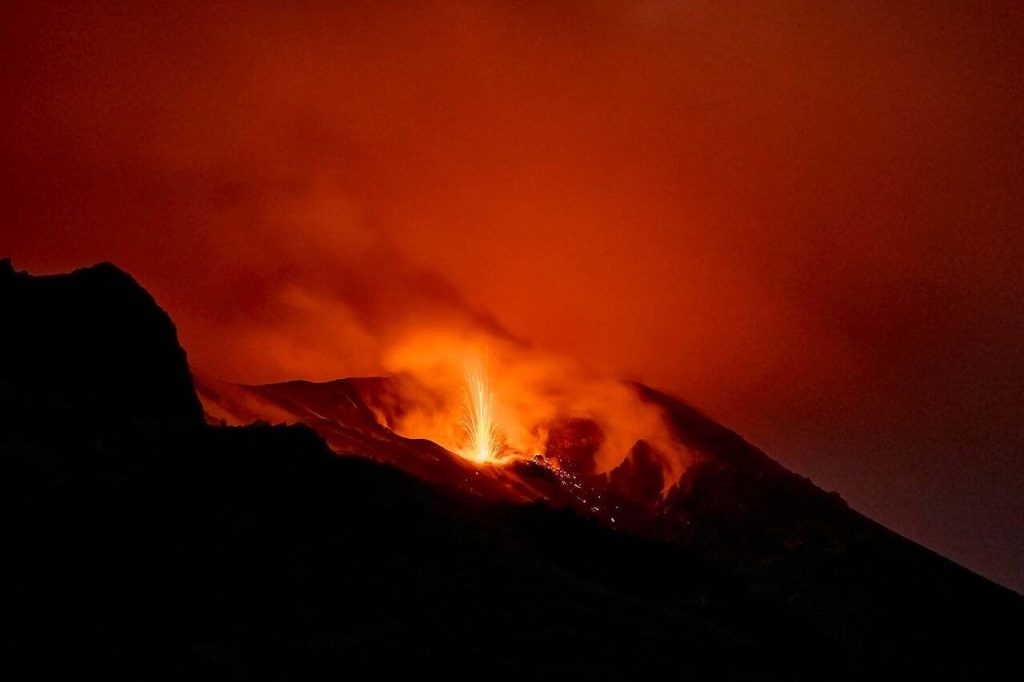
The Kahuku Unit has also reopened following Hurricane Nolo, giving visitors access to another major section of Hawaiʻi Volcanoes National Park. The unit occupies a very different landscape from the Kīlauea summit and is known for its volcanic terrain, Hawaiian cultural history and former ranching landscape. However, reopening the unit does not mean every Kahuku trail is immediately available. The National Park Service says trails there will open as staff complete their assessments. Hikers are being directed to follow signs posted at trailheads and check with staff at the Welcome Center for the latest information before beginning a hike.
Some Roads Are Still Closed
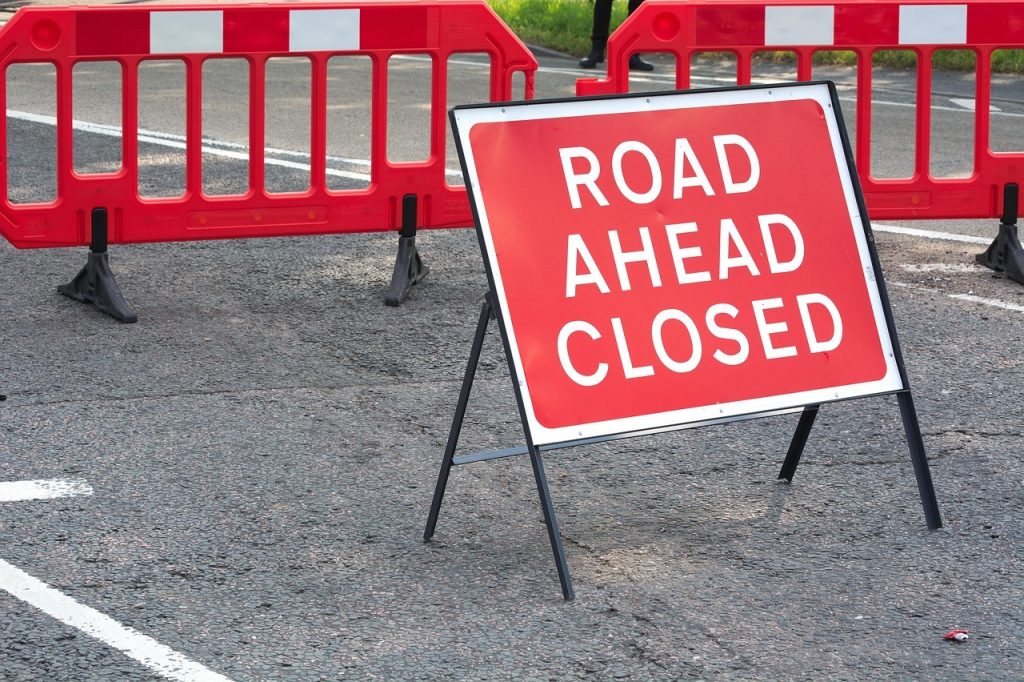
The storm cleanup is not finished everywhere, and two specific road restrictions remain important for visitors planning to drive deeper into the park. Hilina Pali Road is closed past the Mauna Iki trailhead, while Mauna Loa Road remains closed past the second cattleguard. These closures mean that a general reopening of the park should not be interpreted as unrestricted access throughout its road network. Hawaiʻi Volcanoes National Park already contains narrow, winding and sometimes challenging roads, and the NPS advises visitors to check current road conditions and closures before traveling.
Several Trails and Bridges Remain Off Limits
A handful of specific locations continue to be closed while the park deals with the effects of the storm. The Kīpukapuaulu Trail remains closed, as does the Sulphur Banks Bridge. These restrictions matter most for hikers because reopening the surrounding park does not automatically make every trail or pedestrian route safe to use. At Kahuku, staff are restoring trail access as they finish assessments, and visitors are instructed to watch for signs at trailheads and speak with staff at the Welcome Center. The National Park Service’s broader guidance is clear that visitors should use only trails that are officially open.
Visitors Still Need to Watch for Hazards
A reopened trail can still have storm-related hazards, and the National Park Service is specifically warning hikers to remain alert for hanging branches overhead, loose rocks and uneven terrain. Those dangers can be easy to overlook when a familiar trail is open again, particularly after severe weather has affected vegetation and ground conditions. The park’s existing safety guidance also emphasizes staying on marked trails, avoiding closed areas and being prepared for rapidly changing weather. Visitors should follow posted restrictions rather than trying to work around them, since closures are used to keep both visitors and park employees away from unsafe areas while assessments continue.