
The 2026 National Book Awards have unveiled 25 finalists across five categories, highlighting stories that explore history, identity, ambition, and the human experience. From a novel about displacement and belonging to a nonfiction account of music’s connection to America’s prison system, this year’s selections cover a remarkable range of subjects. The shortlisted works also include poetry that revisits historical injustices and a book examining the lasting impact of the AIDS crisis. With the winners set to be announced at the November ceremony, here are six standout finalists worth adding to your reading list.
Paradiso 17 by Hannah Lillith Assadi
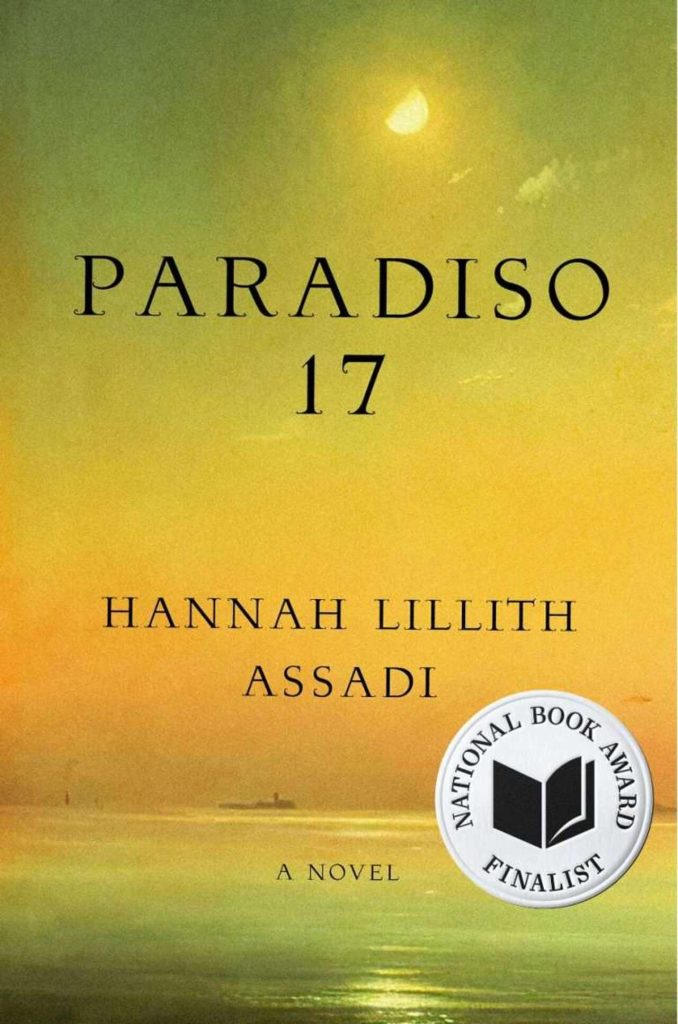
Some stories about home begin with the painful experience of losing it. Hannah Lillith Assadi’s Paradiso 17, a finalist for the 2026 National Book Award for Fiction, follows Sufien, a Palestinian man who is forced to flee his homeland as a child during the 1948 Nakba. As he recounts his life from his deathbed, his story unfolds across countries and decades, tracing a lifelong search for belonging. The novel explores what happens when displacement shapes a person’s identity and makes the idea of home difficult to define. Rather than treating exile as a single historical event, Assadi examines its lasting influence on memory, family, and personal identity. The book offers readers a deeply personal perspective on the emotional consequences of forced migration and the difficult question of whether someone can ever fully recover the home they have lost.
Dèy by Edwidge Danticat
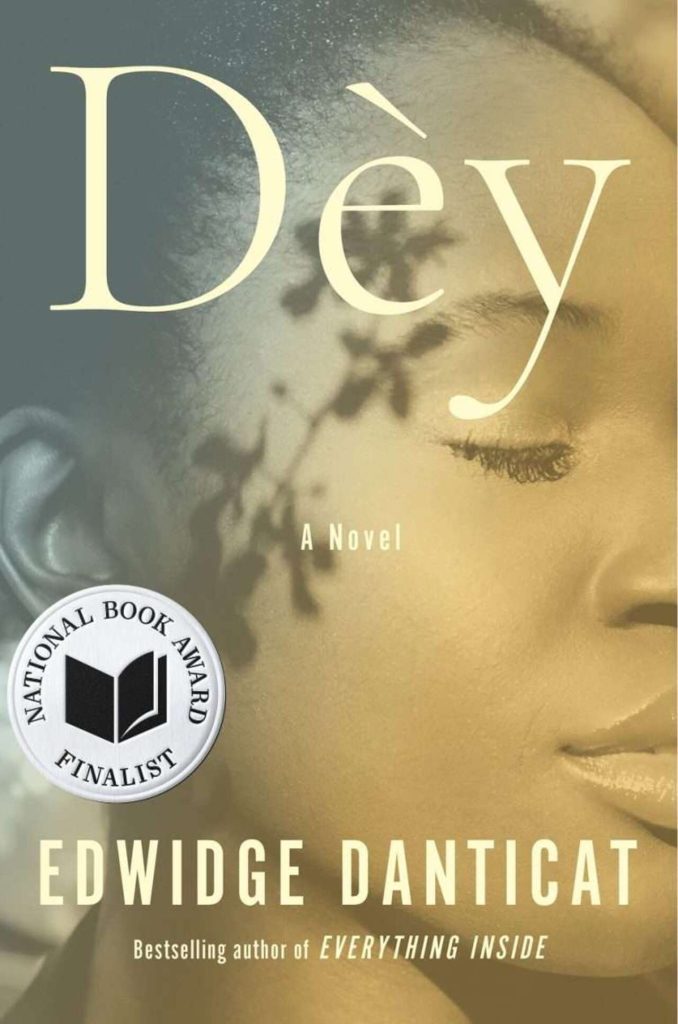
Surviving a traumatic event does not necessarily mean that life returns to normal. In Dèy, National Book Award finalist Edwidge Danticat explores this reality through Magnolia, a Haitian American real estate agent living in Miami who struggles to tell her family the truth after surviving a mass shooting. The novel examines how grief and trauma can affect relationships, particularly when people find it difficult to explain what they have experienced. Its themes extend beyond personal mourning to include immigration, gentrification, and the complicated ties that connect people to their communities. Danticat brings these subjects together through a character whose private struggles reflect broader questions about identity and belonging. The title, which evokes mourning in Haitian Creole, reinforces the novel’s focus on loss and the ways individuals and communities respond to it. As a finalist in the fiction category, Dèy offers a timely exploration of the lasting emotional effects of violence.
The Midnight Special: The Secret Prison History of American Music by Colin Asher
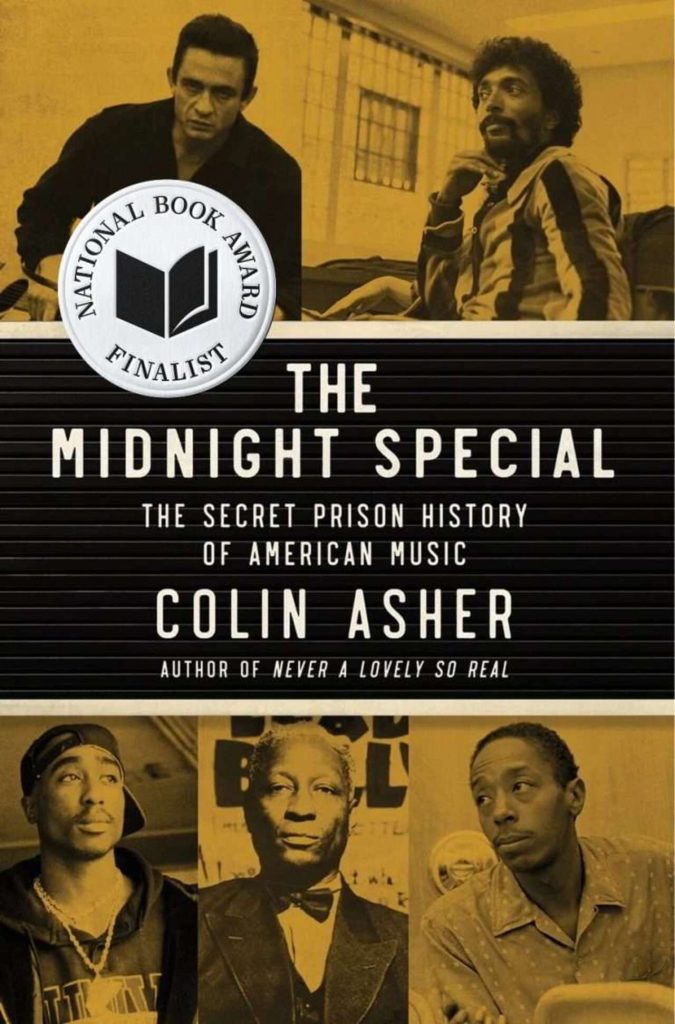
Music history often celebrates the artists, recordings, and performances that changed popular culture, but Colin Asher’s The Midnight Special: The Secret Prison History of American Music looks at a less familiar part of that story. A finalist for the 2026 National Book Award for Nonfiction, the book examines five 20th-century musicians and the albums they created while incarcerated. By combining biography with musical analysis, Asher explores the relationship between imprisonment and artistic expression. The book also considers how policing and the criminal justice system have influenced American music, while examining the ways music has reflected or challenged those institutions in return. This approach places individual artists within a broader social and cultural history, showing how creative work can emerge under difficult circumstances. For readers interested in music, American history, or criminal justice, the book offers a different way to understand familiar musical traditions and the experiences that helped shape them.
Tree of Knowledge by Victoria Chang
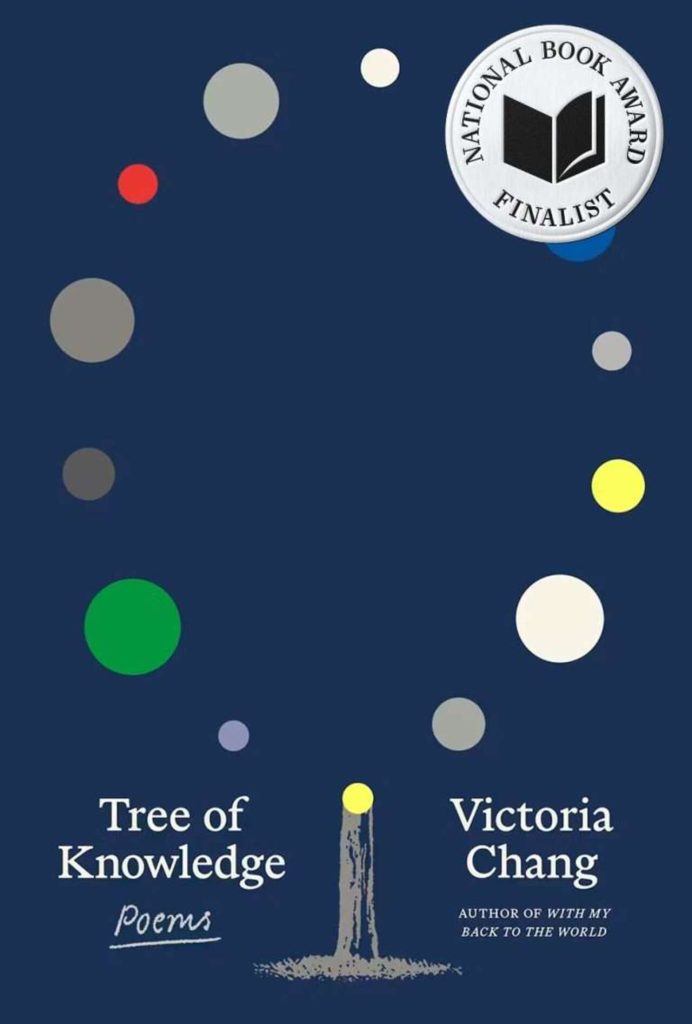
Poetry can make readers reconsider familiar ideas about history, nature, and the meaning of belonging. Victoria Chang’s Tree of Knowledge, a finalist for the 2026 National Book Award for Poetry, brings these subjects together through a collection that considers art, death, the afterlife, and the natural world. The book also incorporates embroidered photography, giving its presentation a visual dimension that complements the poems. One central poem examines the violent expulsion of Chinese Americans from Eureka, California, connecting a specific historical injustice to broader questions about who has the right to remain, belong, and flourish in a place. Chang’s work encourages readers to think about how history shapes the present and whose experiences are remembered or overlooked. Rather than treating nature and human history as separate subjects, the collection draws connections between them, inviting reflection on displacement, mortality, and the fragile relationship between people and the places they call home.
The School of Night by Karl Ove Knausgaard, translated by Martin Aitken
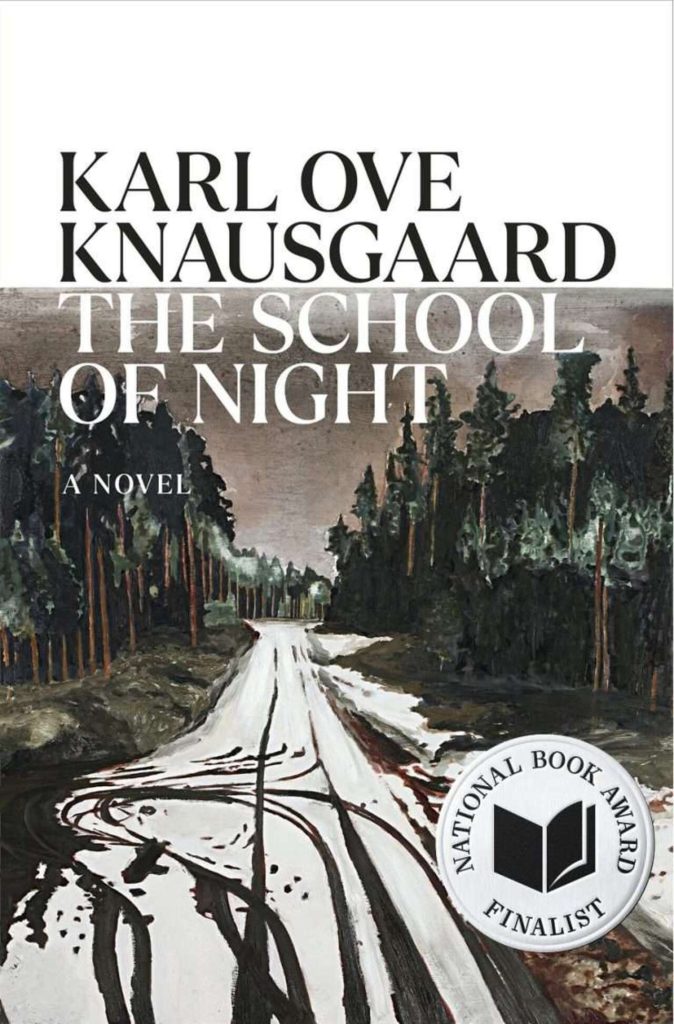
Ambition can open doors, but it can also leave people confronting the choices they made along the way. In The School of Night, Norwegian author Karl Ove Knausgaard follows Kristian Hadeland, an ambitious young photographer who moves to London in the 1980s in pursuit of success. Years later, as a retrospective of his work brings him to New York City, the achievements of his career are accompanied by troubling memories of his past. The novel offers a modern reworking of Faustian themes, exploring the moral compromises people may make when they want more than their circumstances initially allow. Its examination of ambition, responsibility, and the consequences of personal choices gives the story a psychological dimension beyond the art world setting. Translated into English by Martin Aitken, The School of Night is a finalist in the National Book Award’s Translated Literature category. Its recognition also highlights the important role translators play in bringing international literature to English-speaking readers.
The Fight of Our Lives: AIDS in America by David Levithan and Gabriel Duckels
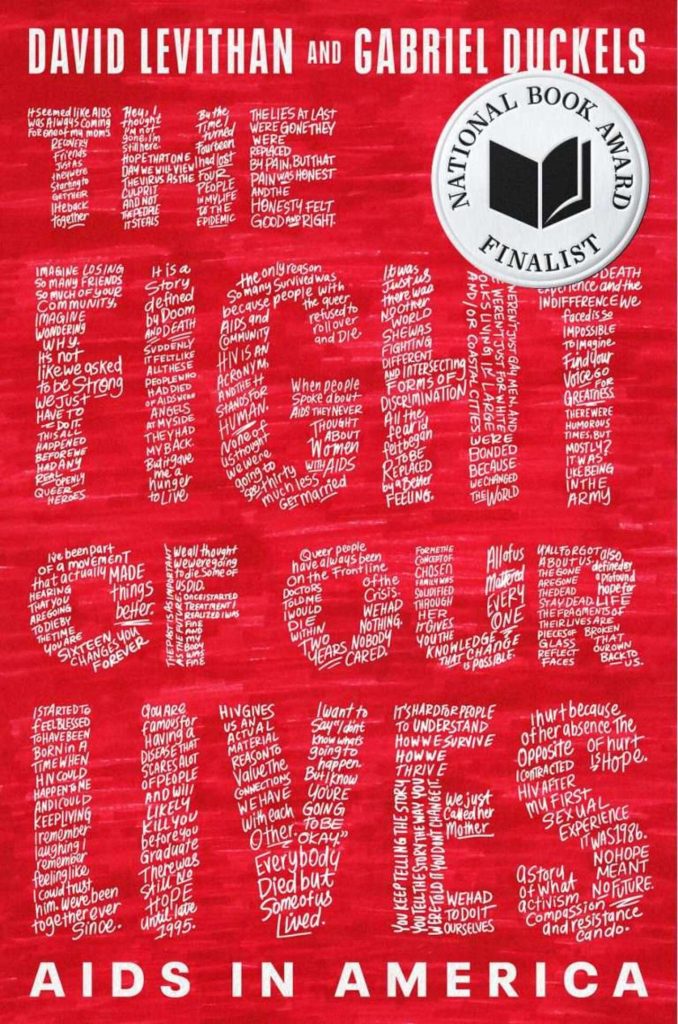
Understanding a public health crisis requires more than knowing dates and statistics. The Fight of Our Lives: AIDS in America by David Levithan and Gabriel Duckels examines the AIDS crisis through personal accounts and historical material, making it accessible to young readers while preserving the significance of the events it documents. The book brings together interviews, poetry, essays, speeches, obituaries, and artwork to capture the experiences of people affected by the epidemic. It also highlights the role of youth activism in demanding recognition, challenging stigma, and pushing for social change. By presenting different forms of testimony, the authors show how the crisis affected individuals and communities while demonstrating the importance of remembering those experiences. The book is a finalist for the 2026 National Book Award for Young People’s Literature. Its selection underscores the value of introducing younger audiences to difficult chapters of recent history and helping them understand how collective action can influence public attitudes and institutions.