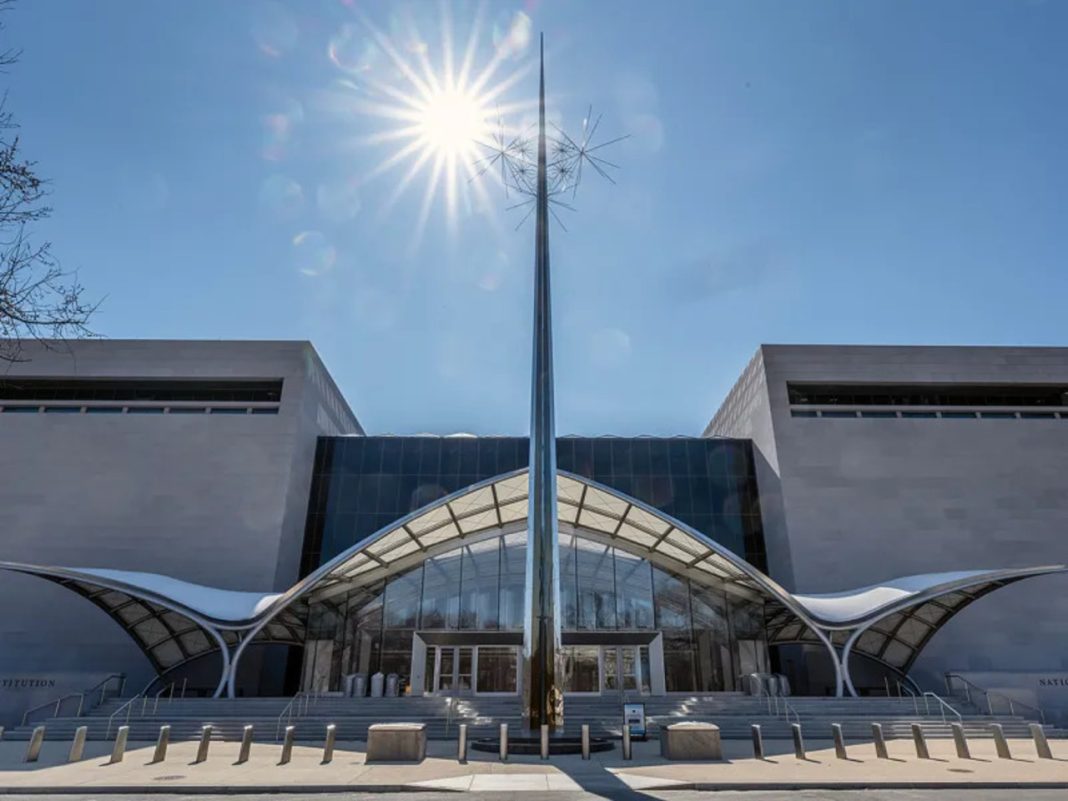

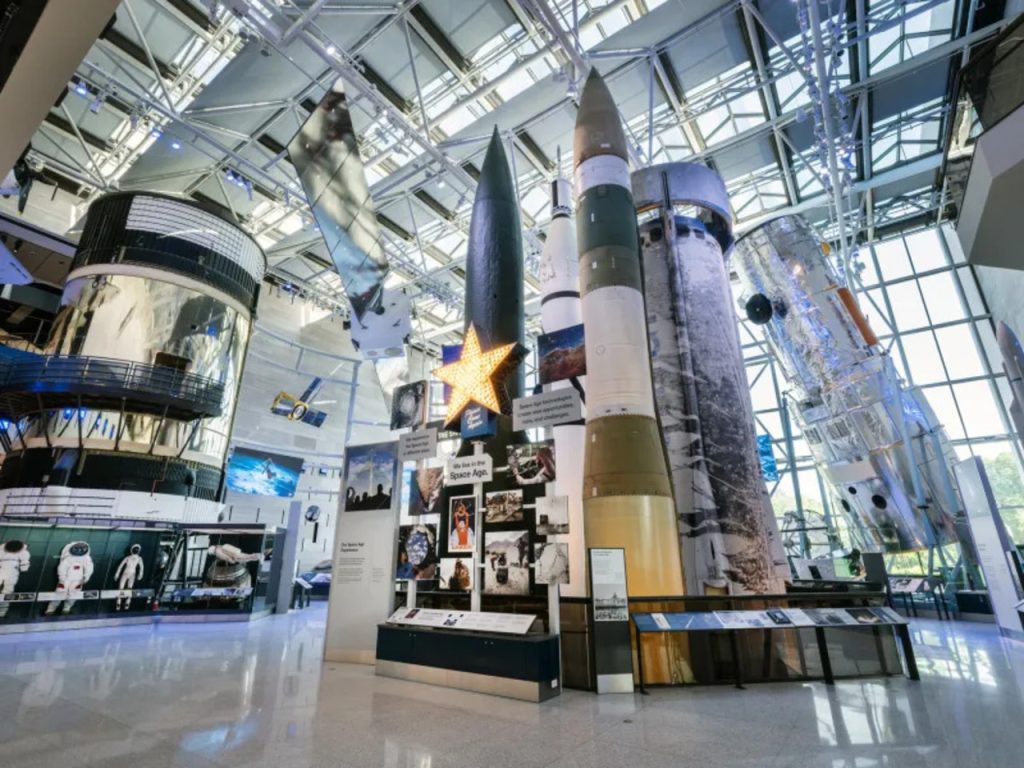
The Smithsonian’s National Air and Space Museum has reached another major milestone with the opening of its new At Home in Space gallery, completing a seven-year transformation. The exhibition takes visitors beyond the excitement of rocket launches to explore what it actually takes to live and work in space. From a recreation of the International Space Station and real spacesuit technology to experimental robots and personal artifacts belonging to historic astronauts, the gallery offers an engaging look at more than 50 years of human spaceflight. Visitors can also discover how astronauts handle everyday activities in microgravity, revealing the remarkable science and engineering behind life beyond Earth.
Take a Journey Through More Than 50 Years of Human Spaceflight
Space exploration is about much more than rockets leaving Earth. It also involves figuring out how people can survive, work, conduct experiments and remain healthy while living hundreds of miles above the planet. The Smithsonian’s new At Home in Space gallery explores this fascinating side of human spaceflight through an immersive exhibition covering more than five decades of exploration. Visitors can follow the evolution of the Space Shuttle and International Space Station programs while learning how scientists and engineers developed the technology needed for extended stays in orbit. The exhibition also looks at how knowledge gained from these missions could influence future journeys beyond Earth’s orbit. Rather than focusing exclusively on historic launches, it brings attention to the practical challenges of making space a place where humans can live and work continuously.
Step Inside a Recreation of the International Space Station
Seeing pictures of the International Space Station is one thing, but getting a sense of its working environment offers an entirely different experience. One of the gallery’s central attractions is a walk-through recreation of the station’s Destiny module, the U.S. National Laboratory aboard the International Space Station. This immersive environment gives visitors an opportunity to explore a representation of the space where astronauts conduct scientific research and technical experiments. The actual Destiny module was installed aboard the ISS in 2001 and provides a dedicated environment for research in microgravity. Its recreation helps explain how an orbiting laboratory operates and why it is so important to long-term space exploration. Visitors can better understand the relationship between scientific research, engineering and everyday life aboard a spacecraft, including how astronauts use limited space and specialized equipment to complete their work.
Get an Up-Close Look at a Space Shuttle Main Engine
Rocket engines are among the most important pieces of technology behind human spaceflight, and the new gallery gives visitors an opportunity to examine a Space Shuttle main engine. These powerful engines were essential to the shuttle’s journey into orbit, working alongside the vehicle’s solid rocket boosters during launch. The Space Shuttle’s main engines burned liquid hydrogen and liquid oxygen, producing the tremendous thrust needed to lift the spacecraft away from Earth. They were also designed to operate at extremely high temperatures and pressures while maintaining precise performance. Seeing an actual engine up close helps visitors appreciate the engineering challenges involved in developing reusable spacecraft. It also provides a physical connection to the Space Shuttle program, which carried astronauts, satellites and scientific equipment into space for three decades. The exhibit makes it easier to understand just how much engineering goes into something that might otherwise look like a complicated piece of machinery.
See a Spacesuit That Has Actually Been Used in Space
A spacesuit is essentially a personal spacecraft, protecting its wearer from the harsh conditions outside a pressurized vehicle. Visitors to At Home in Space can see a flown Extravehicular Mobility Unit, the specialized spacesuit NASA developed for astronauts performing spacewalks. Unlike ordinary clothing, this equipment provides oxygen, regulates temperature and maintains the pressure necessary for an astronaut to survive in the vacuum of space. It also protects against tiny particles and other environmental hazards that could pose serious risks during work outside a spacecraft. The suit’s life-support systems allow astronauts to perform maintenance, install equipment and complete other tasks beyond their spacecraft. Seeing one that has actually flown in space makes the technology considerably more interesting because it represents equipment that has been tested in the environment it was designed for. It also highlights the extensive preparation required before astronauts can safely leave the protection of their spacecraft.
Encounter Robonaut 1A, NASA’s Experimental Humanoid Robot
Robots could eventually become some of the most valuable assistants astronauts have during long-duration missions, and Robonaut 1A offers visitors a closer look at how that idea developed. Created through a collaboration involving NASA, the Defense Advanced Research Projects Agency and General Motors, this experimental humanoid robot was designed to handle tools and small objects in ways that could support human spaceflight. Its human-like upper body and mechanical hands were developed to perform tasks that would otherwise require astronauts to work in potentially dangerous environments. The broader Robonaut project explored how robotic assistants could help with maintenance and other demanding activities aboard spacecraft. Later developments included Robonaut 2, which was sent to the International Space Station in 2011 for testing. The original Robonaut 1A on display provides an opportunity to examine an important stage in that research and consider how humans and machines might work together during future missions.
Discover the Flight Suits Worn by Sally Ride and Guy Bluford
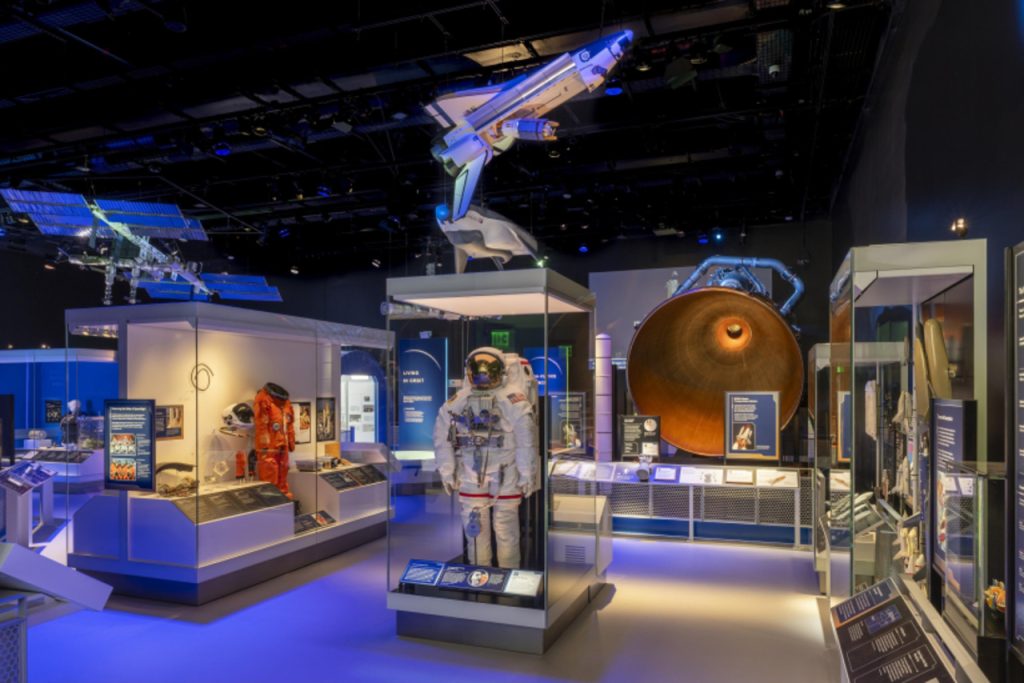
The history of human spaceflight is also a story about the people who made these missions possible. The new gallery brings that human element into focus by displaying the in-flight suits worn by Sally Ride and Guy Bluford. Ride made history in June 1983 when she became the first American woman to travel into space aboard the Space Shuttle Challenger during the STS-7 mission. Her achievement represented an important milestone in American space exploration and helped expand opportunities for women in the astronaut corps. Guy Bluford made history earlier that same year when he became the first African American to travel into space aboard Challenger’s STS-8 mission in August 1983. Their flight suits provide a tangible connection to two significant moments in the history of space exploration. Beyond their historical importance, these personal artifacts help visitors recognize the dedication, training and preparation involved in becoming an astronaut.
Explore the Everyday Objects and Challenges of Living in Space
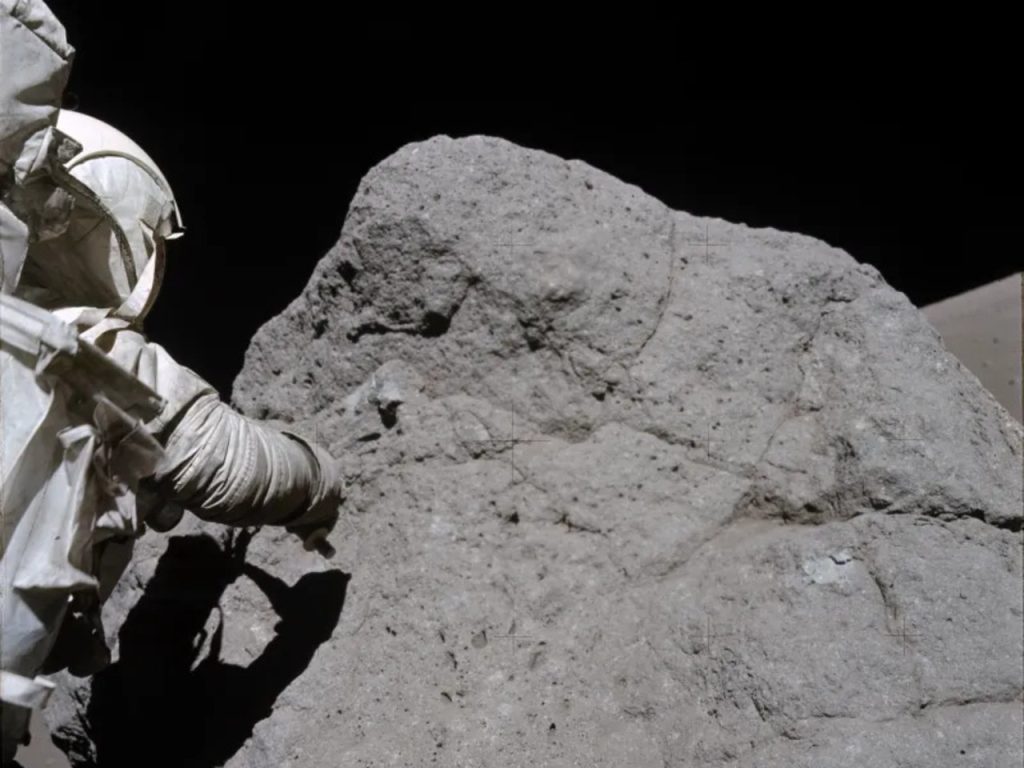
Some of the most interesting details of life in space come from objects that seem perfectly ordinary on Earth. The gallery highlights how even familiar activities require specialized equipment when gravity is no longer working in the usual way. Visitors can see tools developed for sequencing DNA in space, demonstrating how scientific research has expanded beyond traditional laboratories. They can also examine coffee cups engineered for microgravity, where ordinary pouring and drinking methods do not work because liquids behave differently without the familiar pull of gravity. These objects illustrate how astronauts must adapt everyday routines to an environment that presents unusual physical challenges. The experience also includes the interactive Spaceflight Academy Quiz, where visitors can compete against one another while testing their knowledge of spaceflight. Together, these displays offer a practical look at the science, creativity and problem-solving involved in maintaining a continuous human presence beyond Earth.