
Minnesota is spending millions of dollars to prevent food waste, expand composting and help organizations rescue edible food, yet the problem continues to grow. The state’s latest waste study found that food makes up a larger share of discarded trash than it did a decade ago, raising concerns about whether current efforts are enough. From rising waste figures to ambitious 2030 targets, these six numbers reveal the scale of Minnesota’s food waste problem and the challenges facing its reduction efforts.
Food Waste Makes Up 22.5% of Minnesota’s Disposed Trash

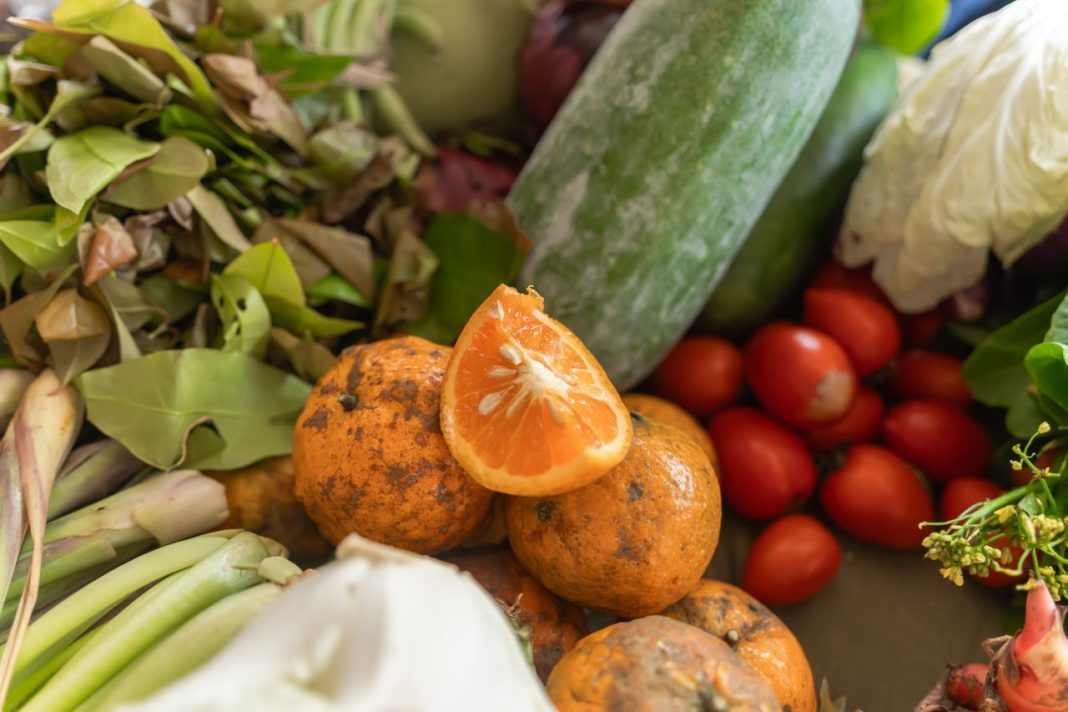
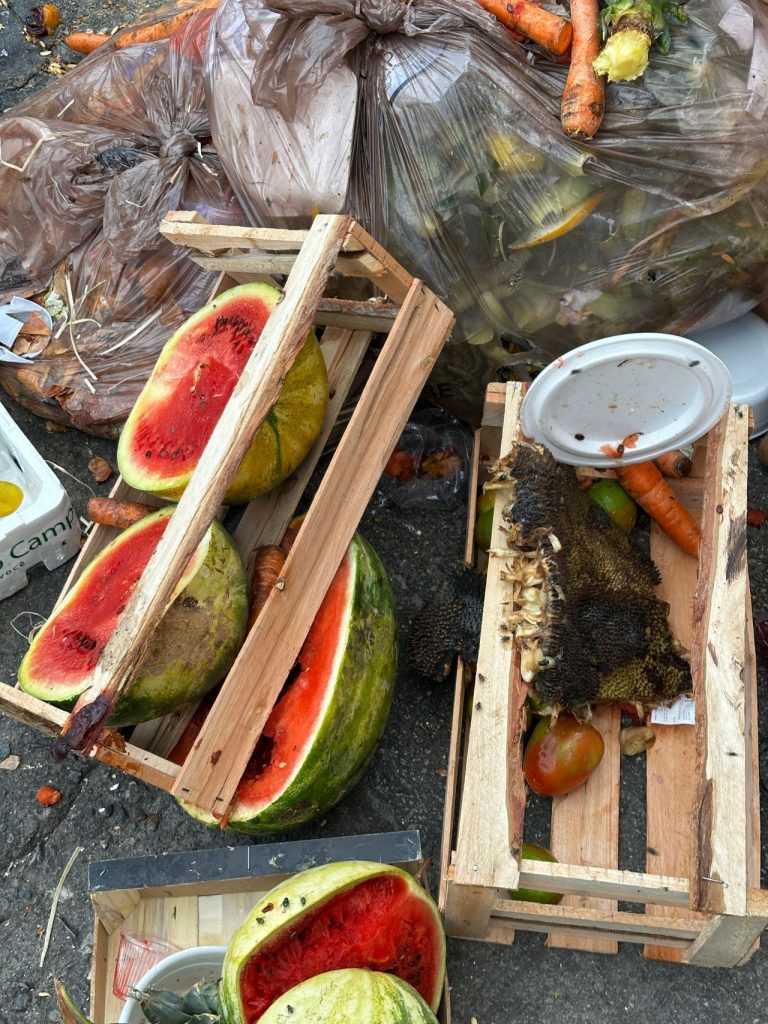
Minnesota’s trash contains a surprisingly large amount of food that could have been eaten, donated or composted instead of being buried in a landfill. The state’s latest waste characterization study found that food waste accounted for 22.5% of disposed waste, up from 17.8% in the previous statewide study conducted in 2013. The findings suggest that food remains a major part of Minnesota’s waste problem despite years of public awareness campaigns and state-funded prevention programs. Food scraps, spoiled produce and uneaten meals all contribute to the total, but not everything in the food waste category is necessarily inedible. Some discarded items may still have been suitable for consumption or donation before they spoiled. When food ends up in landfills, it decomposes and produces methane, a greenhouse gas that contributes to climate change. The Minnesota Pollution Control Agency says preventing food from becoming waste in the first place offers important environmental and financial benefits. The latest figures also give state officials an updated benchmark for measuring whether future waste reduction efforts are working.
Minnesota Discards About 400 Pounds of Organic Waste per Person Annually
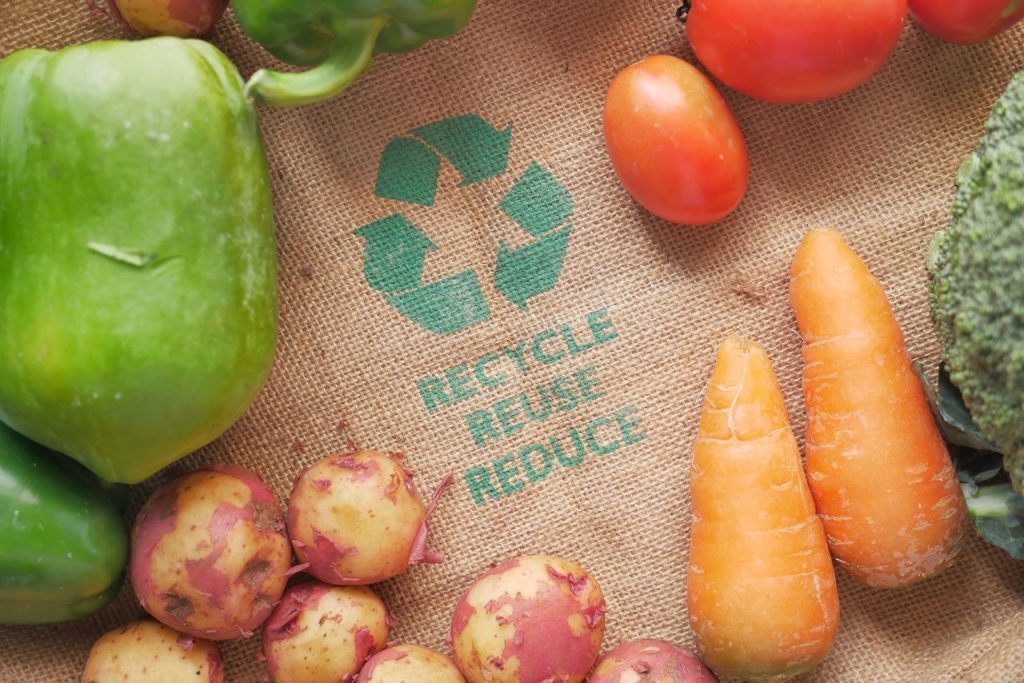
The amount of organic material Minnesotans throw away adds up quickly when household waste is considered across an entire state. According to the Minnesota Star Tribune’s analysis of state data, organic waste reached approximately 400 pounds per person annually by 2024. This category includes food waste as well as other organic materials, such as certain paper products and compostable items. The figure highlights how everyday habits, from buying more groceries than a household can use to throwing away leftovers, contribute to the state’s overall waste burden. Food waste is particularly concerning because growing, processing, packaging and transporting food all require resources, including water, land, fuel and energy. When edible food is discarded, those resources are wasted alongside the food itself. The Minnesota Pollution Control Agency encourages residents to plan meals, store food properly and use leftovers before they spoil. For families, these changes can reduce both garbage and grocery expenses. Although the per-person figure provides a useful picture of the scale of the problem, it represents organic waste rather than food alone.
Minnesota Aims to Cut Food Waste by 50% by 2030
Minnesota has set an ambitious target for reducing the amount of food that ends up uneaten and discarded. The state aims to cut food waste in half by 2030 compared with its 2013 baseline, reflecting a broader national effort to reduce the environmental and economic costs of wasted food. However, the latest waste study indicates that Minnesota is not currently on track to achieve that goal. Food waste’s share of disposed trash increased from 17.8% in 2013 to 22.5% in the 2025-2026 study. These percentages measure food waste as a share of disposed material, so they should not be confused with a direct calculation of progress toward the 2030 target. Still, the increase raises questions about whether current efforts are producing reductions at the scale needed. The state has supported composting, food rescue and waste prevention programs, while encouraging residents and businesses to manage food more carefully. Preventing edible food from being discarded is especially important because composting, while useful, does not recover the resources already spent producing that food. Meeting the 2030 goal will require sustained action from households, retailers, restaurants and policymakers.
Minnesota Spent $4.5 Million on Composting Initiatives in 2024

Composting has become an important part of Minnesota’s strategy for keeping organic material out of landfills. In 2024, the Minnesota Pollution Control Agency provided $4.5 million in grants to local governments and organizations working on composting and related organic waste initiatives. These projects help create alternatives to throwing food scraps and other suitable materials into ordinary garbage. Depending on the program, funding can support collection services, processing infrastructure and other efforts that make composting more accessible. Diverting organic waste can reduce the amount of rubbish sent to landfills and produce compost that can be used to improve soil. However, composting addresses only part of the food waste problem. It does not prevent the loss of money, labor, water and energy that occurs when edible food is discarded. State officials and waste experts therefore emphasize prevention as the preferred first step, followed by food recovery and composting when appropriate. The $4.5 million investment illustrates Minnesota’s commitment to improving organic waste management, but the rise in food waste shows why funding must be paired with efforts that change how food is purchased, stored, distributed and consumed.
Another $4.8 Million Went to 13 Organizations Working to Prevent Food Waste

Recovering food before it reaches the trash can benefit both the environment and people who struggle to afford groceries. The Minnesota Pollution Control Agency awarded nearly $4.8 million to 13 organizations working to prevent food waste and redirect usable food to people who need it. These projects include food rescue operations that collect surplus food and distribute it through food banks, community organizations and other local partners. One project highlighted by the agency involved expanding a northern Minnesota food bank’s capacity by 300%, demonstrating how investment in storage and distribution can help organizations handle more rescued food. Other efforts can support the people, equipment and coordination required to move surplus food quickly and safely. This approach is especially valuable because a significant share of discarded food could potentially have been eaten or donated before spoiling. Food rescue cannot eliminate every source of waste, since some food is no longer safe or suitable for consumption. Still, it can prevent usable products from being discarded while helping address food insecurity. The $4.8 million grant round shows how Minnesota is investing in solutions that connect waste prevention with community needs, even as the state’s latest figures reveal that further progress is necessary.