
Getting around Brooklyn Park could become easier with Metro Transit’s new on-demand ride service. Designed to connect residents with transit centers, shopping destinations, and other everyday stops, Metro Micro offers a flexible alternative to traditional bus routes. From booking rides by phone or app to understanding fares and service hours, here are six important things to know about the new transportation option.
Metro Micro Has Arrived in Brooklyn Park
Getting around the suburbs can be challenging when bus stops are far apart or traditional routes do not reach the places people need to visit. Metro Transit is addressing that gap with Metro Micro, its shared, on-demand transportation service, which arrived in Brooklyn Park in October 2026. The service allows passengers to arrange rides when they need them rather than relying entirely on fixed bus routes. Metro Micro first launched as a pilot program in north Minneapolis in 2022, with the goal of connecting people to regular transit services and destinations that buses do not serve directly. Following its popularity, Metro Transit expanded the program to additional communities, including parts of Bloomington, Blaine, Woodbury and Roseville in 2025. The Brooklyn Park launch is another step in the agency’s efforts to improve transportation access across the Twin Cities suburbs. Its expansion reflects growing interest in flexible transit options that can help residents complete everyday journeys without needing a personal vehicle.
Riders Can Book Door-to-Door Trips Through an App or Phone Call
Booking a ride through Metro Micro is designed to be straightforward, giving passengers a choice between using a smartphone app and calling a representative. Riders can download the free Metro Micro app or contact Metro Transit’s dispatch service at 651-602-1170 to request transportation. This phone option is particularly useful for people who do not own a smartphone or prefer speaking with someone when arranging a trip. Although the service is often described as door-to-door transportation, Metro Transit’s Brooklyn Park service is officially curb-to-curb, meaning passengers should be prepared to meet their vehicle at the designated pickup location. The service operates as a shared ride, so passengers may travel with other customers who need pickups or drop-offs along the way. Unlike a conventional taxi, a Metro Micro trip may not follow a direct route to its destination. Riders should also remember that trips must begin and end within the designated service area, making it important to check coverage before booking.
The Service Covers a Large Portion of Brooklyn Park
For residents living in areas where reaching a regular bus stop can involve a long walk, Metro Micro offers another way to connect with the local transportation network. Its Brooklyn Park service area covers a substantial part of the city, with boundaries extending roughly from Highway 252 and Noble Parkway in the east to Jefferson Highway and Highway 169 in the west. The southern boundary runs along 67th Avenue North, while Rush Creek Regional Trail marks the approximate northern edge. These boundaries matter because Metro Micro is not a citywide service without restrictions. Passengers must arrange trips that start and finish inside the designated zone. Within that area, the service can help residents reach transit connections and local destinations without having to walk all the way to a conventional bus stop. Anyone planning to use the service regularly should consult Metro Transit’s official Brooklyn Park service-area map to confirm whether their pickup and destination locations qualify. Checking the map before requesting a ride can help avoid confusion and make planning everyday journeys easier.
Fares Start at $2.50 and Rise to $3.50 During Peak Periods
Transportation costs are an important consideration for people who rely on public transit for work, shopping, medical appointments and other regular activities. Metro Micro’s reported fare structure in Brooklyn Park starts at $2.50 per ride, increasing to $3.50 during peak periods. This gives passengers a relatively affordable alternative to taking a taxi or booking a private ride-hailing service, particularly for shorter journeys within the service zone. However, riders should account for the fact that Metro Micro is a shared transportation service rather than a private vehicle hired exclusively for one passenger. The fare also represents only one part of a trip’s overall cost if passengers need to connect with a regular bus or another transit service. Anyone planning a journey that combines Metro Micro with fixed-route transportation should check the applicable fares and payment requirements for each leg. Because fare policies can change, passengers should confirm the latest prices and peak-period rules through Metro Transit before travelling.
Small Buses Operate From Early Morning Until Late Evening
Reliable operating hours can make a significant difference for people who need transportation before the standard workday begins or after evening activities end. Metro Micro operates using small buses similar in size to the vans used for Metro Mobility, providing a more flexible option than waiting for a conventional fixed-route bus in areas where service is limited. According to the reported schedule, the vehicles run from 5:30 a.m. to 10:30 p.m. on weekdays and from 7 a.m. to 10:30 p.m. on weekends. These hours give passengers opportunities to arrange rides for morning appointments, daytime errands and many evening trips. The vehicles are also designed to accommodate passengers with disabilities, with Metro Transit’s service information identifying the minibuses as ADA-accessible. Still, riders should remember that the service operates on demand, and requesting a trip does not mean the vehicle will arrive instantly. Passengers should allow enough time for pickups and possible additional stops for other customers, especially when connecting to a scheduled bus or train.
Metro Micro Helps Riders Reach Transit Centers, Shops and Everyday Destinations
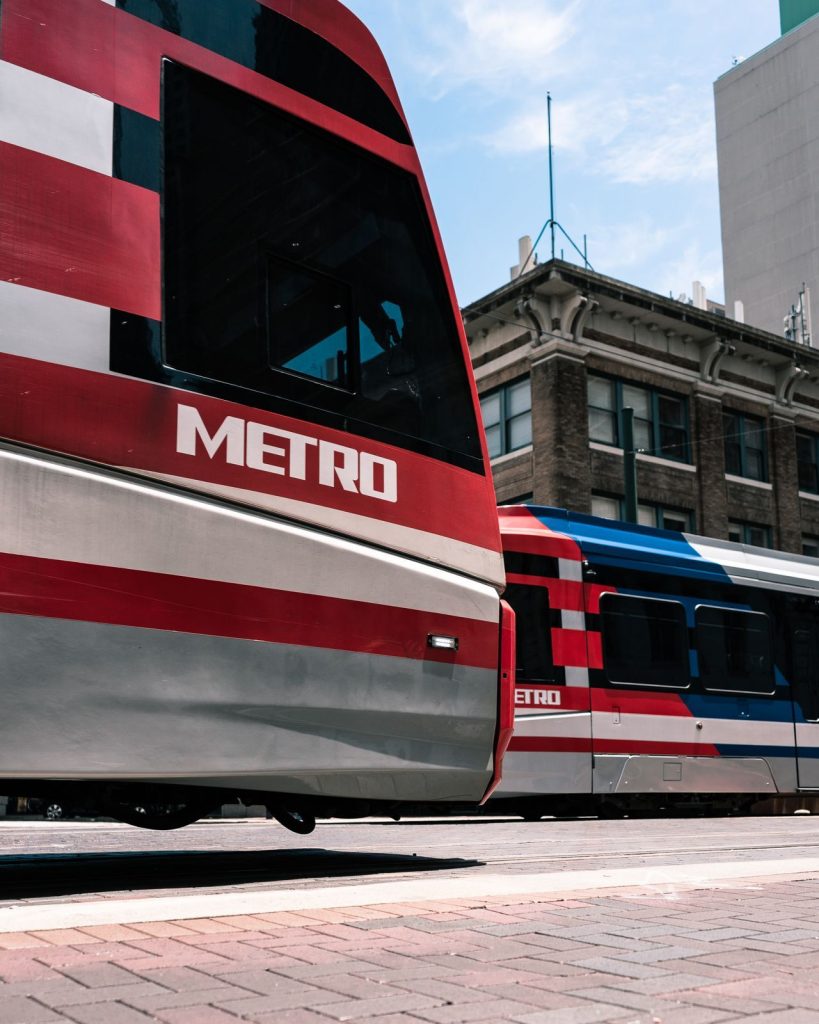
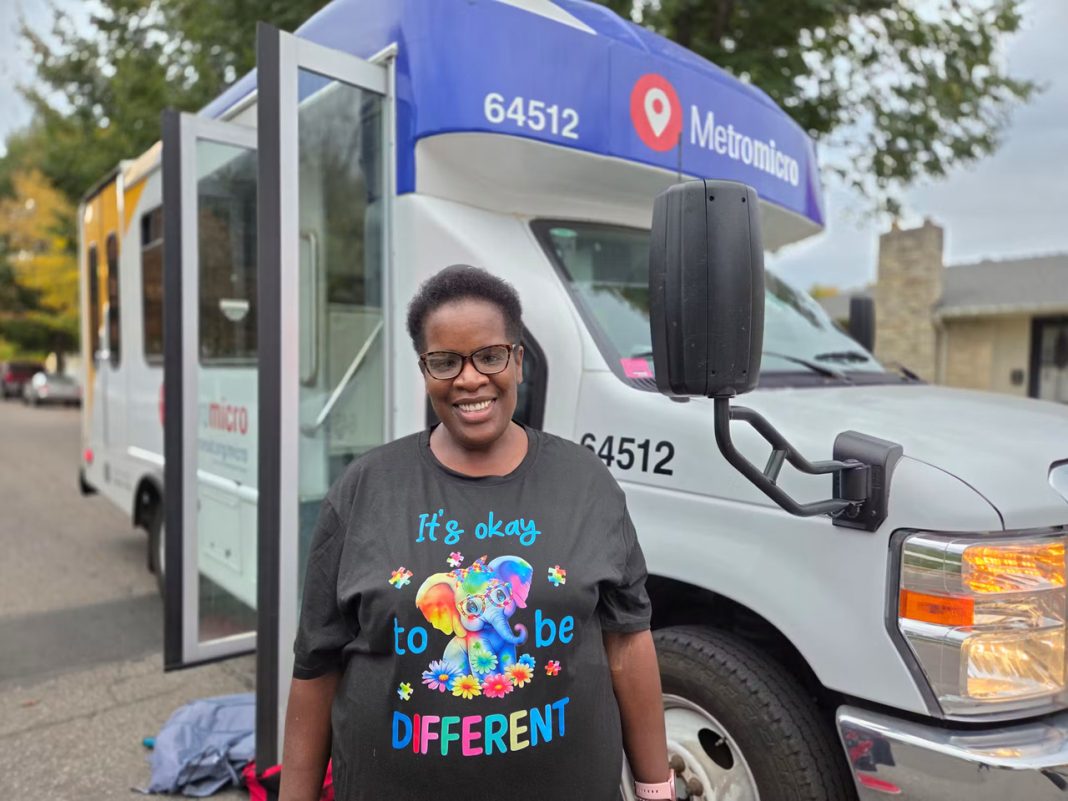
The real value of an on-demand transit service often becomes clear when it helps people complete journeys that would otherwise be difficult or inconvenient. Metro Micro is intended partly to solve the first-mile and last-mile problem, a common public transportation challenge in which passengers struggle to get between their homes or final destinations and a regular transit route. In Brooklyn Park, riders can use the service to reach locations such as the Starlite Transit Center and Noble Park & Ride, as well as local or express bus routes within the service area. The service can also support everyday activities such as grocery shopping and visiting retailers. Yolanda Brown, a Minneapolis resident who has neuropathy and cannot walk long distances, described using Metro Micro after taking fixed-route transit to the Starlite Transit Center. From there, she uses the service to reach Walmart and other retailers for shopping and errands. Her experience illustrates how a relatively short connecting ride can make a meaningful difference for someone who finds long walks difficult. By linking transit centers with nearby destinations, Metro Micro can make existing public transportation more practical for a wider range of riders.