Downtown Minneapolis sounded different over the weekend. It was louder, more communal and unmistakably purple.
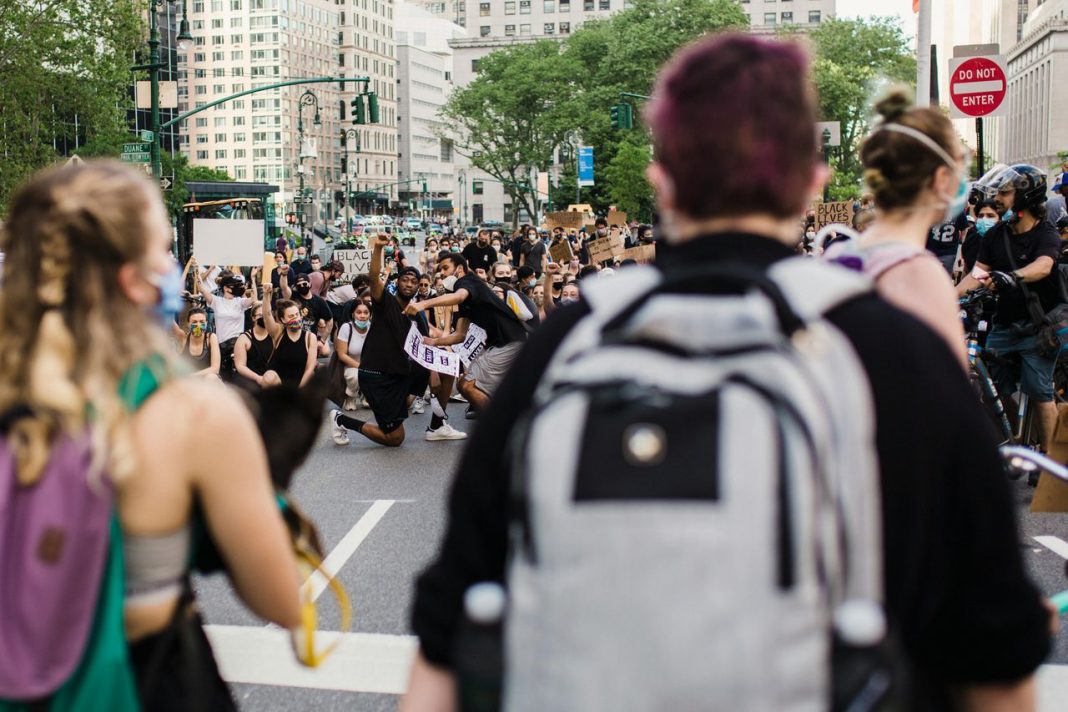
As part of the city’s Prince Celebration, crowds filled the downtown core for a public sing-along and block party that transformed a familiar stretch of Minneapolis into a living tribute to its most iconic musical figure.
A downtown gathering built around Prince’s voice and Minneapolis pride
The marquee event took place Saturday, June 6, in downtown Minneapolis near the large Prince mural at 101 N. 9th St., where organizers staged a free, all-ages block party and a two-hour community sing-along. According to Meet Minneapolis and local coverage from MPR News, the gathering was designed as a first-of-its-kind downtown centerpiece for Prince Celebration 2026, extending public access beyond the traditional programming at Paisley Park in Chanhassen. The sing-along itself was scheduled from 4:30 p.m. to 6:30 p.m., while the broader block party ran from 2 p.m. to 10 p.m., giving fans an extended window to gather, listen, dance and reconnect with the artist’s catalog.
The timing gave the event additional emotional force. The celebration landed on the eve of what would have been Prince’s 68th birthday, and during the 10th anniversary year of the annual Celebration of Life programming tied to his legacy. Organizers and city leaders framed the downtown event not simply as a concert-style attraction, but as a civic expression of remembrance. That framing mattered in Minneapolis, where Prince was never just a global star who happened to come from Minnesota. He remained inseparable from the city’s identity, from First Avenue and downtown nightlife to the visual language, mythology and self-confidence he helped project to the world.
Reports ahead of the event noted that officials and organizers drew inspiration from the spontaneous street gatherings that followed Prince’s death in April 2016, when grieving fans turned downtown into an open-air chorus. This year’s formal sing-along echoed that memory while giving it shape, production and scale. Mayor Jacob Frey, Prince estate representatives and downtown partners promoted the gathering as a way to invite the broader public into the annual celebration, especially those who might not attend the ticketed portions at Paisley Park. In that sense, the block party served as both homage and access point, connecting longtime devotees, casual fans and curious visitors through songs almost everyone seemed to know by heart.
Music, spectacle and shared memory turned the block party into an event
What distinguished the downtown celebration was its mix of festival atmosphere and collective participation. This was not a conventional concert with a fixed divide between performers and audience. Coverage leading into the weekend described a daylong event built around a giant public sing-along, supported by live performances, DJs and appearances from artists connected to Prince’s musical orbit. Bring Me The News reported that the lineup included CeeLo Green and Kris Kollins, adding contemporary star power and local credibility to a program intended to keep the crowd engaged before and after the mass vocal tribute.
The setting amplified the symbolism. Holding the event in front of the seven-story Prince mural gave the celebration a built-in visual anchor, turning one of downtown’s most recognizable pieces of public art into a backdrop for communal performance. MPR News documented scenes from the day that captured the pageantry of the crowd, including fans dressed in Prince-inspired style and a white dove puppet moving through the audience. Those details mattered because Prince celebrations in Minneapolis are rarely only about songs. They also draw on fashion, theatricality, spirituality and the sense that spectators should become participants rather than remain on the sidelines.
That dynamic helps explain why the sing-along concept resonated so strongly. Star Tribune reporting described the event as a “city-sponsored love letter” to Prince’s music, collaborators, family, fans and community, while also noting the inspiration organizers took from mass public singing traditions elsewhere. The design encouraged people to do more than cheer from the curb; it asked them to contribute. In practical terms, that created an unusually democratic music event. In cultural terms, it fit Prince’s Minneapolis legacy, which has long combined virtuosity with deep local belonging. The result was a block party that functioned as performance, memorial and neighborhood-scale cultural ritual all at once, with downtown streets briefly recast as a shared stage.
Why the Prince Celebration still matters to Minneapolis
The block party’s significance went beyond a successful weekend turnout. It underscored how Prince remains one of the clearest through-lines in Minneapolis’ cultural identity, economic storytelling and civic image. Prince Celebration 2026 ran June 3 through June 7 across Paisley Park and downtown Minneapolis, according to event organizers, with public programming ranging from major concerts to city events. By adding a free downtown anchor, organizers broadened the reach of a celebration that can otherwise feel centered on destination programming. That matters for a city still intent on using arts, public space and signature events to draw residents and visitors back into the urban core.
There is also a practical lesson in the event’s design. Downtown activation works best when it feels authentic to place, and few themes are more authentically Minneapolis than Prince. Rather than importing a generic festival concept, the city and its partners leaned into an artist whose story is inseparable from local streets, clubs and creative institutions. The result was a gathering with built-in emotional intelligence. Visitors were not simply attending another summer event; they were stepping into a tribute that could only fully make sense in Minneapolis, where Prince’s influence still shapes tourism, music history and neighborhood memory.
For residents, that kind of event can have a quieter but equally important effect. It reminds a city of what it shares. The Prince sing-along and block party brought together multiple generations, from fans who remember Prince’s rise in the late 1970s and 1980s to younger attendees who know him through recordings, murals and inherited lore. In a fragmented media landscape, there are few cultural figures left who can produce that kind of broad, joyful consensus in public. Over the weekend, downtown Minneapolis proved that Prince remains one of them. The city did not just host a party in his honor. For a few hours, it sounded like it still knew exactly how to sing with him.