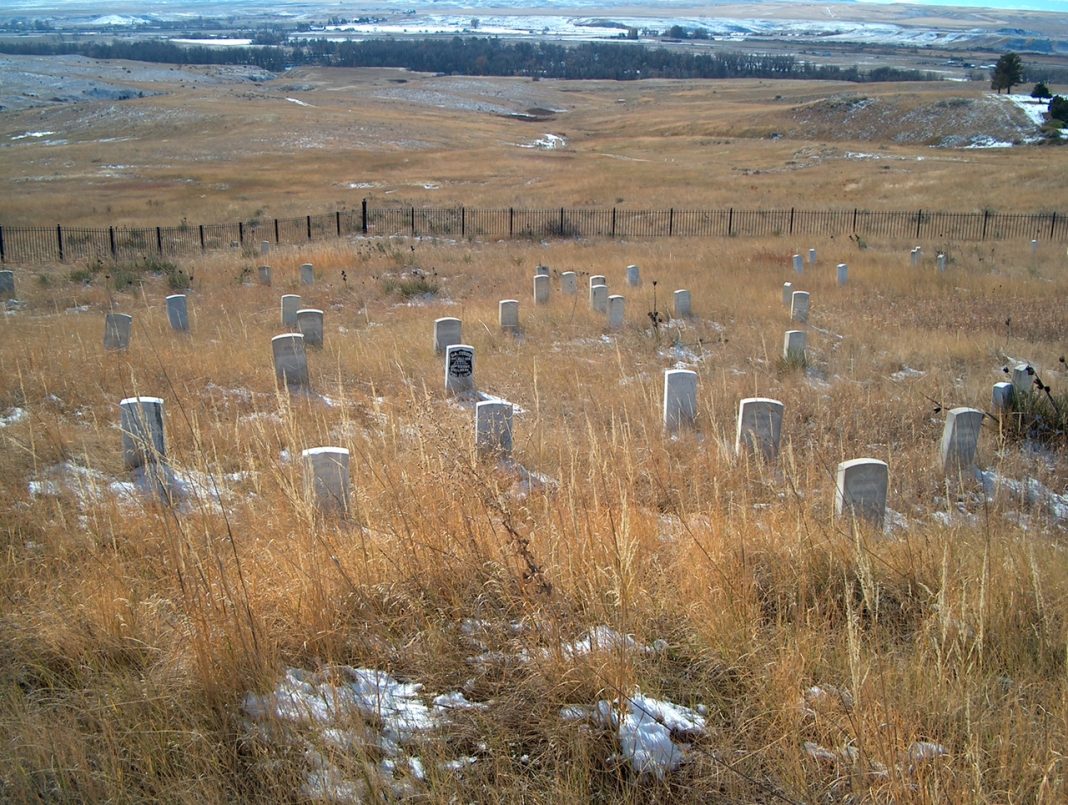

More than 40 years after a gravestone disappeared from Little Bighorn Battlefield, the historic marker has finally made its way back to the Montana site. The FBI recovered the stone after an investigation that began with information provided to federal park investigators in 2025. The marker, which represents an unknown U.S. Army 7th Cavalry soldier, was formally returned to the National Park Service in September 2026, restoring another piece of the battlefield’s memorial landscape.
The Gravestone’s Long Journey Home
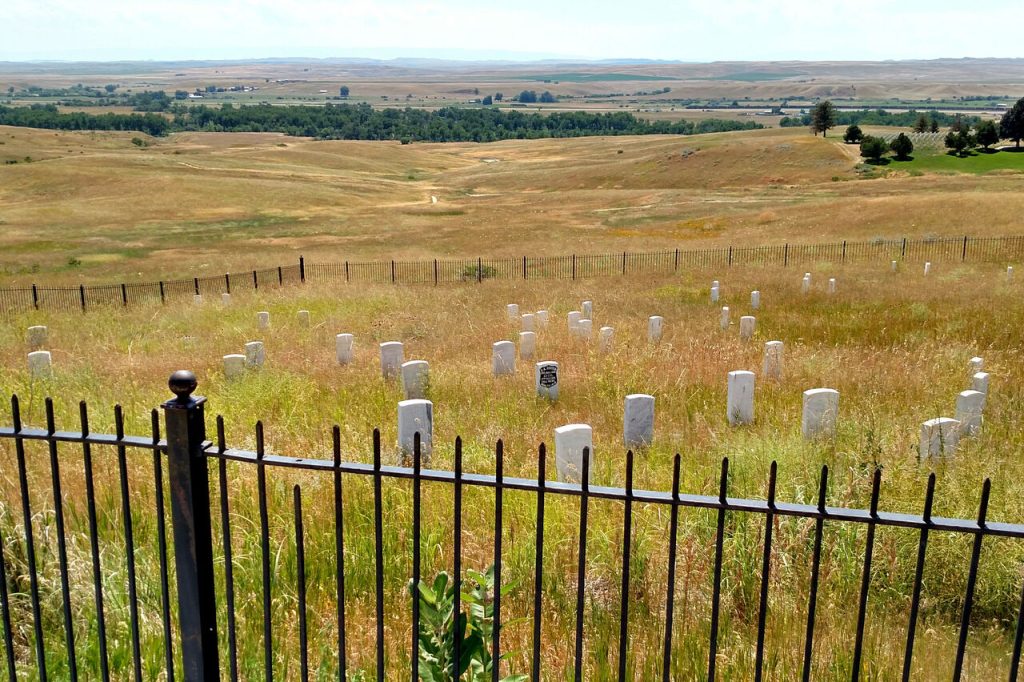
More than four decades after it was believed to have disappeared from Little Bighorn Battlefield National Monument, a grave marker for an unknown U.S. Army 7th Cavalry soldier has returned to the site. The FBI formally transferred the marker to the National Park Service during a September 29, 2026, ceremony at Little Bighorn. The event included military honors and brought together the FBI, National Park Service, U.S. Army and community partners. The marker is now back in the care of the site where the unknown soldier it represents is remembered.
How the Missing Marker Was Found
The marker’s trail eventually led investigators to an unexpected place: inside the wall of an old home in Libby, Montana. According to the FBI, the stone had been hidden there during a renovation. The former homeowner had died, and another person who received the marker with the intention of arranging its return also died before that could happen. The discovery therefore did not immediately result in the marker going back to Little Bighorn. It took additional investigation and cooperation before federal authorities were able to take custody of it.
The FBI’s Investigation Began in 2025
The recovery effort gained momentum in July 2025, when an FBI Art Crime Team member assigned to the Billings Field Office received information from the National Park Service’s Investigative Services Branch about a possible stolen marker. Investigators followed that lead and determined that the grave marker had been hidden inside the wall of the Libby home. By December 2025, the FBI had taken custody of the marker with assistance from American Legion Austin Reedy Post 97 in Libby. That allowed the agencies and partners involved to begin arranging its eventual return to Little Bighorn.
What the Returned Marker Reveals
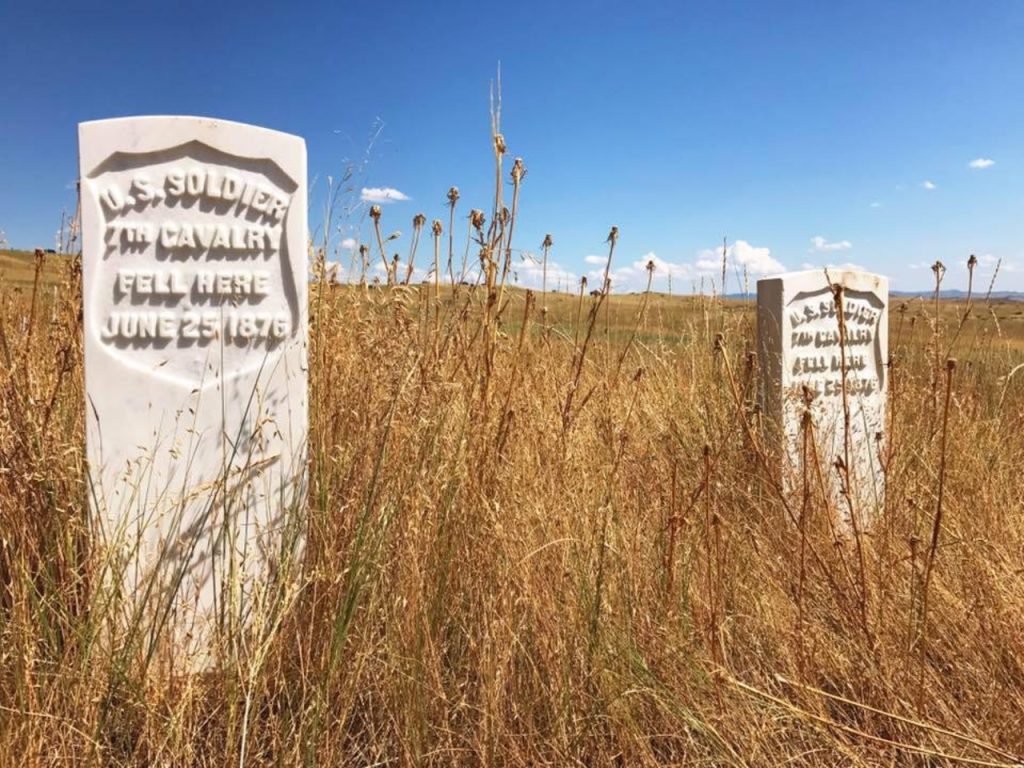
The stone represents an unknown member of the 7th U.S. Cavalry, making its return significant beyond the physical object itself. The National Park Service explains that more than 240 white marble markers were installed in 1890 at the locations of fallen 7th Cavalry soldiers. The battlefield’s memorial landscape therefore contains individual markers that help identify and remember soldiers whose remains were associated with the 1876 battle. The returned marker restores one of those tangible pieces of the site’s history after decades away from the battlefield.
Little Bighorn’s Memorial Landscape
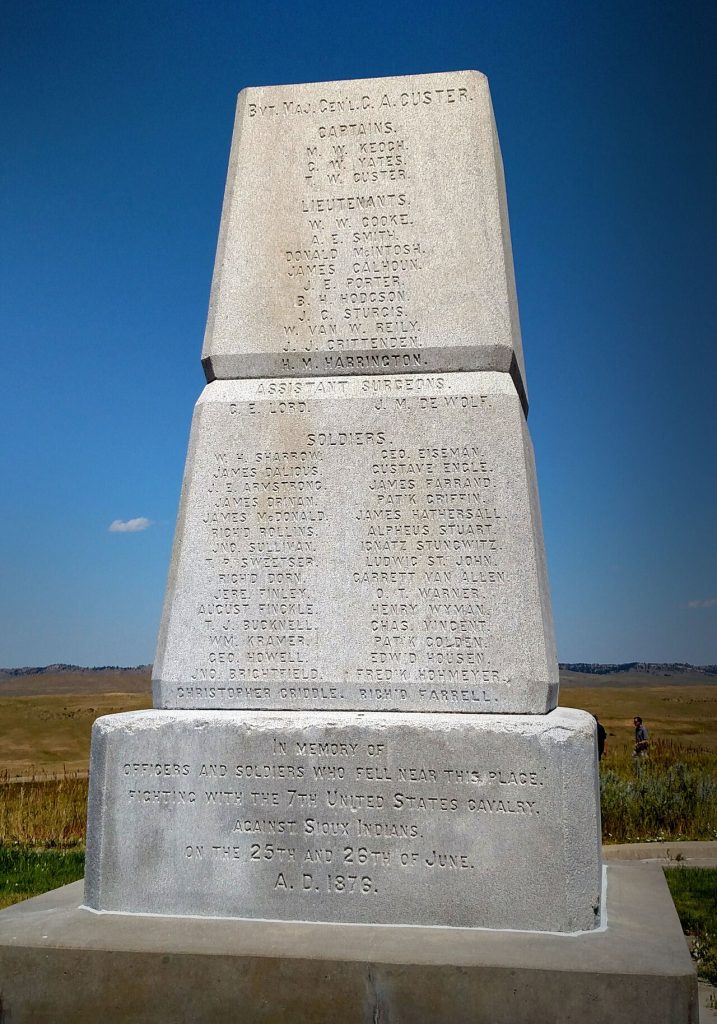
Little Bighorn is preserved as a place of remembrance for the people and communities connected to the June 25 and 26, 1876, battle. The National Park Service describes the site as a place to honor and reflect on the sacrifices made there, including those of Lakota, Cheyenne and Arapaho warriors as well as U.S. Army personnel. The 7th Cavalry Memorial was erected on Last Stand Hill in 1881, while the Indian Memorial was dedicated in 2003 to honor the tribes that participated in the battle. The returned marker now becomes part of that broader historic landscape.
Another Missing Marker Remains Unaccounted For
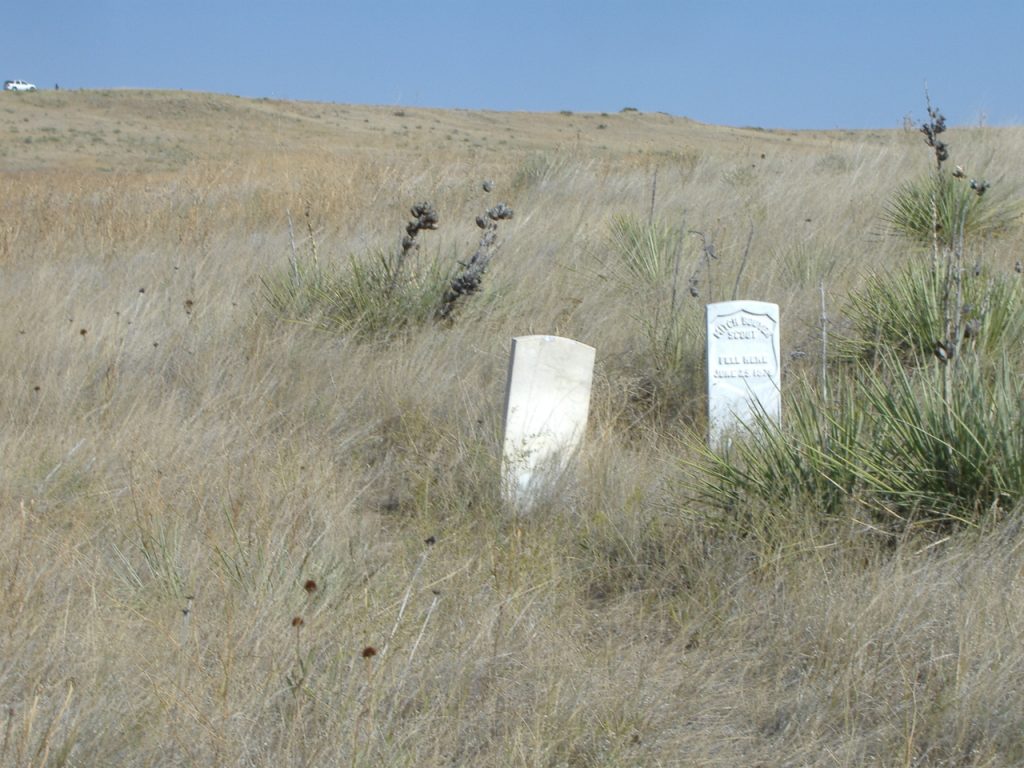
The recovery does not close the investigation into every missing marker from Little Bighorn. The FBI says another stolen marker from the site is still missing and is asking anyone with relevant information to come forward. The agency’s request also illustrates why information about historic objects can remain useful long after an apparent theft. The recovered marker itself had been separated from the battlefield for decades before investigators were able to identify its whereabouts and arrange its return. The FBI and National Park Service continue to rely on information from the public when investigating missing cultural and historic resources.