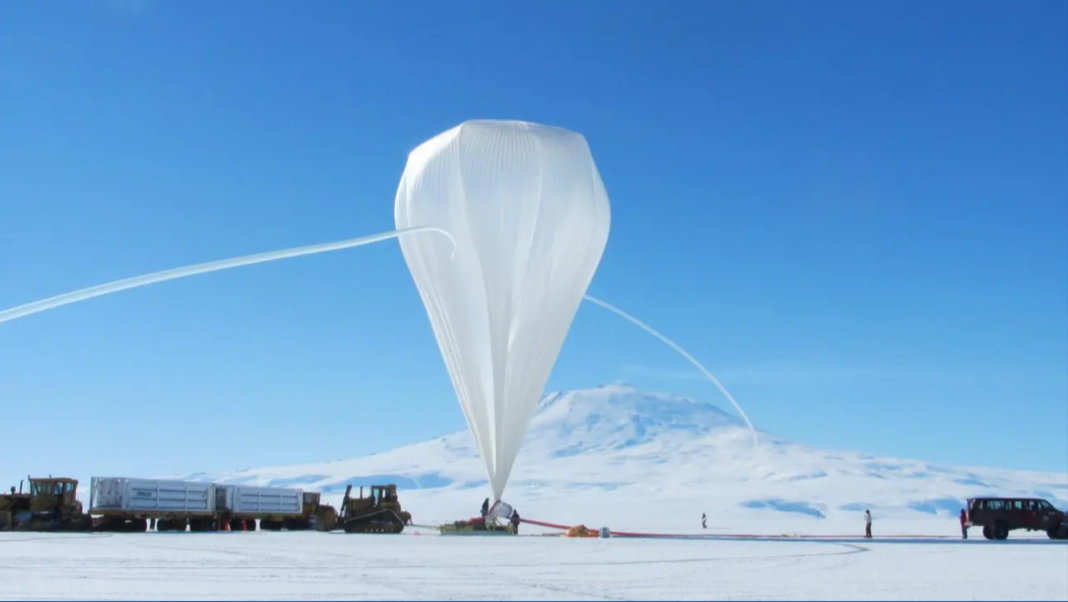

A NASA balloon flight over New Mexico recently climbed to an altitude of about 105,900 feet, but the mission was about much more than reaching the edge of space. The Mullenax Test Flight brought together operational training, hardware testing, university research, student-built experiments and experimental technology on a single high-altitude platform. The flight also gave NASA teams a practical opportunity to work with equipment and procedures under real flight conditions. From meteorology and rigging operations to smart-camera technology and academic payloads, the mission offered a glimpse into how scientific balloon flights can support both research and preparation for future missions.
Training Meteorology Personnel
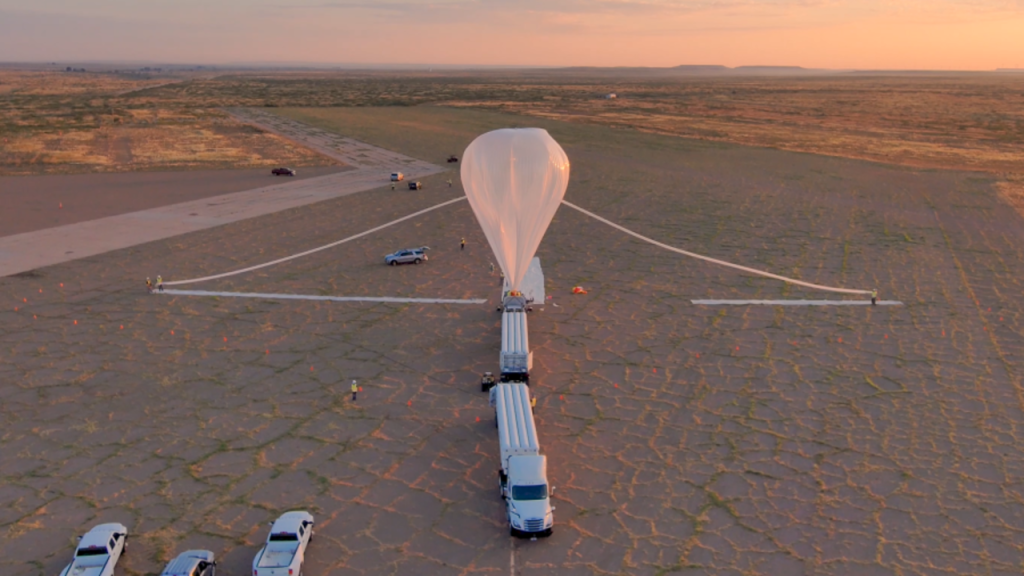
A balloon flight is also a chance to train the people who make these missions possible on the ground. NASA says the Mullenax Test Flight was used as a training and hardware-testing platform for meteorology personnel. That work is important because balloon missions depend heavily on understanding atmospheric conditions before and during flight. Teams need to monitor conditions such as winds and use that information as part of flight operations. The Mullenax mission therefore gave personnel an opportunity to work with the actual systems and procedures used during a scientific balloon flight rather than relying only on classroom or simulated training. NASA launched the balloon from Fort Sumner, New Mexico, on Sept. 28, 2026, and the payload eventually reached a float altitude of about 105,900 feet.
Testing Balloon Rigging Operations
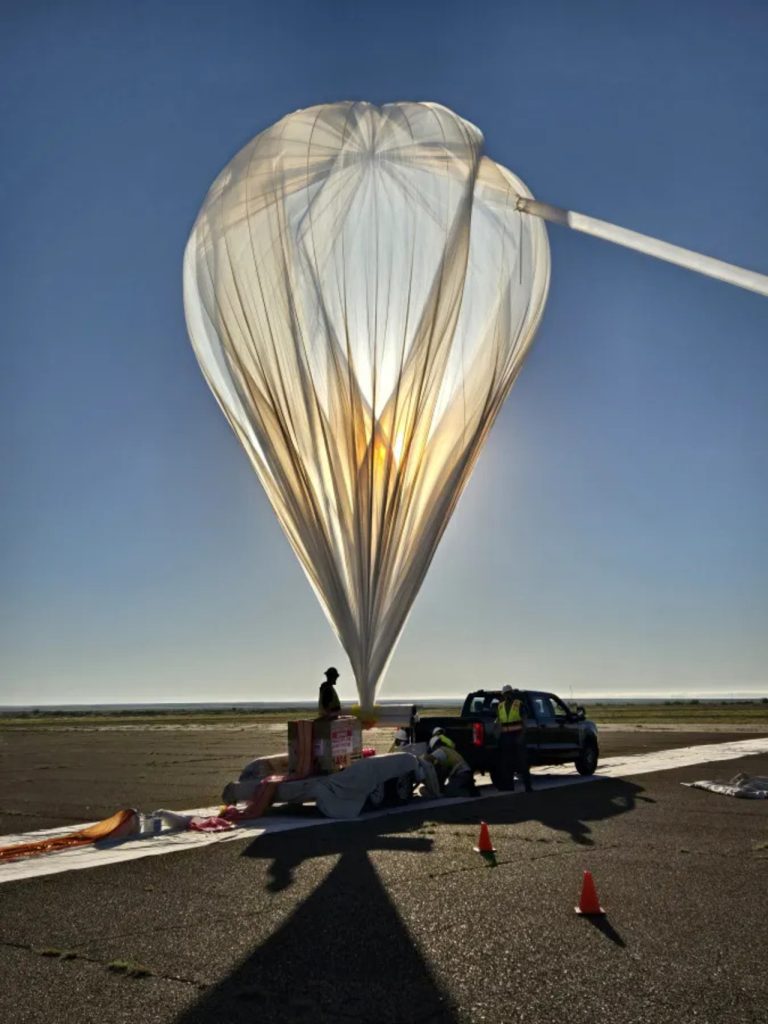
The hardware hanging beneath a scientific balloon has to be prepared and secured carefully, making rigging an important part of the operation. NASA specifically identified the Mullenax Test Flight as a training and hardware-testing platform for rigging personnel. These teams work with the equipment and connections that support the payload during launch, ascent and flight. A dedicated test flight provides an opportunity to work with real mission hardware and operating procedures in conditions that closely resemble an actual scientific balloon mission. That makes the flight useful beyond the experiments it carries. The Mullenax balloon and payload climbed to approximately 105,900 feet and remained airborne for 10 hours and 14 minutes, giving the team a substantial period in which to conduct the mission and exercise its systems.
University Science Projects
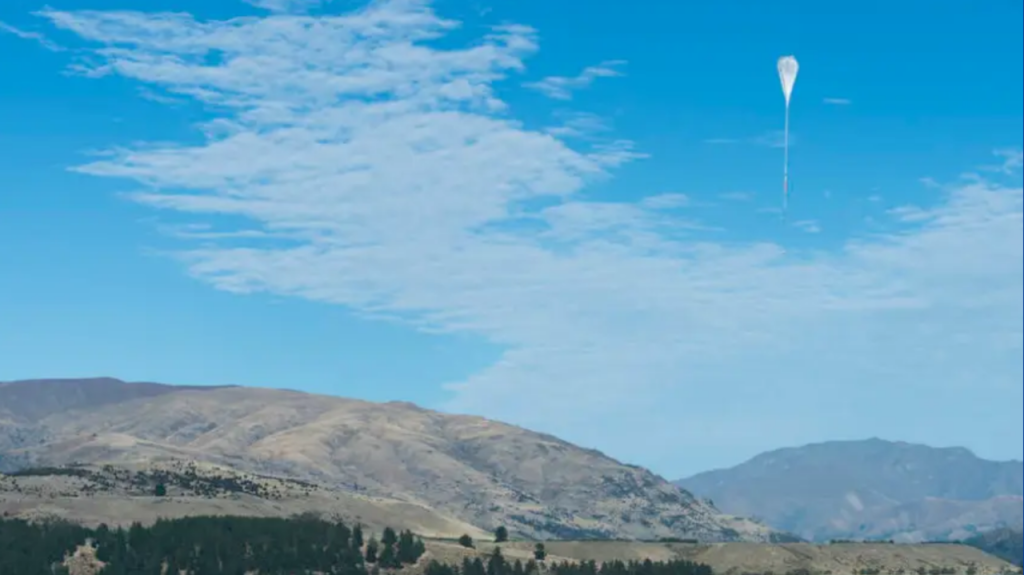
The Mullenax flight was not simply a test of NASA’s operational capabilities. It also carried university science projects, putting research developed outside NASA onto a high-altitude balloon platform. Scientific balloons give researchers access to the stratosphere without requiring the cost or complexity of an orbital launch. NASA’s 2026 Fort Sumner campaign includes scientific experiments, technology demonstrations and student payloads, with the balloon environment providing a way to evaluate instruments and experiments at altitudes far above ordinary aircraft. The Mullenax mission was part of that broader approach, combining operational training and hardware testing with research payloads. At its peak, the balloon and payload reached about 105,900 feet, placing the university projects in the stratospheric environment for the flight.
Student-Built Experiments
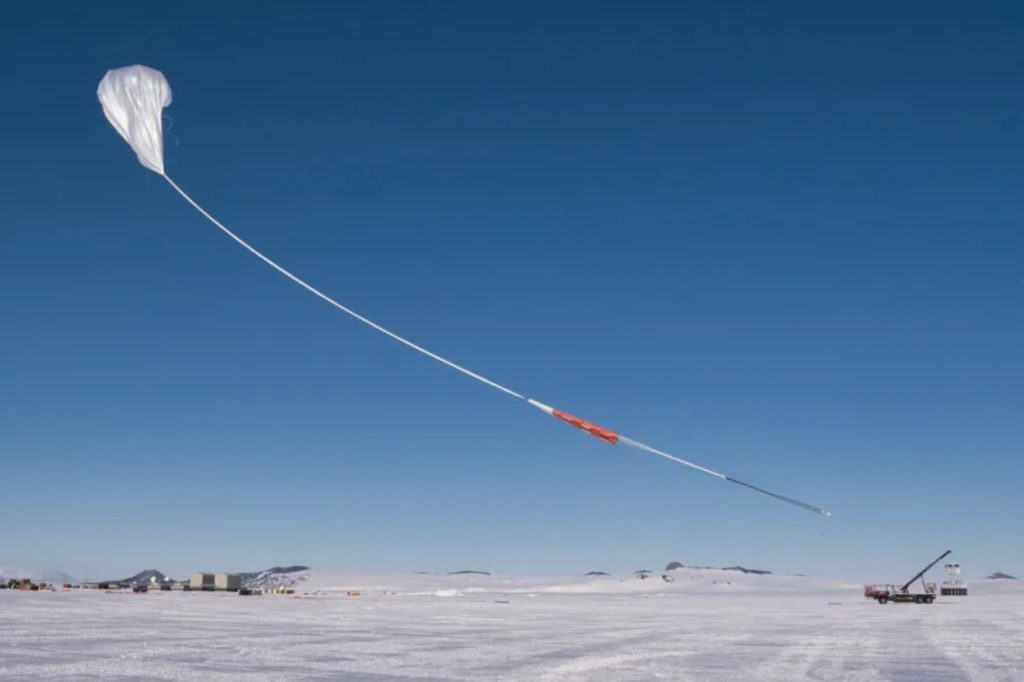
For students, getting an experiment onto a NASA balloon turns an academic project into a real flight mission. NASA’s 2026 campaign includes student-built science projects, continuing a program that has given university teams opportunities to develop and fly experimental payloads. NASA says the High-Altitude Student Platform reached its 20th flight this year, with more than 1,900 students from about 25 institutions having participated over two decades. Seventeen student teams were scheduled to fly payloads during the 2026 campaign, with their projects serving as prototypes for future CubeSats or larger payloads. The Mullenax Test Flight was one of the campaign’s missions carrying student and university work, alongside its training and hardware-testing duties.
Experimental Smart-Camera Technology
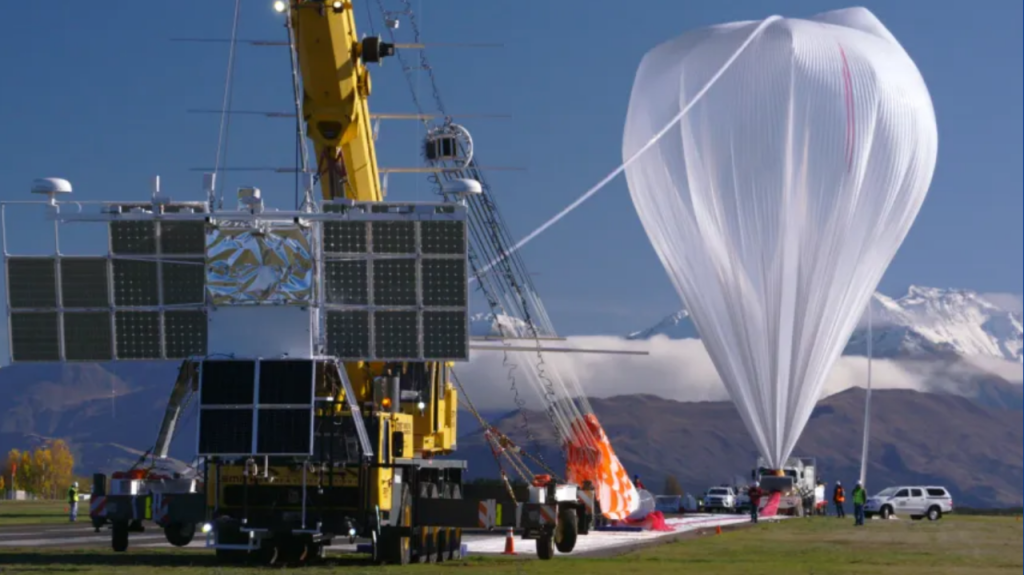
One of the more technology-focused elements aboard the Mullenax flight was experimental smart-camera technology. NASA included the smart-camera system among the payloads flown on the mission, alongside university and student-built science projects. The significance is that scientific balloon flights can provide a relatively accessible environment for testing new hardware before it is considered for more demanding missions. NASA’s broader balloon program routinely uses high-altitude flights for technology demonstrations and secondary experiments, sometimes allowing several instruments to fly together. The Mullenax mission followed that model while also serving as a training and hardware-testing flight. The balloon ultimately reached around 105,900 feet, providing the technology with exposure to the high-altitude environment during a real NASA flight.
High-Altitude Flight Hardware
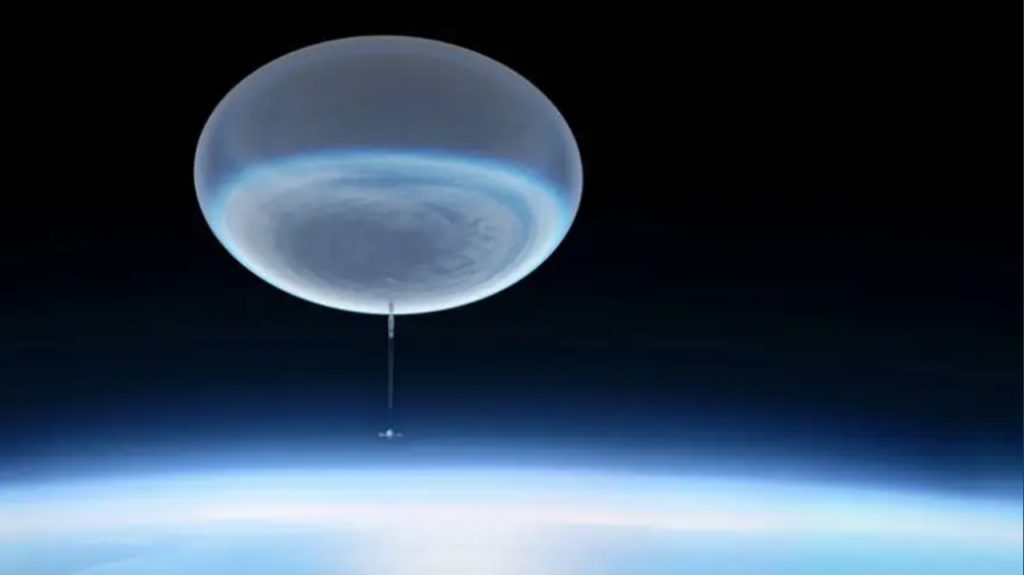
The flight itself was a useful test of equipment because scientific balloon payloads have to operate in a very different environment from equipment used at ground level. NASA’s Fort Sumner campaign uses zero-pressure balloons, which maintain thermal equilibrium with their surroundings and allow gas to escape through ducts as the balloon rises. That design is well suited to short domestic scientific flights. The Mullenax Test Flight reached approximately 105,900 feet, an altitude in the stratosphere and far above the vast majority of Earth’s atmosphere. NASA reported that the balloon and payload stayed airborne for 10 hours and 14 minutes. That combination of altitude and flight duration gave the mission a practical setting for testing hardware and procedures while also supporting its university, student and smart-camera payloads.