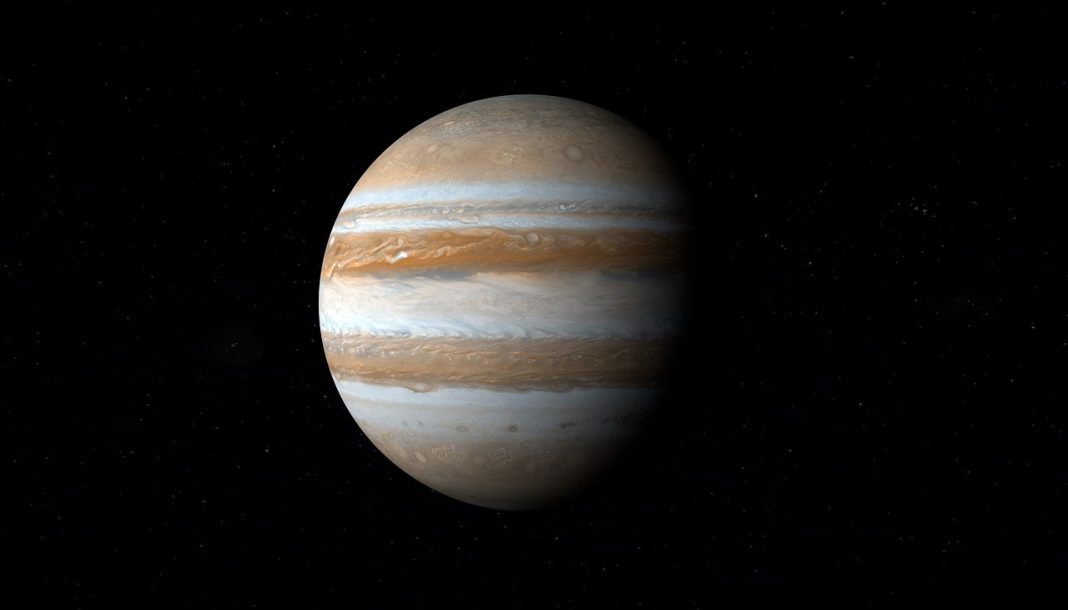

A rare celestial alignment is giving early-rising skywatchers a reason to look up. Before sunrise on Oct. 6, the Moon will pass directly in front of Jupiter, briefly hiding the giant planet from view. The event, known as a lunar occultation, will be visible across much of North America, though the exact timing will vary by location. With a thin crescent Moon, bright Jupiter, and potentially even Jupiter’s moons visible through binoculars, the pre-dawn sky could offer a memorable show.
The Moon Will Briefly Hide Jupiter
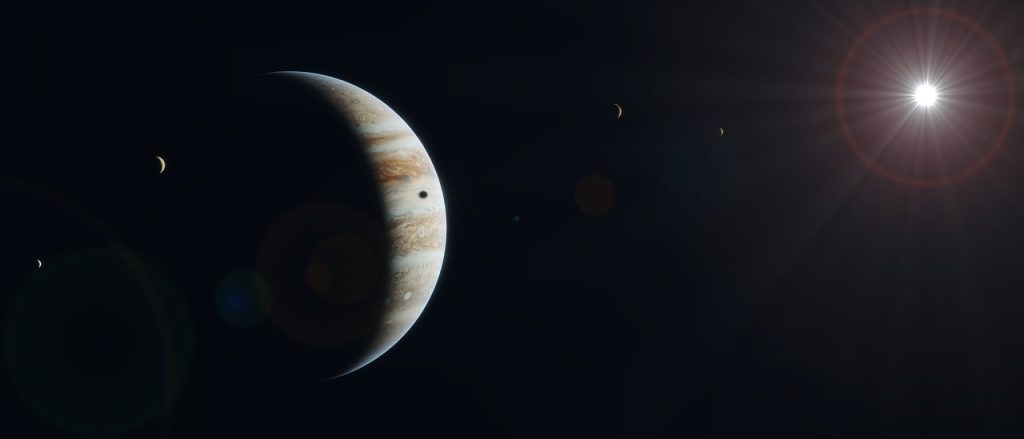
For a short stretch before sunrise on Tuesday, Oct. 6, the Moon will create an unusual celestial disappearing act. As seen from Earth, the Moon will pass in front of Jupiter and block the planet from view. Astronomers call this a lunar occultation. Jupiter will first appear as a bright, star-like point near the thin crescent Moon, then slip behind the lunar disk and disappear for about an hour before becoming visible again. The event is caused entirely by the alignment of the two objects from our perspective, not by any change in Jupiter itself.
Most of North America Has a Chance to See It

This isn’t an event restricted to a single U.S. location. NASA says most of North America will have an opportunity to watch the Moon pass in front of Jupiter, although the exact appearance will depend on where an observer is located. The timing and position of the Moon and Jupiter across the sky shift from place to place, so the moment Jupiter disappears will not be identical everywhere. That makes local viewing information particularly useful for anyone hoping to catch the brief alignment.
The Best Time Comes Before Sunrise
The timing is one of the biggest factors for anyone hoping to see Jupiter vanish. NASA places the event in the early pre-dawn hours of Tuesday, Oct. 6, with the occultation beginning around 4 a.m. EDT. Because that is an approximate time and the celestial alignment moves across the sky, observers in different locations will see the event at different local times. It also means skywatchers should be outside and ready before the predicted disappearance rather than waiting until sunrise approaches.
A Thin Crescent Moon Creates the Disappearing Act
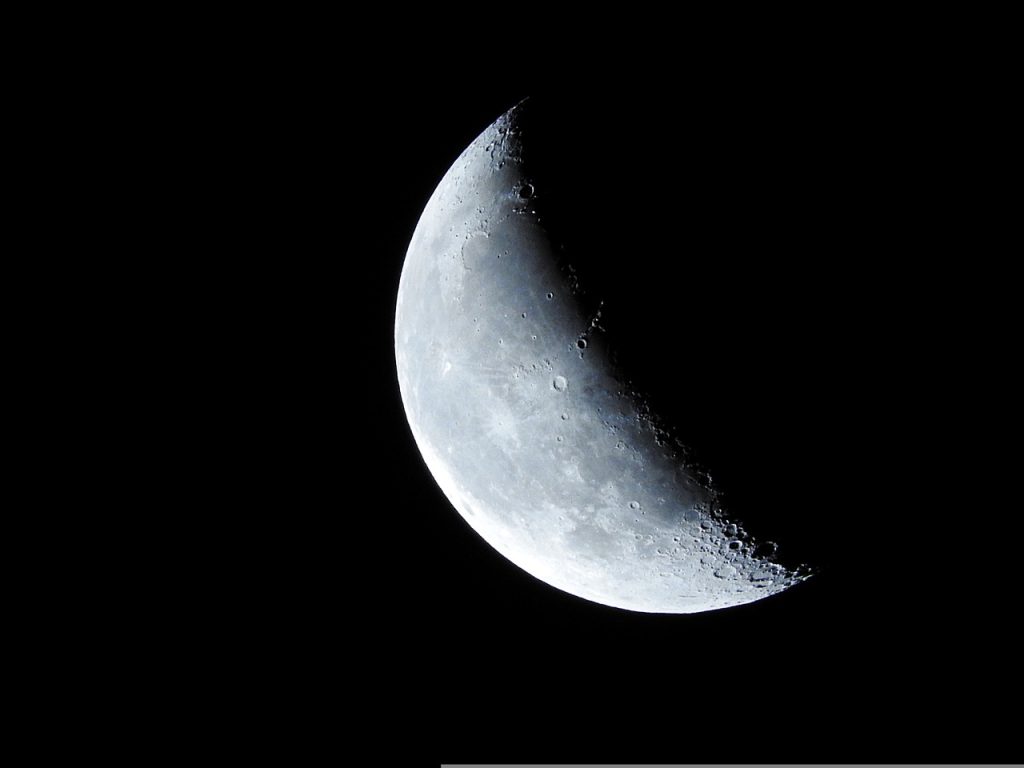
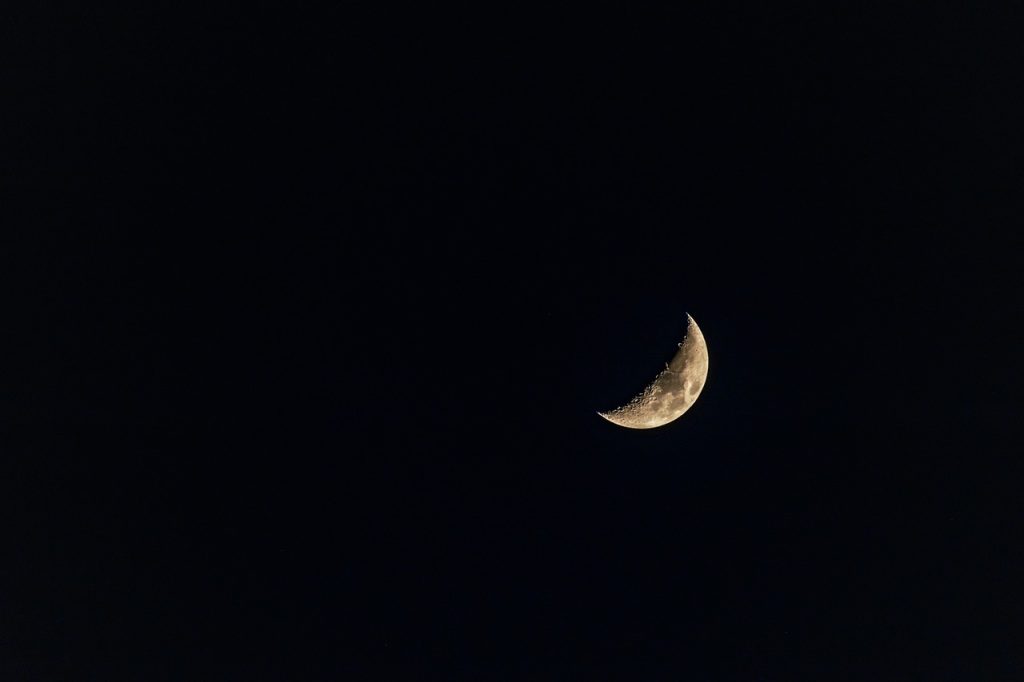
The Moon will not be full or especially bright during this encounter. Instead, Jupiter will slip behind a thin crescent Moon, making the contrast between the two objects particularly interesting to watch. An occultation happens when a nearer object appears to move across a more distant one from our viewpoint. Here, the Moon is relatively close to Earth while Jupiter is enormously farther away, so the Moon can temporarily cover Jupiter even though Jupiter is vastly larger than the Moon. Once the Moon moves past it, Jupiter reappears.
Binoculars Could Reveal Jupiter’s Moons Too

You don’t need a telescope to appreciate the main event. NASA says the Jupiter occultation can be observed with the unaided eye, provided the sky and viewing conditions cooperate. Binoculars can make the scene more interesting, however, because they may reveal some of Jupiter’s own moons disappearing and returning as the Moon moves across the planet. That adds another layer to the event: observers aren’t necessarily watching only Jupiter blink out, but potentially watching its surrounding moons participate in the same celestial hide-and-seek.