
For nearly a century, unusual pottery found around Florida’s Tampa Bay region has raised questions about where it came from and who made it. Its designs looked connected to the Mississippian world, yet the vessels appeared to have been produced locally. New analysis of the clay, minerals, construction methods and recycled pottery fragments is helping archaeologists piece together a much more intriguing explanation: skilled potters may have migrated south and carried their traditions with them.
Mississippian-Style Designs Created the Original Mystery
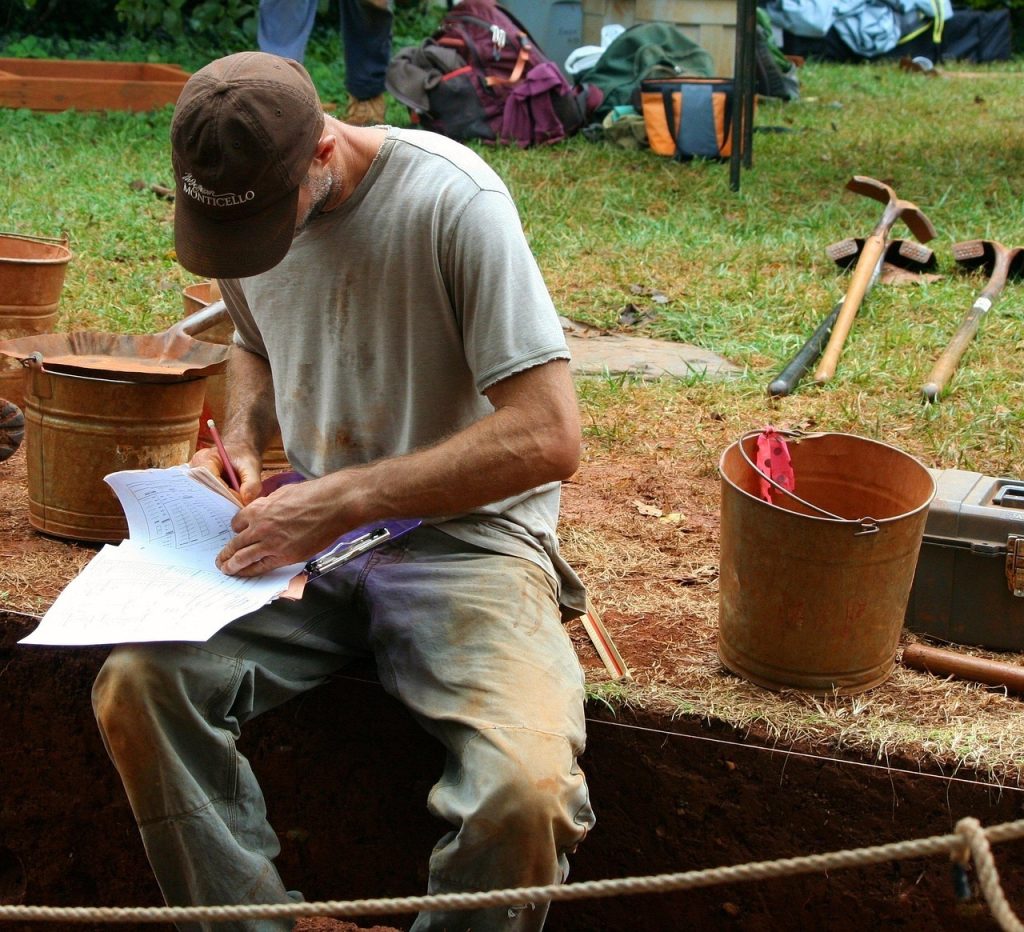
The mystery began with pottery fragments that looked out of place. Archaeologists working around Tampa Bay found vessels decorated in styles strongly associated with the Mississippian cultural tradition, which developed farther north around 1,000 A.D. Tampa Bay communities shared some features with Mississippian societies, including platform mounds and chiefdoms, but they did not adopt major elements such as large-scale maize agriculture. That unusual combination left researchers wondering whether the pottery had been traded into Florida, copied by local craftspeople, or made by people who had actually moved south from the Mississippian heartland.
Chemical Testing Showed the Pottery Was Made Locally

One of the biggest clues came from the clay itself. Researchers used neutron activation analysis to compare the chemical composition of the mysterious pottery with raw clay deposits from the Tampa Bay region. The compositions matched, showing that the vessels were made locally rather than being finished pots transported hundreds of miles from the Mississippian heartland. That finding eliminated a straightforward trade explanation, but it raised an even more interesting possibility: local clay may have been shaped by craftspeople who brought northern pottery traditions with them.
Grog Revealed a Pottery Tradition Not Seen in Local Vessels

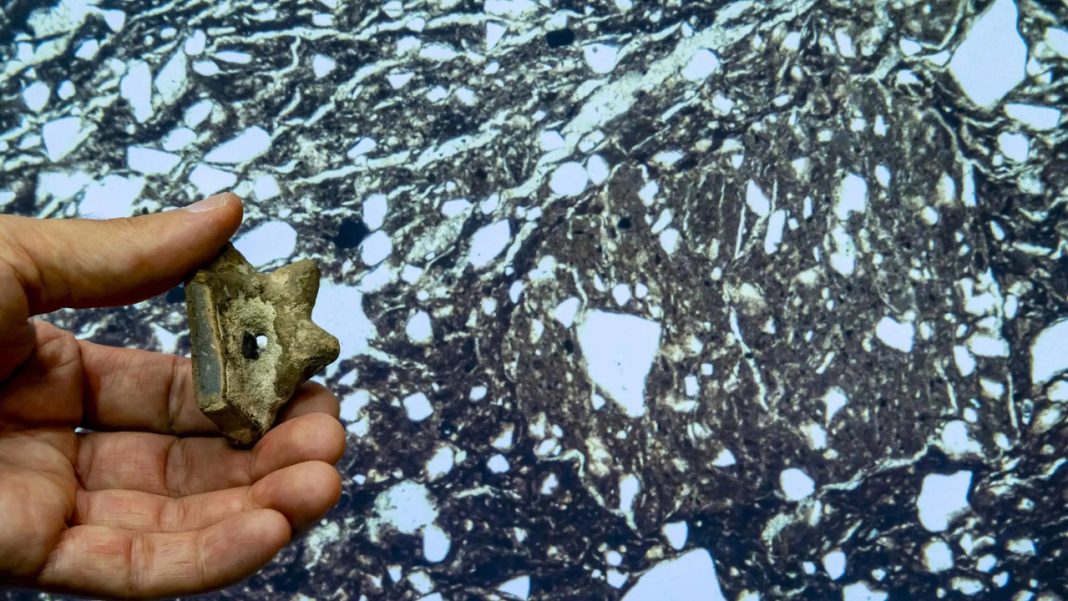
The pottery’s ingredients provided an even stronger connection to the north. Researchers found grog, or crushed fragments of older pottery, in 80% of the decorated pieces they examined, while none of the plain pottery contained it. Grog was a familiar tempering material among Mississippian potters and could strengthen vessels against the stresses of firing and cooking. Tampa Bay’s traditional potters instead commonly used sand or dry clay fragments. The sharp difference suggested that the decorated vessels were not simply local copies of northern designs.
Mica Linked the Pottery to Northern Florida
Tiny mineral particles offered another piece of the puzzle. Inside some of the grog used in the Tampa Bay pottery, researchers identified mica, a reflective silicate mineral common in the Florida Panhandle but unusual in peninsular Florida. The surrounding clay belonged to Tampa Bay, but some of the older pottery fragments mixed into that clay appear to have originated farther north. The Tallahassee Hills, home to the nearest major Mississippian mound center, are roughly 200 miles from Tampa Bay. That combination of local clay and northern material provides a physical clue that people, rather than finished pots, may have carried the tradition south.
Coiled Construction Pointed to Skilled Migrant Potters
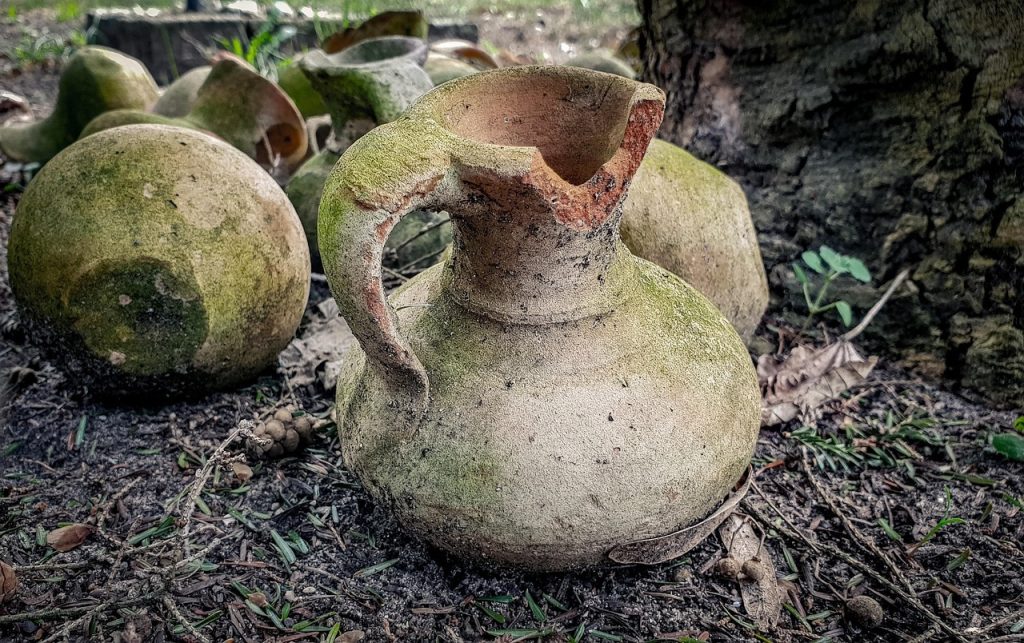
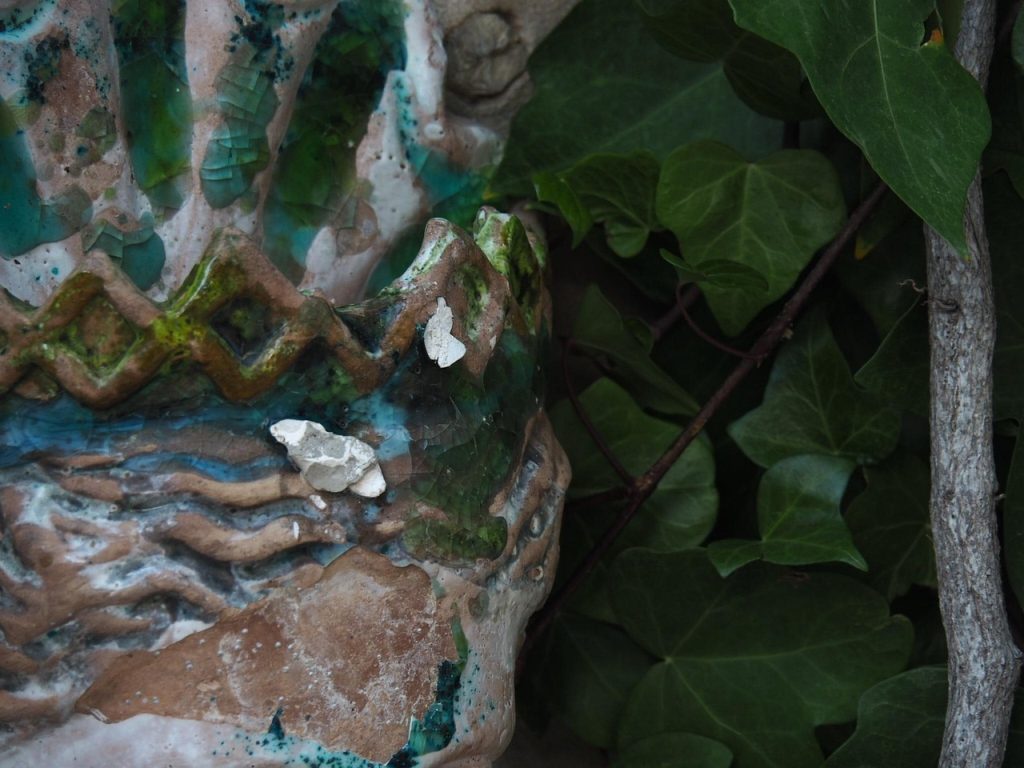
The way the vessels were built was just as revealing as what went into them. The decorated pottery was constructed by stacking coils of clay, a technique associated with Mississippian pottery production. Plain Tampa Bay vessels, by contrast, were molded using a simpler method that had become widespread locally. The decorated vessels also followed more consistent clay recipes, suggesting greater specialized knowledge. Taken together, the differences indicate that the people making the decorated pottery likely knew techniques that were not part of the ordinary local production system.
Older Homeland Pottery Was Folded Into New Vessels
Perhaps the most remarkable clue was hidden inside the grog itself. Every grog-tempered vessel examined contained what researchers call multigenerational grog. In simple terms, a piece of older pottery had been crushed into a new vessel, and some of those older fragments already contained even earlier pieces of pottery. This created a physical chain stretching across generations. The researchers believe migrant potters may have carried pottery from their northern homeland to Tampa Bay and repeatedly incorporated pieces of it into new vessels. The practice may have preserved a tangible connection to their origins long after they had settled in their new community.
Specialized Potters May Have Settled Into Tampa Bay Communities

All of the evidence comes together around a striking explanation: the decorated vessels were probably made locally by migrant craftspeople who had traveled south from the Mississippian heartland. Their knowledge appears to have remained concentrated within a relatively small group, while everyday pottery continued to follow local traditions. The specialized skills may even have helped the newcomers establish an important role in their adopted communities. Their pottery was distinctive, technically demanding and apparently made with access to higher-quality materials. Rather than simply showing that Tampa Bay traded with the Mississippian world, the evidence suggests that people carrying their knowledge, materials and traditions actually became part of the region’s communities.