

San Diego is known for its mild coastal weather, but an extraordinary October heat wave pushed temperatures into triple digits and shattered long-standing daily records. From a scorching 105°F high to an alarming rise in ambulance transports, the numbers reveal just how unusual the conditions became. Here are six figures that put the intensity and impact of San Diego’s October heat wave into perspective.
Six Straight Days of Temperatures Reaching 90°F or Higher

October usually brings some of San Diego’s warmest autumn days, but six consecutive days of temperatures reaching at least 90°F at the city’s international airport made this heat wave particularly unusual. According to the reported measurements, the streak came close to surpassing a record dating back to 1939. The prolonged heat was especially striking for a coastal city where cool ocean breezes typically help moderate temperatures. A strong ridge of high pressure over the Southwest, combined with offshore Santa Ana winds, pushed hot air toward the coast and weakened the usual cooling effect of the sea breeze. The extended stretch of extreme warmth highlighted how unusual weather patterns can temporarily overwhelm the conditions that normally keep San Diego relatively mild.
95°F Broke a Daily Temperature Record Set in 1945

A reading of 95°F on Friday, October 2, showed just how far temperatures had climbed beyond San Diego’s typical early-October conditions. The high surpassed the previous daily record of 94°F, established in 1945, making it a new record for that calendar date. The National Weather Service uses historical observations to compare each day’s temperature with previous readings, helping identify when current weather exceeds established extremes. San Diego’s normal high for early October is generally around the mid-70s, meaning the 95°F reading was roughly 20 degrees above the seasonal average. Such a large departure is particularly notable in a coastal community where the Pacific Ocean usually helps limit daytime heating. The record also marked an early sign that the developing heat wave was becoming more than an ordinary autumn warm spell.
105°F Set a New Daily Record on Saturday
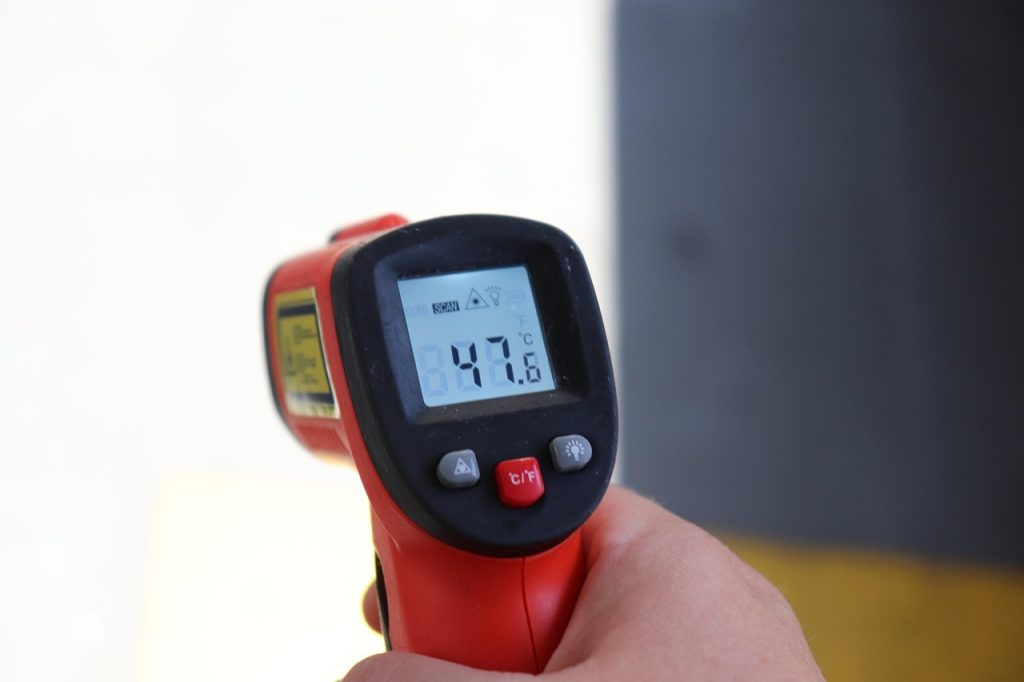
San Diego’s October heat wave reached an extraordinary level on Saturday, October 3, when the international airport recorded a high of 105°F. The temperature established a new daily record and demonstrated how intensely the heat had spread into an area normally known for its moderate coastal climate. Offshore Santa Ana winds played an important role by carrying hot, dry air toward the coast while suppressing the usual sea breeze. A strong area of high pressure over the Southwest added to the problem by supporting persistent heat across Southern California. Temperatures this high can place considerable stress on the body, particularly for people working outdoors, older adults, young children, and those without reliable access to air conditioning. The combination of exceptional daytime temperatures and unusually warm nights made the conditions even more challenging for residents trying to stay cool.
100°F on Sunday Extended the Record-Breaking Heat

Sunday, October 4, brought another milestone when San Diego International Airport reached 100°F, setting a new daily high-temperature record. The reading was particularly striking because it followed Saturday’s 105°F peak, showing that the heat was not easing after a single exceptionally hot afternoon. Consecutive days of extreme temperatures can create a cumulative health burden, especially when buildings, roads, and other surfaces retain heat after sunset. People who cannot cool their homes adequately may struggle to recover overnight, increasing the risk of heat-related illness. The airport’s readings also reflected a broader regional event, with communities across San Diego County experiencing unusually high temperatures. Although individual neighborhoods can differ considerably because of elevation, distance from the ocean, and local wind conditions, the repeated records showed how thoroughly the heat had affected the region.
97°F on Monday Tied a Record From 1971

Monday, October 5, delivered another reminder that San Diego’s heat wave was refusing to let up. The airport recorded a high of 97°F, matching the daily record established in 1971. Although the temperature was lower than Saturday’s 105°F peak, it remained far above what residents would normally expect in early October. The day also brought a record-high minimum temperature, meaning the overnight low was unusually warm as well. This distinction matters because nighttime cooling gives the human body and overheated buildings an opportunity to recover from daytime heat. When temperatures remain elevated after sunset, indoor spaces can stay uncomfortable, and people may have difficulty sleeping. The combination of a record-tying daytime high and an unusually warm night illustrated why forecasters and public safety officials were concerned about the duration of the event, not simply its highest temperature.
More Than 400 People Went to Hospitals by Ambulance on Saturday

The impact of the heat wave was visible beyond weather station readings. On Saturday, more than 400 people were transported to hospitals by ambulance in San Diego, a figure that was 36% higher than on the same Saturday the previous year, according to city data reported by Axios. The increase coincided with the most intense part of the heat wave, when temperatures at the airport reached 105°F. Although the comparison does not establish that every ambulance trip was caused by heat, local fire officials reported an increase in heat-related emergency calls over the weekend. Extreme heat can cause dehydration, heat exhaustion, and potentially life-threatening heatstroke, particularly among vulnerable residents. The figures underscore why officials encourage people to limit strenuous outdoor activity during extreme heat, drink water regularly, seek air-conditioned spaces, and check on neighbors who may be especially susceptible to heat-related illness.