

Travel between Mexico and the United States could become more convenient following a major change in aviation policy. On October 16, 2026, the U.S. lifted restrictions that had limited Mexican airlines’ ability to introduce new flights from Mexico City’s two major airports. The decision could open the door to additional routes, greater airline competition, and more choices for passengers. However, new flights and lower fares are not guaranteed, as carriers must still meet regulatory requirements and decide which routes to pursue. Here’s what travelers should know about the change and what it could mean for future trips.
Mexican Airlines Can Now Pursue New Routes to the United States
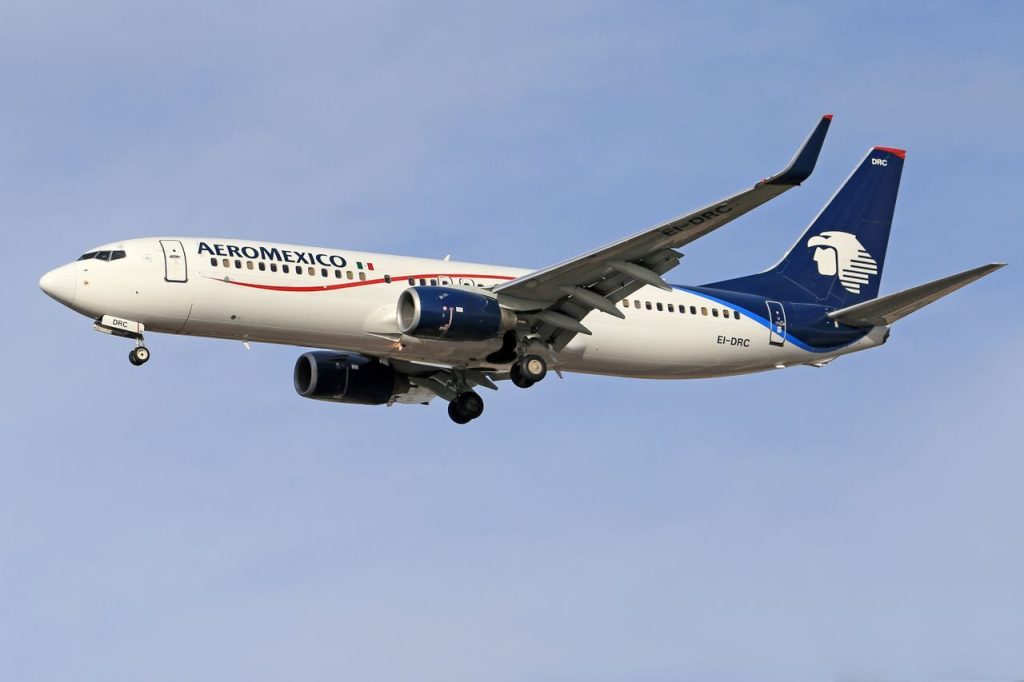
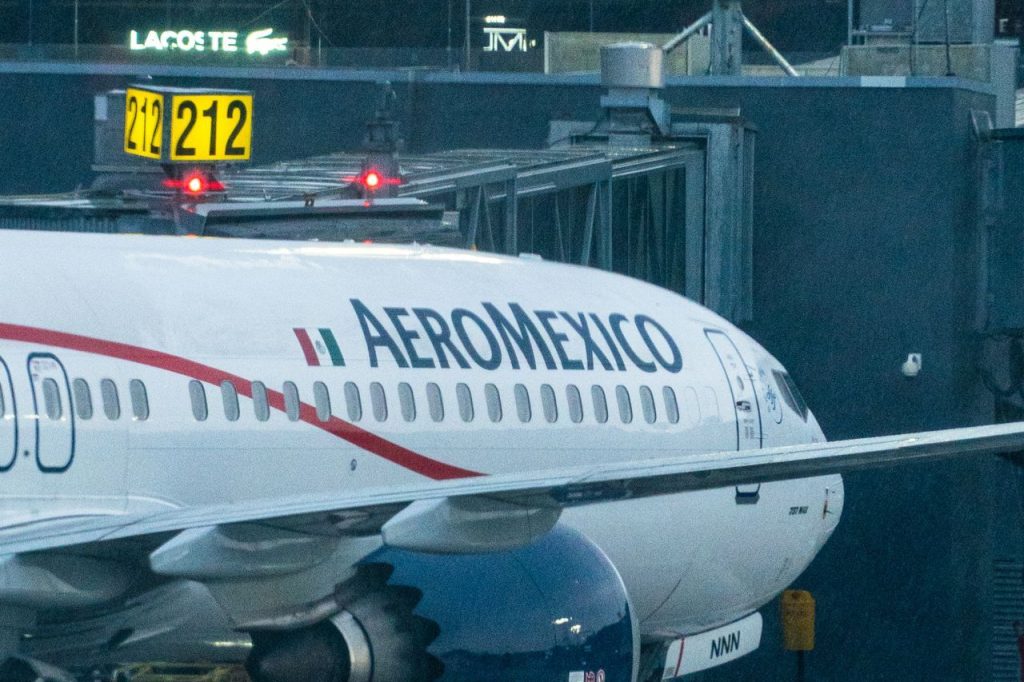
Travelers flying between Mexico and the United States could eventually have more options, thanks to a recent decision by the U.S. Department of Transportation. On October 16, 2026, the department lifted restrictions that had prevented Mexican airlines from launching new U.S. routes from Mexico City’s two international airports. The change removes an important barrier to expansion for Mexican carriers, including Aeroméxico and Viva. However, it does not mean that new flights will appear immediately. Airlines must still plan their routes, complete the required regulatory procedures, and decide which destinations make commercial sense. For travelers, the decision opens the door to potentially better connectivity, but actual improvements will depend on which services airlines introduce.
Both of Mexico City’s Major International Airports Are Included
Where you depart from Mexico City could become more important as airlines consider their next expansion plans. The decision covers both Benito Juárez International Airport, Mexico City’s long-established main airport, and Felipe Ángeles International Airport, commonly known as AIFA. Benito Juárez is the capital’s traditional aviation hub, while AIFA was developed to help accommodate the region’s growing air traffic needs. Previously, U.S. restrictions limited Mexican airlines’ ability to expand services from these airports. Lifting those restrictions gives carriers greater flexibility to consider new routes to American destinations from either location. Travelers should still check which airport a particular flight uses, since the two airports are separate facilities and are not interchangeable when planning ground transportation.
More Airline Competition Could Eventually Give Travelers Additional Choices
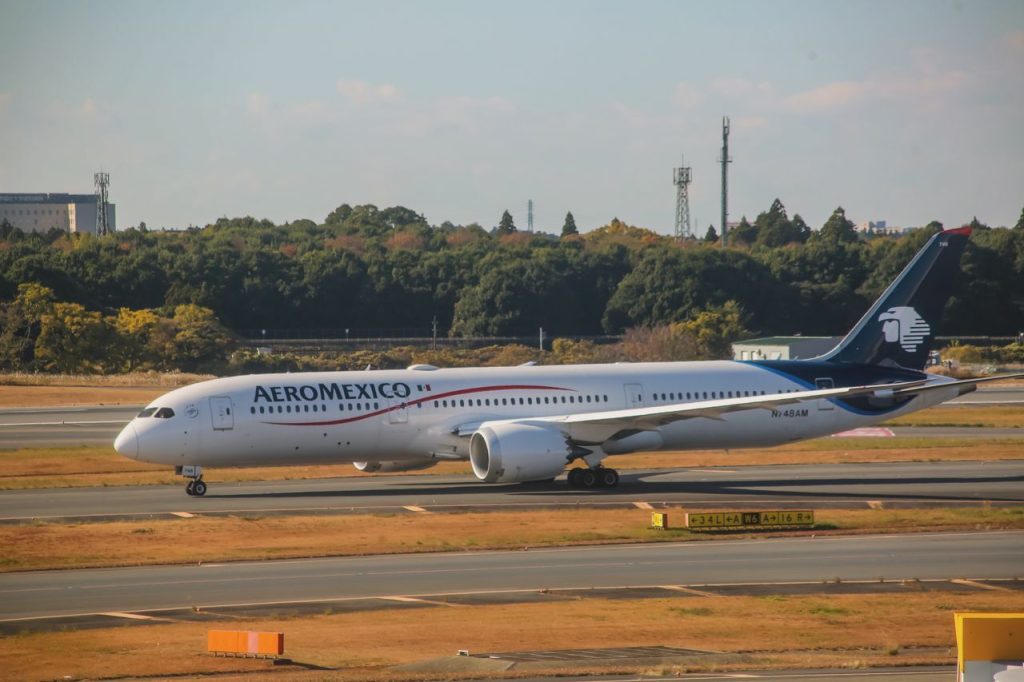
More freedom to introduce routes can create opportunities for airlines to compete for passengers traveling between Mexico and the United States. Mexican carriers may now consider destinations or services that were previously restricted, potentially giving travelers more choices when comparing departure airports, flight times, and connections. Aeroméxico and Viva welcomed the decision, describing it as a positive development for air connectivity between the two countries. Still, passengers should not assume that the policy change will automatically produce cheaper tickets. Airfares depend on factors such as demand, operating costs, available seats, competition, and seasonal travel patterns. The immediate development is the removal of a regulatory barrier, while any benefits in pricing or convenience will depend on how airlines respond and whether new routes prove commercially viable.
Mexican Airlines Must Still Meet U.S. Approval Requirements
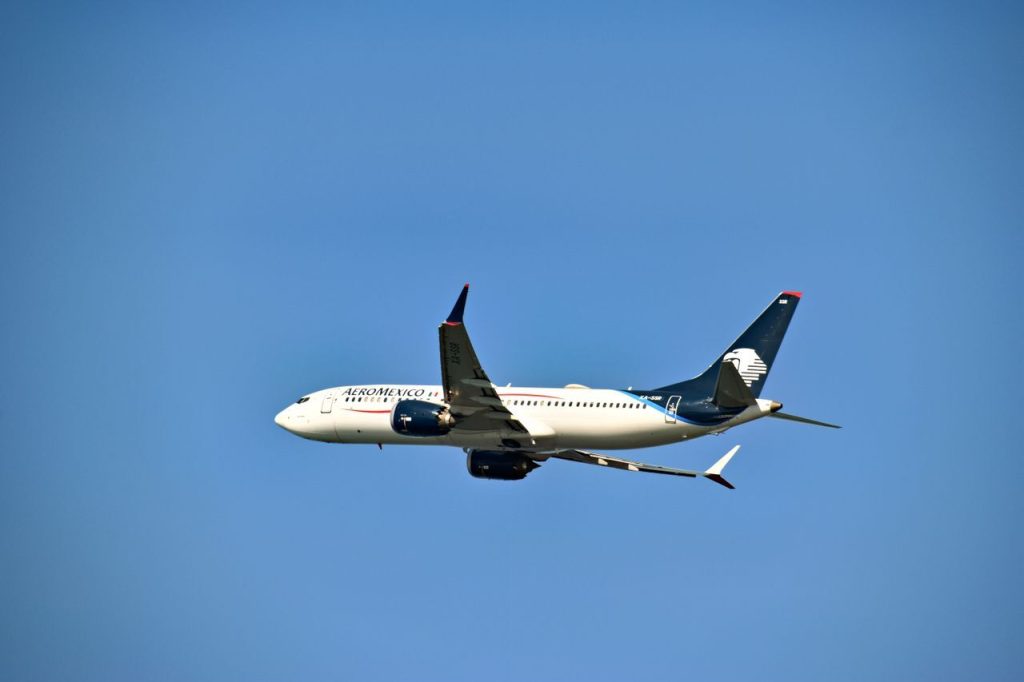
Although the restrictions have been lifted, Mexican airlines cannot simply announce any flight and begin operating it without following the applicable rules. The U.S. Department of Transportation will continue requiring Mexican carriers to file schedules for flights to and from the United States. Services involving large aircraft must also receive the required approval. These procedures allow regulators to review proposed operations and ensure that carriers comply with the relevant requirements. The distinction matters because the announcement concerns permission to pursue new routes, not automatic approval for every proposed service. Travelers waiting for a particular route should look for an official announcement from the airline and confirm that tickets are available for their intended dates. Until carriers publish their schedules, the number and timing of any new services remain uncertain.
The Decision Follows a Long-Running Aviation Dispute Between the Two Countries
The latest change comes after years of disagreements over access to Mexico City’s airports. In 2022, Mexico changed airport operations, including reducing flights at Benito Juárez and moving cargo operations to AIFA. U.S. officials argued that these measures affected American airlines’ rights under the 2015 bilateral air transport agreement. Washington subsequently imposed restrictions on the expansion of Mexican passenger and cargo services from the two airports. Negotiations continued, and in May 2026, the countries reached an understanding aimed at addressing U.S. concerns about aviation access and airport slot allocation. The October decision reflects progress in those discussions, but the dispute is not entirely resolved. Some related U.S. orders remain in place, and Washington has said it will continue monitoring Mexico’s compliance with its commitments. The change should also not be confused with Mexico’s aviation safety rating, which the Federal Aviation Administration restored in September 2023.