
A rare dinosaur fossil is drawing attention in New York ahead of an auction that could bring in millions of dollars. Nicknamed Jodi, the nearly 20-foot-long skeleton belongs to Nanotyrannus, a smaller relative of Tyrannosaurus rex that lived around 67 million years ago. Discovered on a Montana ranch in 2019, the specimen is particularly notable for its completeness and its connection to a long-running scientific debate over whether Nanotyrannus was a distinct dinosaur. With an estimated auction price of $6 million to $9 million, the fossil offers a fascinating look at prehistoric life, modern paleontology, and the controversy surrounding the sale of scientifically significant specimens.
A Rare Nanotyrannus Skeleton Is on Display at Sotheby’s in New York
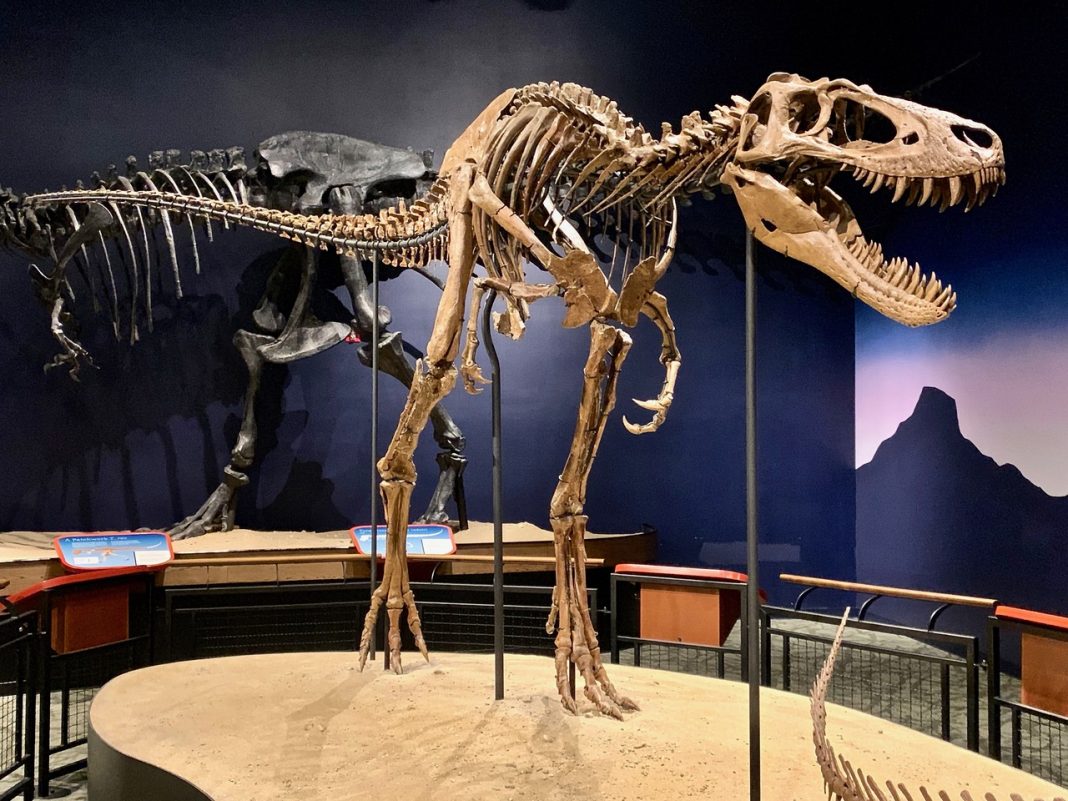
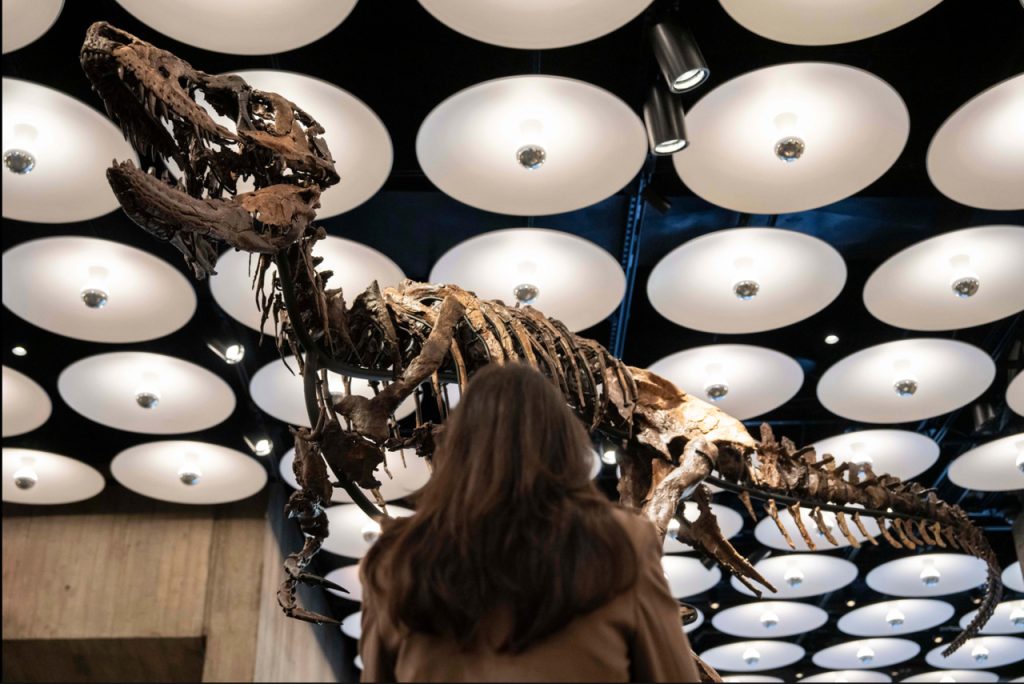
A dinosaur fossil with an unusual place in paleontological history is attracting attention in New York ahead of a major auction. Nicknamed Jodi, the skeleton belongs to Nanotyrannus, a smaller relative of Tyrannosaurus rex that lived approximately 67 million years ago. The fossil went on public display at Sotheby’s in Manhattan on October 13, 2026, ahead of its scheduled auction on October 27. Standing about 6.5 feet tall and stretching nearly 20 feet long, the mounted skeleton is an impressive sight. It is also exceptionally rare, with only three Nanotyrannus skeletons known to science. Its display offers visitors a chance to see a dinosaur that has helped reshape scientists’ understanding of the predators that lived near the end of the Cretaceous Period.
The Dinosaur Fossil Could Sell for Between $6 Million and $9 Million
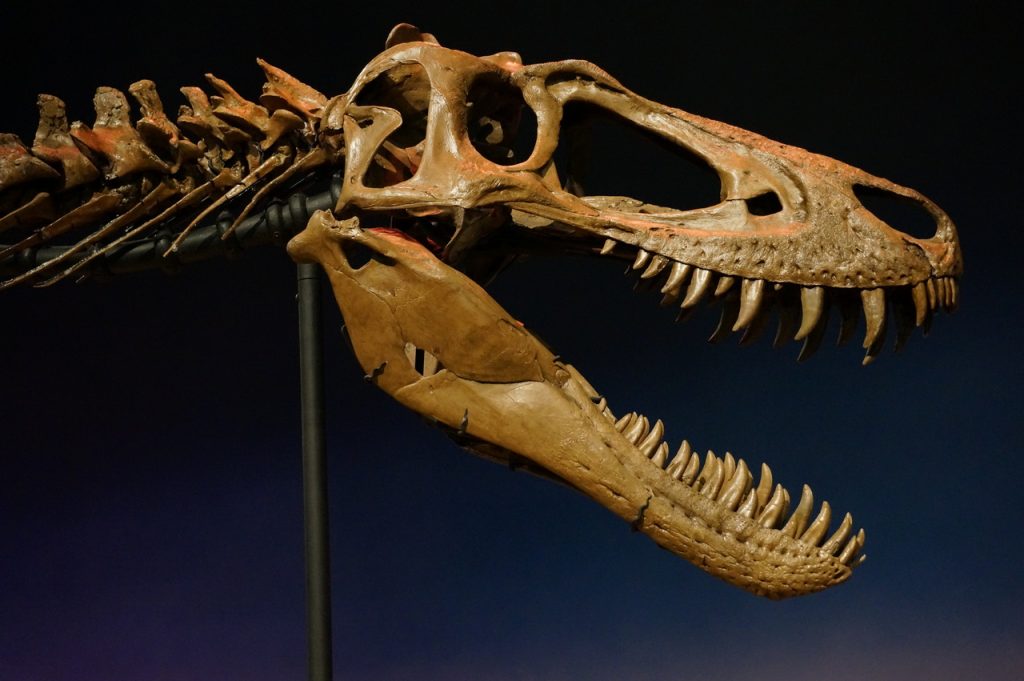
The scientific importance of Jodi is matched by its considerable expected auction price. Sotheby’s has estimated that the skeleton could sell for between $6 million and $9 million when it goes under the hammer on October 27. That valuation reflects the fossil’s rarity, its relatively high degree of completeness, and the renewed interest in Nanotyrannus following research published in 2025. The skeleton is approximately 70% complete and includes a nearly intact skull with around 50 teeth. Such features make it particularly appealing to collectors interested in scientifically significant fossils. The sale also comes amid a strong market for spectacular dinosaur specimens. In August 2026, Sotheby’s sold a Tyrannosaurus rex fossil named Gus for $50.1 million. Although Jodi’s estimate is considerably lower, its rarity could still make it one of the most closely watched natural history lots of the year.
A Montana Rancher Discovered the Fossil on Family Land in 2019
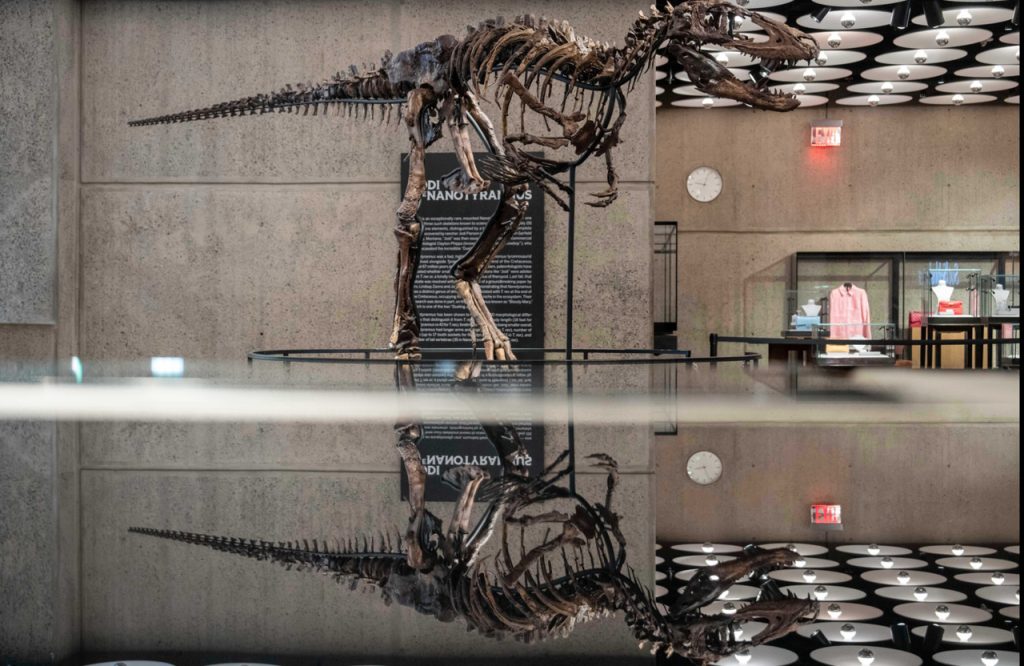
Jodi’s story began on a Montana ranch, rather than in a museum or university laboratory. Rancher Jodi Pierson discovered the fossil on her family’s land in Garfield County in 2019, in an area known for Late Cretaceous deposits. The specimen was subsequently excavated by commercial paleontologist Clayton Phipps, who is also known as the Dinosaur Cowboy. The discovery and excavation were featured in the Discovery Channel series Dino Hunters in 2020. The fossil was named after Pierson, giving it a direct connection to the person who first spotted it. The site is approximately eight miles from the location where the famous Dueling Dinosaurs fossil, containing a Nanotyrannus and a Triceratops, was discovered in 2006. Both finds highlight Montana’s importance to dinosaur research, particularly in the Hell Creek Formation, where fossils preserve evidence of life shortly before the mass extinction that ended the age of non-avian dinosaurs.
Research Published in 2025 Helped Establish Nanotyrannus as a Distinct Dinosaur
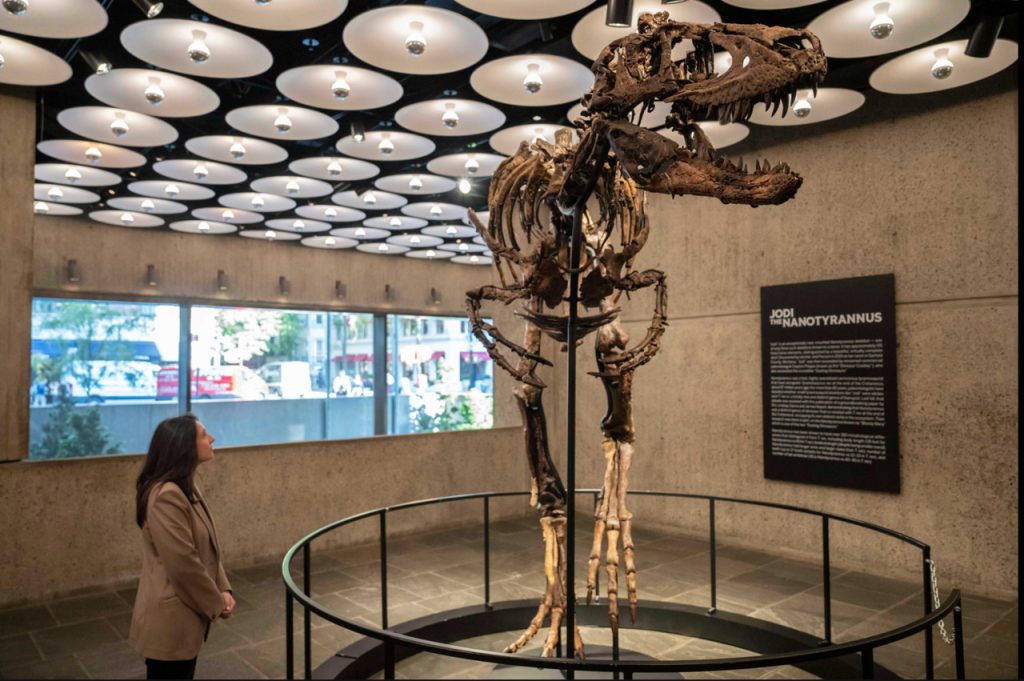
For decades, paleontologists debated whether Nanotyrannus was a separate dinosaur or simply a young Tyrannosaurus rex. The controversy began with a small tyrannosaur skull discovered in 1942, which scientists later named Nanotyrannus. Some researchers argued that its small size and distinctive features belonged to an immature T. rex that had not yet reached adulthood. That interpretation changed following research published in the journal Nature in October 2025. Scientists Lindsay Zanno and James Napoli examined a more complete skeleton and studied growth patterns preserved in the bones. Their findings indicated that the animal was a mature individual, not a juvenile T. rex. The research supported the conclusion that Nanotyrannus was a distinct genus that lived alongside T. rex approximately 67 million years ago. Although the findings strengthened the case for Nanotyrannus as a separate dinosaur, some paleontologists continue to debate how certain other specimens should be classified.
Nanotyrannus Was Smaller, More Slender, and Built Differently From T. Rex
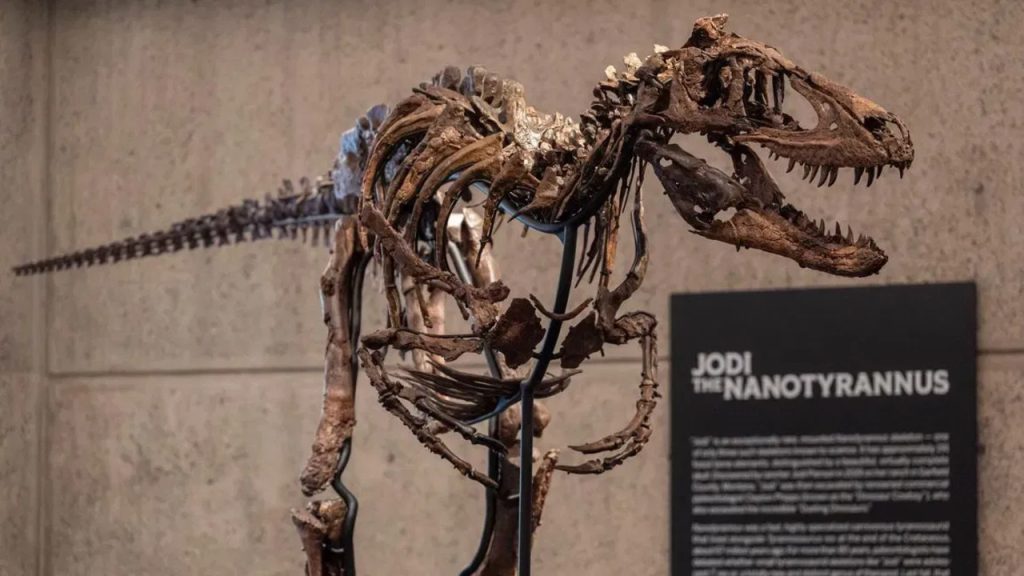
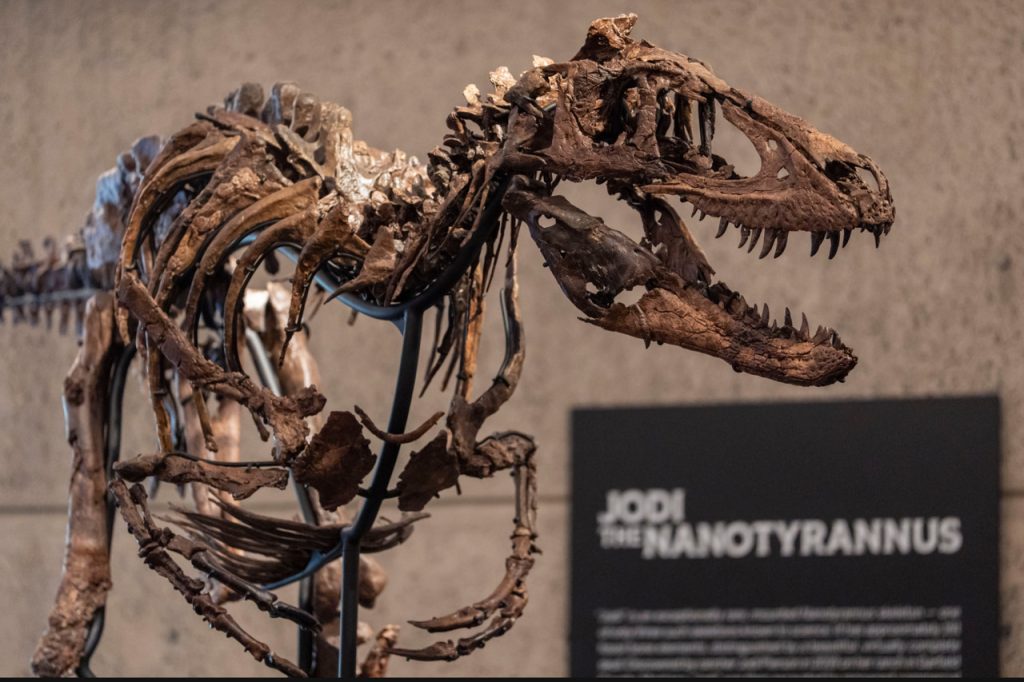
Despite their family connection, Nanotyrannus and Tyrannosaurus rex had some striking physical differences. An adult Nanotyrannus measured approximately 18 feet long, roughly half the length of a large adult T. rex. It also had longer forelimbs, larger hand claws, and more numerous, slender teeth that resembled blades. By contrast, T. rex had a heavier body, famously short arms, and thick teeth adapted to withstand powerful biting forces. These differences have led researchers to suggest that the two predators may have hunted different prey and occupied separate ecological niches. Nanotyrannus may have been better suited to pursuing smaller, faster animals, while T. rex could tackle larger prey. This does not mean scientists know exactly how every encounter between the species would have unfolded, but their coexistence suggests the late Cretaceous ecosystem supported more than one type of large tyrannosaur predator. Discoveries like Jodi help researchers investigate how these animals evolved and survived in the same environment.
The Auction Has Renewed Debate Over Who Should Own Important Dinosaur Fossils
The sale of Jodi raises a question that extends well beyond its price: should exceptionally important dinosaur fossils belong to private collectors or remain accessible to the public? Sotheby’s argues that private fossil hunters play a valuable role in discovery because they often invest their own money in fieldwork that museums and universities may not have the resources to undertake. Without these efforts, some significant specimens might never be excavated or preserved. However, the Society of Vertebrate Paleontology has argued that fossils with major scientific importance should be kept in museums or other public institutions. Scientists worry that specimens purchased by private collectors could become inaccessible for future research, limiting opportunities to examine them, verify findings, and educate the public. Jodi’s upcoming auction brings these competing arguments into focus. Its rarity and near-complete skull make it scientifically valuable, but its eventual destination could determine how easily researchers and future generations can study and appreciate it.