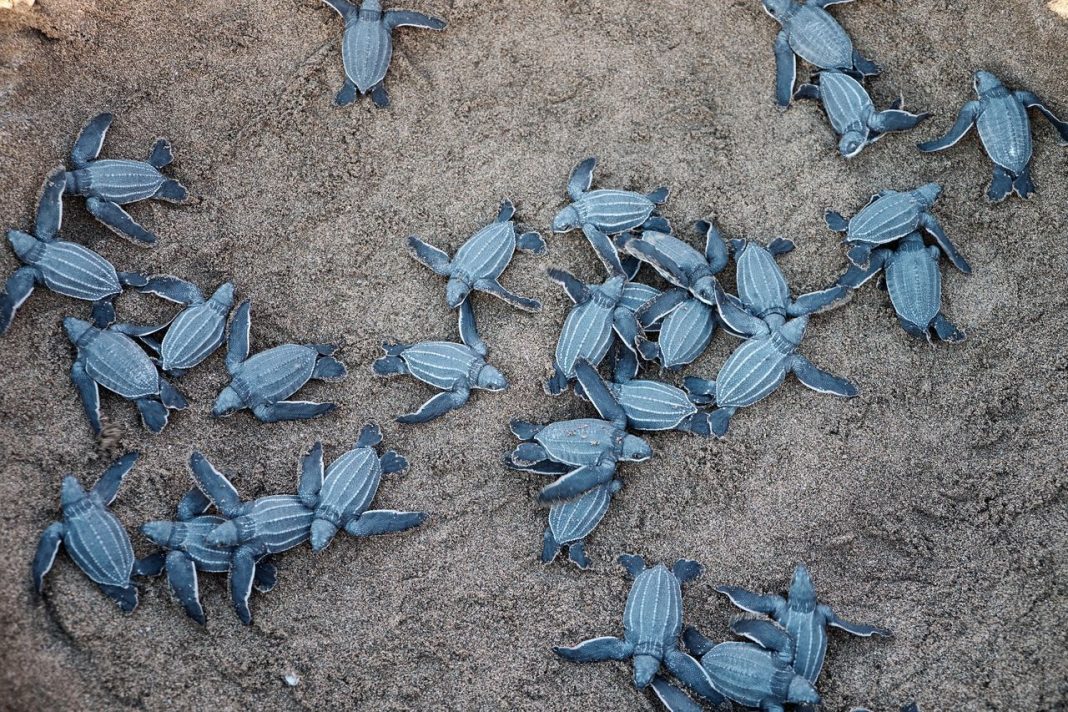

Georgia’s coastline has reached a remarkable milestone for wildlife conservation, recording a record 4,292 loggerhead sea turtle nests in 2026. From Tybee Island’s best-ever nesting season to decades of conservation work, the numbers offer encouraging evidence that efforts to protect these threatened animals are making a difference. Volunteers, wildlife researchers, and protective fishing regulations have all played a role in supporting their recovery. However, the record does not mean the species is out of danger. Here’s a closer look at six details behind Georgia’s impressive nesting season and the work still needed to protect its sea turtles.
Georgia Recorded 4,292 Loggerhead Sea Turtle Nests in 2026
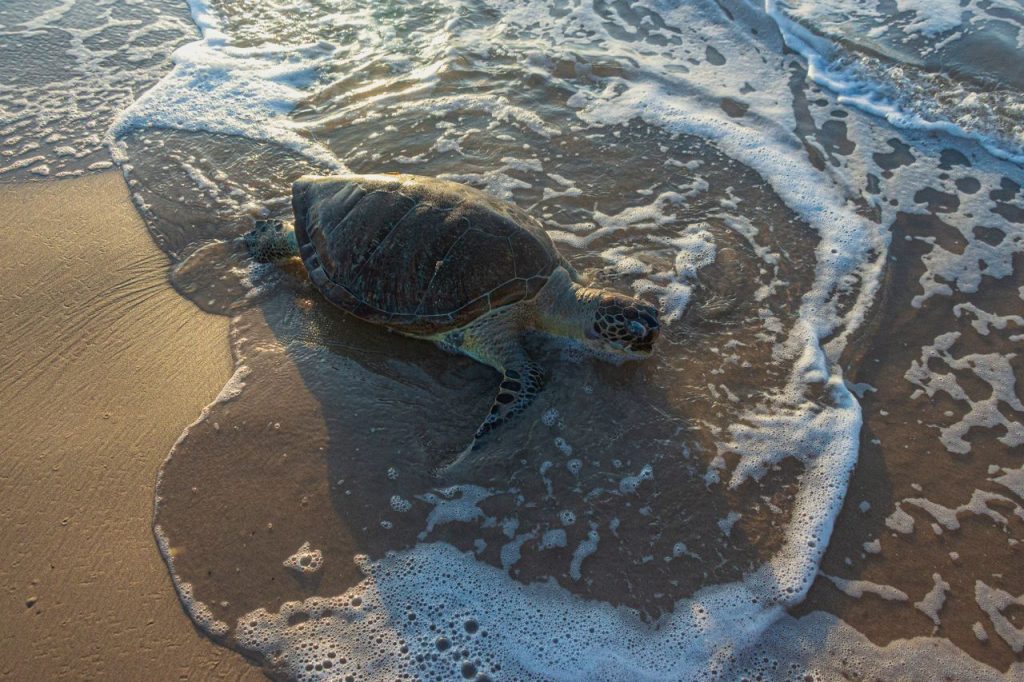
Georgia’s beaches have delivered encouraging news for wildlife conservation, with loggerhead sea turtles laying a record 4,292 nests during the 2026 nesting season. The figure represents a remarkable recovery from the 358 nests recorded in 2004, highlighting the progress made over more than two decades. Loggerheads are listed as a threatened species under the Endangered Species Act, making the increase particularly significant. However, nest counts measure nesting activity rather than the total number of turtles in the population. Researchers must also consider hatchling survival, how many young turtles reach adulthood, and how many females return to nest in later years. Even with those qualifications, Georgia’s latest record offers an encouraging sign that sustained conservation efforts are helping the species recover.
Tybee Island Set Its Own Record With 59 Sea Turtle Nests
Tybee Island, a popular coastal destination near Savannah, experienced an especially strong nesting season in 2026. The island recorded 59 loggerhead sea turtle nests, surpassing its previous record of 35, established in 2022. By July 2, researchers had already documented 41 nests, prompting the Tybee Island Marine Science Center to order additional supplies for marking and protecting them. The work involves early-morning beach patrols to locate the distinctive tracks female turtles leave in the sand after laying their eggs. Volunteers and professionals then mark nests to help prevent accidental disturbance and monitor their progress. Tybee’s record is particularly noteworthy because nesting turtles share the beach with residents and tourists. Careful monitoring helps researchers document the increase while giving eggs and hatchlings a better chance of surviving.
Decades of Conservation Work Have Helped the Loggerhead Population Recover
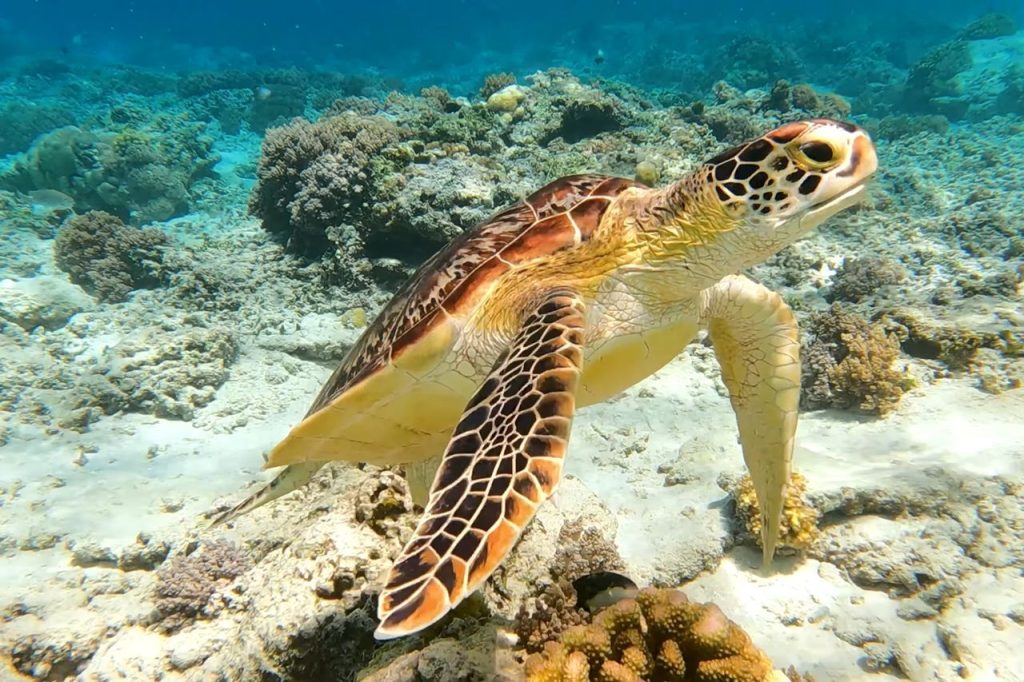
The latest record reflects years of work rather than a sudden change in a single nesting season. Georgia’s statewide sea turtle monitoring program has operated since 1989, allowing researchers to track nesting activity and identify long-term trends. One important measure of progress has been the introduction of turtle excluder devices in shrimp fishing nets. These devices provide an escape opening that allows turtles caught in a net to get out, reducing the risk of drowning. Beach protection and nest monitoring have also become essential parts of the conservation effort. Loggerheads take approximately 25 to 30 years to reach reproductive maturity, meaning the females nesting today may have hatched decades ago. Their presence reflects the benefits of protections introduced long before this year’s record. The steady increase in nesting numbers shows why conservation requires patience, consistent monitoring, and a commitment that lasts across generations.
Hundreds of Volunteers and Wildlife Professionals Protect Nests Along the Coast
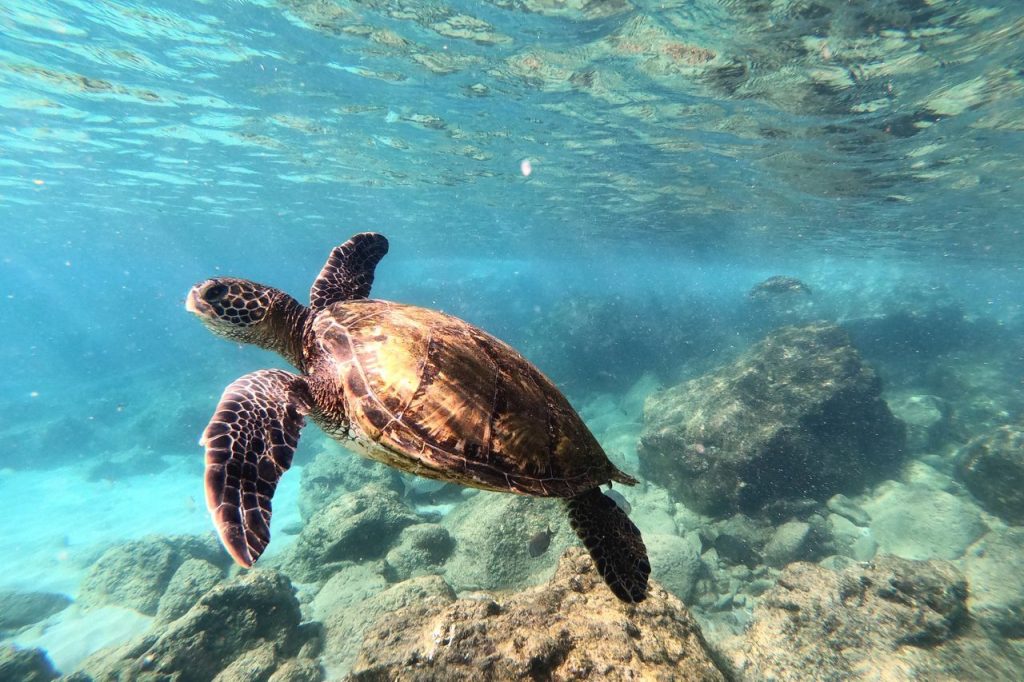
Behind every recorded nest is a network of people working to protect the turtles and document their progress. From Cumberland Island to Tybee Island, hundreds of volunteers and wildlife professionals patrol Georgia’s beaches through much of the nesting season, which generally runs from May through August. Their work begins early in the morning, when they search for tracks left by female turtles that came ashore overnight. On Wassaw Island, the Caretta Research Project coordinates overnight patrols, with volunteers helping researchers locate nesting females, record identifying information, and monitor nests. Teams also examine hatched nests to count eggshells, unhatched eggs, and surviving hatchlings, giving scientists a clearer picture of reproductive success. Some hatchlings become trapped beneath sand or vegetation and need careful intervention by trained personnel. This work helps turn a simple nest count into a much more detailed record of the species’ reproductive health.
Fishing Regulations and Protected Beaches Help Give Sea Turtles a Better Chance

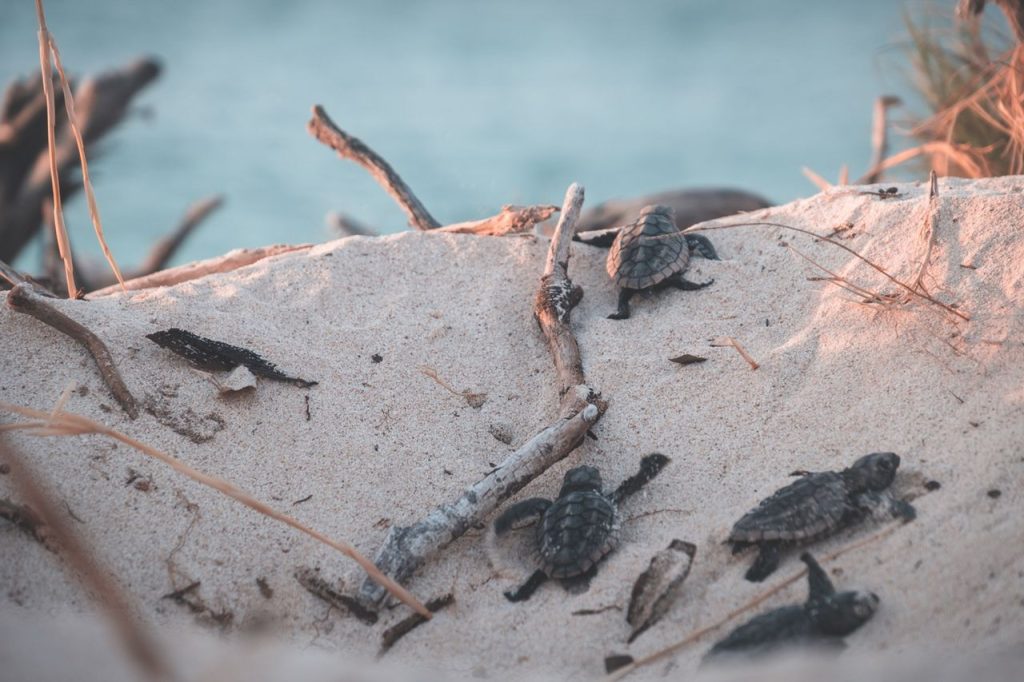
A successful nesting season depends on more than the number of turtles arriving on shore. Loggerheads need safe places to lay their eggs, and their hatchlings must navigate the beach and reach the ocean without encountering too many hazards. Turtle excluder devices reduce the danger posed by shrimp fishing nets, while protected coastal habitats give nesting females space to dig their nests. On developed beaches, artificial lighting can disorient hatchlings, which normally use natural light cues to move toward the sea. Beachgoers can help by avoiding marked nests, removing chairs and other equipment at the end of the day, filling in holes in the sand, and keeping lights from shining onto the beach at night. Protective screens placed over some nests also help limit damage from predators and human disturbance. These measures cannot eliminate every threat, but they can improve the odds that eggs will hatch and young turtles will reach the water safely.
Record Nest Numbers Are Encouraging, but Loggerheads Still Need Protection
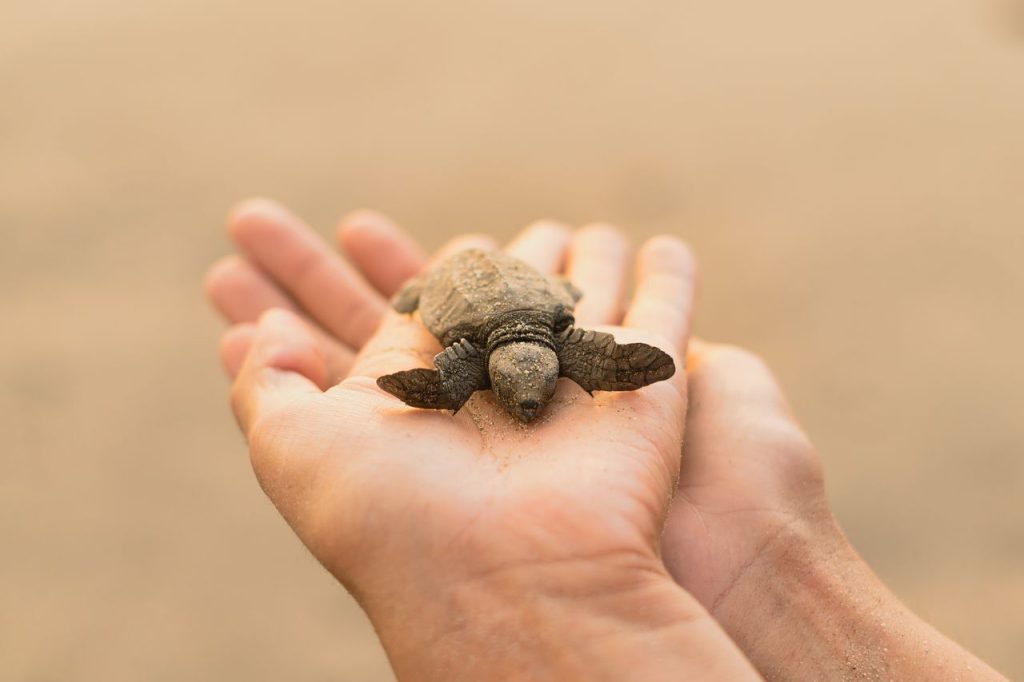
Georgia’s record is worth celebrating, but conservationists caution against treating one strong season as proof that the species has fully recovered. The state’s loggerhead population still needs to achieve an average of approximately 5,000 nests annually to support long-term viability, according to experts cited in reporting on the milestone. Nest counts can fluctuate naturally from year to year, and a high number of nests does not guarantee that more hatchlings will survive to adulthood. Coastal development and the loss of suitable nesting habitat remain concerns, while marine debris and fishing gear can injure or kill turtles in the ocean. Climate change also presents challenges, as sand temperature influences the sex of developing sea turtle embryos. Continued monitoring helps scientists understand these pressures and determine whether the population is recovering sustainably. Georgia’s 2026 record is a meaningful achievement, but maintaining that progress will require continued habitat protection, responsible fishing practices, and public cooperation for years to come.