

Lake Superior’s Minnesota shoreline holds a colorful secret beneath its layers of ordinary-looking pebbles. The region is famous for its Lake Superior agates, prized for their rusty red bands, translucent edges, and intricate patterns formed over millions of years. Finding one takes a little patience and a sharp eye, especially when the stones are wet or weathered. From spotting distinctive colors to knowing where to search after a storm, these six clues can help you recognize a potential treasure along Minnesota’s rocky beaches.
Red, Orange, and Yellow Bands Can Reveal a Lake Superior Agate

A colorful rock on the beach might be more than an ordinary pebble, especially if it carries hints of rusty red, orange, or yellow. These shades are among the most recognizable features of Lake Superior agates, Minnesota’s official state gemstone since 1969. Their colors come from iron compounds that entered the stone as it formed in ancient volcanic rock. Around a billion years ago, lava flows covered parts of the region, and gas bubbles trapped in the cooling rock created spaces where mineral-rich water could collect. Over time, layers of quartz and iron-bearing minerals formed the distinctive patterns collectors prize today. Rough agates do not always display bright, obvious bands, so look for reddish-brown staining or warm-colored patches rather than expecting every stone to resemble a polished gemstone. Some specimens reveal their striking patterns only after being cut or polished. Even so, rusty coloring combined with other identifying features can make a pebble worth a closer look.
A Waxy Shine Can Help You Spot Agates Among Ordinary Pebbles
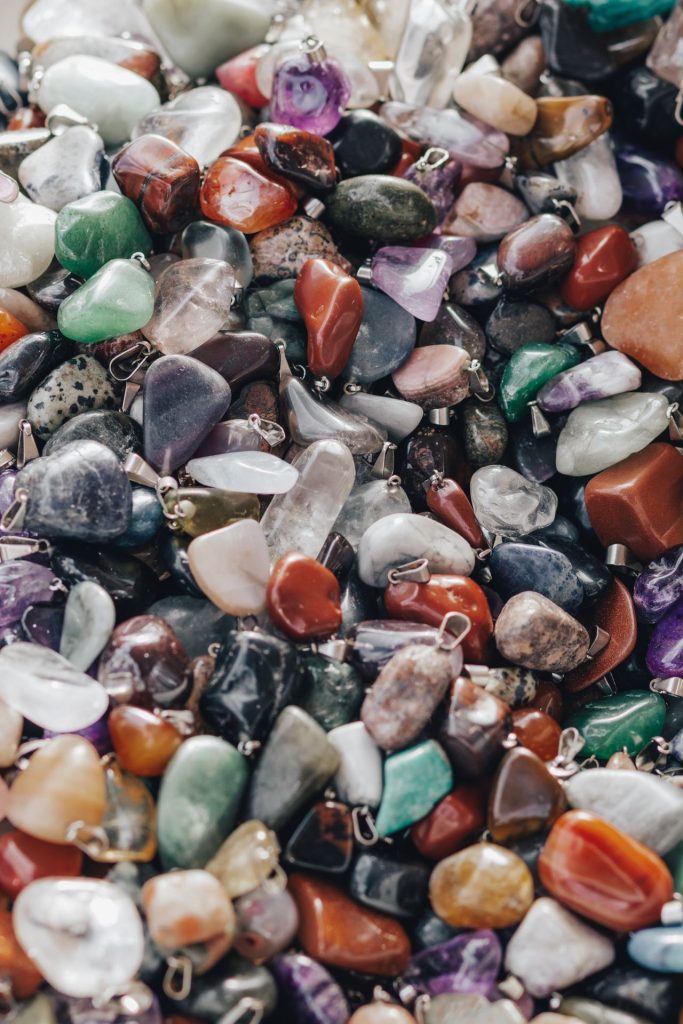
Not every Lake Superior agate announces itself with brilliant colors. Many rough specimens look dull or weathered, blending in with the gray and brown stones scattered along the shoreline. One useful clue is a subtle, waxy sheen, particularly on a chipped or broken surface. Agates consist mainly of chalcedony, a form of microcrystalline quartz that can develop a smooth, slightly glossy appearance. Unlike the bright sparkle of some crystals, this sheen is often soft and almost greasy-looking. Wetting a suspicious pebble can make the surface easier to examine by bringing out its natural luster and revealing details that dry weathering may conceal. Look for this quality alongside reddish iron staining, translucent edges, and possible banding. A waxy surface alone does not prove that a stone is an agate, since other minerals can have a similar appearance. However, when several clues appear together, the pebble becomes a more promising candidate.
Hold Suspected Agates Up to the Sun to Check for Translucence
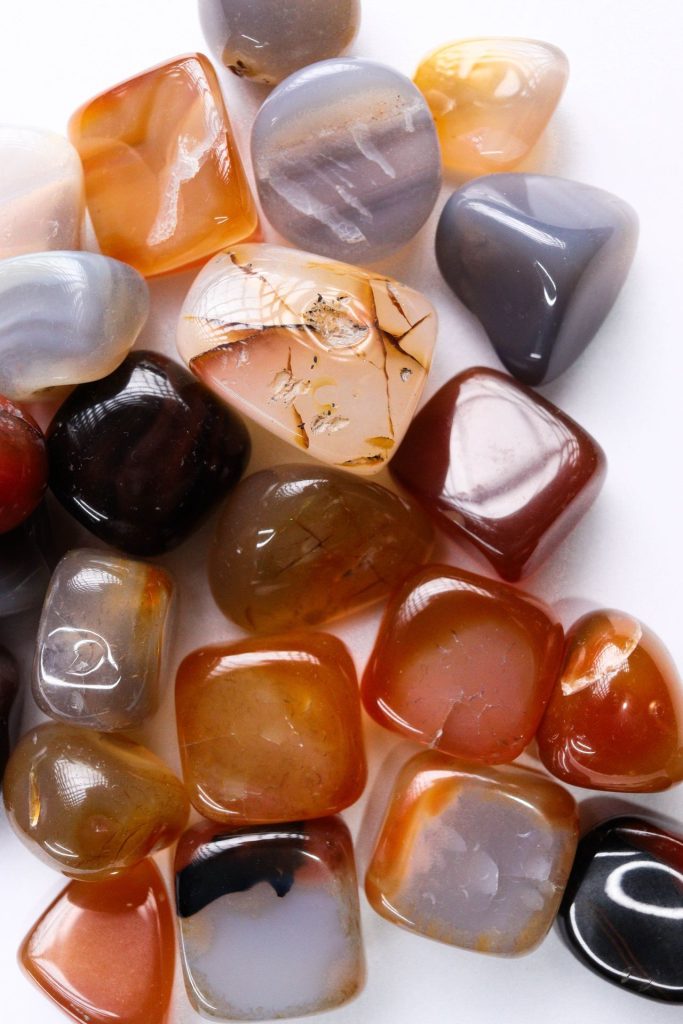
A little sunlight can reveal a feature that is easy to miss when scanning a crowded beach. Lake Superior agates are often translucent, meaning some light can pass through their quartz-rich structure rather than being completely blocked. To check for this, pick up a promising pebble and hold its thinner edge toward the sun. A genuine agate may show a faint glow, sometimes with warm orange or reddish tones, even when its outer surface looks ordinary. This is especially useful because the colorful bands collectors admire are often hidden inside rough stones. The effect can be subtle, so choose a sunny spot and turn the rock slowly to examine different edges. Translucence is not exclusive to agates, and some genuine specimens may be too thick, stained, or weathered to show much light. Treat it as one part of the identification process, rather than a definitive test. When translucence appears alongside iron-rich coloring and a waxy surface, however, it gives you another good reason to take a closer look.
Search Wet Gravel After Lake Superior Storms
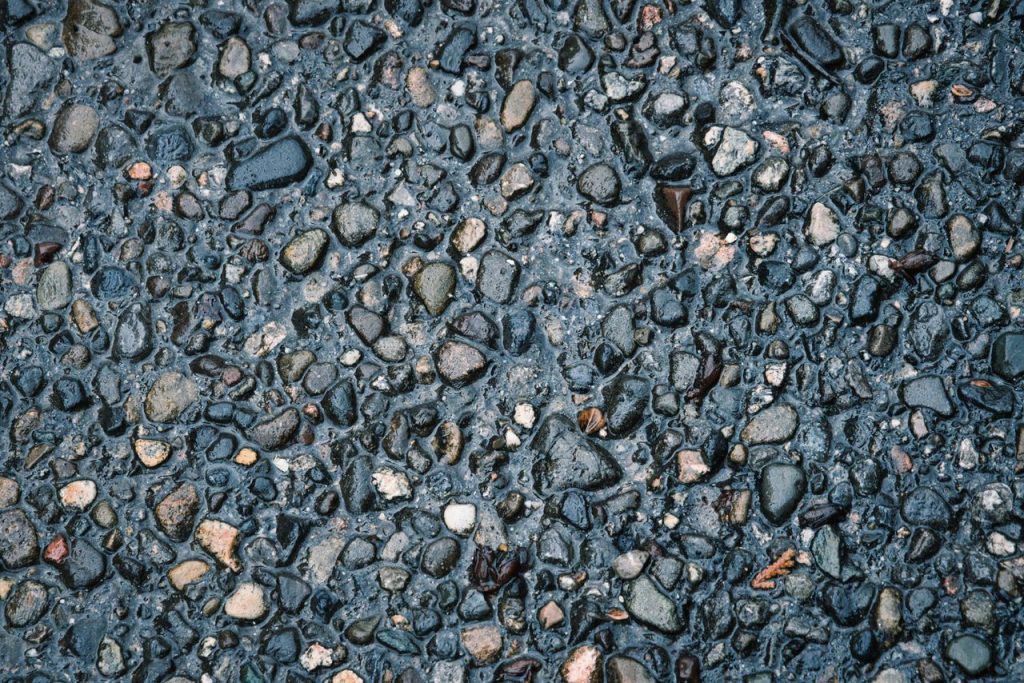
The best agate-hunting opportunities often come down to where the rocks gather and when the shoreline changes. Lake Superior’s waves constantly move pebbles and gravel, and storms can rearrange beach material or expose stones that were previously buried. After rough weather, newly shifted gravel may offer fresh places to search, although conditions vary and no particular storm guarantees a find. Wet stones are also easier to examine because water enhances their color and sheen, helping potential agates stand out from less distinctive pebbles. Look along gravelly sections of public beaches and pay attention to the areas where waves deposit small rocks. Minnesota’s North Shore offers many places to explore, including beaches around Cook County, but access and collecting rules differ by location. Some areas allow visitors to look without taking rocks, while protected sites may prohibit collecting altogether. Check local rules before putting any stones in your pocket, and stay well back from dangerous waves and slippery rocks, especially after a storm.
Fortification Patterns and Circular Bands Are Valuable Clues

The patterns inside a Lake Superior agate can resemble a tiny landscape made of curved lines and rings. One common variety is called a fortification agate because its layered bands form angular or curved outlines that resemble the walls of an old fortress. Other specimens show more circular markings, including eye agates, which have rounded rings that look like small eyes on the stone’s surface. These patterns develop as mineral-rich solutions deposit successive layers inside cavities in ancient volcanic rock. The different layers can contain varying amounts of iron, creating contrasting colors and distinct outlines. The challenge for beachcombers is that much of this detail may remain hidden beneath a rough outer coating. Examine small chips, exposed edges, or naturally worn surfaces for hints of parallel lines or curved bands. Not every agate displays a clear pattern on the outside, so the absence of visible rings does not automatically rule one out. When strong banding is visible alongside translucence and iron-rich coloring, though, it can be a particularly useful identification clue.
Rocky Beaches Like Brighton Beach Offer Places to Start Looking
Finding an agate becomes easier when you know which parts of the shoreline deserve a closer look. Brighton Beach in Duluth, within the area known as Kitchi-Gammi Park, is a familiar destination for people who enjoy searching through Lake Superior’s rocky shoreline. Its pebbles and gravel provide the kind of ground where agates can sometimes be found, although no beach guarantees a discovery. The broader North Shore also offers opportunities at public beaches around places such as Grand Marais, Lutsen, and Tofte. Beyond the shoreline, agates can turn up in riverbanks, gravel deposits, and other places where glaciers carried and left behind material from the Lake Superior region. During the last Ice Age, moving glaciers spread these stones across northeastern and central Minnesota, which explains why they are not limited to the lake’s immediate coast. Before collecting, check whether the specific beach permits removing rocks. Minnesota prohibits recreational rock collecting in state parks, state recreation areas, and state scientific and natural areas, so visitors should follow the rules for the land they are exploring.