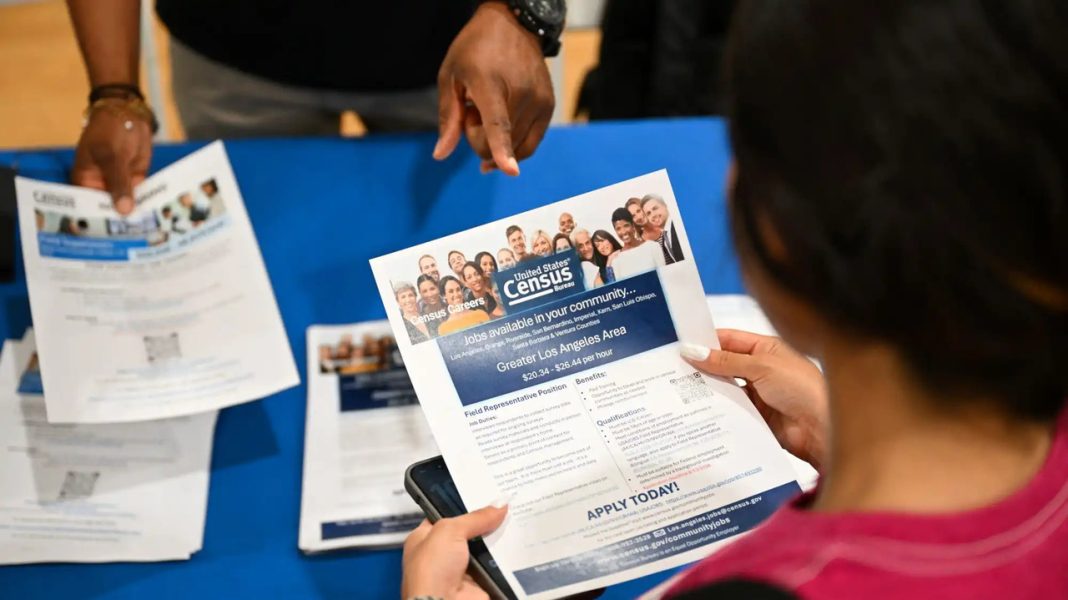

Minnesota communities are raising concerns about proposed changes to the 2030 U.S. Census that could reshape how residents are counted and how demographic information is collected. Hmong advocates are particularly worried about a plan to eliminate race and ethnicity questions, while other proposed rules could affect residency determinations and the population figures used for congressional representation. With the public comment deadline set for Nov. 2, 2026, residents and community organizations are watching closely as the federal government considers changes that could influence research, public services and local planning.
The Census Could Stop Collecting Race and Ethnicity Data
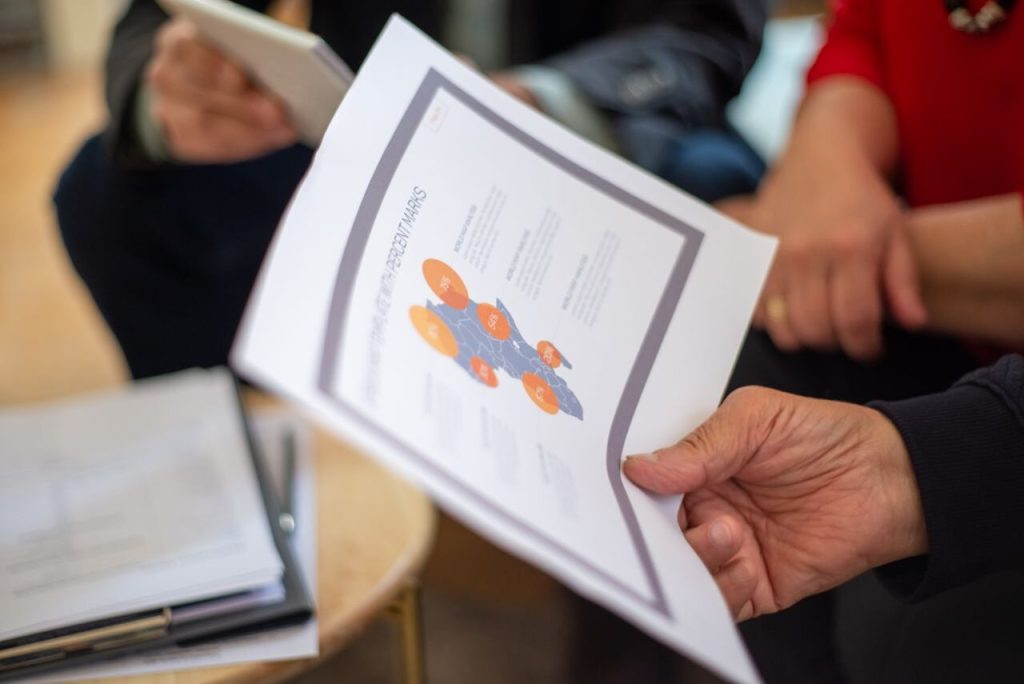
The questions asked on the U.S. Census help determine how well communities are represented in the data used to make public decisions. A proposed federal rule for the 2030 Census would remove questions about race and ethnicity, ending a longstanding source of detailed demographic information. Minnesota’s Hmong American Partnership is among the organizations raising concerns about the change, arguing that losing these details could make it harder to identify the needs of specific communities. Census data help researchers examine health disparities, measure discrimination, study educational outcomes and understand differences in employment and income. They also help public agencies and community organizations decide where services and resources are most needed. Although other surveys collect demographic information, the decennial census provides a uniquely comprehensive count, including information available at small geographic levels. The Minnesota State Demographic Center warns that removing these questions could make reliable race and ethnicity data harder to produce. The proposal remains subject to the federal rulemaking process, meaning the final approach has not yet been settled.
Some Minnesota Residents Could Be Excluded From the Census Count Used for Representation

Who gets counted can influence how political representation is distributed across the country. Under the proposed changes, the federal government would exclude certain immigrants who are neither U.S. citizens nor lawful permanent residents from the population count used to allocate seats in the U.S. House of Representatives. This distinction matters because congressional apportionment determines how many representatives each state receives based on its population. Minnesota communities are concerned that excluding some residents could produce a less complete picture of the people who live and work in the state. The effects could extend beyond political representation because census-based population figures also inform public planning and resource allocation. It is important to distinguish the proposal’s apportionment rules from the broader act of counting residents: the proposal describes excluding certain noncitizens from the count used for representation, rather than simply treating every person in that category as nonexistent in every census-related record. The precise effects on Minnesota would depend on how the federal government implements the rule and how many residents fall within the affected categories.
Hmong Communities Fear Losing Detailed Data About Their Needs
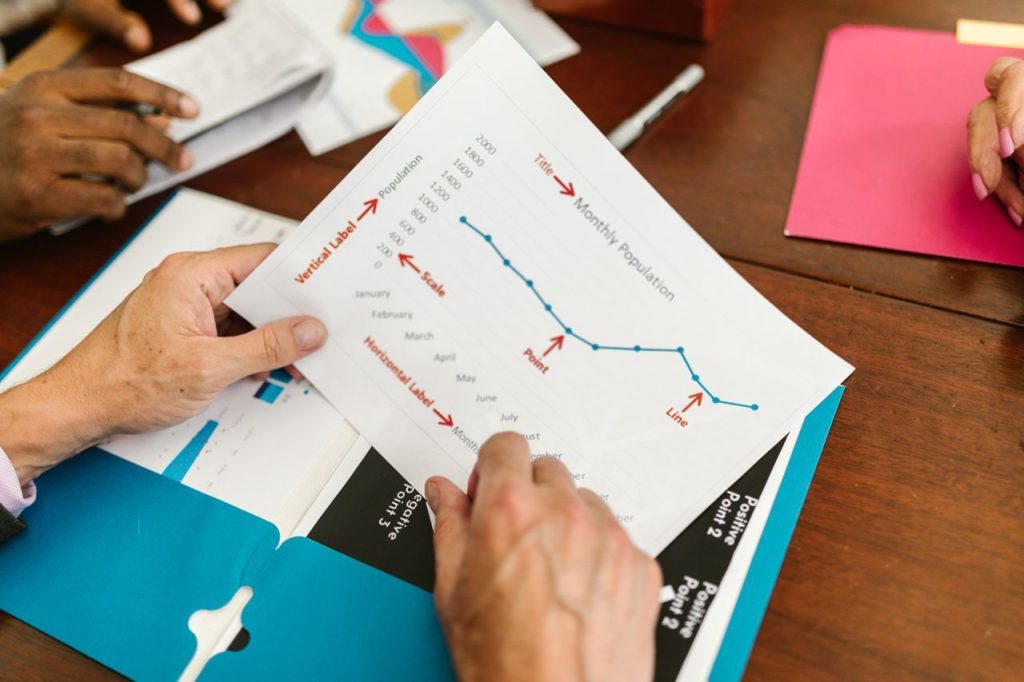
For Minnesota’s Hmong community, census data provide an important way to understand needs that broad population statistics can easily overlook. Hmong American Partnership, a nonprofit organization serving the community, is urging Minnesotans to speak out about the proposed removal of race and ethnicity questions. Without consistent demographic information, it could become harder for researchers and community organizations to identify differences in access to education, health care, employment and other services. Detailed data also help organizations explain where language assistance, culturally appropriate programs and other forms of support may be needed. If information about smaller racial and ethnic groups becomes less reliable, their experiences could be obscured within larger population categories. That does not mean all community programs would automatically lose funding, but it could make it more difficult to document needs and measure whether existing services are working. Hmong American Partnership President and CEO May yer Thao has encouraged people to submit public comments as the federal government considers the proposed changes. The concern is that decisions affecting communities should be based on reliable information about who lives there and what challenges they face.
New Residency Rules Could Change Where Minnesotans Are Counted
A person’s home may seem straightforward, but the proposed census changes could make determining residency more complicated. Historically, the Census Bureau has generally counted people at their usual residence, meaning the place where they live and sleep most of the time. The proposed rule would instead define usual residence using the location where a person lawfully spent the greatest number of days during a census enumeration period running from Jan. 3 through April 1. That could affect Minnesotans who spend part of the year in another state, including seasonal residents who travel south during winter. Some people might be counted at a winter residence rather than in the Minnesota community where they spend much of the rest of the year. College students, military personnel and people who maintain multiple residences could also face questions about which location qualifies. Local governments rely on population figures to plan schools, transportation, housing and public services, so changes to residency rules could affect their understanding of community needs. The proposal has raised concerns about how officials would resolve cases in which a person’s records do not clearly reflect where they actually live.
Tax Records Could Become a Key Factor in Determining Census Residency

Using tax records to establish where people live could create problems for residents whose official mailing addresses do not match their homes. The proposed census rule would allow federal tax records to help verify or determine usual residence, but those records are not always an accurate guide to where someone spends most of their time. Rural Minnesotans may use post office boxes, college students may use a parent’s address, and military personnel may have tax documents connected to a duty station. People who do not file income tax returns could also lack the records needed to verify their residence through this method. The Minnesota State Demographic Center notes that a 2024 Minnesota Tax Incidence Study classified 308,730 households, or 10.5% of Minnesota households, as nonfilers in 2021. That figure describes households that did not file an income tax return, not necessarily households that were required to file but failed to do so. The proposal does not fully explain how officials would resolve conflicting addresses or establish residency for people without tax records. These unanswered questions have raised concerns about whether the new approach could introduce errors into the 2030 Census.
November 2 Is the Deadline for Public Comments on the Proposed Census Changes
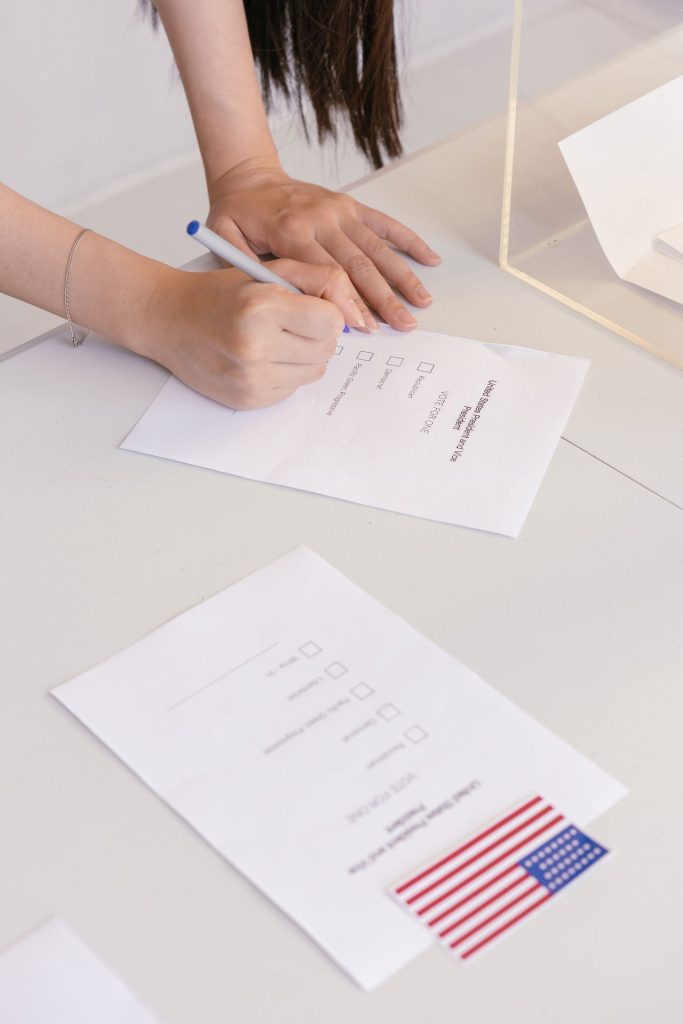
Minnesotans concerned about the proposed changes still have an opportunity to make their views known through the federal rulemaking process. The public comment deadline was extended from Oct. 13 to Nov. 2, 2026, giving residents, community organizations, researchers and local officials additional time to respond. Hmong American Partnership is encouraging people to participate, particularly those concerned about the potential loss of race and ethnicity data. Comments can address the practical consequences of changing residency rules, removing demographic questions and excluding certain noncitizens from the population used for congressional apportionment. Effective comments can explain how a proposed change might affect a person’s community, provide concrete examples of potential problems and identify information the Census Bureau should consider before finalizing its rules. The Minnesota State Demographic Center has also outlined concerns about the possible effects on population estimates, public services and demographic research. Submitting a comment does not guarantee that the government will change its proposal, but it provides a formal opportunity for public input before a final decision. Because the deadline is approaching, anyone wishing to participate should review the proposal and submit comments through the official federal rulemaking process as soon as possible.