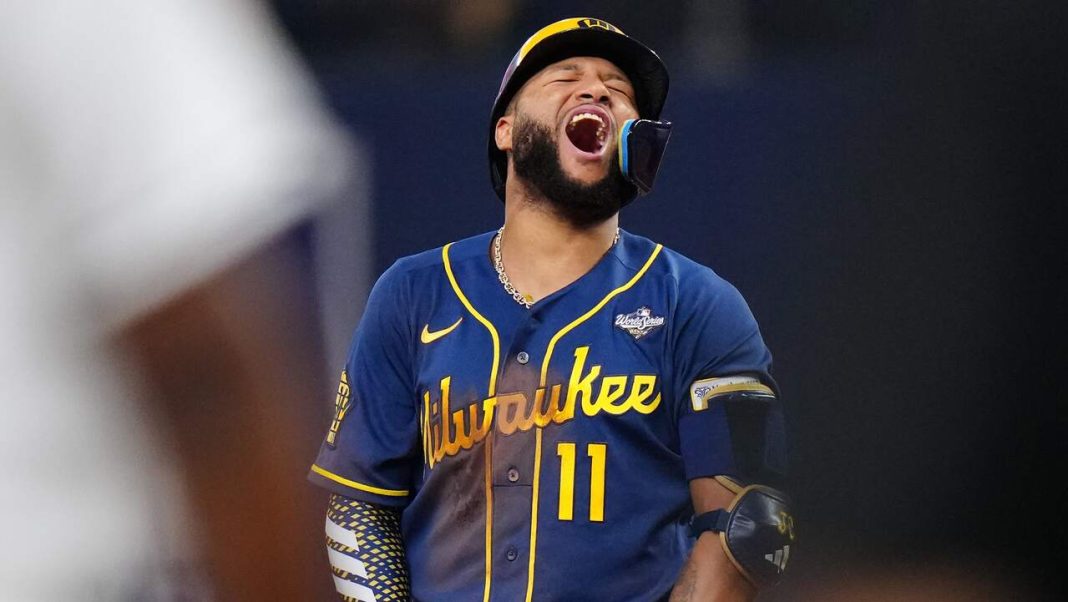

The Milwaukee Brewers are closing in on a historic World Series championship after taking a commanding 3-0 lead over the Tampa Bay Rays. Their 10-1 victory in Game 3 showcased a powerful offensive display, a record-setting eight-run inning and a dominant outing from starting pitcher Robert Gasser. With an eight-game postseason winning streak behind them, the Brewers need just one more victory to secure the title. These six numbers reveal how Milwaukee has taken control of the Fall Classic and pushed Tampa Bay to the brink of elimination.
The Brewers Won Game 3 by a Dominant 10-1 Score
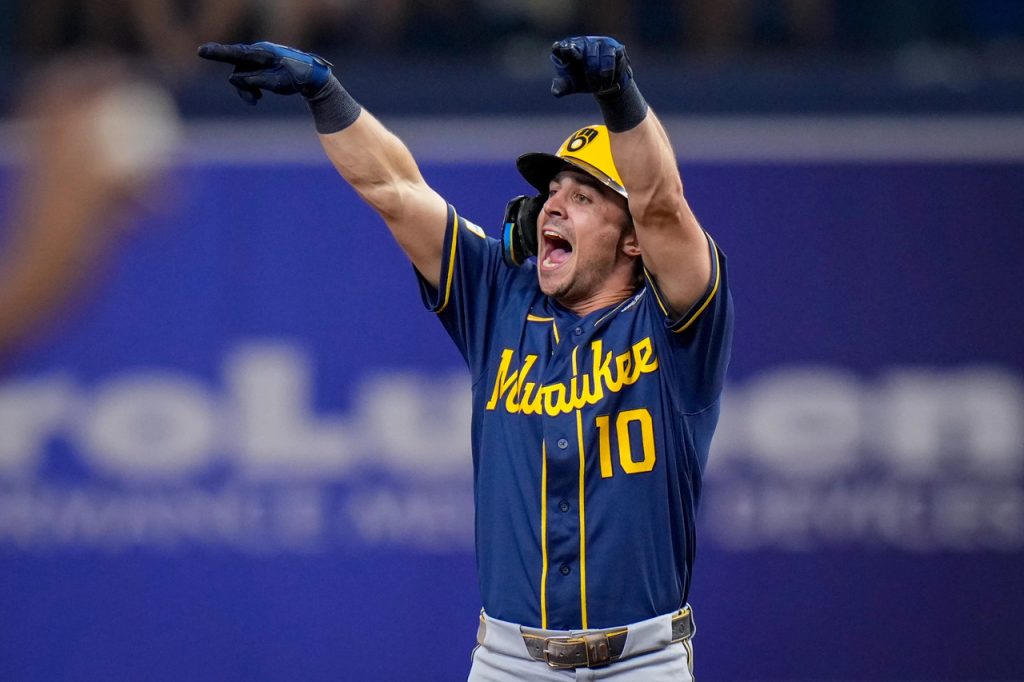
Milwaukee made its biggest statement of the World Series yet with a 10-1 victory over the Tampa Bay Rays in Game 3 on October 26, 2026. After winning the first two games by narrow margins, the Brewers delivered a convincing road performance at Tropicana Field, putting themselves one win away from their first World Series championship. Milwaukee collected 16 hits, received a dominant pitching performance from Robert Gasser and capitalized on Tampa Bay’s defensive mistakes. The Brewers scored twice in the third inning before breaking the game open with eight runs in the fifth. Tampa Bay managed just three hits and did not score until the ninth inning. The result gave Milwaukee a commanding 3-0 lead in the best-of-seven series, putting the Rays in a difficult position. Only one team in major league postseason history, the 2004 Boston Red Sox, has overcome a 3-0 deficit in a best-of-seven series. With Game 4 scheduled for October 27, Milwaukee has a chance to finish the job in front of the Rays’ home crowd.
Milwaukee Took a 3-0 Lead in the Best-of-Seven World Series
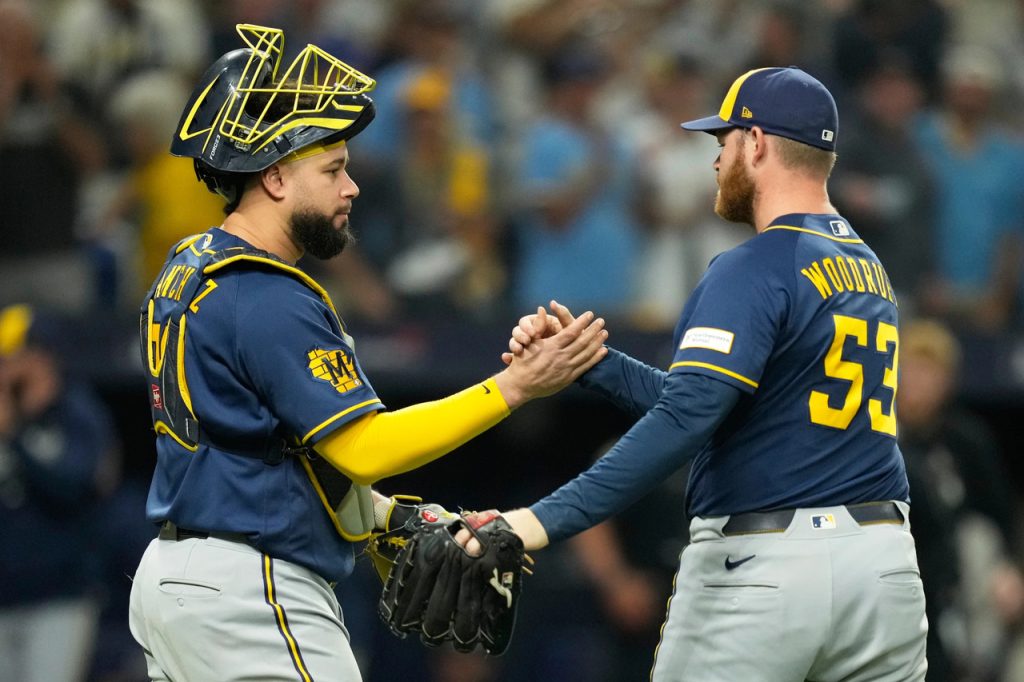
Winning the first three games of a World Series puts a team in an exceptional position, and the Brewers are now on the verge of a championship. Milwaukee won Game 1 by a score of 3-2 and followed it with a 5-4 victory in Game 2 before dominating the Rays 10-1 in Game 3. That sequence gives the Brewers three wins from the four victories needed to claim the title. The first two games were closely contested, but the third showed how dangerous Milwaukee can be when its offense finds a rhythm. The team’s pitching has also limited Tampa Bay’s scoring opportunities, while timely hitting has helped Milwaukee convert chances into runs. The historical challenge facing the Rays is substantial: among 43 major league teams that previously fell behind 3-0 in a best-of-seven postseason series, only the 2004 Red Sox rallied to win four straight games. That comeback came in the American League Championship Series against the New York Yankees, not the World Series. Milwaukee still needs one more win, but its current position gives the club a clear opportunity to secure the championship in Game 4.
Milwaukee Scored Eight Runs With Two Outs in a Historic Fifth Inning
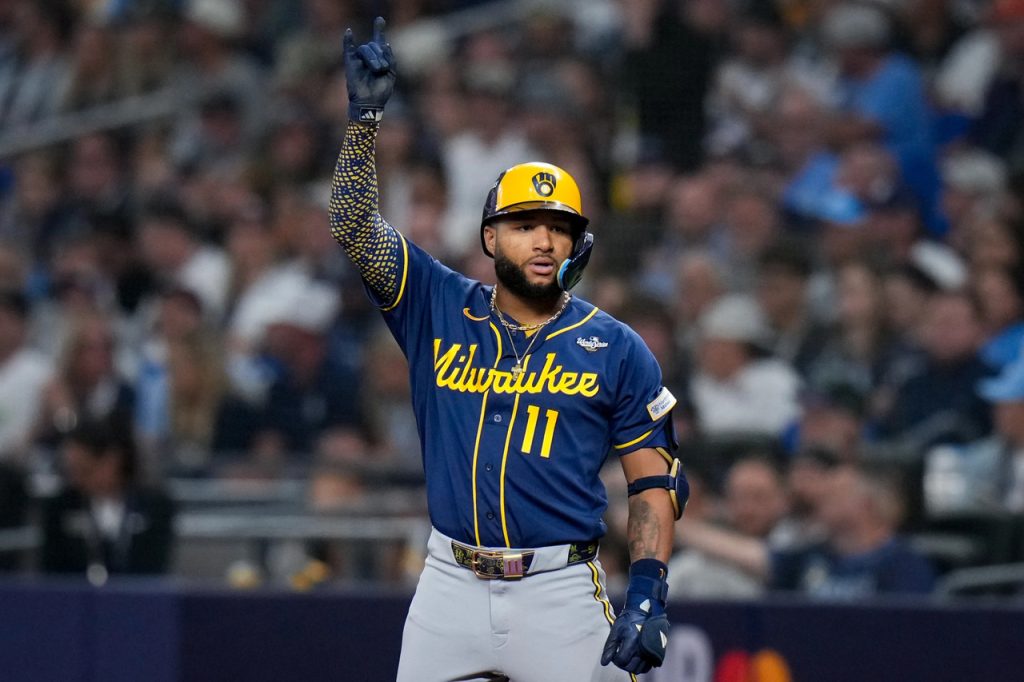
One inning transformed Game 3 from a competitive contest into a blowout. Milwaukee entered the fifth inning leading 2-0, but the Brewers scored eight runs with two outs, setting a World Series record for the most runs scored with two outs in a single inning. The turning point came when Tampa Bay initially appeared to end the inning with a forceout at second base. Milwaukee challenged the call, and a replay review overturned it, allowing the inning to continue with the bases loaded. Brice Turang followed with a two-run single, Garrett Mitchell added an RBI single, and Cooper Pratt doubled home two more runs. Sal Frelick then drove in another run with a double. After Tampa Bay changed pitchers, David Hamilton singled home a run before Jackson Chourio doubled to bring home Milwaukee’s 10th run. The rally also made the Brewers the first team in postseason history to record seven consecutive hits in a game. The sequence exposed Tampa Bay’s difficulty getting the final out and demonstrated how quickly a single replay decision can change the direction of a baseball game.
Milwaukee Collected 16 Hits Without Hitting a Home Run
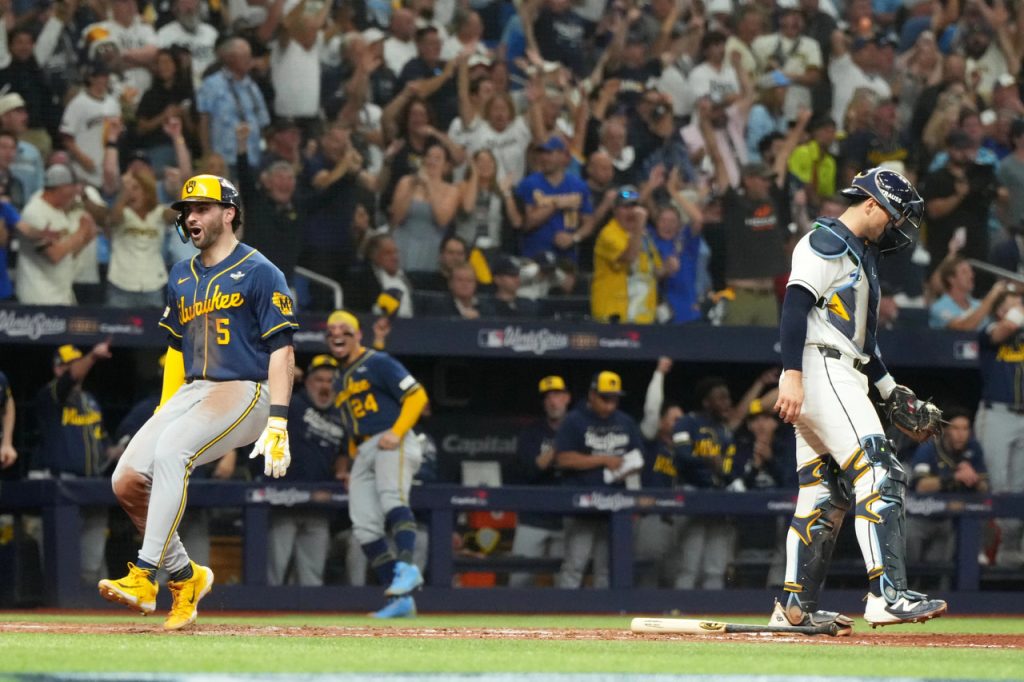
The Brewers did not need a towering home run to overwhelm Tampa Bay. Instead, they built their 10-run total through consistent contact, extra-base hits and timely execution. Milwaukee finished with 16 hits, including several crucial singles and doubles during the decisive fifth inning. Jackson Chourio went 4-for-5, while William Contreras collected three hits. Every Milwaukee starter reached base, and eight of the nine starters drove in at least one run. That balance made the offense particularly difficult to contain because Tampa Bay could not focus its attention on a single hitter. The Brewers repeatedly advanced runners, took advantage of defensive openings and delivered hits when scoring opportunities appeared. Their eight-run fifth inning illustrated that approach, with seven consecutive batters recording hits after a replay decision extended the inning. Scoring 10 runs without a home run is unusual in postseason baseball, and the performance reflected Milwaukee’s ability to generate offense through teamwork rather than relying on power alone. With the series now at 3-0, the Brewers’ deep lineup has become one of the biggest problems Tampa Bay must solve to stay alive.
Robert Gasser Allowed Just One Hit Through Six Scoreless Innings
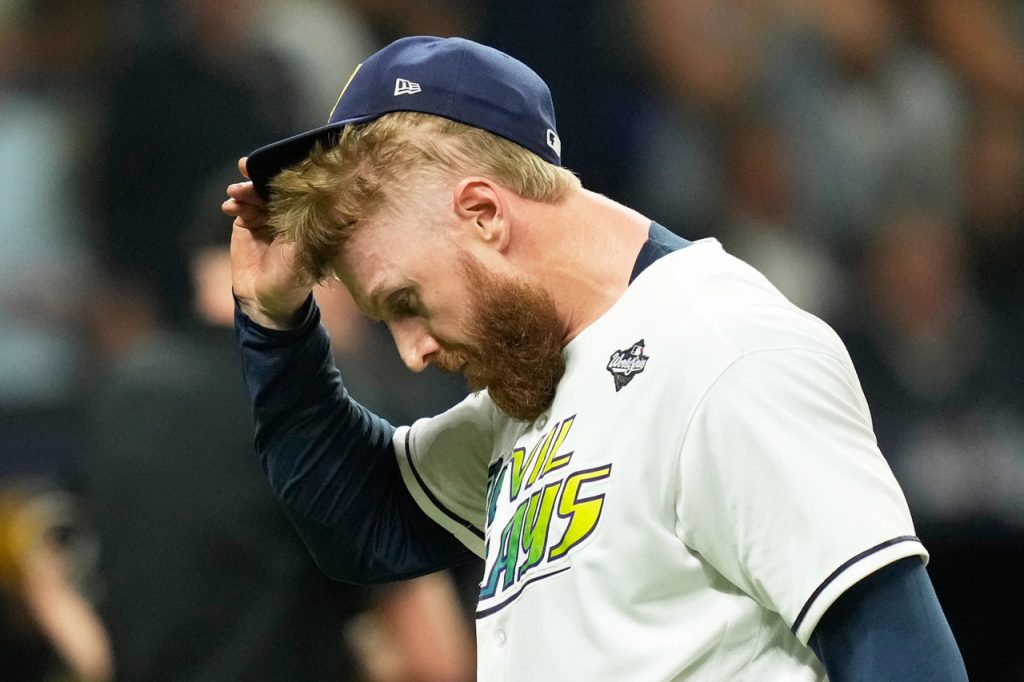
While Milwaukee’s offense attracted attention, Robert Gasser delivered the kind of pitching performance that kept the Rays from mounting a comeback. The Brewers’ left-handed starter allowed only one hit and one walk over six scoreless innings, striking out three batters. His lone hit came when Yandy Díaz singled to open the bottom of the first inning. Gasser then retired 14 consecutive batters before Victor Mesa Jr. drew a walk to begin the sixth. A caught stealing and a double play helped Gasser face the minimum 18 batters across his six innings, an impressive achievement in a World Series game. He became the first World Series starter since Arizona’s Curt Schilling in 2001 to face the minimum through six innings, and the first left-handed starter to do so since Sandy Koufax in 1965. Gasser’s control and efficiency prevented Tampa Bay from building sustained pressure while the Brewers steadily increased their lead. By the time he handed the game to Milwaukee’s bullpen, the Brewers were ahead 10-0, leaving the Rays with little realistic chance of getting back into the contest.
Milwaukee Extended Its Postseason Winning Streak to Eight Games

The Brewers’ World Series advantage is part of a longer postseason run that has made them one of the most difficult teams to beat this October. Milwaukee has now won eight consecutive postseason games, extending a streak that includes its National League Division Series and National League Championship Series victories. The team defeated the San Diego Padres in four games in the Division Series before sweeping the Los Angeles Dodgers in the Championship Series. Its three World Series wins have continued that momentum, combining strong starting pitching, timely hitting and contributions from across the lineup. Milwaukee also entered the postseason after winning a major league-best 103 games during the regular season, giving it a strong foundation before October began. With the Brewers now one victory away from their first World Series title, they also have an opportunity to complete a particularly rare run by sweeping both the League Championship Series and the World Series. The 1976 Cincinnati Reds were the last team to accomplish that feat. Milwaukee’s immediate priority, however, is Game 4 against Tampa Bay. One more win would turn an impressive postseason streak into a championship.