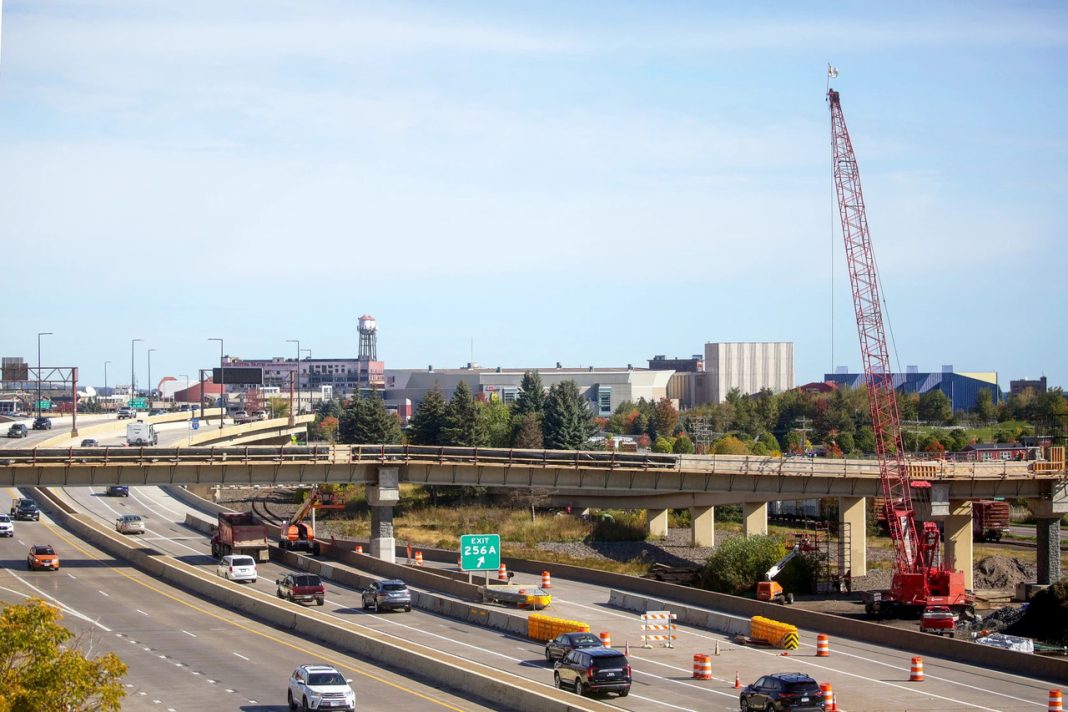

Duluth pedestrians will soon regain access to the bridge crossing Interstate 35 just south of Mesaba Avenue, with the Minnesota Department of Transportation scheduling its reopening for October 31, 2026. The replacement project brings improved accessibility, updated trail space and better highway clearance, although some finishing work will continue into spring 2027. From a temporary fence to a brief future detour, here are five important details pedestrians should know before returning to the crossing.
The Pedestrian Bridge Will Reopen on October 31

Duluth pedestrians will soon regain access to an important crossing over Interstate 35 after months of construction disrupted their usual routes. The Minnesota Department of Transportation has scheduled the bridge just south of Mesaba Avenue to reopen by 5 p.m. on Saturday, October 31, 2026. The reopening follows the completion of the main bridge structure, allowing people to cross the highway without relying on the temporary pedestrian detour used during construction. The project involved replacing the existing bridge as part of Minnesota’s broader effort to update aging pedestrian infrastructure. Although the structure is ready for public use, some finishing work will continue into next year. People using the bridge should therefore expect a temporary fence rather than the finished decorative railing when they return. The reopening is welcome news for pedestrians and trail users who have had to adjust their journeys around the construction site. Drivers traveling through the I-35 and Mesaba Avenue interchange should also remain attentive to the surrounding area as people begin using the crossing again.
The Decorative Metal Railing Will Not Be Ready Until Spring 2027

The bridge may be ready to reopen, but its most distinctive decorative feature will take a little longer to arrive. MnDOT says material delays have pushed the installation of the ornamental metal railing until spring 2027. The planned railing will feature a wave pattern, giving the bridge a more finished appearance while complementing the surrounding area’s visual design. The project plans also call for concrete parapet walls and bridge piers with a stamped, stone-like finish. These details were developed with input from a visual quality committee that met regularly in 2023 to help establish the bridge’s appearance. The delay affects the decorative railing rather than the completed main bridge structure, allowing MnDOT to reopen the crossing before every finishing detail is in place. For pedestrians, that means the bridge will be usable before its final appearance is complete. The permanent railing will be installed once the delayed materials become available and the remaining work can proceed. Until then, a temporary fence will provide the interim barrier along the bridge.
A Temporary Fence Will Remain in Place Over Winter

Anyone expecting to see the completed bridge in all its planned detail should be prepared for one visible difference: a temporary fence will remain in place through the winter. The fence is needed because the permanent decorative railing has been delayed until spring 2027. Rather than keep the entire crossing closed until the materials arrive, MnDOT plans to reopen the bridge once the main structure is complete and use the temporary barrier in the meantime. This arrangement allows pedestrians to resume using the crossing while the final railing work waits for better timing and material availability. The fence is a temporary measure, not an indication that the bridge structure itself remains unfinished. Once crews return to install the permanent wave-pattern railing, the temporary setup will be replaced as part of the finishing work. For now, pedestrians should follow any posted signs and avoid interfering with the barriers. The bridge’s reopening will restore the crossing, but its appearance will remain slightly different from the final design until the remaining work is completed next spring.
Pedestrians Should Expect Another Short Detour Next Spring

The October reopening will restore the pedestrian crossing, but it will not be the last time users need to adjust their routes. MnDOT expects the installation of the permanent railing in spring 2027 to require a pedestrian detour lasting approximately one week. That short closure will allow crews to complete the final railing work safely without exposing people using the bridge to an active construction area. The agency does not expect additional vehicle detours for this stage of the project, so drivers should not need to plan around another highway closure solely because of the railing installation. During the earlier construction period, pedestrians were directed along Mesaba Avenue, First Street and Sixth Avenue West. The exact arrangements for the spring work should be confirmed through updated project notices before the installation begins. Anyone who regularly uses the bridge for walking or other trail-related travel should keep an eye out for those announcements. The planned detour is expected to be brief, and once the permanent railing is installed, the bridge should be closer to its intended final appearance.
The Replacement Project Improves Accessibility and Highway Clearance

Beyond replacing an aging crossing, the project addresses practical requirements that affect how safely and comfortably people can use the bridge. MnDOT estimates the work will cost approximately $3.2 million and identifies three main benefits: meeting current Americans with Disabilities Act requirements, providing appropriate trail width and meeting Interstate 35’s vertical-clearance standards. Accessibility matters because pedestrian bridges should accommodate people with different mobility needs rather than serve only those who can manage stairs or narrow paths. Adequate trail width also gives pedestrians more room to cross comfortably. Meanwhile, vertical clearance is important on a major highway such as I-35, where vehicles need sufficient space beneath bridges to travel safely. The new structure is part of a wider effort to replace aging pedestrian bridges across Minnesota and bring them in line with current standards. Its design also includes aesthetic improvements, such as the wave-pattern metal railing and stone-like treatment planned for the concrete bridge piers. Although the permanent railing will not be installed until spring 2027, reopening the main structure this October will allow pedestrians to use the improved crossing while the remaining decorative work is completed.