

Detroit Lakes Public Schools is facing growing criticism after its school board sharply reduced public speaking time at a meeting dominated by controversy over rainbow stickers and LGBTQ+ inclusion. On October 26, 2026, board members limited individual comments to one minute and moved the public comment period to the end of the meeting. The changes frustrated parents, teachers and residents who wanted to challenge proposed school policies. Here are four key details explaining what led to the decision and why it has sparked backlash.
The School Board Enforced a One-Minute Limit on Public Comments
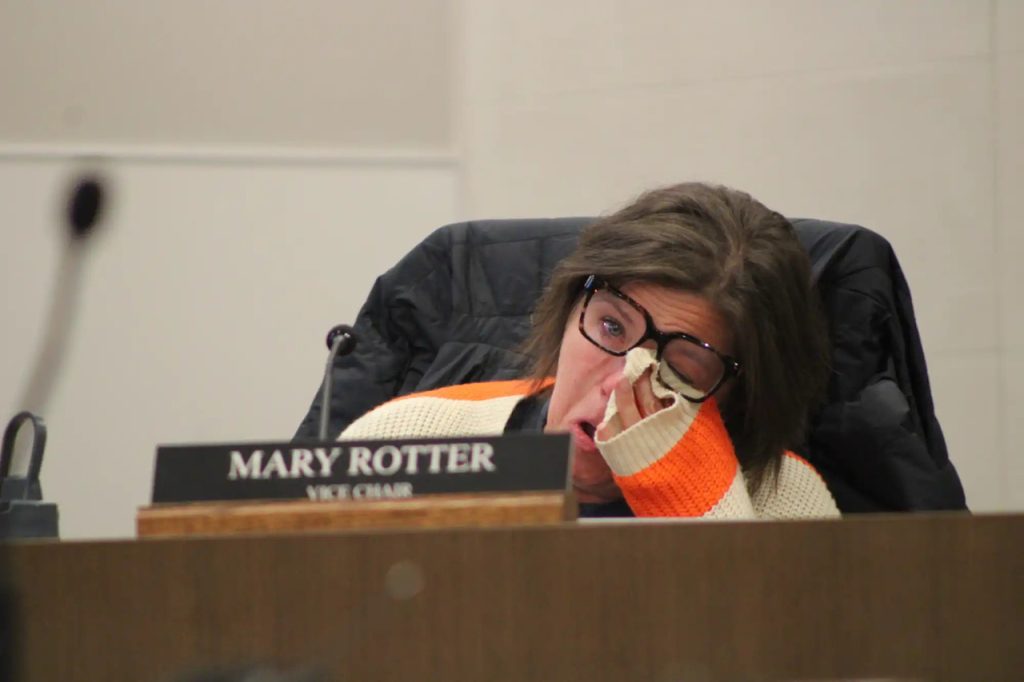
A single minute became the limit for residents hoping to address the Detroit Lakes Public Schools board on October 26, 2026, sharply reducing the time speakers usually receive. Public comments had typically been limited to a 15-minute period, with each speaker allowed up to five minutes. At the October meeting, however, Board Chair John Steffl enforced the overall 15-minute cap by limiting each person to just 60 seconds. Fourteen people had signed up to speak, and many wanted to challenge the board’s handling of policies affecting what students and teachers can display at school. The one-minute limit had appeared in previous meeting agendas but had not been enforced in the same way. Steffl said recent meetings had become too long, and the board wanted to move through an agenda that included several administrative presentations. Critics argued that the shorter limit made it harder to explain complicated concerns or respond to the board’s actions. Some speakers had prepared longer remarks and were forced to cut them down before stepping up to the microphone. The decision did not eliminate public comment entirely, but it significantly reduced the time residents had to make their case at a meeting already drawing strong community interest.
The Rainbow Sticker Controversy Triggered the Public Backlash
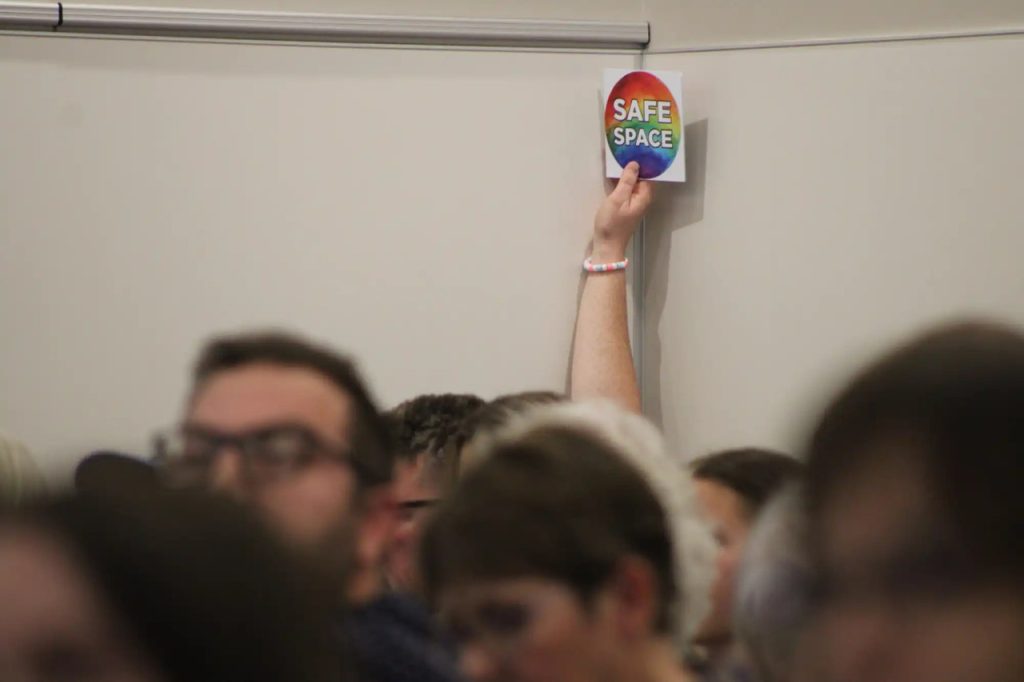
The dispute over public speaking rules unfolded against a larger conflict about rainbow flags and stickers in Detroit Lakes schools. In July 2026, the school board voted to remove non-school-sponsored materials, explicitly including rainbow stickers, flags and similar items. Some teachers had displayed rainbow stickers to signal that their classrooms were welcoming spaces for LGBTQ+ students. Supporters of the stickers argued that these symbols can help students feel accepted and identify adults they may feel comfortable approaching. Opponents of the displays argued that teachers should not use classroom spaces to communicate political or ideological messages. The July decision passed without advance public discussion of the proposed ban, prompting criticism from parents, teachers and community members. Following a legal challenge involving the American Civil Liberties Union of Minnesota and two students, the district rescinded the original ban in September. However, the board continued considering revisions to its broader policy on materials displayed by students and staff. That effort also encountered resistance from school administrators who raised questions about how the proposed rules would work in practice. By the October 26 meeting, the controversy had become a central source of public frustration, with many residents attending specifically to express opposition to the board’s approach.
Moving Public Comment to the End of the Meeting Added to Residents’ Frustration

For some residents, the change was not simply about having less time to speak. The board also moved public comment from its usual position near the beginning of the meeting to the end, changing when community members could address their concerns. Under the previous format, residents could speak before the board moved through the rest of its agenda. At the October 26 meeting, speakers instead had to wait until board members had heard presentations and worked through other scheduled business. Board Chair John Steffl explained that the agenda was lengthy and that he wanted board members to focus on reports from school administrators. Some residents objected that placing public comment last made it harder to influence discussions about matters affecting the community. They argued that feedback should be heard before the board debates policies or makes decisions, rather than after much of the meeting has already taken place. The concern was especially pronounced because many attendees wanted to discuss the proposed changes to rules governing classroom displays. The board did not take action on that policy at the October meeting, and further consideration was postponed until the following month. Even so, the new order of business became another point of disagreement between residents and school officials.
Residents Say the New Rules Make It Harder to Be Heard

The reaction to the one-minute limit revealed how deeply the dispute has affected relationships between the school board and the Detroit Lakes community. Fourteen people signed up to speak on October 26, including parents, teachers and other residents concerned about the rainbow sticker controversy and the board’s recent decisions. Some speakers had to shorten prepared remarks, while others chose to donate their allotted minute to another person. The meeting rules also allowed people to sign up as a group and designate one spokesperson. Not everyone opposed the change, with at least one speaker saying the limit applied equally to all participants. However, many critics felt that a minute was not enough time to explain complex concerns, particularly when the issue involved students’ rights, classroom policies and the treatment of LGBTQ+ students. The controversy also comes as three school board seats are up for election, making the board’s decisions a prominent local issue. Officials have not confirmed whether the one-minute limit will remain in place at future meetings. The next regular meeting was scheduled for November 23, 2026. Until the board clarifies its approach, residents are left uncertain about how much time they will have to address officials at future meetings.