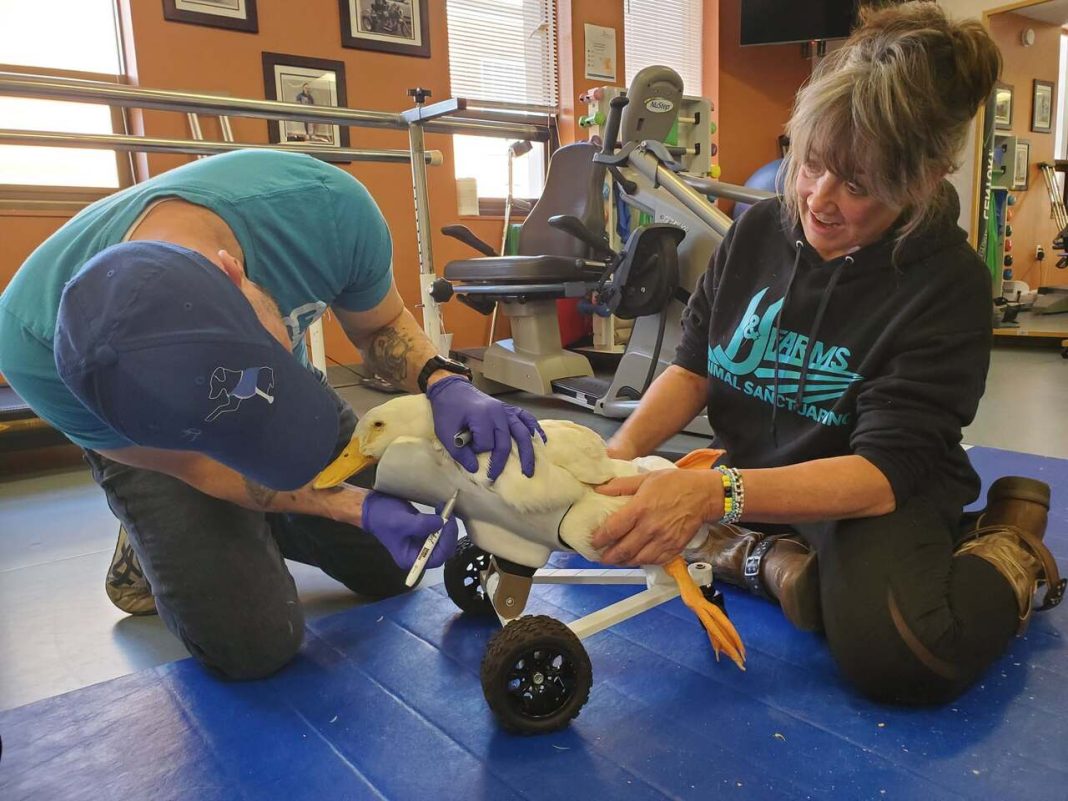

A duck named Stu is taking small but meaningful steps toward a more comfortable life after receiving two custom-made prosthetic feet. The resident of J and J Farms Animal Sanctuary in Pennsylvania lost both natural feet after severe frostbite, leaving him dependent on his wings to move around. Now, with help from animal prosthetics specialists, Stu is learning to stand and walk again. Although he still struggles with balance, his early progress has given his caregivers reason to hope. Here are six details behind his recovery.
Stu the Duck Is Learning to Walk Again With Two Prosthetic Feet
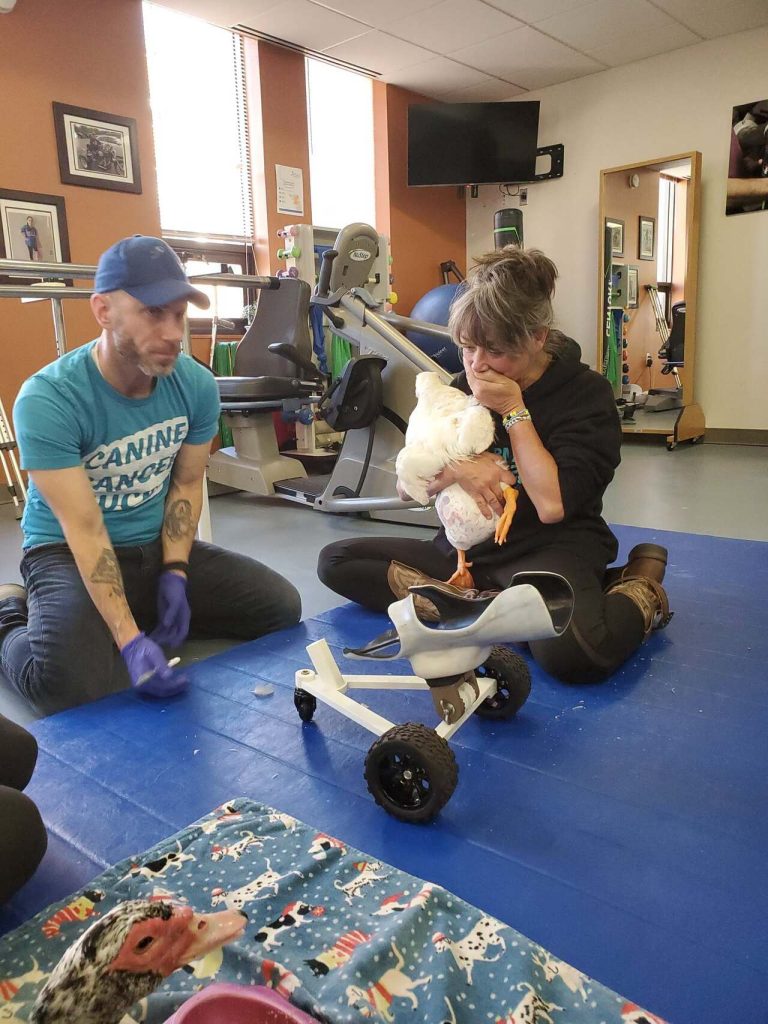
For Stu, a duck living at J and J Farms Animal Sanctuary in Saxonburg, Pennsylvania, a new pair of feet has opened the door to a different way of moving. On October 23, 2026, the sanctuary announced that Stu had received two prosthetic feet designed to help him stand and walk after losing both of his natural feet. The announcement marked an important step in his recovery, especially after months of relying on his wings to move around. His caregivers shared an update showing him standing on the new devices, followed by another post describing his excitement about them. Although he is still learning to use the prostheses, the early progress has given the sanctuary reason to be hopeful. The goal is to help Stu move more comfortably and regain some independence in his daily life. His recovery will take patience, since he must learn how to balance his body differently after spending so long moving without feet. For now, simply standing upright represents a meaningful achievement.
Stu Was Born With Only One Leg
Stu’s mobility challenges began at birth, long before he received his prosthetic feet. According to J and J Farms Animal Sanctuary, he was born without one leg but learned to get around using the other. That adaptation allowed him to move with his flock despite having only one natural foot. However, living with a single leg also meant that Stu could not distribute his weight in the same way as a two-legged duck. Birds often stand on one leg while drawing the other close to their bodies to conserve warmth, alternating between them as needed. Stu did not have that option because his only foot had to support him whenever he stood. This limitation became especially important during the cold winter months, when protecting his remaining foot from freezing temperatures was essential. Although he had adapted to his disability, his situation left him vulnerable to an injury that would ultimately change his life again.
Severe Frostbite Caused Stu to Lose His Remaining Foot
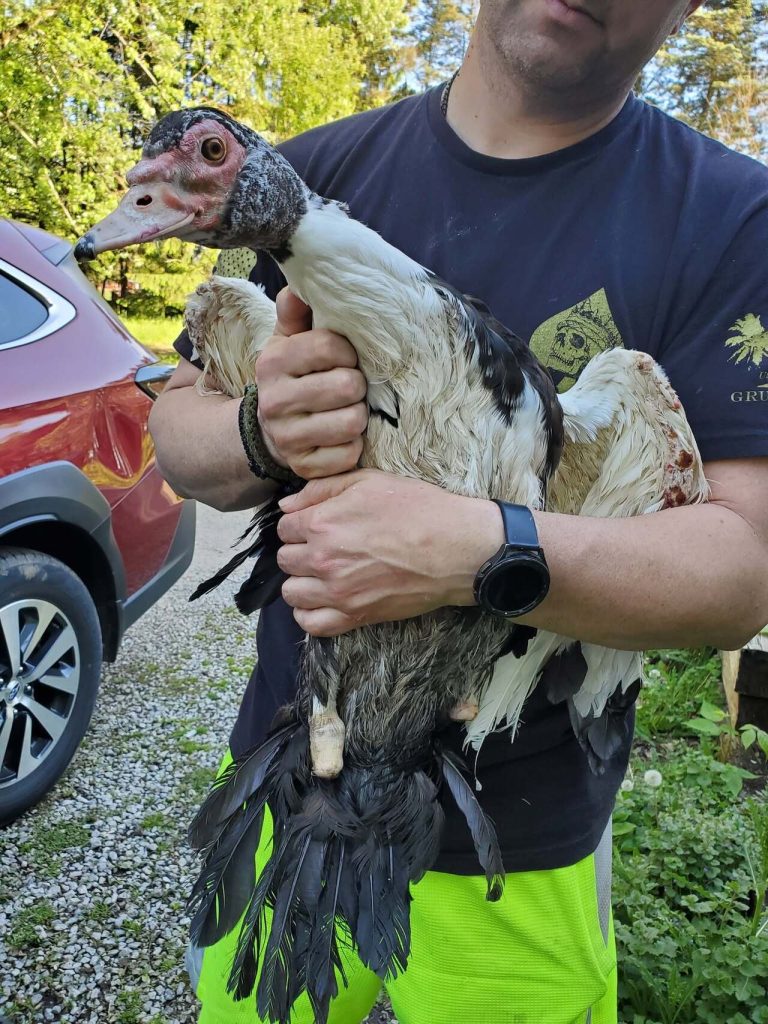
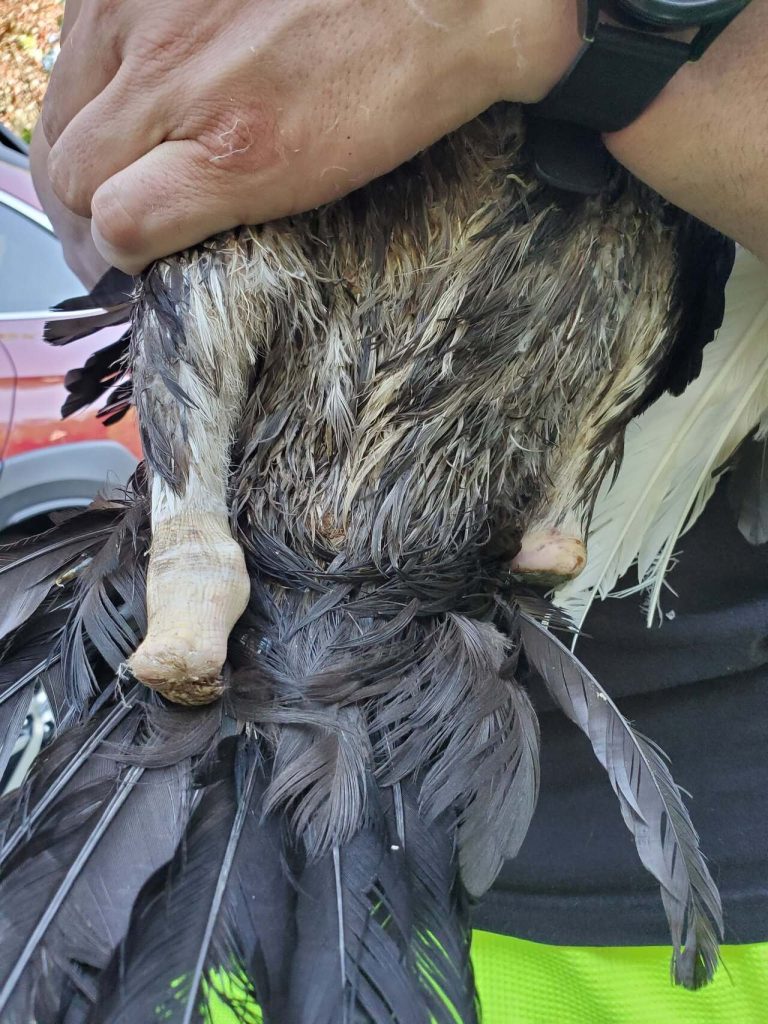
A harsh winter brought a serious setback for Stu, turning a manageable disability into a much greater challenge. While he was outside with the rest of his flock during bitterly cold weather, his only natural foot suffered severe frostbite. Because Stu had just one leg, he could not alternate between feet to reduce exposure to the cold in the way other birds can. The injury eventually led to the loss of his remaining foot. When he arrived at J and J Farms Animal Sanctuary in May 2026, he had no feet and was moving by scooting along the ground. The sanctuary reported that he used his wings for support and forward movement, and that repeated contact with the ground had caused calluses to develop along the sides of his wings. His condition made ordinary movement difficult and increased the importance of finding a way to help him stand and get around. The prosthetic feet were developed to give him a more stable way to move and reduce his dependence on his wings.
Custom Prosthetic Feet Were Made by Infinitely Able Pets
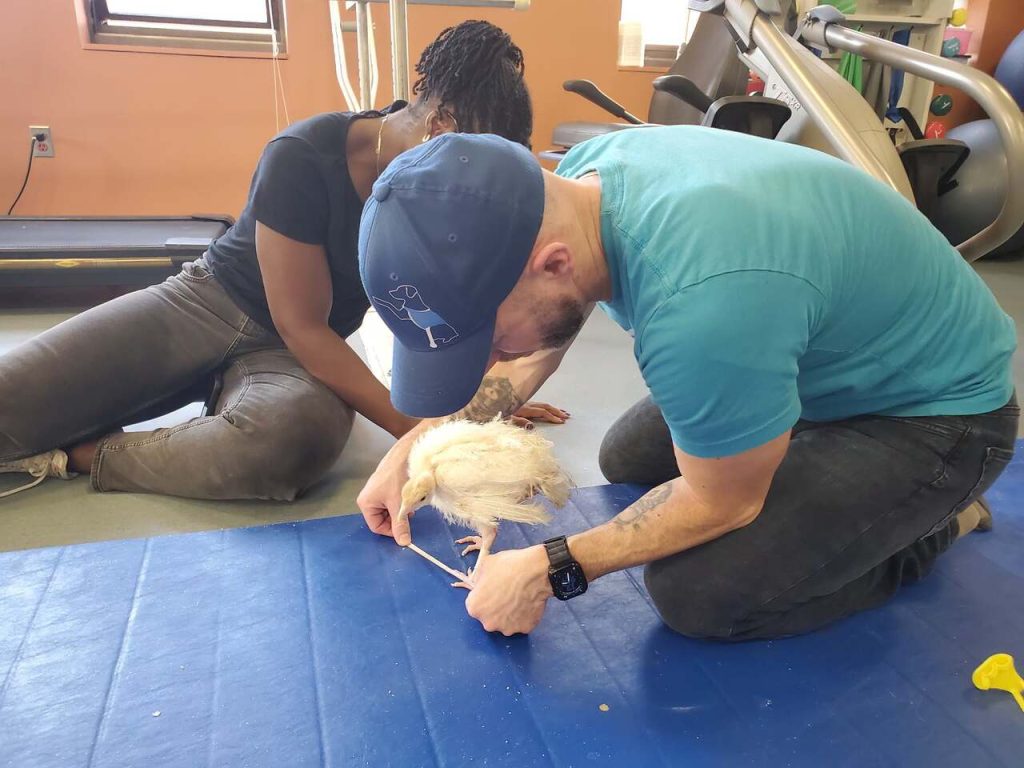
Giving Stu a new way to move required more than simply finding a replacement for his missing feet. The sanctuary worked with Infinitely Able Pets Orthotics and Prosthetics, a provider specializing in animal prosthetic and orthotic devices, to create a pair of prosthetic feet for him. The devices were designed to support his body and provide a stable base as he learns to stand and walk. Fitting a prosthesis to a bird presents particular challenges because its balance, posture, and movement differ from those of a human or a four-legged animal. The devices must help Stu support his weight without making movement more difficult. His caregivers are now observing how comfortably he can use them and how well he adjusts to the new equipment. The sanctuary has not announced a timetable for independent walking, and his progress will depend on how he responds to the prostheses. Still, receiving the custom-made feet gives him an opportunity to develop a more stable way of moving around.
Stu Can Stand and Take a Few Steps, but He Still Tips Forward
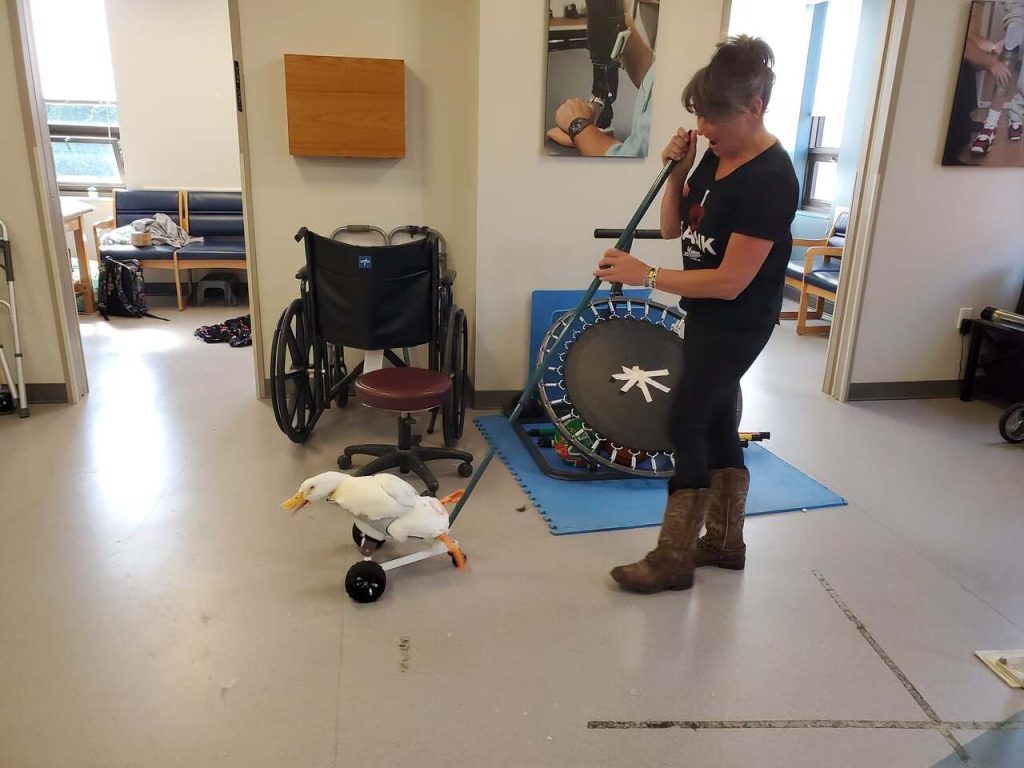
Learning to walk again is proving to be a gradual process for Stu. In its first update after the fitting, J and J Farms Animal Sanctuary reported that he had figured out how to stand upright on his prosthetic feet and could take a few steps before pitching forward. That early progress is encouraging, but it also highlights the challenge of changing a movement pattern that his body has relied on for months. Without feet, Stu learned to propel himself forward using his wings. The sanctuary says this has left his pectoral muscles exceptionally strong, meaning his body is accustomed to a very different form of movement. Now he must learn to shift his weight, maintain his balance, and rely on his legs rather than his wings. His tendency to tip forward suggests that he has not yet mastered that adjustment. Careful observation and time will be important as he gets used to the prostheses. For now, being able to stand and take several steps marks a promising beginning rather than the completion of his recovery.
The Sanctuary Will Continue Sharing Updates on Stu’s Recovery
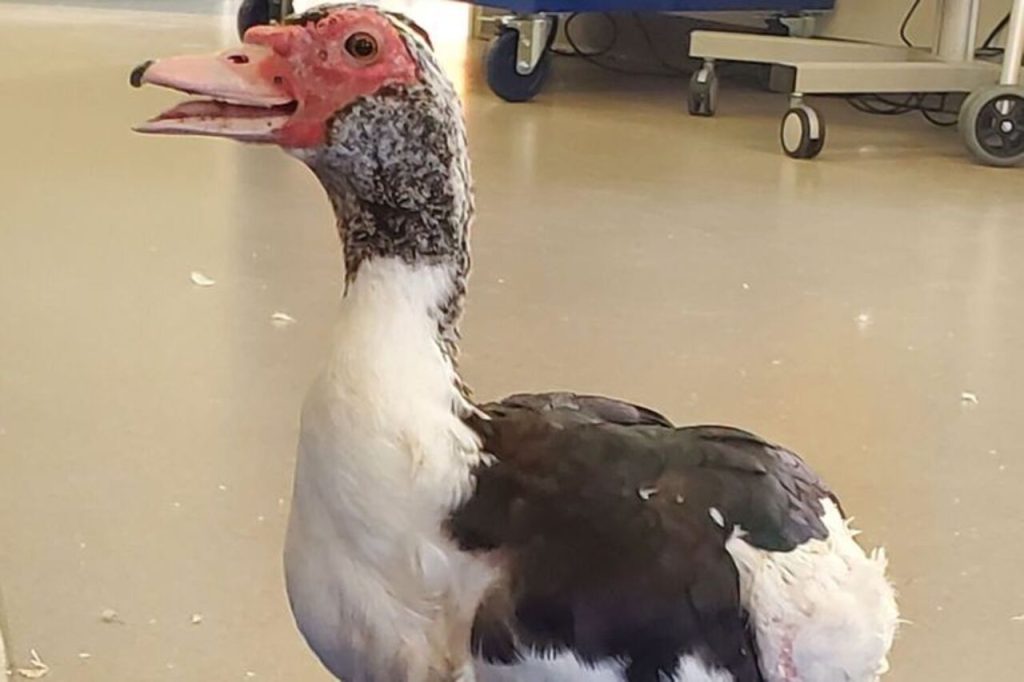
Stu’s story is still unfolding, and his caregivers are planning to keep the public informed as he adjusts to his new feet. J and J Farms Animal Sanctuary has said it will share further updates, allowing followers to see whether he becomes more comfortable standing, balancing, and moving around. His early progress is only one part of the recovery process. The team will need to observe how well he tolerates the prostheses during everyday activity and whether he can gradually reduce his reliance on his wings. Because Stu spent a long time compensating for the loss of his feet, developing a different way to move may take considerable patience. There is no confirmed timeline for when he might walk independently, and the sanctuary has not suggested that the outcome is guaranteed. Its immediate focus is helping him adapt safely and monitoring his progress over time. Stu’s experience also illustrates the specialized care that animal sanctuaries can provide for residents with significant physical disabilities, especially when tailored equipment offers a chance to improve mobility and quality of life.