
Recent developments involving Google and Nvidia have drawn attention to the growing role of artificial intelligence in American education, national security and financial markets.
Google is changing how schools manage access to its search engine and AI tools, while Nvidia’s decision to reinstate its chief executive has renewed questions about corporate oversight and compliance with US export regulations.
Although the developments are unrelated, both illustrate how decisions by major technology companies can affect institutions that depend on their products and services.
Google changes AI access for schools
On November 3, 2026, Google announced plans to disable access to Search, Gemini, Gemini Notebook and Gemini in Classroom by default for kindergarten through 12th-grade student accounts.
The changes are expected to take effect in early 2027. School administrators will be able to manage access to the individual services, but enabling Google Search will also give students access to its integrated AI features.
This creates a challenge for schools that want students to continue using Google Search while limiting their exposure to generative AI.
Google says the changes are intended to give educational institutions greater control over their use of its products.
The company is also developing Guided Learning features for Search and Google Classroom to help students understand academic concepts and work through problems rather than simply receive answers.
Google plans to provide additional information to schools ahead of the rollout.
The changes come amid a broader discussion among educators and policymakers about balancing the benefits of AI with concerns about independent learning, student safety and the appropriate use of technology in classrooms.
Nvidia’s leadership draws national security scrutiny
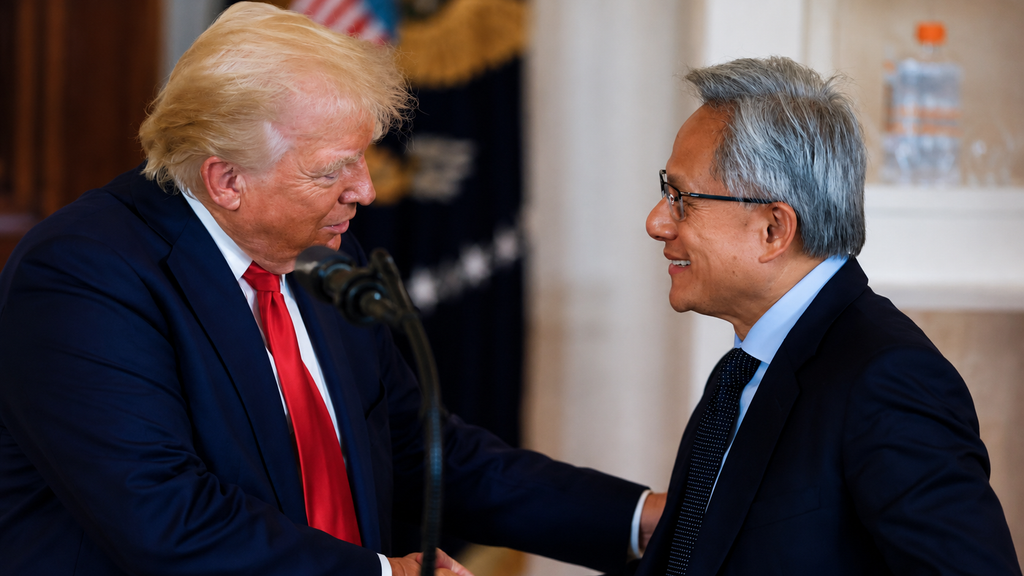
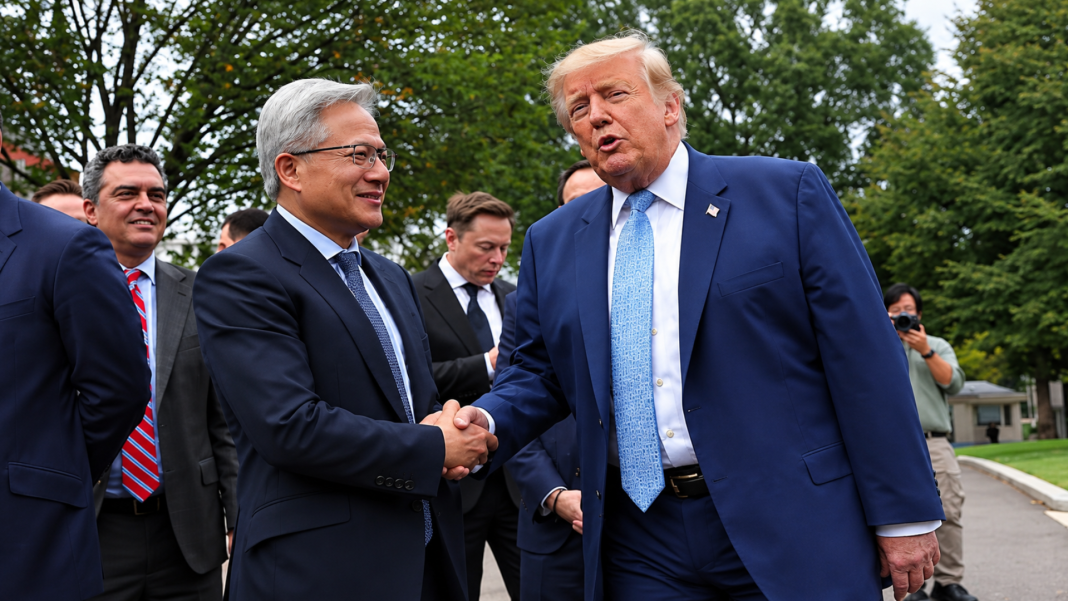
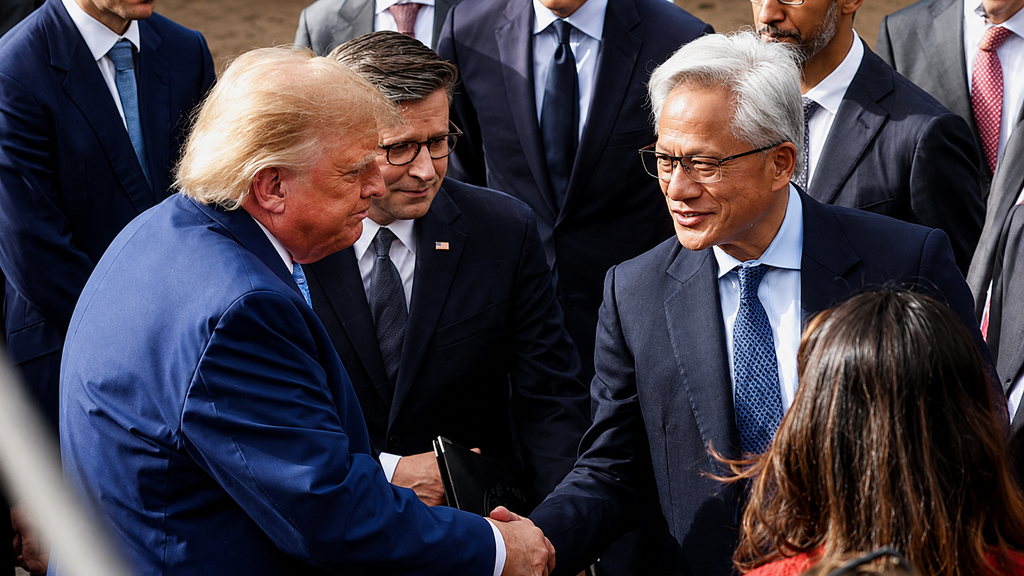
On November 23, Nvidia announced that its board had unanimously reinstated Jensen Huang as president and chief executive officer following his resignation earlier in the month.
His departure followed the disclosure of personal misconduct and reports raising national security concerns involving an alleged foreign intelligence effort.
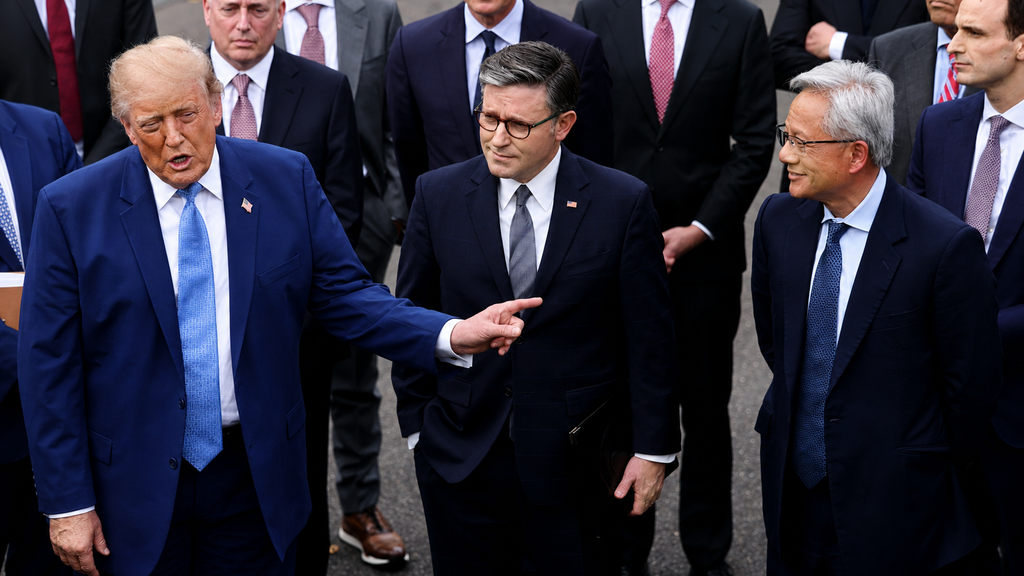
President Donald Trump said he had communicated directly with Nvidia’s board and expressed concern about the company’s long-term position in the US economy.
Nvidia said its board received information from senior US officials before concluding that Huang’s reinstatement presented no national security risk.
However, an independent investigation commissioned by the company remains ongoing. Nvidia has also established a board committee to oversee national security risks and export control compliance.
Lawmakers have requested further information about the circumstances surrounding Huang’s return and the administration’s involvement in the decision.
The developments have also contributed to volatility in financial markets. Nvidia shares rose approximately 31% on November 23 following the reinstatement announcement before falling more than 7% the following day.
The two cases highlight different challenges associated with the growing influence of major AI companies. Schools are considering how to manage access to increasingly integrated AI services, while lawmakers are examining corporate governance and national security safeguards.
Google is expected to provide further details about its education policies, while Nvidia’s independent investigation remains ongoing.