
Homeland Security Visit Signals Escalation In Minnesota Operations
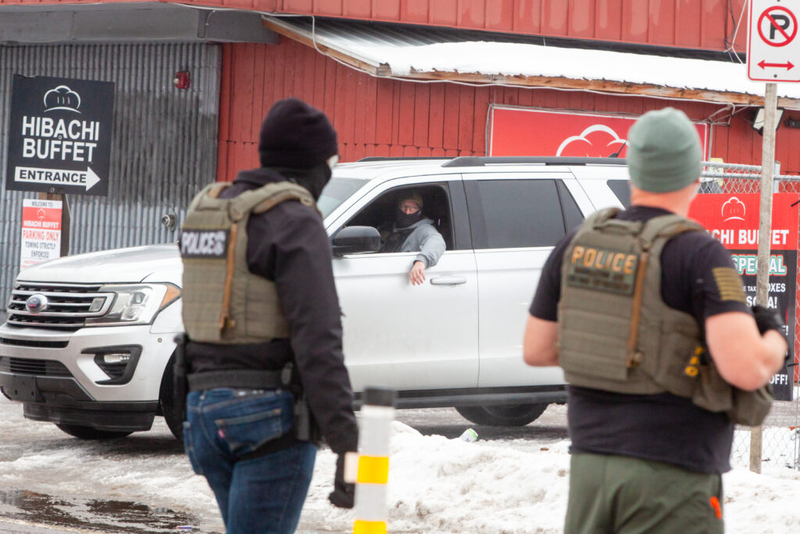
Minnesota became a focal point of national immigration policy this week as Homeland Security Secretary Kristi Noem visited the Twin Cities amid a sharp increase in federal enforcement activity. The visit coincided with the arrival of roughly 2,000 additional ICE agents across the metro area, on top of hundreds already deployed since December. Federal officials described the effort as an unprecedented security operation, framing it as a crackdown on fraud and public safety threats. Public videos released by Homeland Security showed arrests in St. Paul and meetings with local enforcement teams, underscoring the administration’s intent to project visibility and resolve. For many Minnesotans, the visit signaled not just enforcement, but a clear message that the state is now a central stage for a broader national strategy.
State Leaders And Community Groups Push Back
The expanded federal presence quickly drew criticism from Minnesota leaders and immigrant advocates. Governor Tim Walz accused federal agencies of operating without coordination, transparency, or advance notice, calling the deployment excessive and performative. He questioned the scale of resources used for arrests that appeared limited in scope. Immigrant rights organizations reported an increase in enforcement encounters across the metro, though exact numbers remain unclear. Unlike earlier large scale raids that drew public attention, current operations appear smaller and faster, making them harder to track. Critics argue the lack of communication and oversight risks undermining trust while escalating fear in immigrant communities already navigating uncertainty about enforcement priorities and legal protections.
Civil Rights Concerns Grow As Enforcement Expands
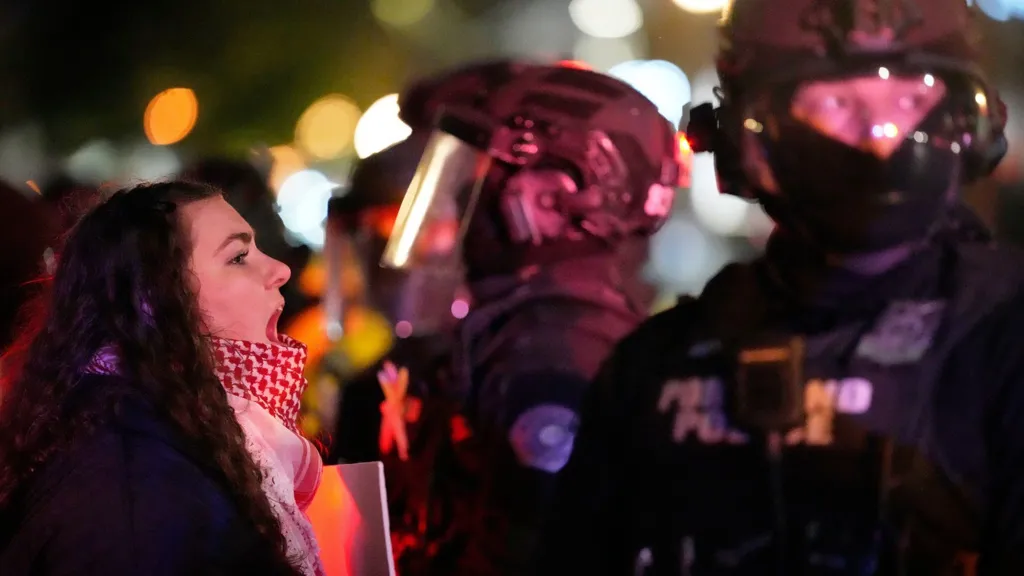
Beyond political tensions, civil liberties groups warn that the surge may be creating serious constitutional concerns. Advocates point to reports of ICE agents entering sensitive locations, including medical facilities, without judicial warrants. Health care professionals say fear of immigration enforcement is discouraging families from seeking treatment, potentially putting vulnerable patients at risk. Legal organizations in Minnesota have filed lawsuits alleging unlawful detentions, arrests without probable cause, and retaliation against protesters. As federal officials defend the operation as necessary for safety and fraud prevention, opponents argue the approach may violate fundamental rights. The debate now unfolding in Minnesota reflects a larger national reckoning over how immigration enforcement is carried out and who bears its consequences.