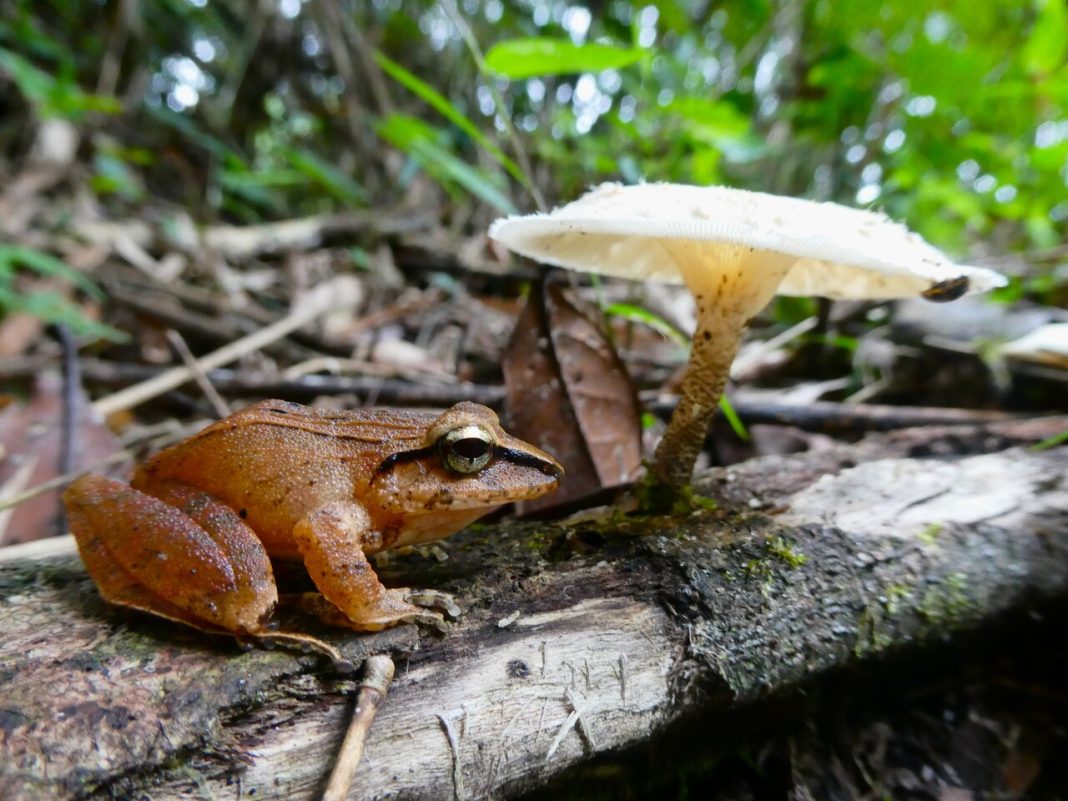

For nearly five decades, scientists have struggled to explain why so many frogs suddenly vanished from Brazil’s Atlantic Forest. Now, a surprising investigation involving hundreds of preserved museum specimens has uncovered evidence pointing to a deadly fungal disease. The findings offer a compelling explanation for the mysterious population collapse while revealing how some surviving species may have gradually developed greater tolerance to the infection.
Frogs Began Disappearing From Brazil’s Atlantic Forest Between 1979 and 1982
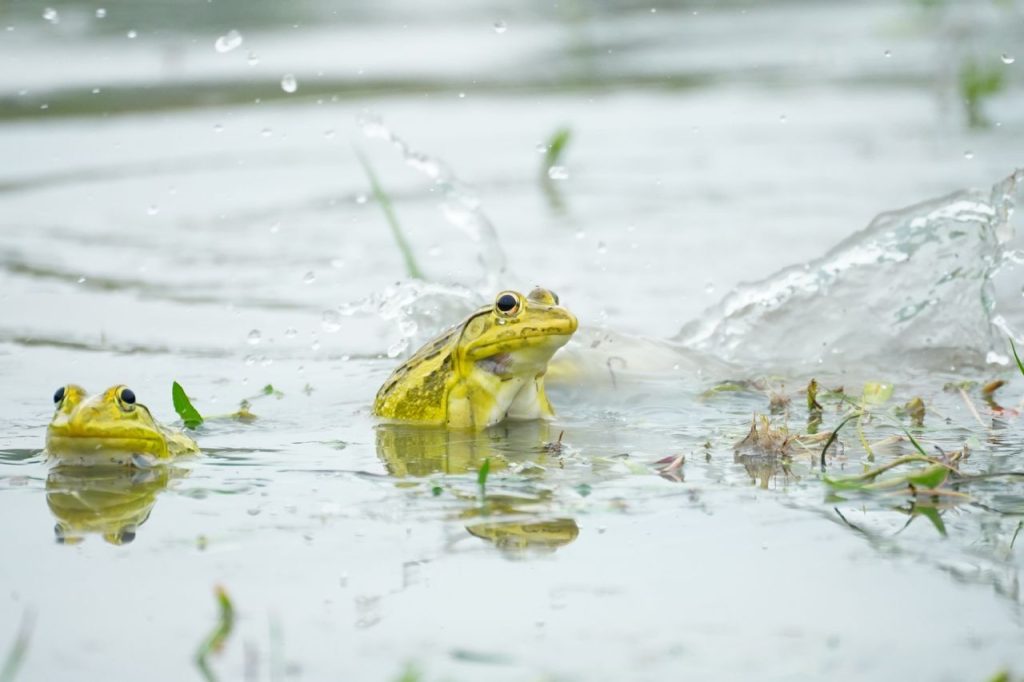
The disappearance of frogs from Brazil’s Atlantic Forest was not a gradual change that went unnoticed. Researchers at the Boracéia Biological Station in São Paulo state documented dramatic amphibian declines between 1979 and 1982, with some species suffering severe population losses. The region is part of one of the world’s richest biodiversity hotspots, making the sudden decline particularly concerning. For years, scientists struggled to identify what had caused the die-offs. Some earlier explanations pointed to climate change and extreme weather, both of which can affect amphibian survival and the conditions that allow diseases to spread. The mystery became even harder to investigate because the suspected pathogen had not yet been formally identified. The fungus now associated with the outbreak was not scientifically described until 1999, long after the Brazilian frogs had begun disappearing. Researchers have since revisited the historical evidence, and the timing of the population collapse has become an important clue in understanding how a disease may have moved through the local amphibian community.
More Than 370 Preserved Museum Specimens Helped Scientists Reconstruct the Outbreak
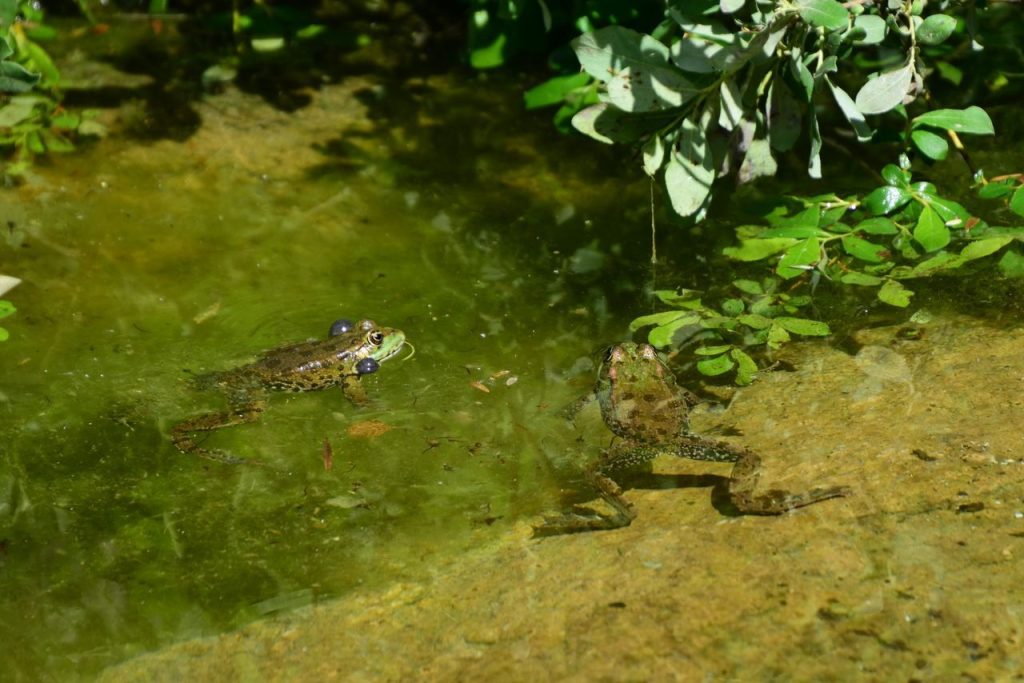
Sometimes the most valuable evidence in a modern scientific investigation has been sitting in a museum collection for decades. To understand what happened at Boracéia, researchers examined more than 370 preserved amphibian specimens representing 17 species. The animals had been collected during five field campaigns by William Ronald Heyer, a former curator of amphibians and reptiles at the Smithsonian’s National Museum of Natural History. Two of those collecting trips took place in the 1970s, before the major declines, while three occurred during the 1980s, after the die-offs. This gave scientists a rare opportunity to compare frogs from before and after the mysterious outbreak. They tested samples from the preserved animals for signs of chytrid infection, looking for evidence of when the fungus first appeared and how its presence changed over time. The value of the collection became clear when the results revealed a sharp difference between the two periods. Researchers also returned to Boracéia six times between 2022 and 2024 to study modern amphibian populations, allowing them to compare historical records with the species still found at the site.
Scientists Found Evidence Linking the Disappearances to a Deadly Chytrid Fungus
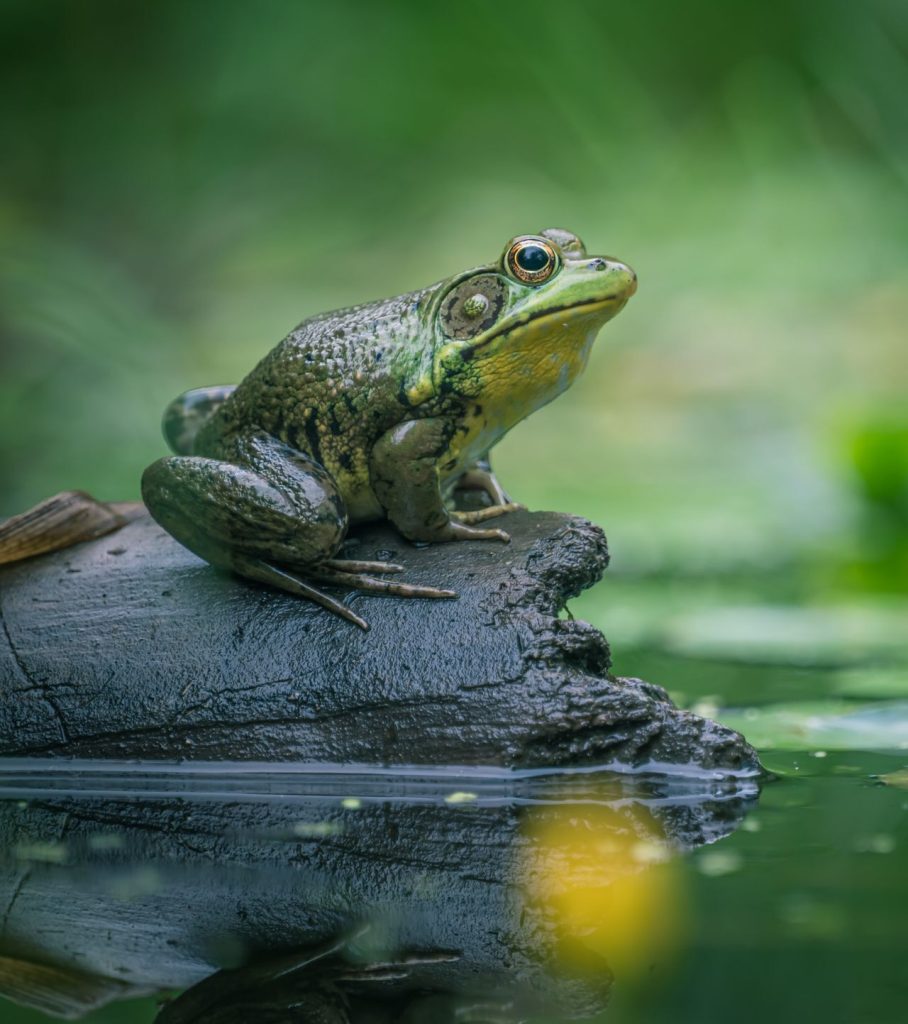
The strongest clue came from the difference between specimens collected before and after the frog populations collapsed. None of the animals collected before 1979 showed evidence of infection with the chytrid fungus, while more than half of the specimens collected during the 1980s tested positive. The disease, known as chytridiomycosis, is caused by the microscopic fungus Batrachochytrium dendrobatidis, commonly shortened to Bd. It attacks amphibians through their skin, which plays an essential role in regulating water and electrolytes. Severe infections can disrupt these functions and lead to heart failure and death. Scientists believe the pathogen originated in Asia and spread internationally during the 1970s and 1980s, although it was not formally described until 1999. The new findings provide strong evidence that its arrival at Boracéia coincided with the historical frog losses. Researchers do not rule out environmental influences, since weather and climate conditions can affect disease transmission and animal susceptibility. However, the timing of the infection strongly supports chytrid as a major factor behind the outbreak at this particular site.
Many Surviving Frog Species Appear to Have Developed Greater Tolerance to the Disease
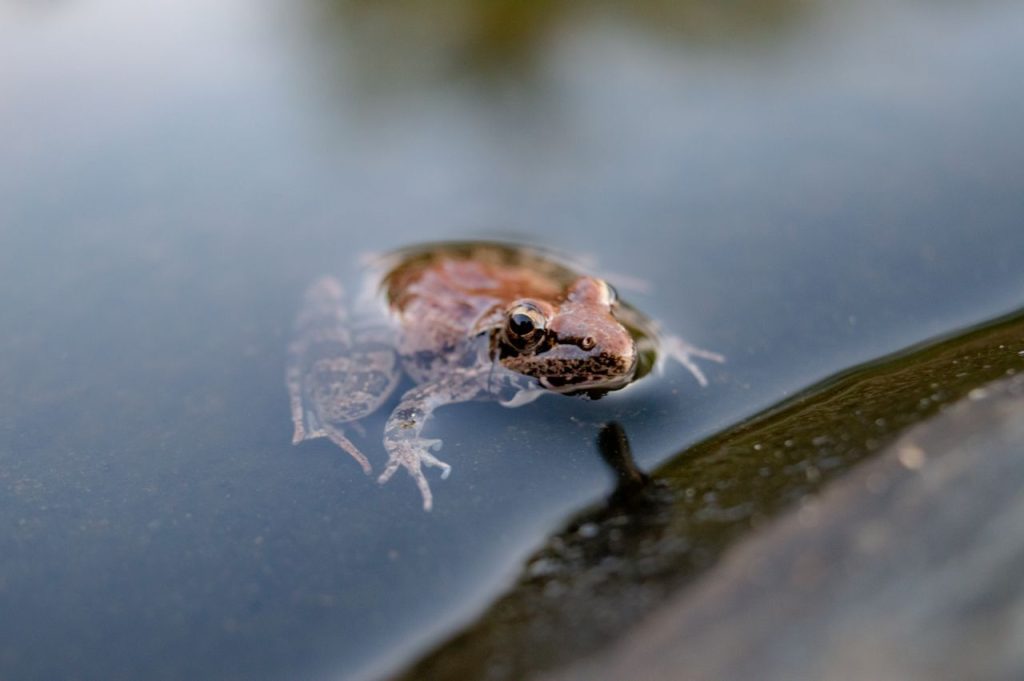
The most encouraging part of the investigation is that the story at Boracéia did not end with the devastating losses of the early 1980s. When researchers returned between 2022 and 2024, they found 12 of the 17 species represented in the historical museum collection. The remaining five were not detected, although scientists cannot yet determine whether they have disappeared permanently from the area. Most of the species still present appear to have recovered since the earlier declines. Chytrid fungus continues to infect frogs at the site, but researchers believe some species may have developed greater tolerance over successive generations. This helps explain an otherwise puzzling finding: species that remained relatively stable during the outbreak often showed high infection levels, while those that declined most dramatically had no detectable infections in the preserved specimens. Scientists suspect the most vulnerable frogs may have died quickly after becoming infected, leaving few infected individuals available for collection. The findings offer valuable lessons for amphibian conservation, particularly as another fungal pathogen, Batrachochytrium salamandrivorans, threatens salamanders in Europe and could pose risks to North American populations. Researchers are now studying DNA from museum specimens to better understand how amphibians respond to these diseases.