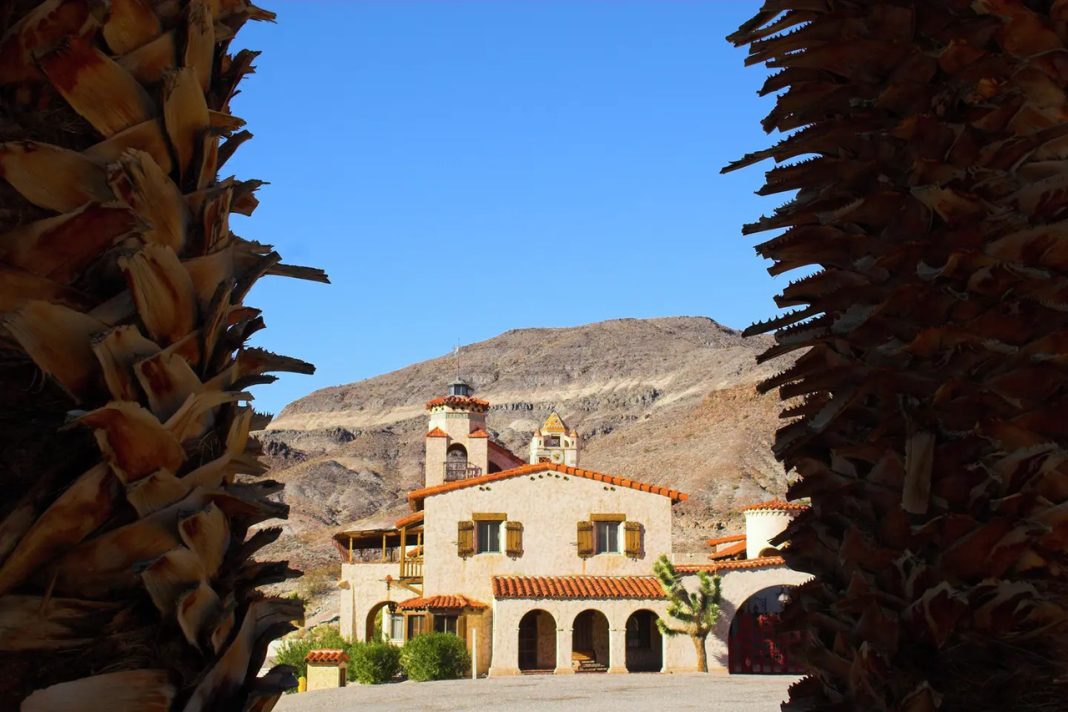

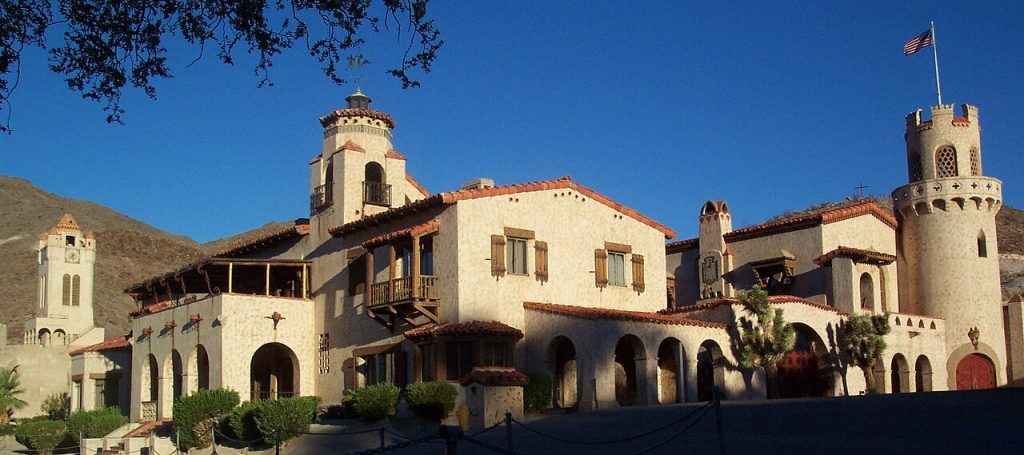
Scotty’s Castle has remained closed since a devastating 2015 flood damaged the historic Death Valley property. While restoration efforts continue, more than 12,400 artifacts, including furniture, artwork, books, and household belongings, remain in secure off-site storage. A subsequent fire, staffing shortages, preservation costs, and construction delays have made their return a lengthy process. Here is why the historic collection is still waiting to come home.
A Historic Flood Forced Scotty’s Castle to Close in 2015
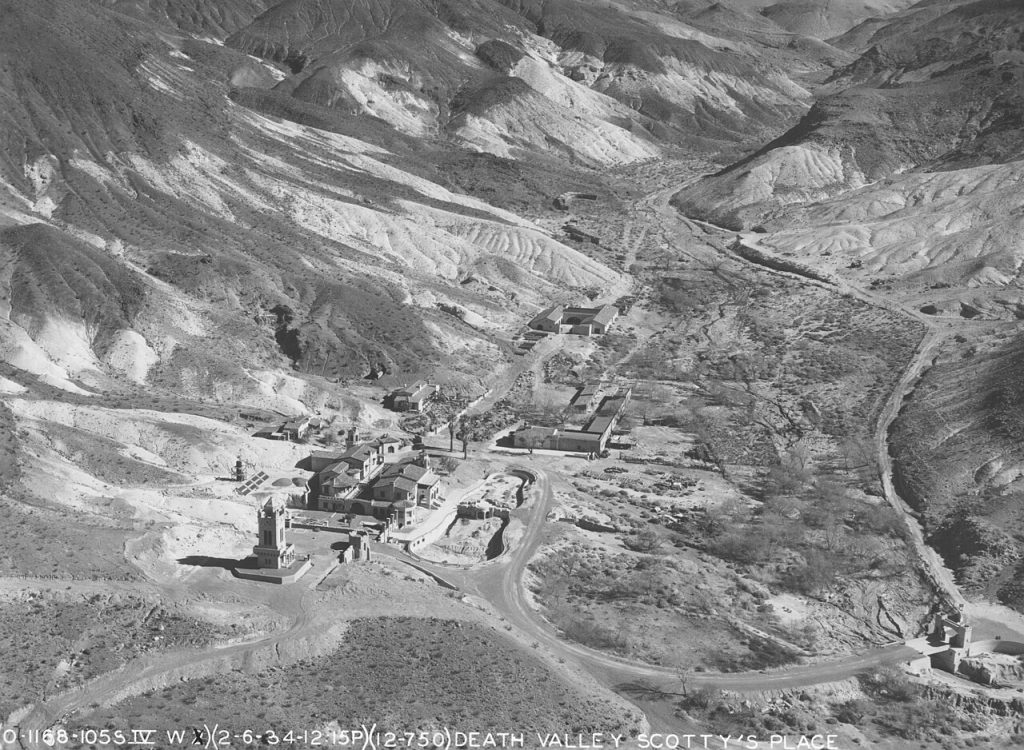
The trouble began on October 18, 2015, when an extraordinary flash flood swept through Grapevine Canyon in Death Valley National Park. Nearly a year’s worth of rain fell in just five hours, sending a powerful surge of water, mud, and rocks toward Scotty’s Castle. The flood damaged roads, utilities, and several historic structures, leaving parts of the property unsafe for visitors. Some buildings were filled with thick layers of mud and debris, while access routes and essential infrastructure needed extensive repairs. The damage was serious enough that the National Park Service closed the site to the public. The collection also faced a difficult decision: leaving valuable historic objects inside buildings exposed to unstable conditions, moisture, and other risks was not a responsible option. In 2016, a conservation team spent months carefully packing and removing thousands of objects. Most were transported in 14 tractor-trailers to a secure warehouse in Compton, California, where they could receive more controlled care. The move protected the collection, but it also began a period of separation from the rooms and buildings that gave these objects their historical context.
A 2021 Fire Added More Damage While Restoration Work Was Underway

Just as the park was making progress on repairs, another disaster created fresh complications. In 2021, a fire damaged or destroyed several structures at Scotty’s Castle, including the historic garage that had served as the visitor center. The garage had already been undergoing repairs after the 2015 flood, and the fire destroyed it when the work was reportedly around 60% complete. The incident added another major project to an already demanding restoration effort. It also affected plans for visitor facilities and the wider historic district, since the park needed to reconsider how people would access the site once it reopened. The main house and annex, which contain much of the historic collection’s original display space, are not the same as the damaged garage, but the wider property still needs coordinated repairs and safety improvements before a full return can happen. The fire therefore became another obstacle in a recovery process that was already taking years. Rebuilding and adapting other structures, restoring infrastructure, and ensuring the site can safely welcome visitors all compete for time, funding, and specialist attention.
The Collection Needs a Dedicated Curator and Specialized Preservation
Keeping more than 12,400 historic objects safe is a substantial responsibility, and it takes more than finding a secure room to store them. The collection includes books, artwork, furniture, cutlery, and objects connected to frontier life, all of which need appropriate handling and environmental conditions. The items are held in a guarded warehouse with controlled temperature and humidity to help prevent problems such as mold and rust. The collection’s former dedicated curator, Gretchen Voeks, retired in 2022 after 27 years with the National Park Service. Although the park says it employs a curator and a full-time curatorial technician, the Scotty’s Castle collection is larger than all the rest of Death Valley’s collections combined. That scale makes it difficult to manage alongside other responsibilities without someone focused specifically on these objects. The storage contract is overseen by Pacific Coast Conservation, working with a specialist fine-art handling company. Maintaining the collection costs more than $350,000 annually, with much of the expense going toward warehouse space and a smaller share covering specialist conservation work. Some objects, including rugs, have required treatment by specialists. The careful storage protects the collection, but it cannot replace the long-term goal of returning the objects to their historic setting.
Funding, Staffing, Contracting, and Repair Delays Have Stalled the Return

Even with the collection safely stored, bringing it home depends on a long list of restoration projects being completed first. The National Park Service has identified funding and staffing challenges, legal requirements for protecting historic and natural features, contracting problems, unexpected site conditions, the pandemic, additional flooding, and the 2021 fire among the reasons for delays. These projects also require specialized administrators who can evaluate bids, award contracts, and manage the work, so a shortage of experienced staff can slow progress even when plans are ready. The park is targeting 2027 for contracts covering work on the parking lot, Longshed, and Gas Tank House, with the latter intended to become a visitor contact station. Even after those projects are completed, moving the collection back will take additional time. The Park Service has indicated that a full reopening is unlikely before 2028 at the earliest. There have been discussions about returning a smaller group of roughly 1,200 objects, and conservation staff have submitted proposals for doing so, but those plans have not yet moved forward. Until the buildings are considered safe and suitable for the collection, the objects must remain in storage.