

St. Paul Downtown Airport is looking far ahead. The new draft 2045 plan gives a clear picture of what airport leaders think STP will need over the next 2 decades.
For people who live, work, or fly near the airport at 644 Bayfield Street, the big takeaway is simple. This is a planning document, not a green light for construction.
Why the airport is planning this far ahead
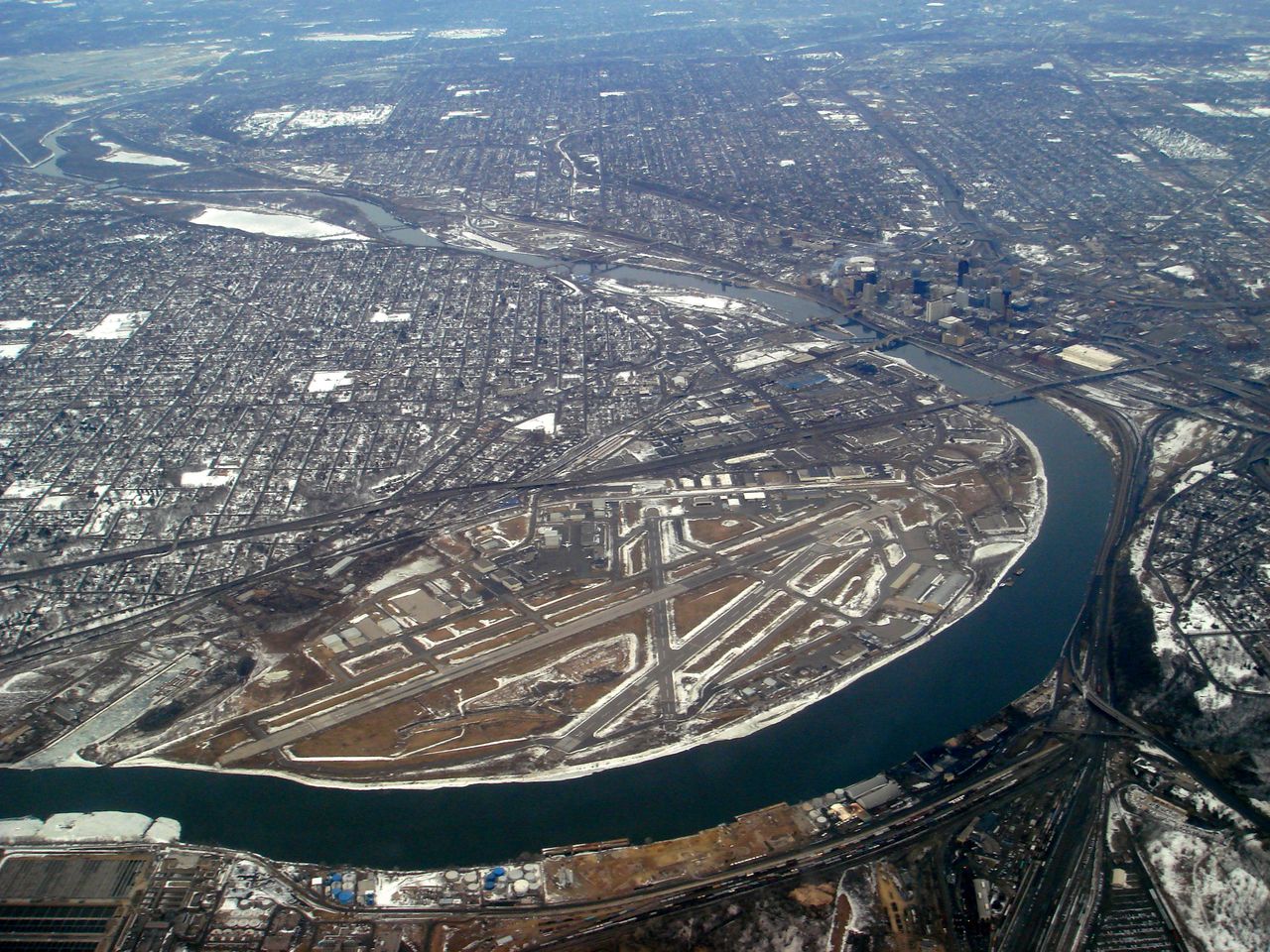
The Metropolitan Airports Commission has opened a 45-day public comment period for the St. Paul Downtown Airport 2045 Long-Term Plan. According to Bridget Rief, the MAC’s vice president of planning and development, the draft is meant to identify facility and infrastructure needs based on projected airport activity.
STP plays a specific role in the Twin Cities system. It sits across the Mississippi River from downtown St. Paul and mainly serves corporate based aircraft, which is a big reason the airport remains strategically important.
It also has the longest runway among the 6 general aviation airports operated by the MAC. That primary runway measures 6,941 feet, which helps explain why STP handled 40,732 aircraft operations in 2025.
The airport is also a major base for aviation services and storage. Hangar space is in demand for more than 100 aircraft, showing that this is not a small side facility but a busy working airport with ongoing space pressures.
What the draft plan actually proposes

The draft plan centers on a handful of practical goals rather than dramatic expansion. One of the biggest priorities is improving safety and object-free areas around Runway 14-32, a key operational issue for an airport with STP’s traffic levels.
The MAC also wants to simplify and standardize runway and taxiway configuration and geometry. In plain terms, that means making aircraft movement on the airfield more consistent and easier to manage over time.
Another important point is what the plan does not do. The draft preserves the primary runway length at 6,941 feet, and there are no proposed modifications to expand that runway.
The plan also aims to maximize available runway when the temporary floodwall is deployed, open acreage for aeronautical development, and accommodate emerging aviation technologies. Those goals suggest the airport is trying to use its existing footprint more efficiently, not simply get bigger.
What happens next and how the public fits in
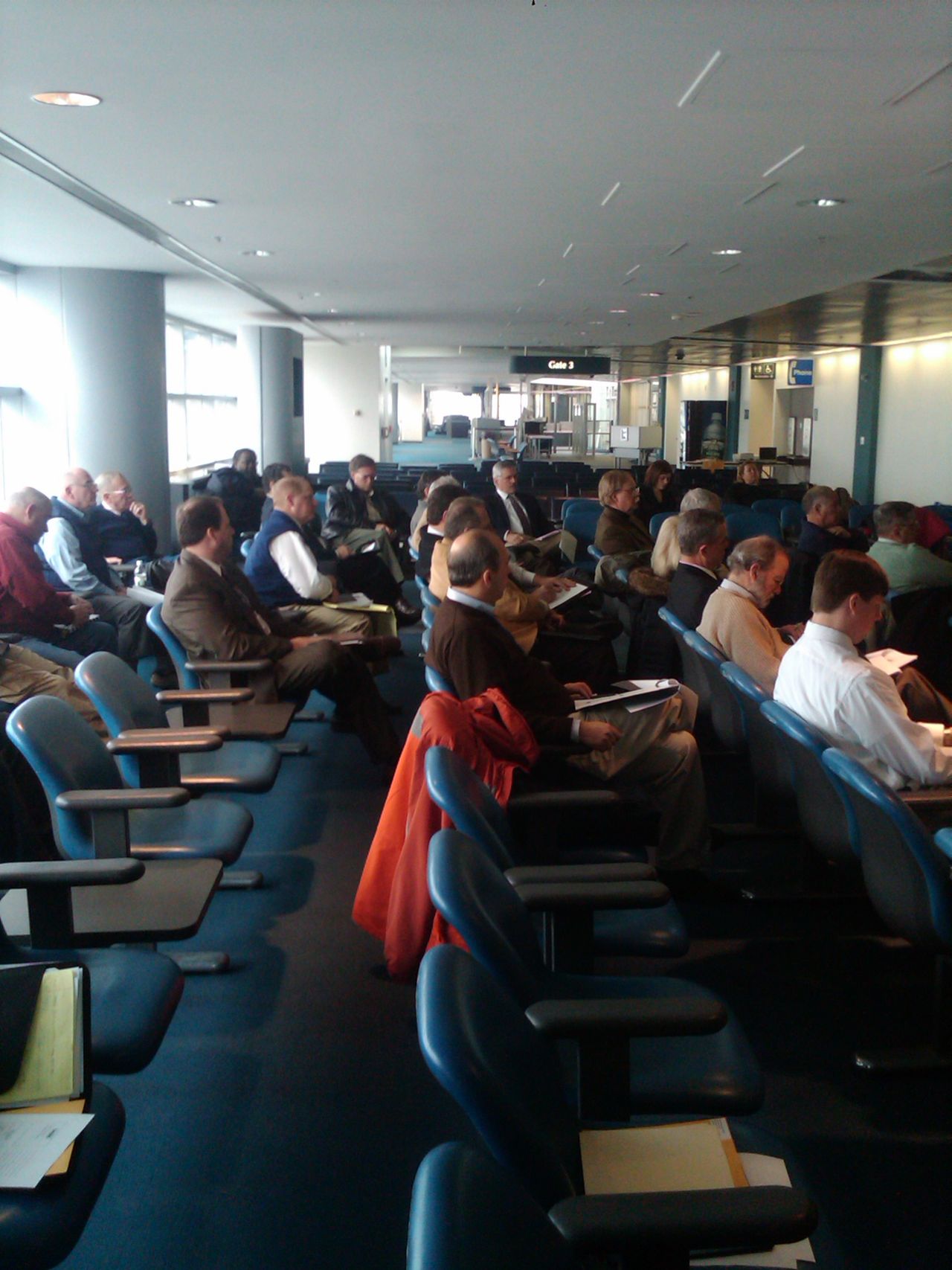
Right now, the plan is still only a draft, and that distinction matters. The MAC has made clear that the document outlines potential airport projects, but it does not authorize construction at this stage.
Before any specific project could move ahead, the airport would still need any required environmental review processes. The MAC would also need to vote on separate budget actions before formally approving individual projects for construction.
Public input is part of that process. The MAC has scheduled an open house called Discover St. Paul Downtown Airport for Wednesday, Nov. 4, 2026, from 4:30 p.m. to 6:30 p.m. at the STP airport administration building at 644 Bayfield Street in St. Paul.
Written comments will be accepted until 5 p.m. on Wednesday, Dec. 9, 2026. With free parking available onsite, the message from the airport is pretty straightforward: the 2045 vision is being drafted now, and this is the window for the public to weigh in.