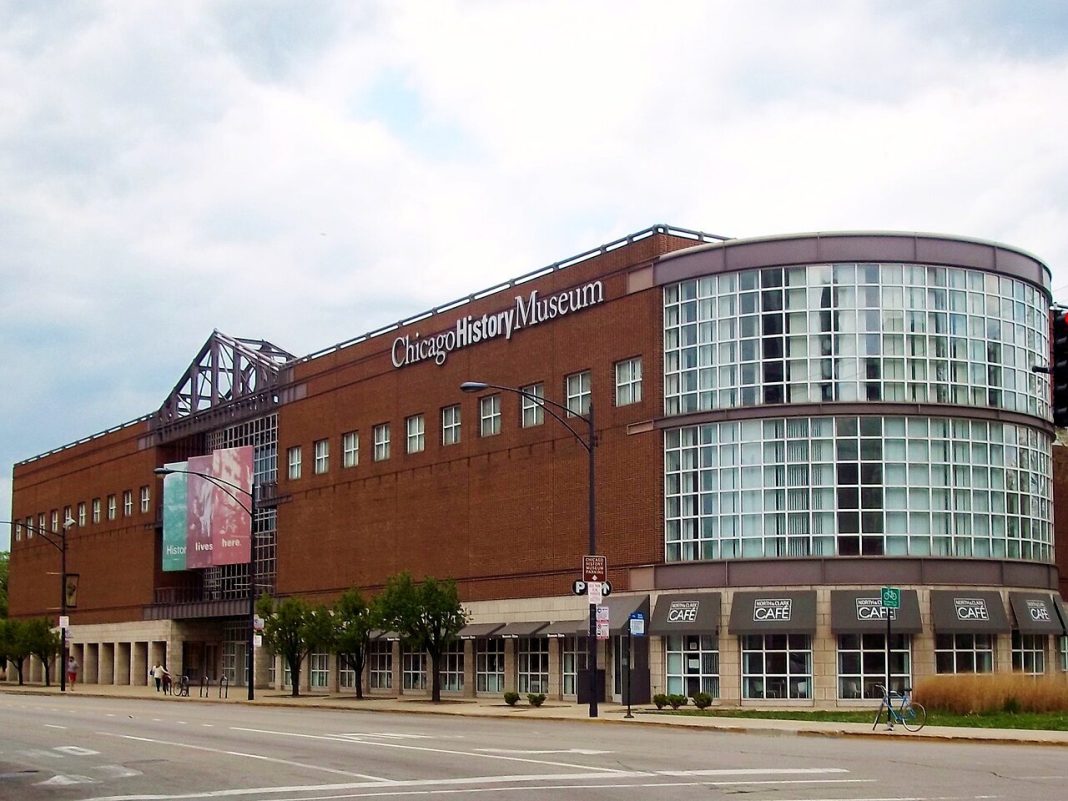

What did America’s earliest presidents wear, and how do museums keep their belongings intact centuries later? Chicago History Museum’s new exhibition, Threads of a Nation: Preserving Presidential Clothing, explores these questions through historic garments, documents, and artwork. From John Adams’s 18th-century suit to a dress fragment connected to Mary Lincoln, the six featured artifacts reveal personal stories and important moments in American history while showing the careful work required to preserve them.
John Adams’s Suit Offers a Glimpse Into 18th-Century Presidential Style
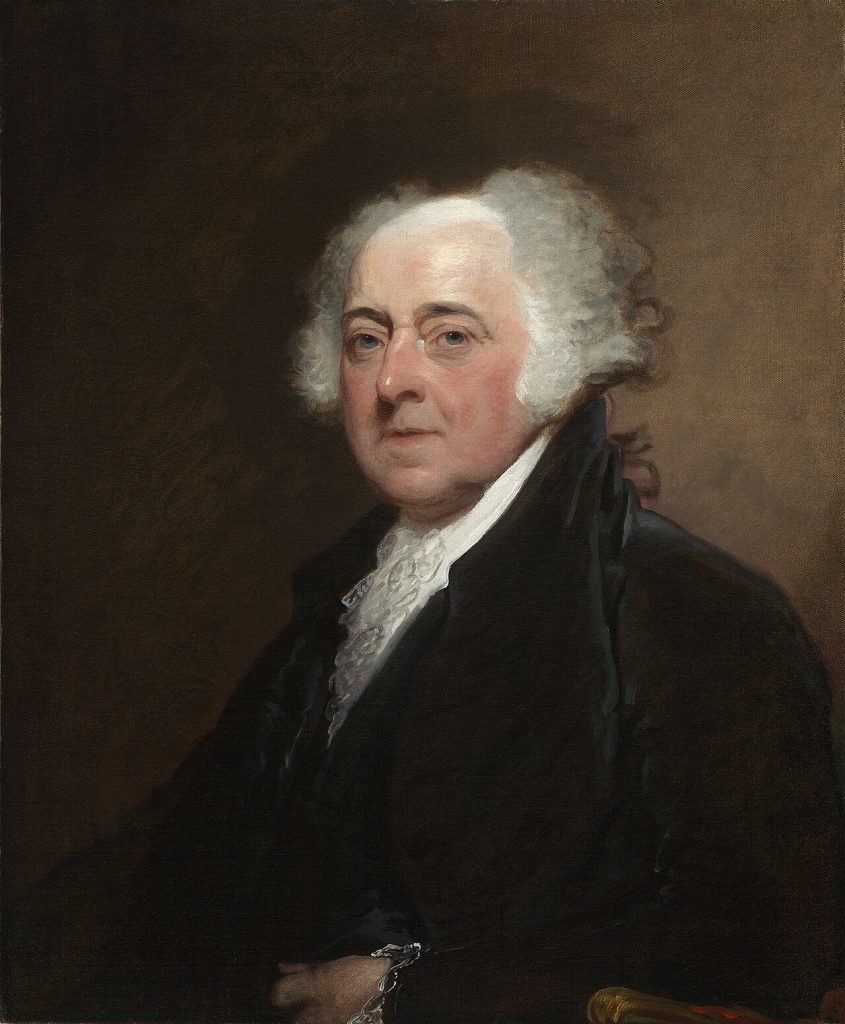
Long before presidential wardrobes became associated with formal black suits and modern tailoring, American leaders wore clothing that reflected the materials, craftsmanship, and social expectations of their time. A suit associated with John Adams, dating to around 1783, is among the notable objects featured in the Chicago History Museum’s exhibition. Adams was an important figure in the American Revolution and later became the country’s second president, serving from 1797 to 1801. The suit comes from a period when the United States was still establishing itself as an independent nation. Clothing from this era can reveal details about how prominent men dressed, including the construction of garments, fabric choices, and the care involved in maintaining them. Preserving an object this old requires careful examination because textiles can become fragile through age, light exposure, handling, and environmental changes. The exhibition uses objects like Adams’s suit to demonstrate why conservation involves much more than placing historic clothing behind glass. Specialists must understand the material, document its condition, and create suitable support so the garment can be displayed without putting unnecessary strain on its fabric.
Watercolor Paintings of the American Flag Date Back to 1779
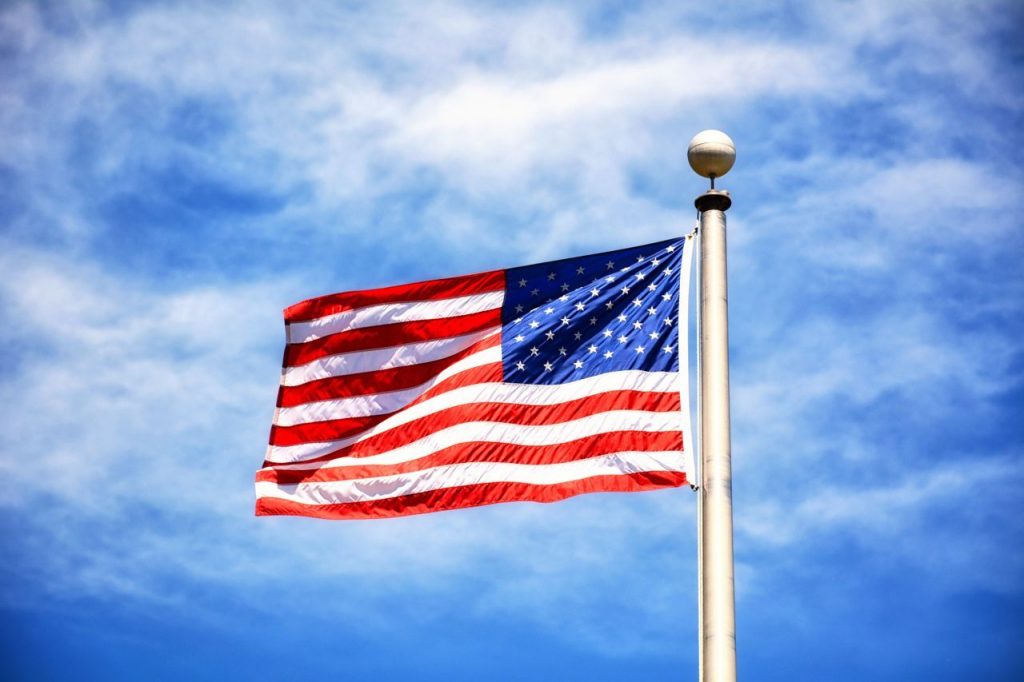
Few symbols are as closely connected to American identity as the national flag, but its appearance and meaning have changed over time. The exhibition includes watercolor paintings of the U.S. flag dating to 1779, offering visitors a chance to examine an early representation of a symbol that was still taking shape during the Revolutionary War. The year is particularly significant because the United States was fighting to secure its independence, and the flag served as an important visual expression of the emerging nation’s identity. Unlike modern printed reproductions, these watercolors are delicate works on paper that require specialized care. Paper can become brittle, discolored, or damaged by moisture, light, and improper handling. Even small changes in storage conditions can affect its long-term stability. Conservators therefore need to examine the paper, pigments, and existing signs of deterioration before deciding how best to display or store it. Including these paintings alongside presidential garments and historical documents also broadens the exhibition’s story. It shows that preserving national history involves protecting not only clothing associated with political leaders but also the fragile images and objects that help explain the country’s early years.
A Dress Fragment Connects Mary Lincoln With Elizabeth Keckly
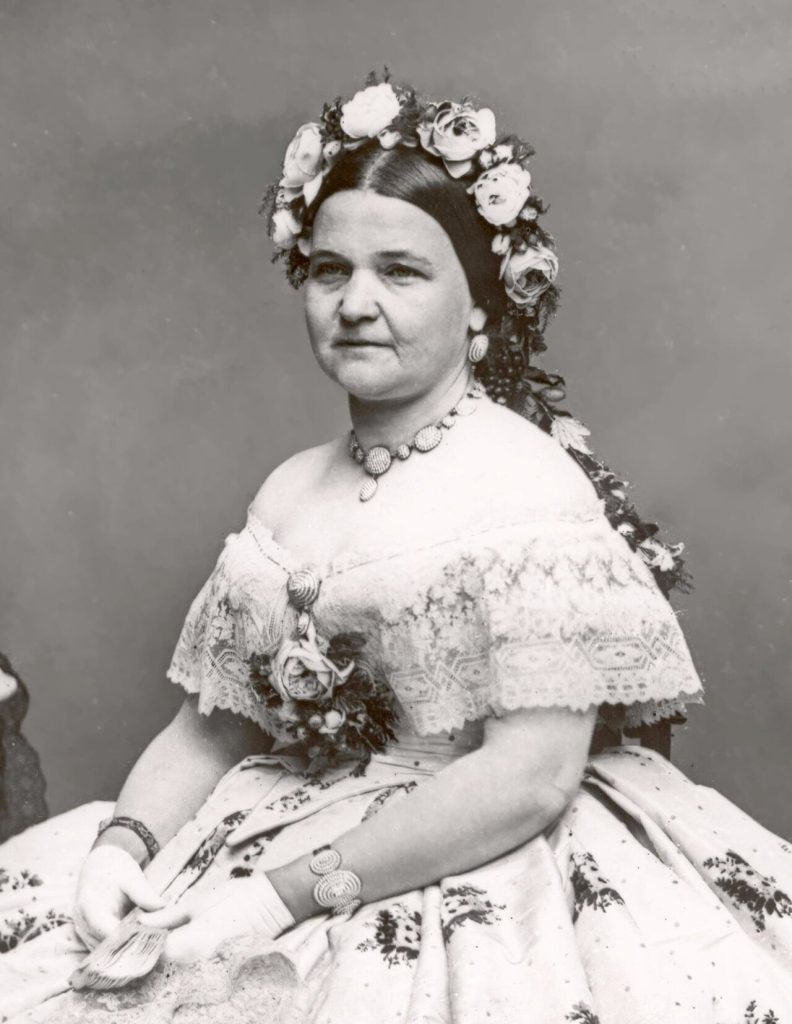
Sometimes a small piece of fabric can reveal a surprisingly personal story. One of the exhibition’s most intriguing objects is an 1862 dress fragment associated with Mary Lincoln and Elizabeth Keckly. Mary Lincoln, the wife of President Abraham Lincoln, had a close professional relationship with Keckly, a skilled dressmaker who became well known for creating clothing for prominent Washington women. Born into slavery, Keckly eventually gained her freedom and established herself as a respected dressmaker in the capital. Her relationship with Mary Lincoln extended beyond ordinary business, making her an important figure in the history of the Lincoln household. The surviving dress fragment offers a material connection to that relationship and to the clothing culture of the Civil War era. Because only a fragment remains, its preservation is especially important. Conservators must assess the condition of the fabric, identify its construction and materials where possible, and provide support that prevents further weakening. The object also demonstrates why museum collections preserve seemingly incomplete items. A surviving piece of a garment can still carry valuable information about its maker, owner, historical setting, and the people whose lives intersected with it.
Lincoln’s Order Preserved the Official Seal on the Emancipation Proclamation
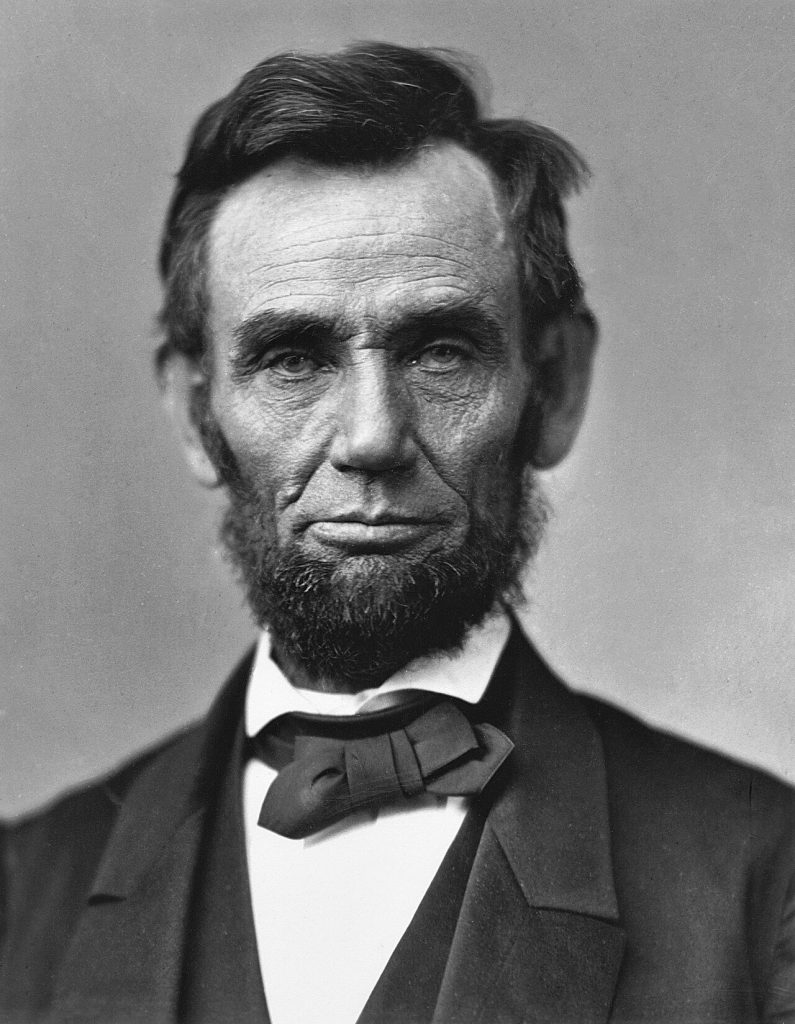
A single administrative instruction can become part of a much larger historical story. The exhibition includes Abraham Lincoln’s order, dated January 1, 1863, directing that the U.S. Seal be affixed to the Emancipation Proclamation. The proclamation declared enslaved people in areas still in rebellion against the United States to be free, marking a major turning point in the Civil War and the nation’s history. Lincoln’s order relates to the formal preparation of this landmark document, highlighting the official procedures involved in issuing one of the most consequential presidential actions in American history. It is important to distinguish the order from the Emancipation Proclamation itself: the artifact on display is the instruction concerning the application of the national seal, not the original proclamation document. Its inclusion gives visitors another way to understand how historic decisions were recorded and authenticated. Paper documents like this need careful conservation because ink can fade, paper can become brittle, and exposure to light can accelerate deterioration. Protecting the order helps preserve the physical evidence of the administrative work surrounding a defining moment in the fight against slavery.
Washington’s 1793 Proclamation Protected the Kaskaskia Indians
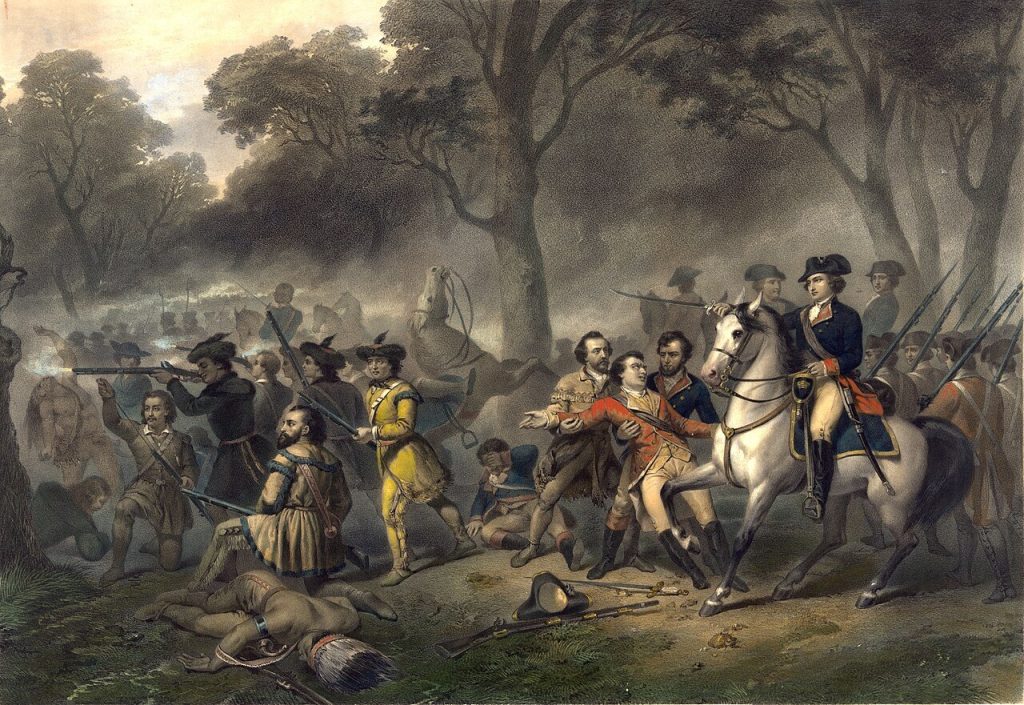
The early history of the United States involved complex relationships between the federal government and Native American communities. One document in the exhibition brings that history into focus: a proclamation signed by George Washington on May 7, 1793, concerning protection for the Kaskaskia Indians. The Kaskaskia were an Indigenous people whose history is closely tied to the Illinois region and the wider Mississippi Valley. Washington’s proclamation is a reminder that the new federal government was already dealing with questions of Native land, security, and relations between Indigenous nations and American settlers. Documents like this are valuable because they provide direct evidence of how government leaders addressed those issues at the time. They also invite visitors to consider the difference between official promises and the complicated realities Indigenous communities faced as American settlement expanded. As a historic paper artifact, the proclamation requires conservation measures that protect its surface, writing, and physical structure. Its presence alongside presidential clothing is especially meaningful because it connects the personal and material history of early presidents with the political decisions that shaped communities across the country.
George Washington’s Black Velvet Suit Coat Reveals an Early Presidential Wardrobe
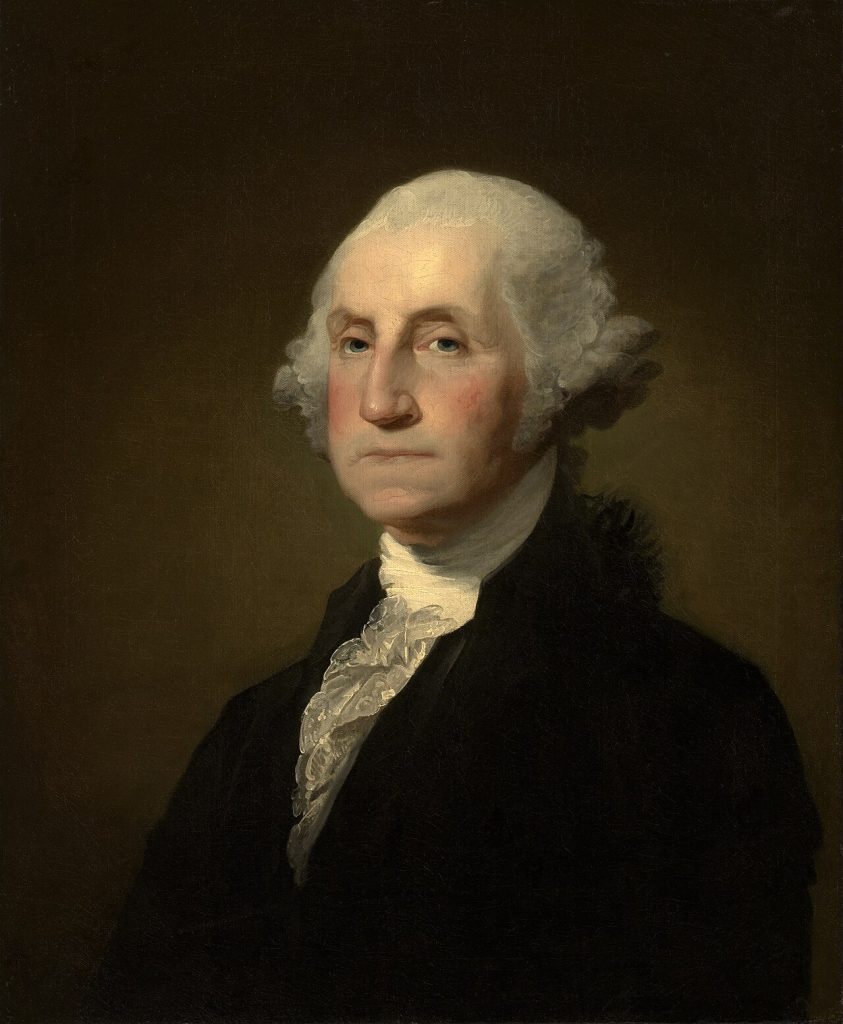
A black velvet coat offers a more personal look at George Washington than a formal portrait or official document can provide. Dating to around 1793, the suit coat associated with Washington is another highlight of the exhibition. The first U.S. president was known for presenting himself with care, and his clothing formed part of the public image he maintained while leading a young republic. A surviving garment provides physical evidence of the tailoring, materials, and style associated with an influential figure from the nation’s founding period. Velvet is also a demanding textile to preserve. Its raised surface can be crushed or worn down through handling, while changes in humidity and temperature can affect the fabric and its structure. Conservators must therefore consider how the coat is supported, how much light it receives, and how long it remains on display. The museum explains that some objects in the exhibition will be rotated or replaced with similar items or reproductions to reduce exposure and slow deterioration. This coat is a strong example of why historic clothing needs specialized attention. Protecting it allows future visitors to encounter an authentic piece of Washington’s world rather than relying entirely on paintings and written descriptions.