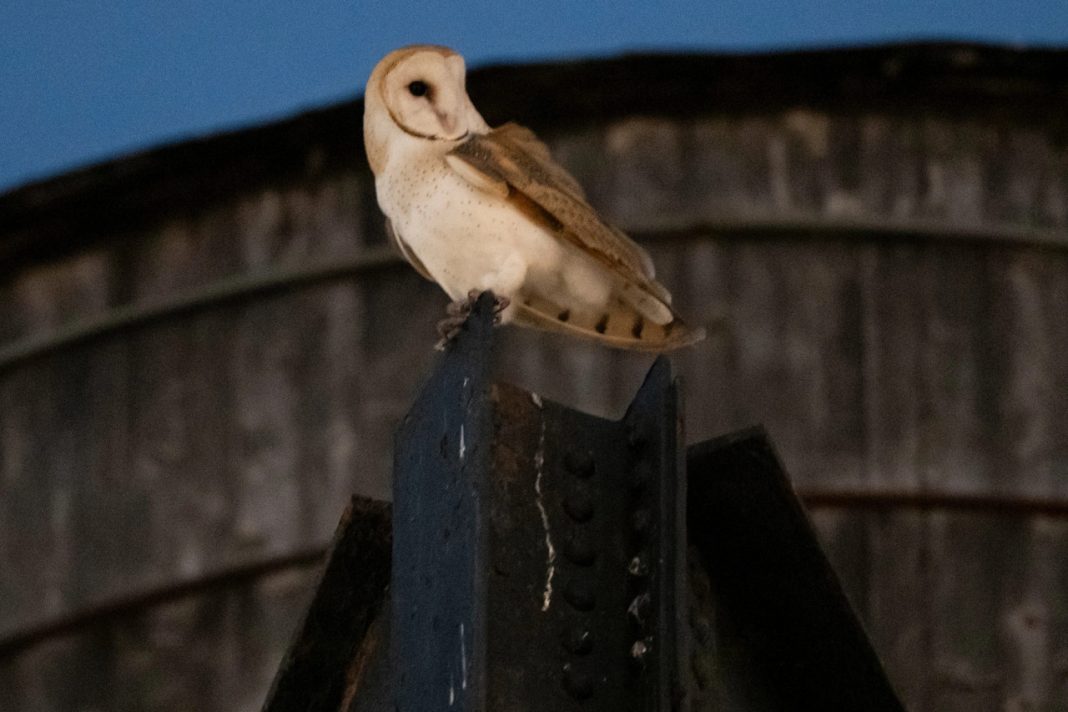

Manhattan is known for its towering skyscrapers, crowded streets and constant activity, but an unexpected wildlife discovery has given New Yorkers something extraordinary to talk about. A family of barn owls has established a nest inside a water tower on the Upper West Side, marking the first documented nesting of its kind in Manhattan in modern history. From mysterious nighttime screeches to growing crowds of curious birdwatchers, here are six fascinating details behind the discovery and why it has captured the city’s attention.
A Barn Owl Family Has Made a Water Tower Its Manhattan Home
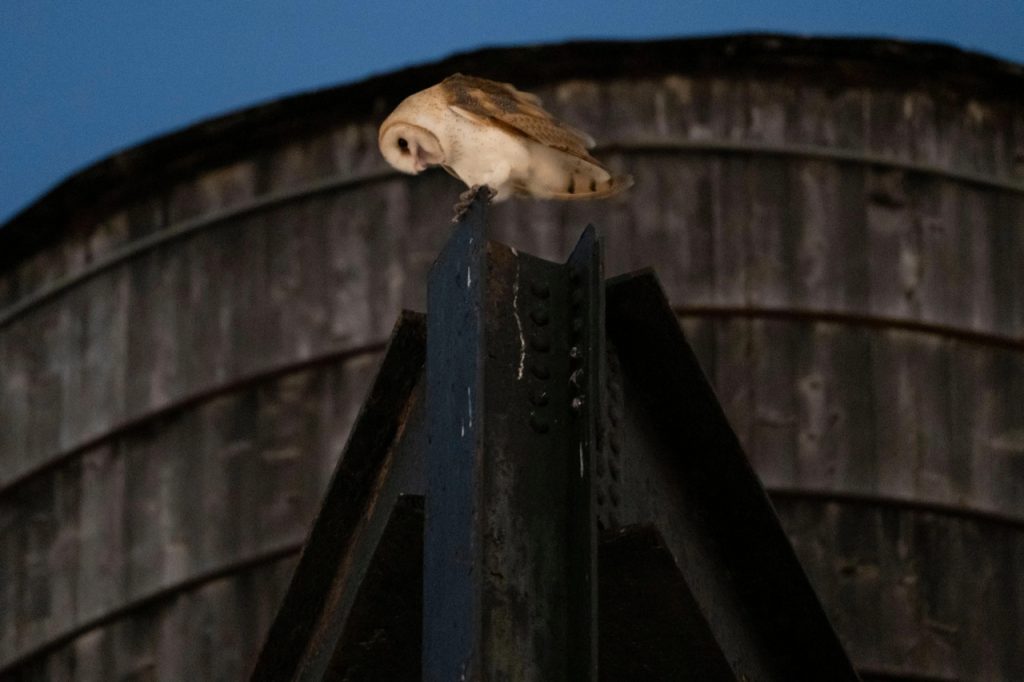
Manhattan is not the first place most people associate with barn owls, but a family of these elusive birds has turned an ordinary water tower into an extraordinary wildlife discovery. The owls have established a nest atop a building on West 75th Street, near Central Park West on the Upper West Side. According to Andrew Farnsworth, a migration ecologist at the Cornell Lab of Ornithology, this is the first documented instance of barn owls nesting in Manhattan in modern recorded history. The discovery became public on October 6, when local resident Elisabeth Williams contacted a news outlet after she and her husband spotted several owls around the tower. The couple had already seen a single owl perched on an apartment windowsill a few days earlier, but the appearance of an entire family came as a surprise. Barn owls are generally associated with open landscapes, grasslands and agricultural areas where they can hunt small mammals. Finding them breeding in one of the world’s busiest urban environments is therefore remarkable. The discovery has also offered New Yorkers a rare opportunity to observe wildlife thriving in an unexpected corner of the city.
At Least Five Young Owls Have Been Spotted Around the Nest
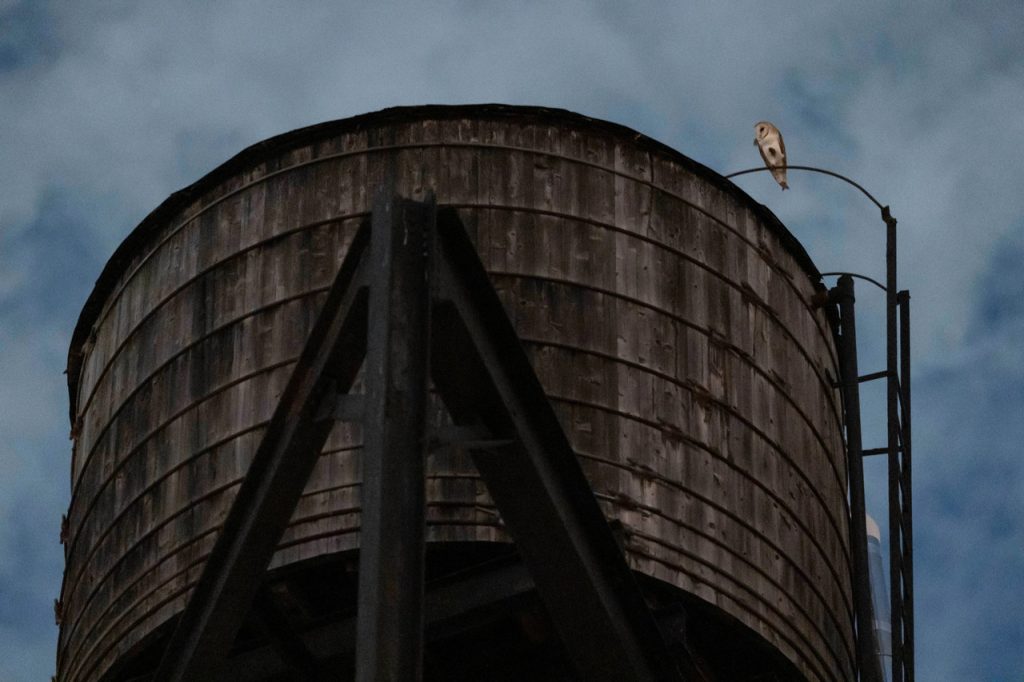
The story becomes even more unusual when the number of birds involved comes into focus. Manhattan-based birder David Barrett, who runs the Manhattan Bird Alert social media account, reported observing at least one adult barn owl and five fledglings around the water tower. Fledglings are young birds that have grown enough to leave the nest, although they may still depend on their parents for food and protection. Barrett also witnessed an adult owl carrying rodents back to the tower, suggesting that the adults are actively feeding the young birds. Observers believe there may be two adult owls, while some photographers have reported seeing as many as six fledglings. Those additional sightings have not been definitively confirmed, so the most reliable account remains at least one adult and five young owls. The family has attracted particular attention because a single barn owl sighting would already be unusual in Manhattan, while evidence of successful breeding makes the discovery far more significant. Their presence also raises questions about how the birds found the tower and whether the surrounding urban environment provides enough food and shelter to support them.
Strange Nighttime Screeches Turned Out to Be Barn Owl Calls
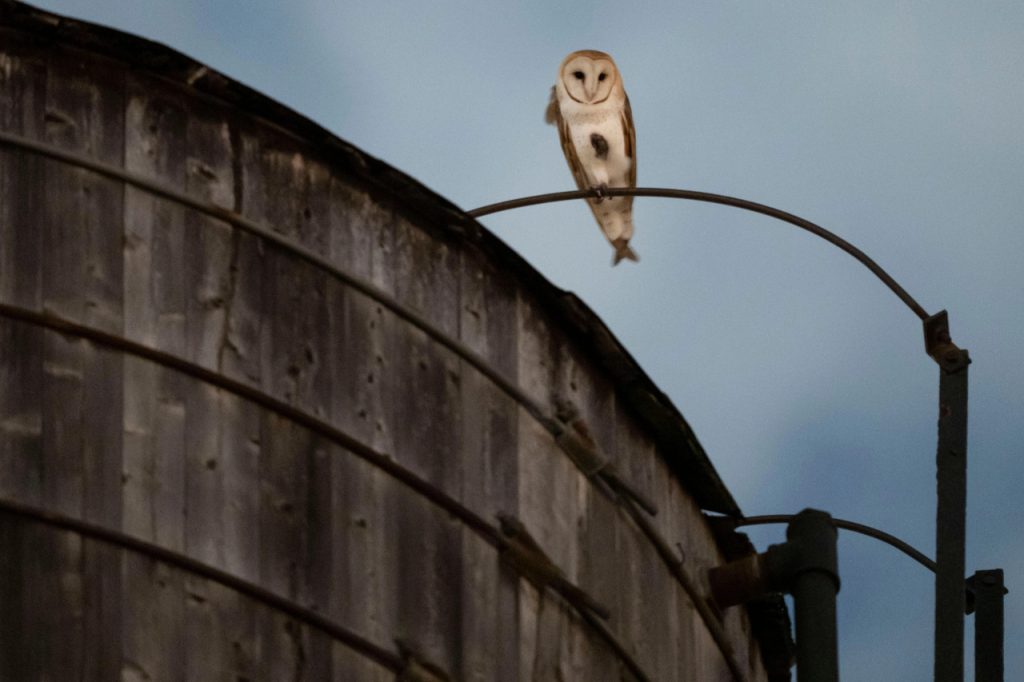
Before the owls became a neighborhood sensation, their distinctive calls had already been attracting attention for weeks. Residents began hearing strange screeching and wailing sounds in early September, often at night and sometimes from different directions. Thomas Obersteiner, another Upper West Side resident, recalled that the noises were so unsettling they sounded like someone was being attacked outside. On several occasions, he or his wife rushed to check on their children after mistaking the sounds for a child crying in distress. Elisabeth Williams and her husband also heard the unusual noises before discovering the birds. At first, they were skeptical when a phone application suggested that a barn owl was responsible. According to Farnsworth, however, the harsh screech is a normal part of barn owl communication. Unlike the familiar hooting associated with many other owl species, barn owls often produce a long, rasping call that can sound surprisingly eerie. The discovery has helped residents connect those mysterious nighttime sounds to the birds living above their street. It is also a reminder that urban wildlife can be present for weeks before people understand what they are hearing.
The Owls Have Turned the Upper West Side Into a Birdwatching Destination
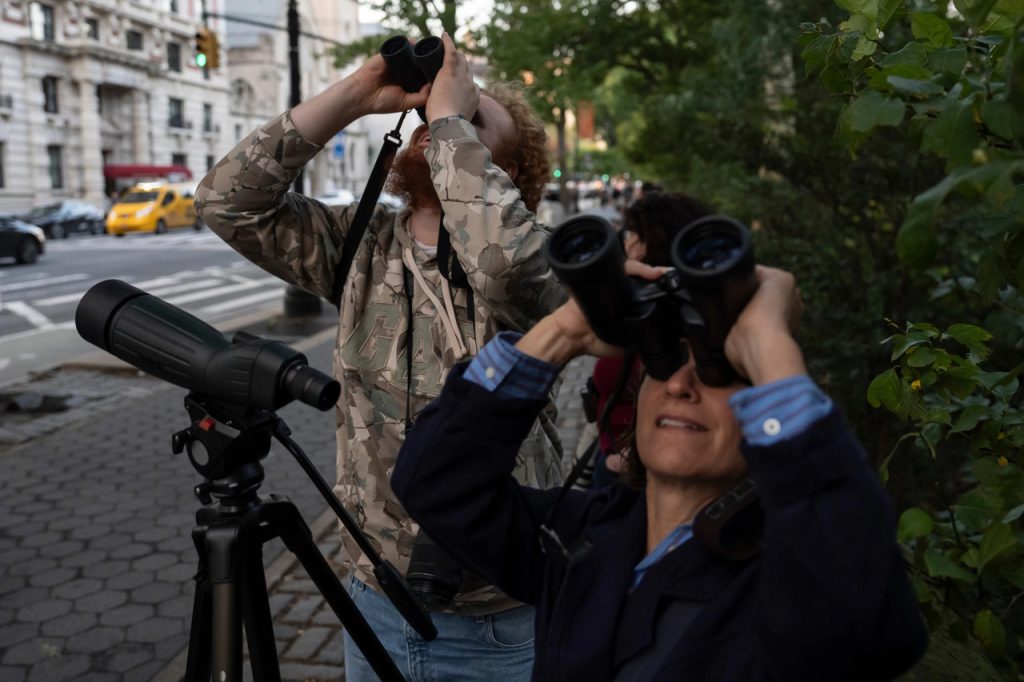
A neighborhood that normally draws attention for its apartment buildings, restaurants and proximity to Central Park has suddenly become an unexpected gathering place for bird enthusiasts. Since news of the barn owl family spread in October, photographers and curious residents have been showing up around dusk in hopes of seeing the birds emerge from their nesting site. Barn owls are primarily nocturnal hunters, so the transition from daylight to darkness can offer a better chance of observing their movements. Obersteiner has even allowed nature photographers to use his roof deck to watch the owls, with around 20 people gathering there on one evening. The interest has extended beyond experienced birdwatchers to people who have never actively followed birds before. That enthusiasm reflects the special appeal of seeing an elusive wild animal at close range in an unexpected setting. However, the birds’ popularity also makes responsible observation important. Crowding the building, making loud noises or attempting to approach the nest could disturb the family. Giving the owls space and observing quietly allows people to enjoy the spectacle without interfering with the birds’ behavior.
Barn Owls Are Uncommon in New York City for Several Reasons
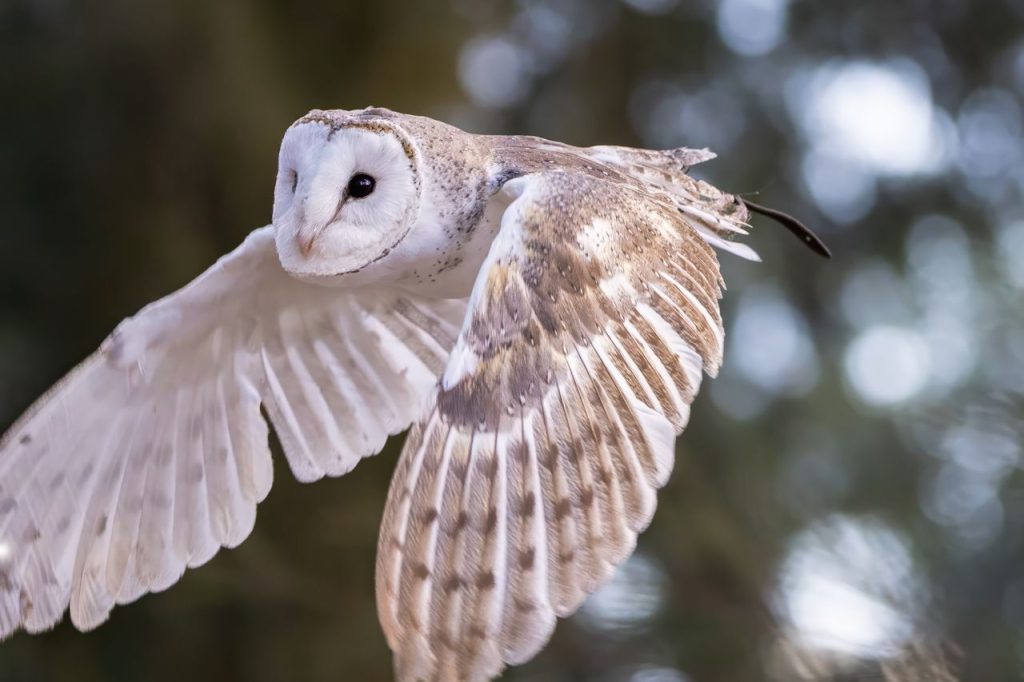
Although New York City supports a surprising variety of wildlife, barn owls remain rare visitors, particularly in densely developed parts of Manhattan. These birds typically favor open habitats where they can hunt mice, rats, voles and other small mammals. They often nest in sheltered structures such as barns, cavities and other quiet spaces, which makes their choice of a Manhattan water tower unusual. New York also lies near the northern edge of the species’ geographic range, and the New York State Department of Environmental Conservation has reported a substantial decline in the barn owl population over time. Changes in habitat and the availability of suitable nesting and hunting areas can make it harder for the birds to thrive. The discovery does not necessarily mean that barn owls are becoming common in the city, nor does one successful nesting site establish a broader population trend. Still, the family’s presence demonstrates that wildlife can sometimes find opportunities in unexpected urban spaces. The birds also highlight the importance of protecting suitable habitat and managing urban environments in ways that allow wildlife to coexist with people.
The Family Has Renewed Interest in Manhattan’s Unexpected Wildlife
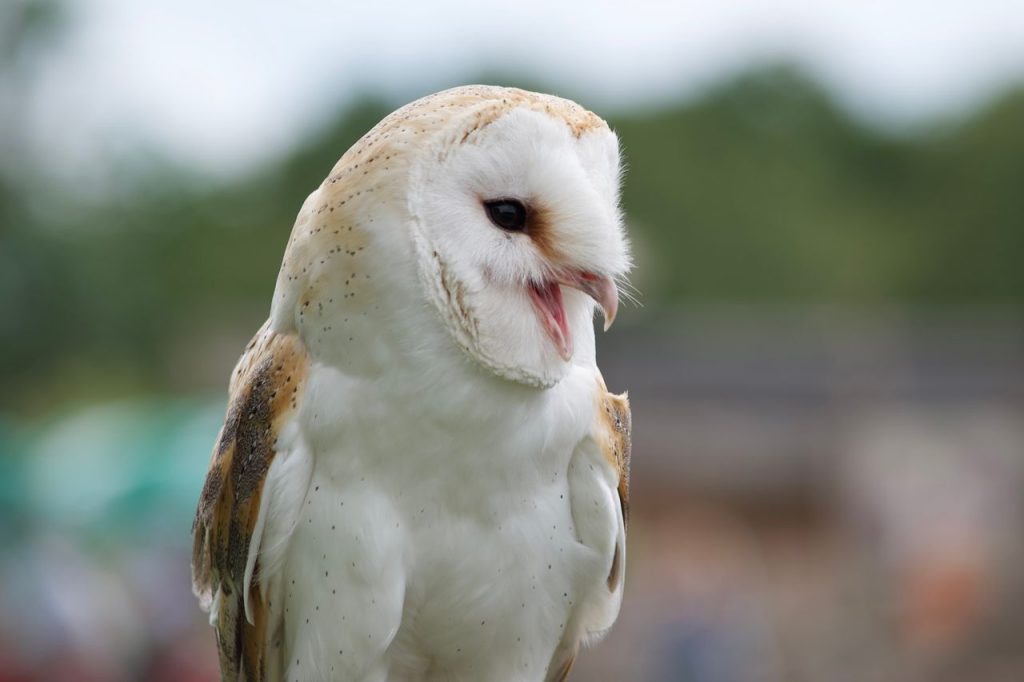
New Yorkers have a long history of becoming fascinated with wild birds that establish themselves in the city, and the barn owl family has quickly joined that tradition. Flaco, a Eurasian eagle-owl who escaped from the Central Park Zoo in 2023, became a widely followed figure as he flew around Manhattan before his death in 2024. Pale Male, a red-tailed hawk that nested above Fifth Avenue for roughly three decades, also attracted generations of admirers before dying in 2023. American woodcocks that stop in Bryant Park during their spring migration have provided another recurring glimpse of wildlife in the middle of the city. The barn owls are different because they appear to be raising young in Manhattan rather than simply passing through or occupying a well-known nesting territory. Their presence has encouraged residents to pay closer attention to the birds and other animals around them. Williams, who was not previously a birdwatcher, said the experience had left her considering taking up the hobby. The discovery is a reminder that nature does not always require a trip outside the city. Sometimes, an extraordinary wildlife encounter begins with an unfamiliar sound or an unexpected visitor just beyond the window.