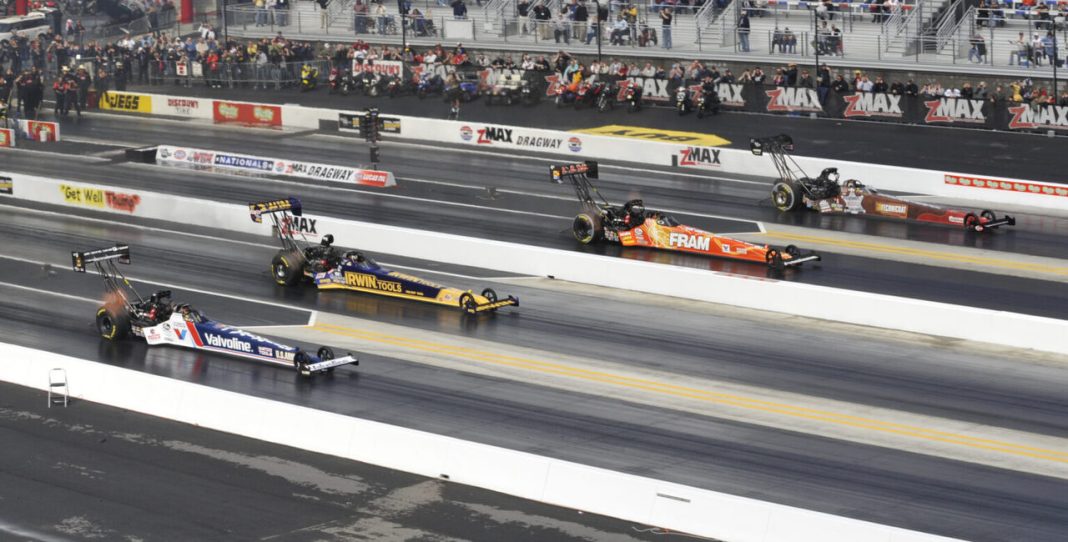

For 75 years, the National Hot Rod Association has helped shape the way Americans race for speed, and a new exhibition at Georgia’s Savoy Automobile Museum is bringing that history to life. The exhibit explores the early years of the NHRA through a collection of significant drag-racing cars, showing how the sport developed from informal contests and hot-rodding culture into an organized form of motorsport. Visitors can see how racing classes evolved, how manufacturers became involved and how engineering transformed the cars built to compete. Running through January 31, 2027, the exhibition offers a close look at the people, machines and milestones behind decades of drag-racing history.
The Race That Started It All
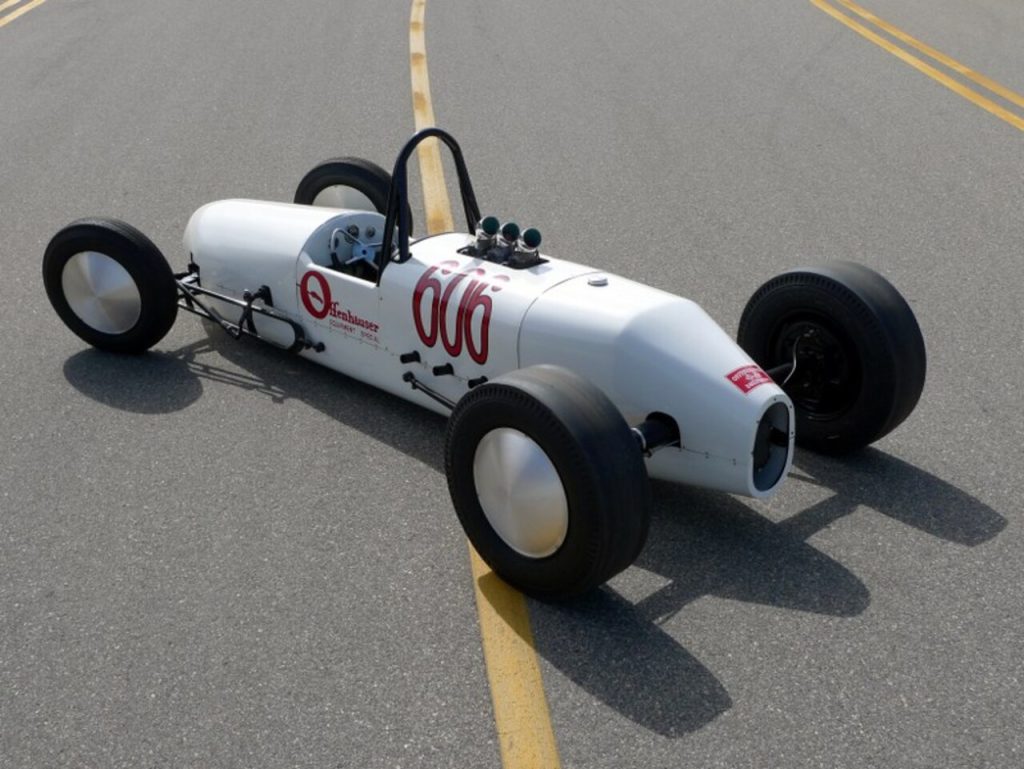
Drag racing did not begin with a polished national racing series. The earliest contests were much simpler, with two cars lining up side by side to find out which one was faster. Savoy Automobile Museum’s exhibition places that informal beginning at the heart of the story, noting that the first drag race likely happened in an unknown location when two cars simply faced off. Over time, hot rodders began looking for more organized places to settle those contests. The disappearance of some traditional dry-lake racing locations and concerns surrounding street racing helped create a need for dedicated venues, rules and organized competition. The result was a sport that gradually moved from informal challenges toward structured drag racing. Savoy’s exhibit uses that transition as the starting point for exploring the NHRA’s long history.
The NHRA Changed The Sport
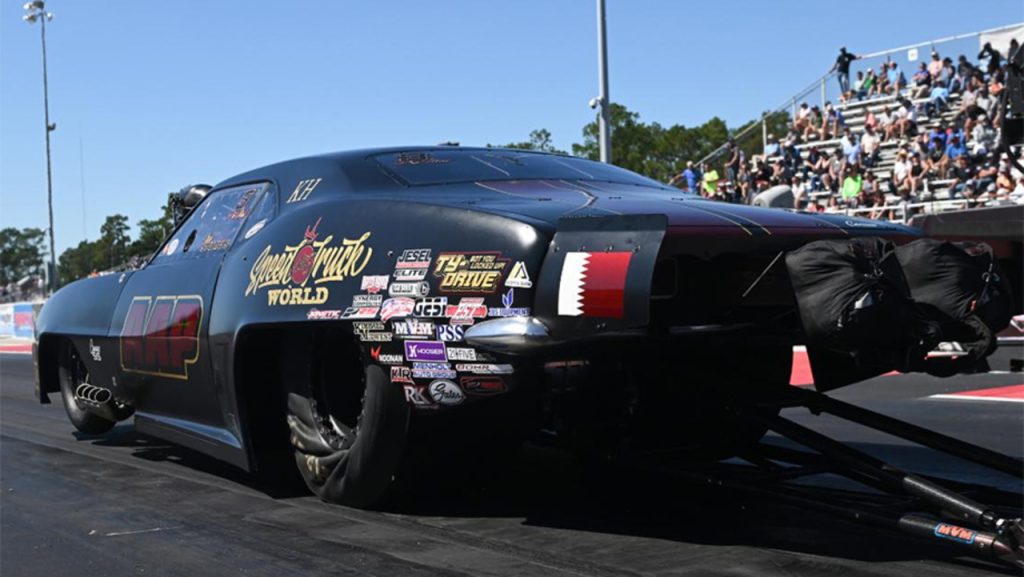
The creation of the National Hot Rod Association gave drag racers something they had not previously had on a national scale: an organization built around formal competition. Founded in 1951, the NHRA became a central force in establishing rules, classes and organized racing venues. Its development coincided with the rapid growth of postwar hot-rodding culture, when increasingly modified cars were becoming popular among enthusiasts. The organization helped turn that enthusiasm into a structured motorsport rather than leaving racing to informal contests. Savoy’s exhibition connects this early development with the NHRA’s 75th anniversary, using the history of the organization to explain how drag racing grew from a grassroots pursuit into an established form of competition.
Safer Places To Race
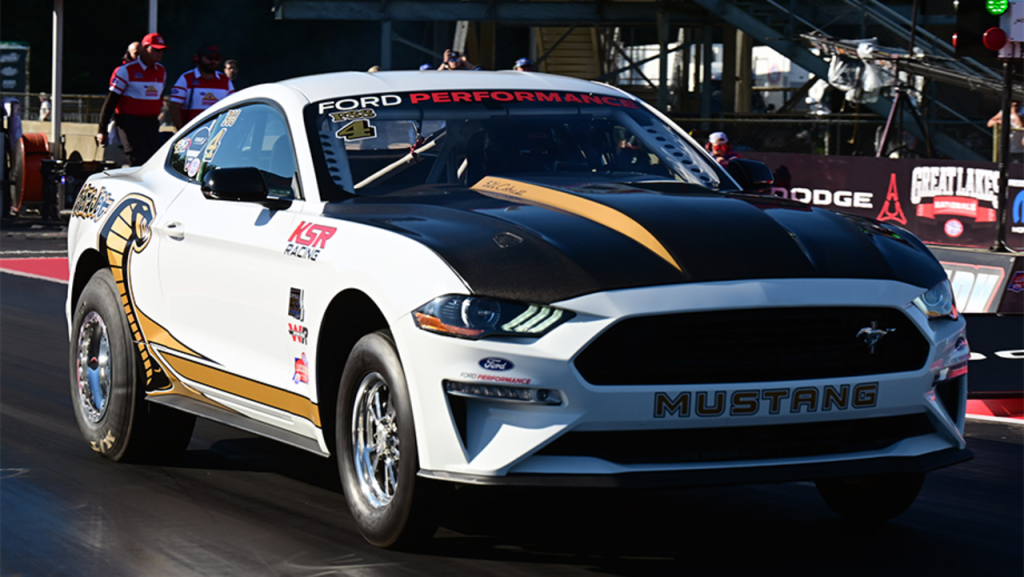
Speed was always central to drag racing, but where that speed happened mattered just as much. Early enthusiasts had fewer organized options, and street racing presented obvious problems as more people became interested in testing the performance of their cars. Organized drag strips offered a controlled alternative, allowing racers to compete under established conditions rather than simply challenging one another on public roads. The NHRA became part of that transition by helping establish a framework for organized racing, including rules and competition categories. That change was important because it gave the sport a recognizable structure while creating places where high-powered cars could be raced as purpose-built competition machines. Savoy’s exhibition follows this shift as part of the larger story of how drag racing developed into a formal American motorsport.
Cars Began Racing In Classes
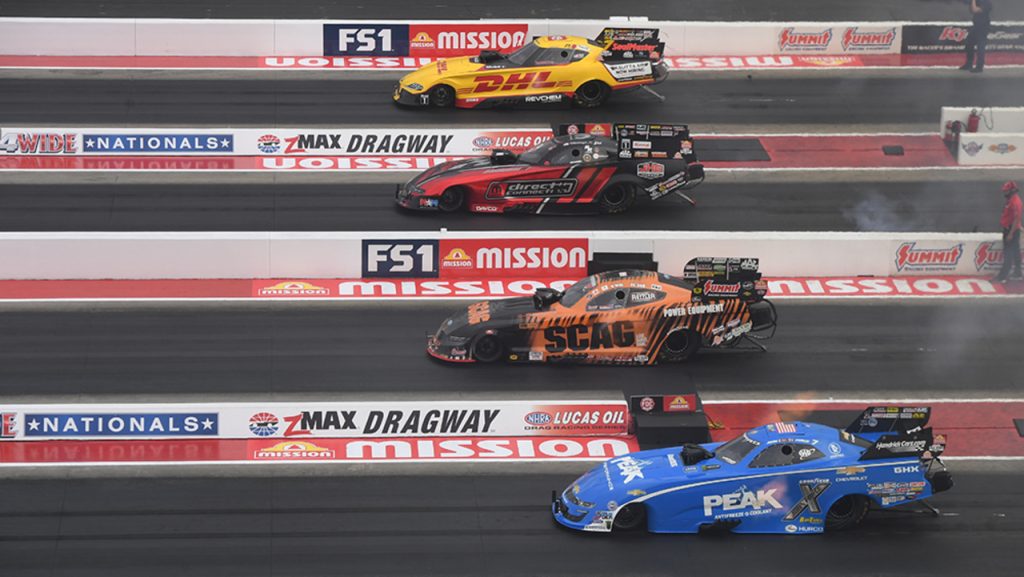
One of the clearest signs of drag racing’s evolution is the variety of cars that could compete. Instead of treating every vehicle as though it belonged in the same contest, organized NHRA racing developed different categories based on the cars and their levels of modification. Savoy’s collection provides a window into that history through factory drag cars from the 1960s, when NHRA competition included Stock, Super Stock and Factory Experimental categories. The museum’s examples include the 1964 Ford Fairlane Thunderbolt, 1965 Plymouth Belvedere Hemi A990 and 1968 Dodge Dart Hemi L023, along with several Chevrolet, Pontiac and Mercury models. These cars show how manufacturers increasingly built or modified high-performance vehicles specifically to compete in an expanding drag-racing environment.
Technology Kept Raising The Stakes
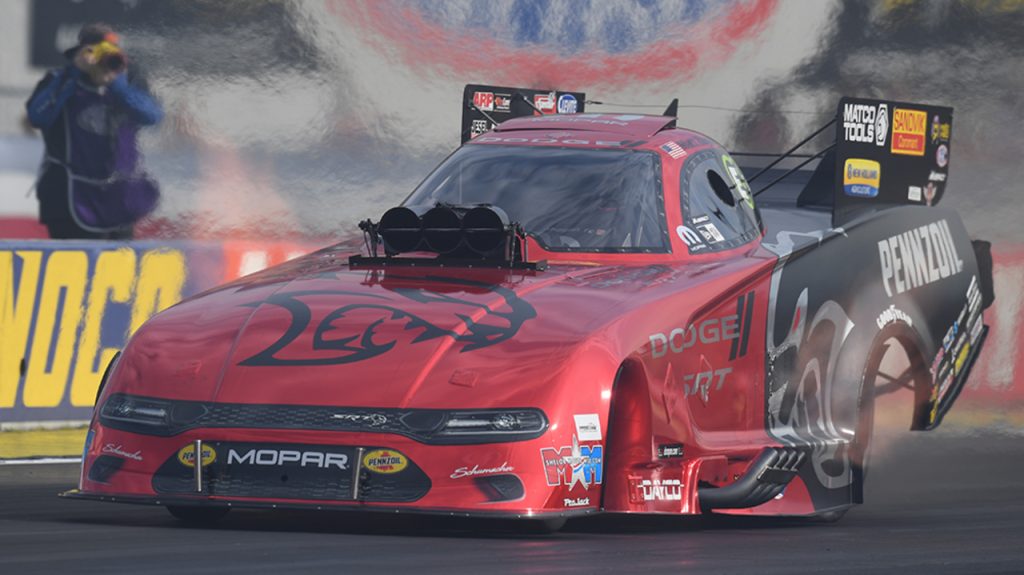
The cars in drag racing changed dramatically as the sport matured, and the technology behind them became increasingly important. Savoy describes the NHRA’s 75-year history as a story in which cars, speeds and technologies have developed significantly over time. That evolution can be seen particularly clearly in the earlier drag cars represented by the museum’s exhibition. Factory-backed machines brought increasingly specialized engines and performance equipment into competition, while the creation of different racing classes gave manufacturers and teams new ways to develop cars for specific purposes. The exhibit focuses on some of those earlier drag cars, allowing visitors to see the physical results of that development rather than simply reading about it. Together, the cars help illustrate how engineering and competition continually pushed one another forward.
A 75-Year Racing Legacy
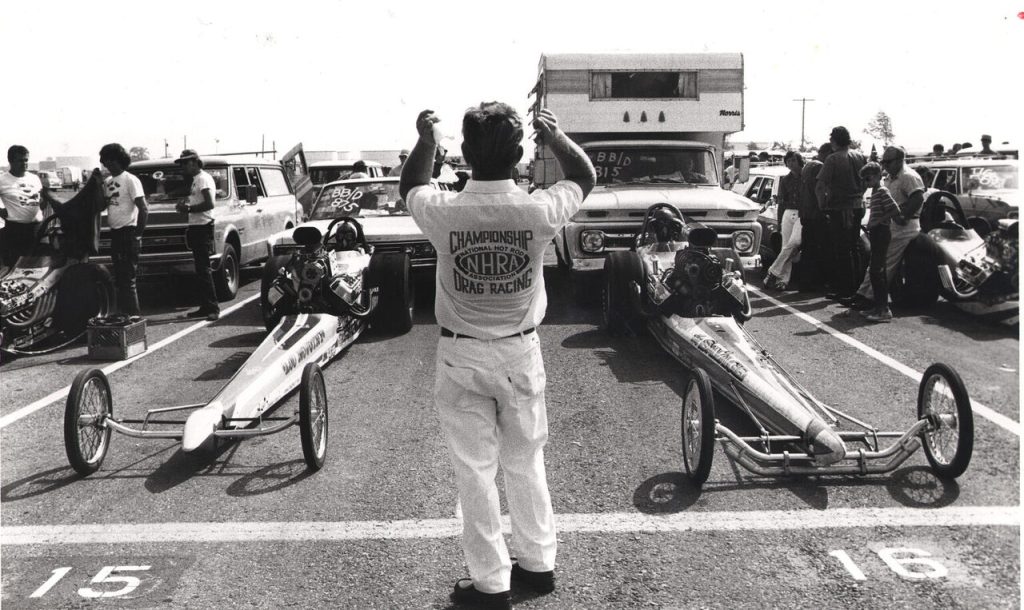
The new exhibition is ultimately about more than individual cars. It uses them to tell the story of an organization that has been closely tied to organized drag racing for 75 years. Savoy Automobile Museum opened the NHRA exhibition on September 29, 2026, in Cartersville, Georgia, with the event calendar listing the exhibition through January 31, 2027. The museum’s current exhibition information describes the project as a look at the early years of the NHRA and emphasizes how dramatically the sport’s cars, speeds and technologies have changed. That makes the vehicles central pieces of a much larger story: the transformation of drag racing from informal contests between enthusiasts into a highly organized motorsport with defined classes, purpose-built cars and a long competitive history.