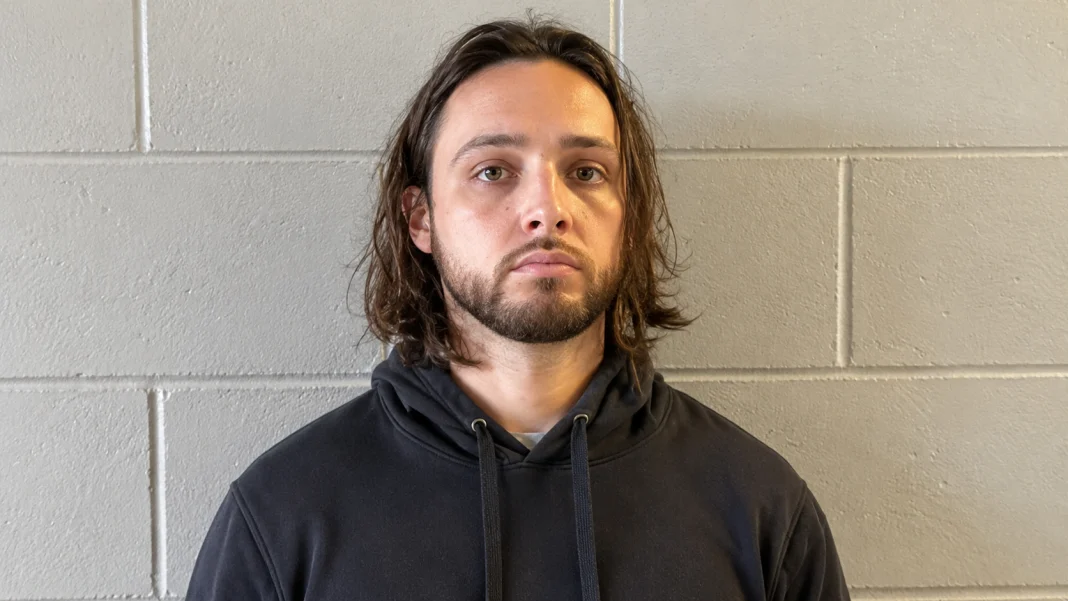

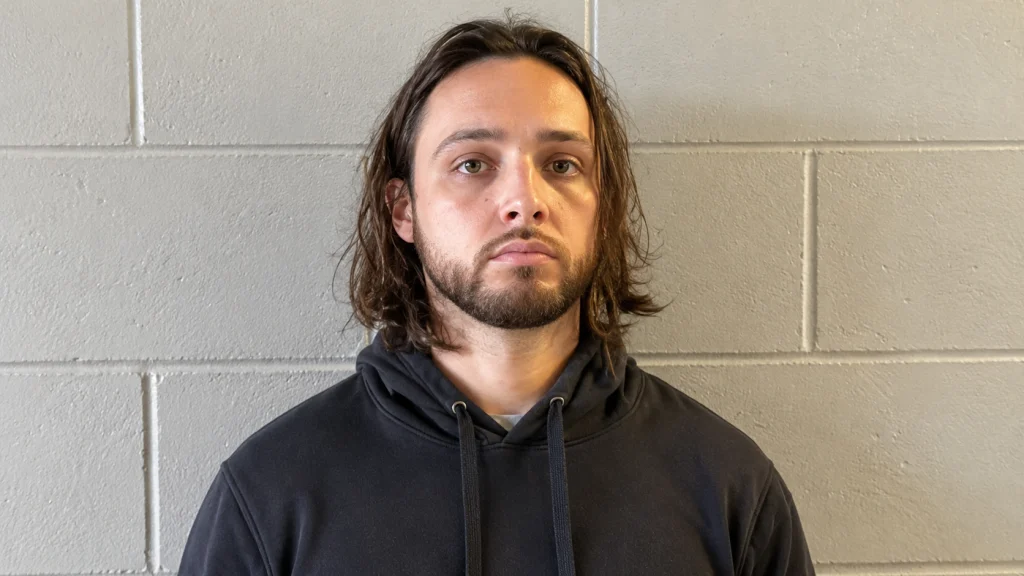
A federal jury convicted Jonathan Rinderknecht on Friday, November 20, of starting the fire that led to the deadly 2025 Palisades wildfire in Los Angeles, nearly five months after his first trial ended without a verdict.
Rinderknecht, 30, was found guilty of two federal charges involving arson and the destruction of property by fire. He had pleaded not guilty to both charges.
The Palisades Fire killed 12 people and destroyed entire neighborhoods across Los Angeles and Malibu, becoming one of the most destructive wildfires in California’s history.
The convictions relate to two connected fires in January 2025. The first charge concerns the smaller Lachman Fire, while the second relates to the deadly Palisades Fire.
Rinderknecht’s first federal trial ended in a mistrial in June 2026 after two weeks of testimony. The jury was divided 10 to 2 in favor of acquittal.
Prosecutors subsequently filed a revised indictment, dropping a third charge related to setting timber on fire.
Evidence presented during the retrial
During the second trial, federal prosecutors focused on digital records, photographs and testimony from fire investigators to establish Rinderknecht’s responsibility.
Experts testified that the Palisades Fire was connected to the earlier Lachman Fire, which had continued burning undetected before reigniting.
Prosecutors also presented cellphone records, surveillance images and witness testimony linking Rinderknecht to the initial fire.
His former Uber passengers described his behavior before the incident, while text messages sent to his then-girlfriend were presented as evidence of his emotional state.
Assistant U.S. Attorney Mark Williams described Rinderknecht as angry and frustrated.
The jury also heard evidence concerning Rinderknecht’s repeated calls to emergency services and a question he submitted to ChatGPT about responsibility for starting a fire.
Prosecutors argued that these actions were part of an attempt to establish an alibi.
Defense challenged prosecutors’ evidence
Defense attorney Steve Haney disputed the prosecution’s findings, arguing that investigators could not conclusively establish Rinderknecht’s responsibility.
Haney raised concerns about the reliability of evidence gathered from an area that had remained accessible to the public.
A retired U.S. Forest Service fire investigator testified for the defense, challenging the government’s conclusions about where the original fire began.
The defense also questioned gaps in cellphone records and cited witness testimony suggesting that other people may have been present in the area.
Haney argued that Rinderknecht’s personal messages and emotional state were not sufficient evidence that he had committed arson.
Prosecutors maintained that their forensic findings and expert testimony supported the charges and ruled out alternative explanations.
Jurors were instructed not to consider the Los Angeles Fire Department’s handling of the initial fire when reaching their decision.
Despite the defense’s objections, the second federal jury returned guilty verdicts on both charges.