
Jim Beam will keep whiskey production on hold at its flagship distillery in Clermont, Kentucky, through at least 2027 as the bourbon industry faces declining demand and record levels of unsold inventory.
The American whiskey brand, owned by Japan’s Suntory Global Spirits, originally announced in December 2025 that distilling at the facility would stop for one year.
Production was expected to resume in 2027, but the company has now extended the pause without announcing a new restart date.
Suntory said its production decisions in Kentucky are based on consumer demand, existing whiskey supplies and the company’s long-term business needs.
The extended break will also allow the company to carry out infrastructure improvements at the historic facility, which produced its first batch of whiskey in 1935.
Where will Jim Beam whiskey be produced?
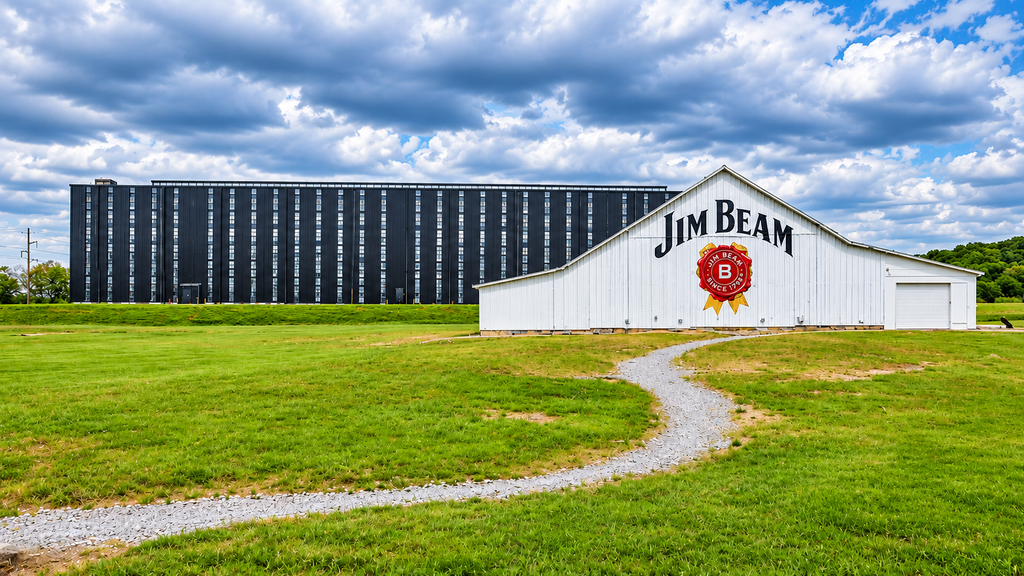
Jim Beam has shifted production to its Booker Noe Distillery in Boston, Kentucky, approximately 12 miles from the Clermont facility.
It is the company’s largest distillery, with an annual production capacity of 45 million original proof gallons.
The smaller Fred B. Noe Distillery, located on the Clermont property, will also remain operational. The facility produces whiskey brands including Knob Creek, Little Book and Booker’s.
Although the main Clermont distillery will remain inactive, other parts of the property will continue operating.
Whiskey aging, bottling and warehouse activities will carry on, while visitors will still have access to tours, tastings and dining facilities. The company has also confirmed that no layoffs are associated with the extended production pause.
Declining demand puts pressure on whiskey producers
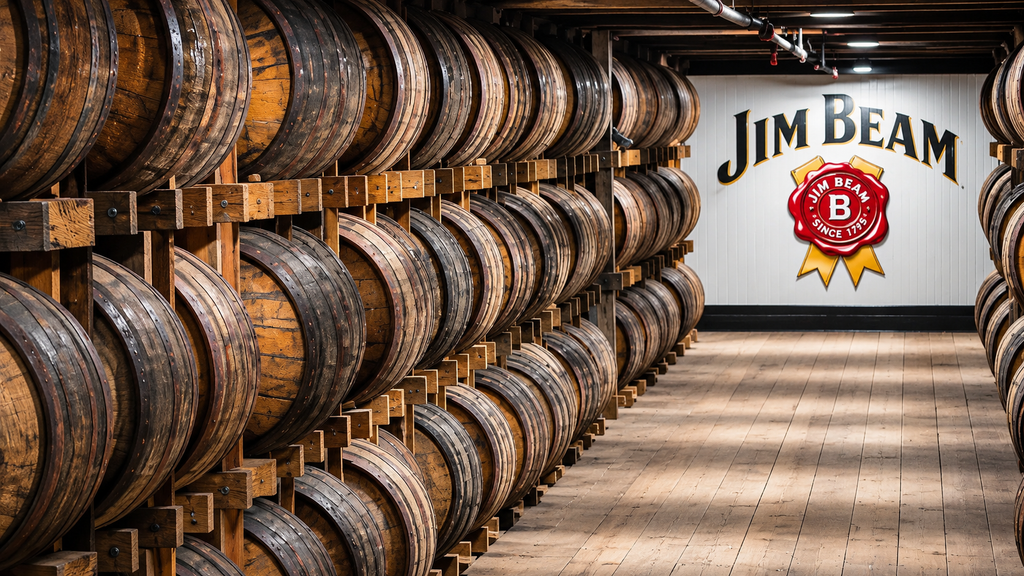
Jim Beam’s decision reflects a wider challenge facing American whiskey manufacturers, many of which are struggling to balance production with changing consumer spending habits.
An October report from beverage industry research firm IWSR found that American whiskey inventories were approximately three times the country’s estimated annual demand.
Figures from the Kentucky Distillers’ Association also showed that its members held 16.1 million barrels of whiskey as of October 2025.
IWSR President and Managing Director Marten Lodewijks explained that growth in the whiskey market is becoming increasingly concentrated among higher-priced products, while more affordable brands are facing greater difficulties.
Overall alcohol sales volumes declined in 2025 for the third consecutive year, according to IWSR.
For whiskey manufacturers, adjusting production can be particularly challenging because bourbon requires years of aging before it reaches consumers. Companies must consider future demand when deciding how much whiskey to produce today.
Suntory plans to review its production requirements as market conditions change. While Jim Beam will continue manufacturing whiskey elsewhere in Kentucky, a date for restarting its historic Clermont distillery remains uncertain.