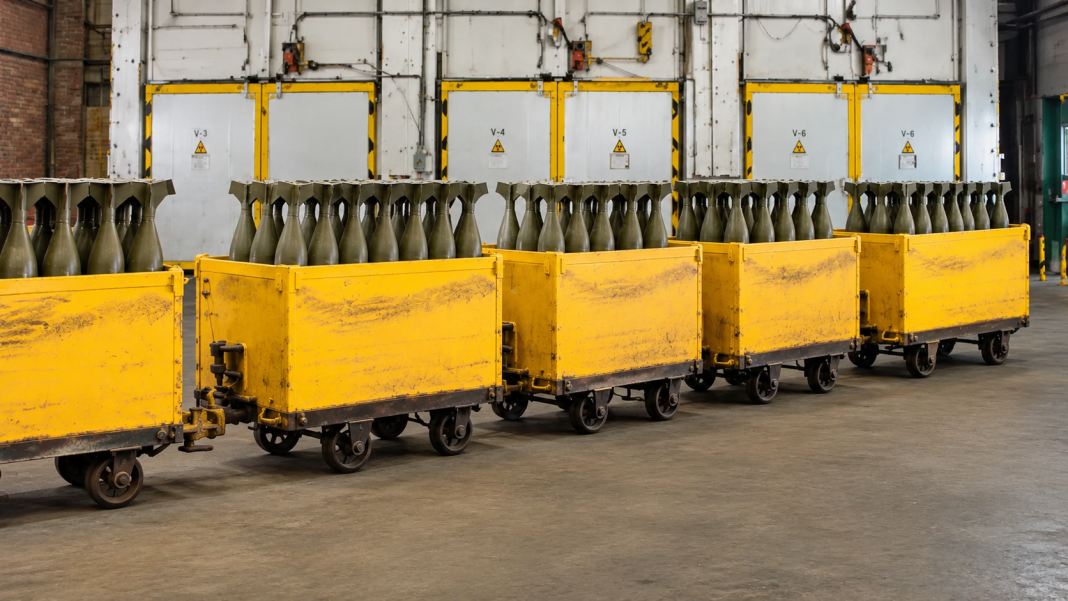

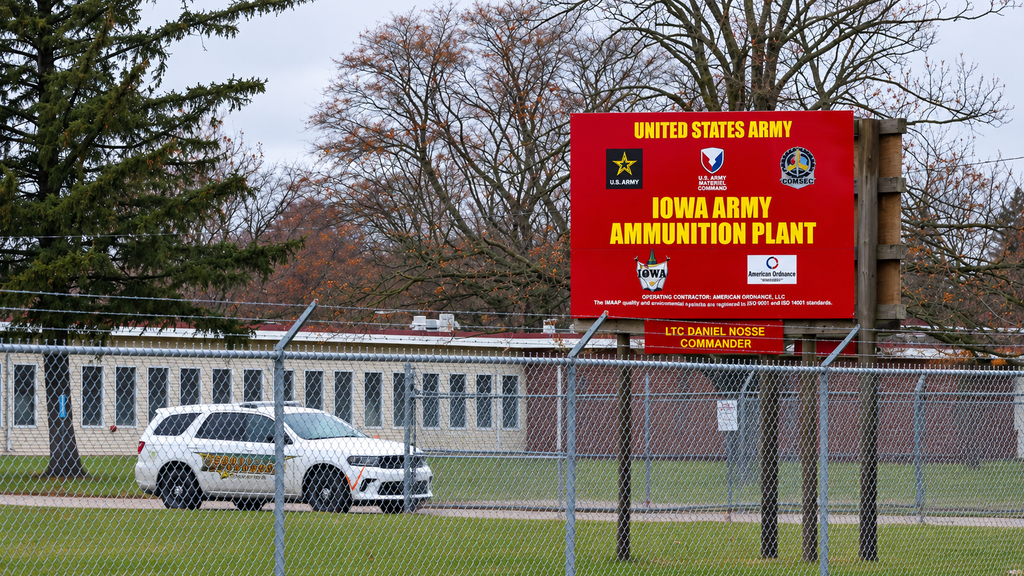
The U.S. Army plans to detonate nearly five tons of deteriorating explosive material in Iowa on Wednesday, November 25, after a federal appeals court lifted a temporary block on the operation.
The controlled detonation will take place at the Iowa Army Ammunition Plant in Middletown, where 68 barrels containing degraded lead azide are awaiting disposal.
The decision comes amid growing concerns among residents, environmental groups and government officials about potentially toxic lead dust spreading across surrounding communities.
On Monday, the Eighth Circuit Court of Appeals lifted its temporary hold on an emergency permit issued by the U.S. Environmental Protection Agency (EPA).
The court determined that sufficient precautions had been established to reduce potential environmental and public health risks. However, the broader legal challenge remains unresolved.
President Donald Trump had earlier directed the Army not to proceed until the appeals court agreed to the plan.
Why the Army plans to destroy the explosives
The Army discovered the deteriorating material during a routine inspection in March 2026.
Acting Army Secretary Adam Telle said military officials consulted environmental authorities and safety experts before determining that a controlled detonation presented the lowest risk to surrounding communities.
Army officials warned that further delays could increase the possibility of an uncontrolled explosion.
The operation was originally scheduled for November 20 but was postponed several times following public opposition, legal challenges and weather considerations.
The Army had previously considered using chemical treatment to dispose of the material but abandoned that option over safety concerns.
Residents and officials raise health concerns
The Iowa Environmental Council and the Sierra Club’s Iowa chapter challenged the EPA permit, arguing that authorities had not adequately assessed potential contamination or considered safer disposal alternatives.
Environmental advocates also raised concerns about lead dust reaching residential areas, agricultural land, waterways and the Mississippi River.
Iowa Gov. Kim Reynolds activated the state’s emergency operations center on Friday to coordinate preparations and monitor potential impacts.
Officials in Cedar Rapids are preparing to monitor drinking water supplies, while Iowa City authorities have raised concerns about insufficient advance notice.
Illinois Gov. JB Pritzker has also called for greater transparency from federal authorities.
According to the latest weather projections released by Illinois officials on Monday, the Wednesday detonation is not expected to affect Illinois counties. However, state agencies remain on alert.
Health officials warn that lead exposure can cause serious health problems, particularly among children and pregnant women.
Authorities have advised residents in potentially affected areas to follow official safety guidance, including remaining indoors and keeping windows and doors closed when instructed.
Federal and state agencies continue to coordinate environmental monitoring and public safety preparations ahead of Wednesday’s planned detonation.