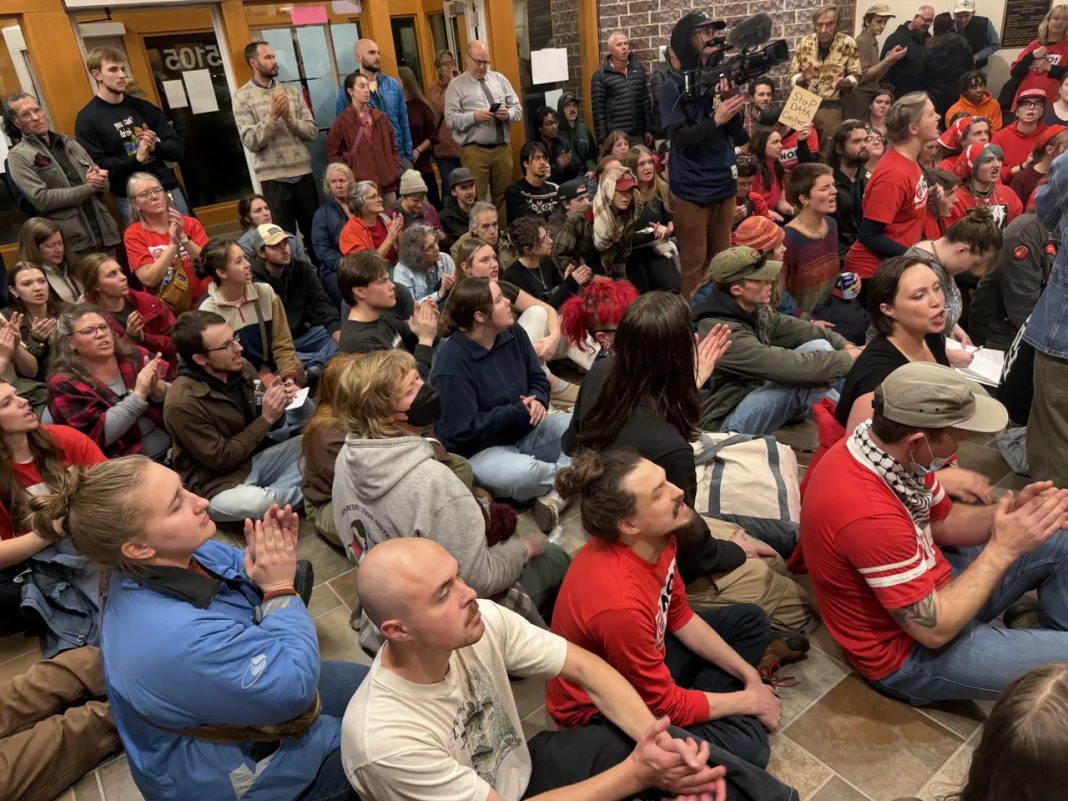

Google’s massive data center project in Hermantown, Minnesota, is facing growing opposition as protests, environmental concerns and legal challenges complicate its path forward. A city council vote was postponed after hundreds gathered to voice their objections, raising fresh questions about transparency, electricity demand and the project’s impact on the surrounding community. Here are six key details explaining why the development continues to face delays.
Protests Forced the Hermantown City Council to Postpone Its Vote
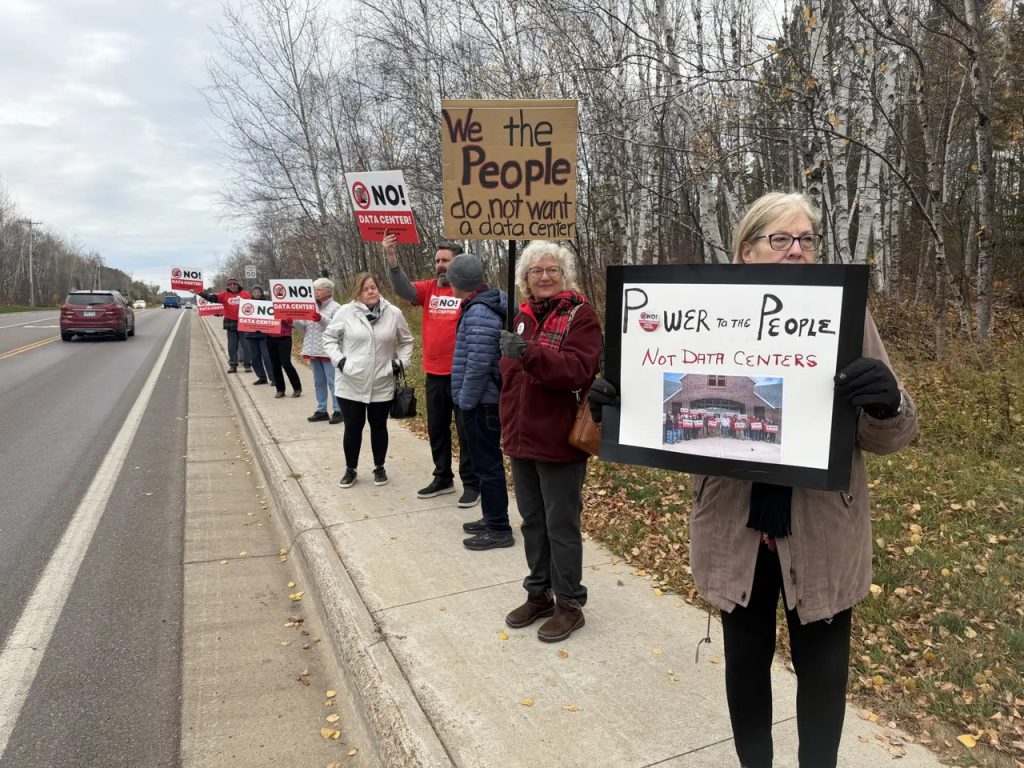
The proposed Google data center in Hermantown, Minnesota, ran into another obstacle when protests disrupted a city council meeting scheduled to consider the project’s final local approvals. Hundreds of people gathered at City Hall on October 26, 2026, with many opposed to the development. The meeting was scheduled to begin at 6:30 p.m., but the turnout quickly overwhelmed the available space. Many attendees could not fit inside the council chambers, while dozens waited to register for public comment. When the sign-up period ended with people still waiting, protesters began chanting demands to be heard. The demonstration continued for approximately two hours, prompting city officials to postpone the vote until the following evening. Assistant City Administrator Joe Wicklund said officials could not guarantee that the meeting would be conducted safely. The postponement did not amount to a rejection of Google’s proposal, but it delayed a decision on a project that has become increasingly divisive in the community.
Residents Say the Project Was Developed Behind Closed Doors
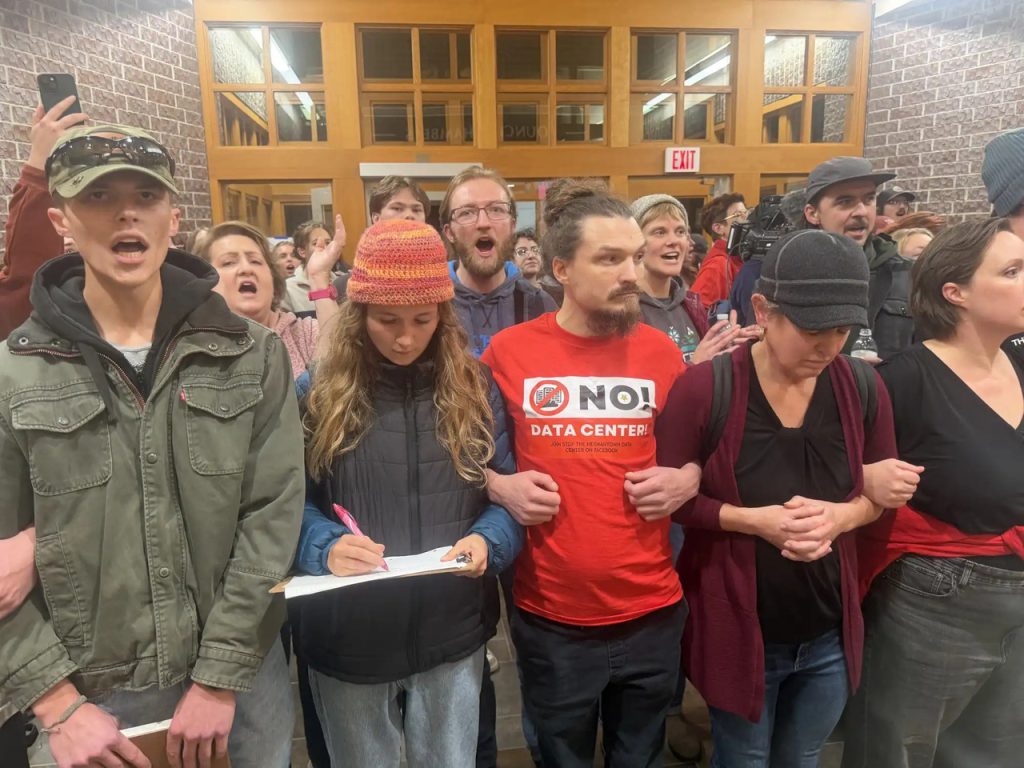
For many Hermantown residents, the controversy goes beyond the size of Google’s proposed development. A major source of frustration is how the project was handled before the public learned about it. According to local reporting, several officials signed nondisclosure agreements that prevented them from discussing the development during its early stages. The project became public last year after public records requests brought details to light. That history has fueled concerns that residents were not given a meaningful opportunity to understand the proposal and participate in discussions before it advanced. The issue resurfaced during the October 26 meeting, when dozens of people were still waiting to register to speak as the sign-up period closed. Opponents argued that the public needed a greater voice in decisions affecting their community. The controversy has also entered local politics, with three candidates running for Hermantown City Council in the upcoming election after the data center became a prominent issue. The dispute illustrates how public trust and transparency can become major obstacles for large developments, even when companies offer changes to address specific concerns.
Environmental Lawsuits Continue to Threaten the Development
Google’s proposal faces legal challenges that could complicate the project’s path toward construction, even if the city council grants its approval. Several lawsuits have been filed by the Minnesota Center for Environmental Advocacy, the grassroots group Stop the Hermantown Data Center and a private landowner. One of the legal challenges questions the project’s environmental review, with a hearing scheduled for October 27, 2026. The disputes add another layer of uncertainty to a development that already faces strong public opposition. A separate lawsuit involves a private land dispute connected to approximately 80 acres of the proposed site. The plaintiffs allege that they were misled about the intended use of the land, which they had agreed to sell to a solar company in 2022. According to related reporting, the land was initially described as intended for solar energy and battery storage before a different industrial use emerged. Google’s subsidiary, Harmony Group LLC, has sought dismissal of the case, arguing that it was not involved in the original agreement. These legal proceedings are separate from the postponed city council vote, meaning local approval alone would not necessarily resolve all the barriers facing the project.
Concerns About Wetlands and Nearby Trout Streams Remain Unresolved
The proposed data center would occupy a substantial stretch of land in a rural part of Hermantown, where forests, wetlands, residential properties and cold-water trout streams form part of the surrounding landscape. Opponents have raised questions about how construction and long-term operations could affect these natural features. Wetlands are important because they help absorb excess rainwater, support wildlife and maintain local water systems. Nearby trout streams also make water quality and the condition of surrounding habitats important considerations. Residents have additionally expressed concerns about noise pollution and the potential effect on property values. Google has responded to some environmental and infrastructure concerns by agreeing to monitor groundwater and provide alternative water supplies to landowners if the development affects their wells. The company has also pledged to fund wind energy and battery storage to help offset the facility’s electricity use. However, these commitments have not eliminated opposition, and the environmental questions are among the issues still being contested. The project’s environmental review is also the subject of a lawsuit, leaving important questions to be addressed through the relevant legal and regulatory processes before construction can move forward.
The Data Center’s Massive Electricity Demand Raises Questions About Utility Costs

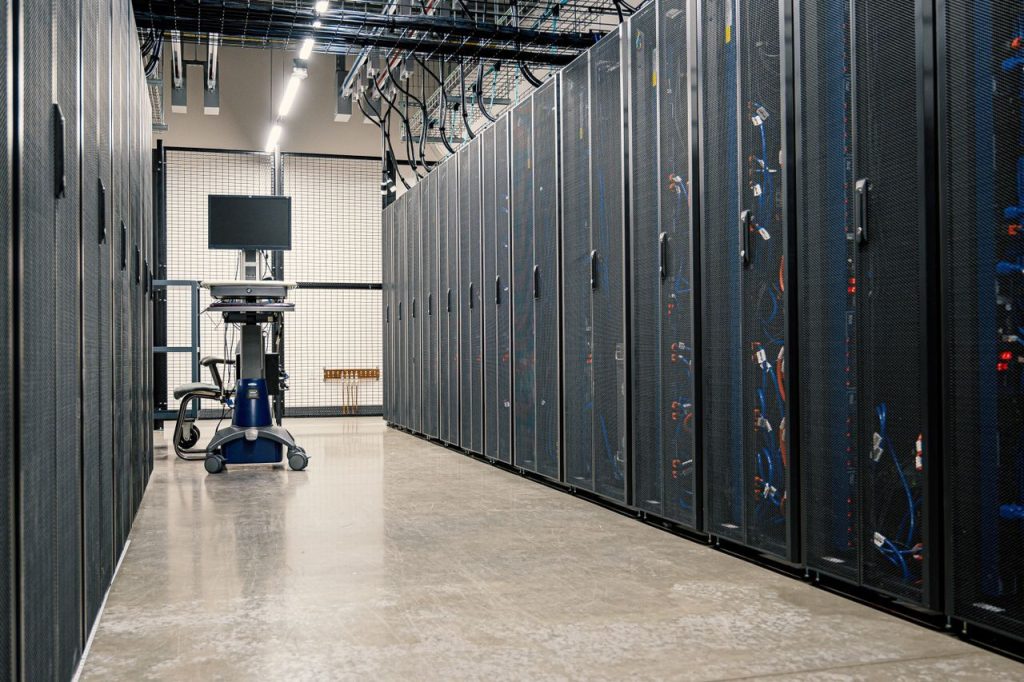
One of the biggest challenges facing Google’s proposed Hermantown campus is its expected demand for electricity. The facility could require approximately 500 megawatts of power, an enormous amount for a single development. The Citizens Utility Board of Minnesota has compared that demand to the electricity used by roughly 400,000 typical American homes. Such a large load requires careful planning because supplying it can involve additional generation capacity, transmission infrastructure and other utility investments. Residents and consumer advocates want assurances that these expenses will not be passed on to ordinary electricity customers. Minnesota law requires data center developers to pay for the cost of their electric service, but advocates say regulators must ensure the arrangements protect existing ratepayers. Google’s electricity supply agreement with Minnesota Power still requires approval from the Minnesota Public Utilities Commission, with a decision expected in early 2027. Google has pledged to support 300 megawatts of wind energy and 400 megawatts of battery storage to help offset its consumption. Those commitments are relevant, but they do not remove the need to examine the project’s effect on the regional grid, electricity costs and energy planning.
Tensions Between Supporters and Opponents Have Escalated

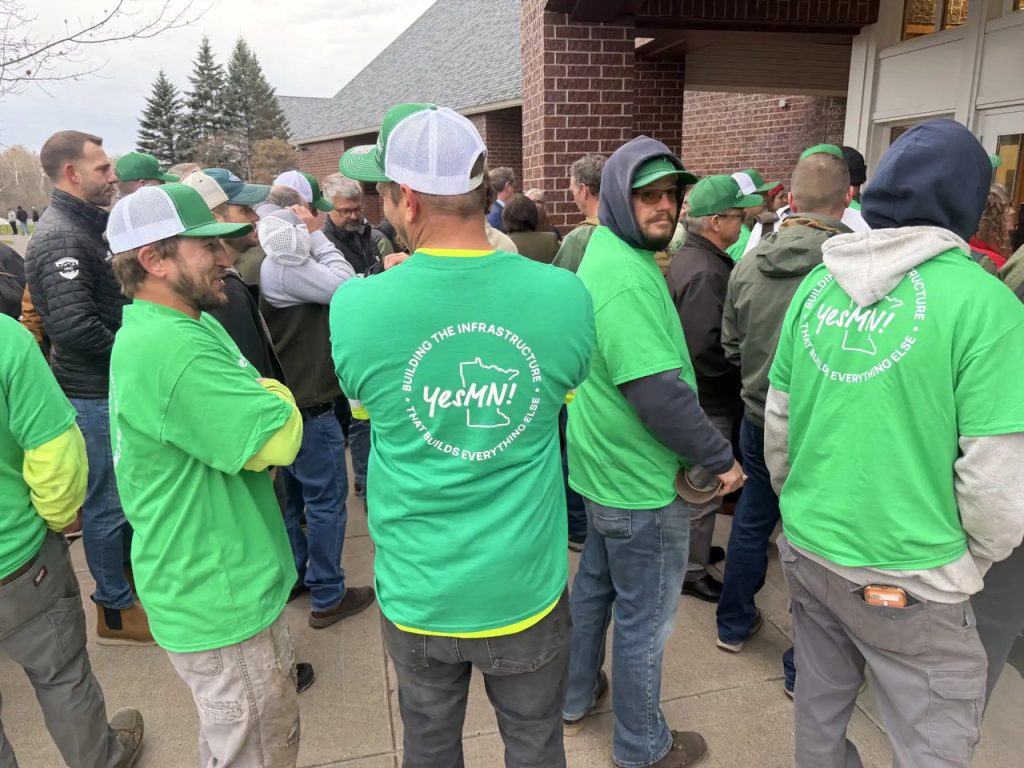
Hermantown’s data center debate has developed into a sharp disagreement over the community’s economic future, environmental priorities and the role residents should play in major local decisions. Opponents argue that the project raises concerns about transparency, water resources, electricity demand and the character of the surrounding area. Supporters, meanwhile, point to the construction jobs and potential tax revenue that a development of this scale could bring. The first phase alone is expected to cost approximately $650 million, with construction potentially taking up to eight years. City estimates suggest the completed project could generate around $3 million in annual property tax revenue for Hermantown and another $4 million for St. Louis County. Labor representatives have emphasized the opportunity for hundreds of construction jobs and years of work for regional tradespeople. Google has also dropped its pursuit of up to $80 million in property tax breaks and revised aspects of its proposal in response to community concerns. Yet those changes have not bridged the divide. The October 26 protests exposed how difficult it has become for local officials to balance public participation, safety and competing economic interests. With legal challenges and regulatory approvals still outstanding, the project’s future remains uncertain even as the city prepares to reconsider its local approval.