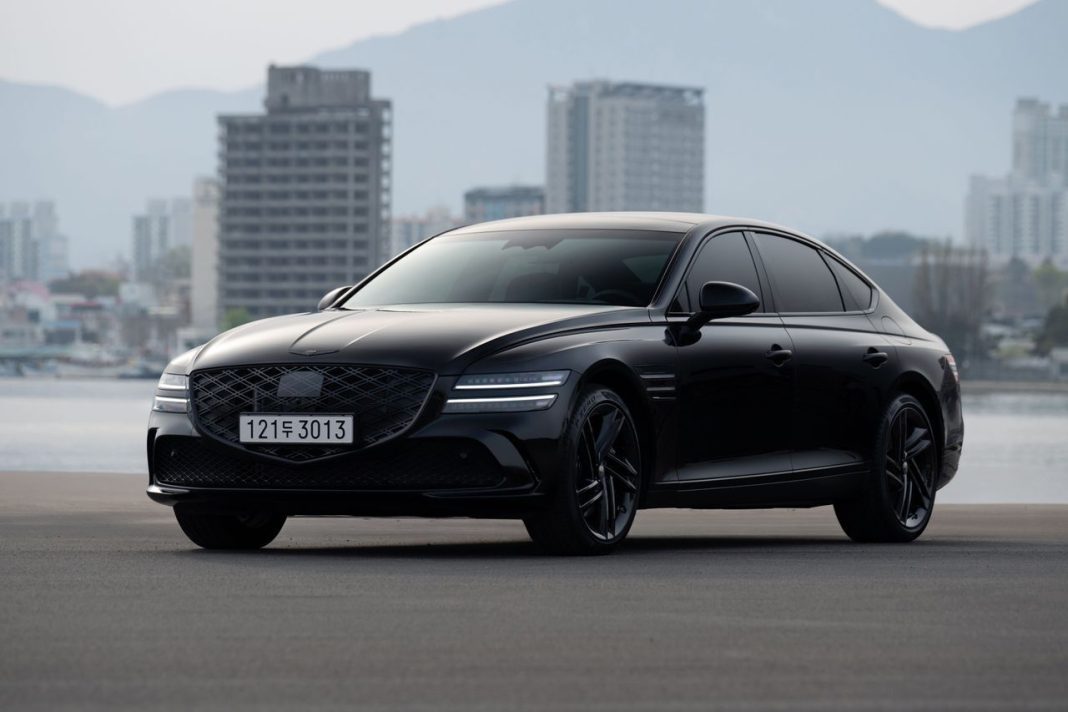

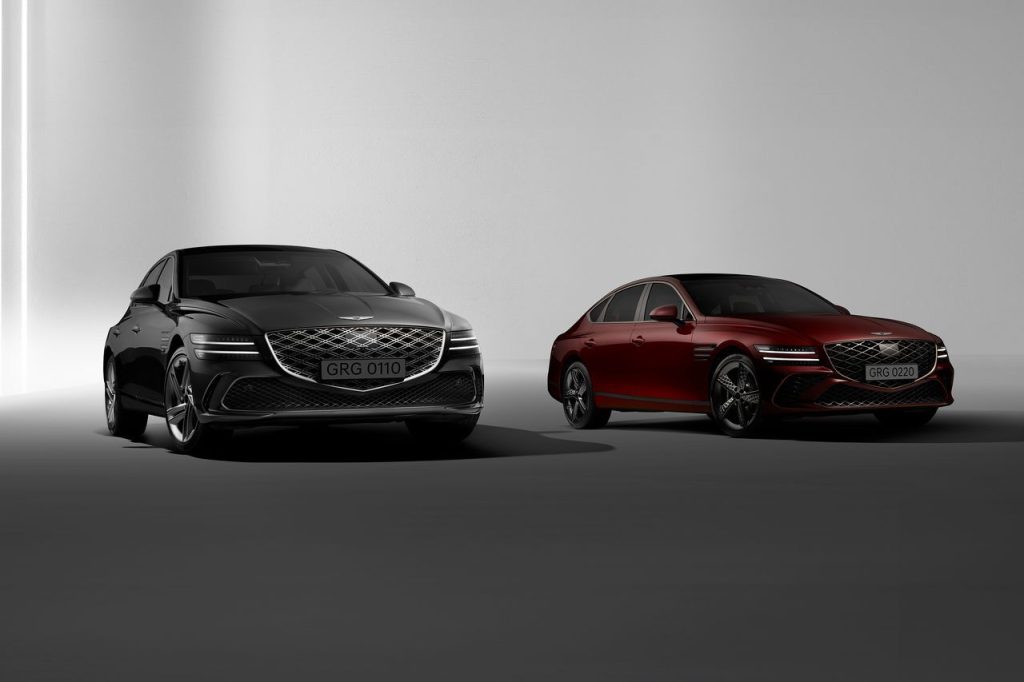
A power seat that refuses to stop moving might sound like a minor vehicle problem, but it can become a serious safety concern. Hyundai Motor America is recalling nearly 95,000 vehicles in the United States over a defect that could cause power seat motors to overheat and potentially start a fire. The recall affects certain 2015 and 2016 Hyundai Genesis sedans and 2017 through 2020 Genesis G80 models. Although the automaker estimates that only a small percentage of the recalled vehicles may have the defect, owners should take the warning seriously. From identifying affected models to understanding the parking precautions and repair timeline, here are six important details Genesis owners should check.
Check Whether Your Vehicle Is Among the 94,622 Recalled Cars
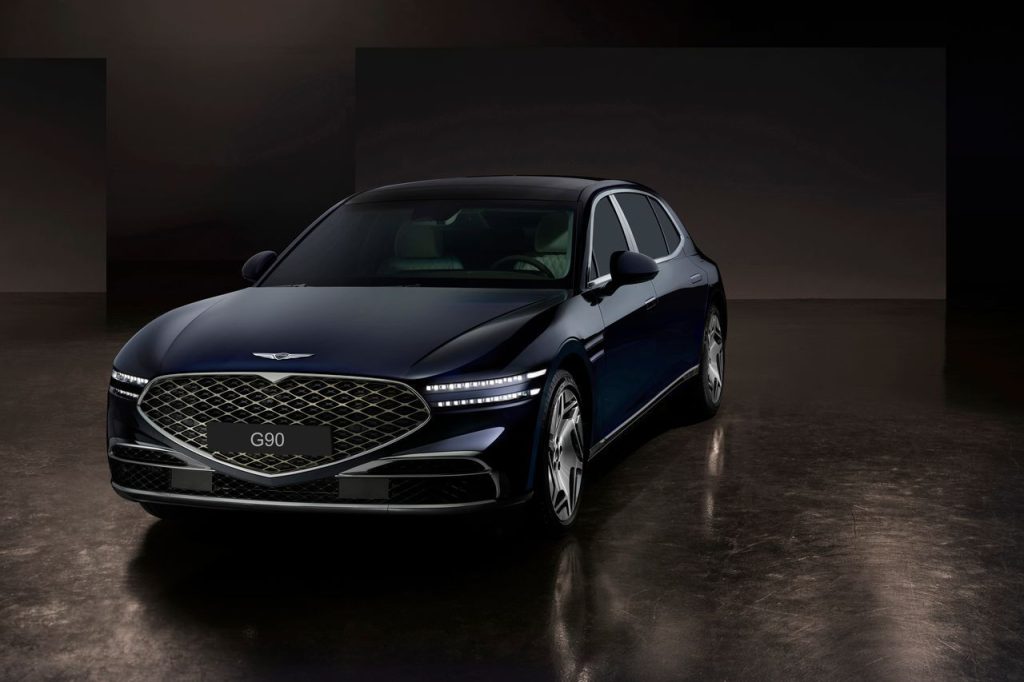
If you own an older Genesis sedan, checking your vehicle’s recall status should be a priority. Hyundai Motor America is recalling 94,622 vehicles in the United States, covering certain 2015 and 2016 Hyundai Genesis sedans and 2017 through 2020 Genesis G80 models. The recall concerns vehicles equipped with certain non-memory power front seats. Hyundai estimates that approximately 1% of the recalled vehicles may actually have the defect, but owners should not assume their car is safe simply because the problem is considered uncommon. The National Highway Traffic Safety Administration (NHTSA) identifies the campaign as recall 26V664000. Owners can enter their vehicle identification number (VIN) into the official NHTSA recall database to check whether their specific car is affected.
Understand How a Damaged Power Seat Switch Could Cause a Fire
A malfunctioning seat adjustment switch might seem like a minor inconvenience, but the problem behind this recall presents a more serious safety concern. According to the recall information, external force can dislodge or damage the front seat slider and height adjustment control switch. If the switch remains engaged, the power seat motor may continue running even after the driver or passenger has left the vehicle. Prolonged operation can cause the motor to overheat, increasing the risk of a fire. The danger is not limited to a moving vehicle, as overheating can also occur while the car is parked. NHTSA identifies a burning odor and seat control switches that stop working as potential warning signs. If you notice either symptom, stop using the vehicle, move away from any suspected fire hazard, and contact an authorized dealership for guidance.
Park Outdoors and Away From Buildings Until Repairs Are Completed
Where you park your car matters while this recall remains unresolved. Hyundai and federal safety officials advise owners of affected vehicles to park outdoors and keep their cars away from other vehicles, buildings, and structures until the necessary repair has been completed. This precaution is important because the suspected overheating can create a fire hazard even when the vehicle is unattended. Parking outside helps reduce the risk of a fire spreading to a garage, home, or nearby vehicle. Owners should take the advisory seriously even if their power seats appear to be working normally, since the defect may not be present in every recalled vehicle and the absence of symptoms does not confirm that a car is unaffected. Hyundai has not issued a general instruction to stop driving all recalled vehicles, but anyone who notices a burning smell or a malfunctioning seat switch should treat the situation as a potential safety issue and seek professional advice.
Know That the Recall Repair Is Still Being Developed
Owners hoping to schedule an immediate fix will need to wait for further instructions. As of the recall announcement in October 2026, Hyundai was still developing a remedy for the power seat motor overheating problem. The company plans to notify affected owners by mail when the next steps are available, with notification letters expected to begin arriving on December 7, 2026. Once the repair is ready, owners will be directed to an authorized Hyundai dealer or Genesis retailer. The repair is expected to be provided free of charge. Until then, the recommendation to park outdoors and away from other vehicles or structures remains important. Owners should also keep their contact details current with the manufacturer so they do not miss recall communications. Checking the NHTSA database can help them confirm their vehicle’s status rather than relying solely on a letter arriving in the mail.
Be Aware of the Two Reported Fire Incidents Linked to the Defect
The recall follows reports that make the potential danger more than a theoretical concern. Hyundai has acknowledged two alleged fire incidents in the United States associated with the power seat switch defect. The company reported no related crashes or injuries in the country as of October 1, 2026. Although the number of reported incidents is limited, the possibility of a fire while a vehicle is parked or being driven is serious enough to warrant a recall and precautionary parking measures. Hyundai estimates that about 1% of the 94,622 recalled vehicles may contain the defect, but that estimate does not identify which individual cars are affected. Owners should therefore follow the official guidance instead of trying to determine the risk based on the number of reported fires alone. The purpose of the recall is to address the potential defect before it causes further incidents.