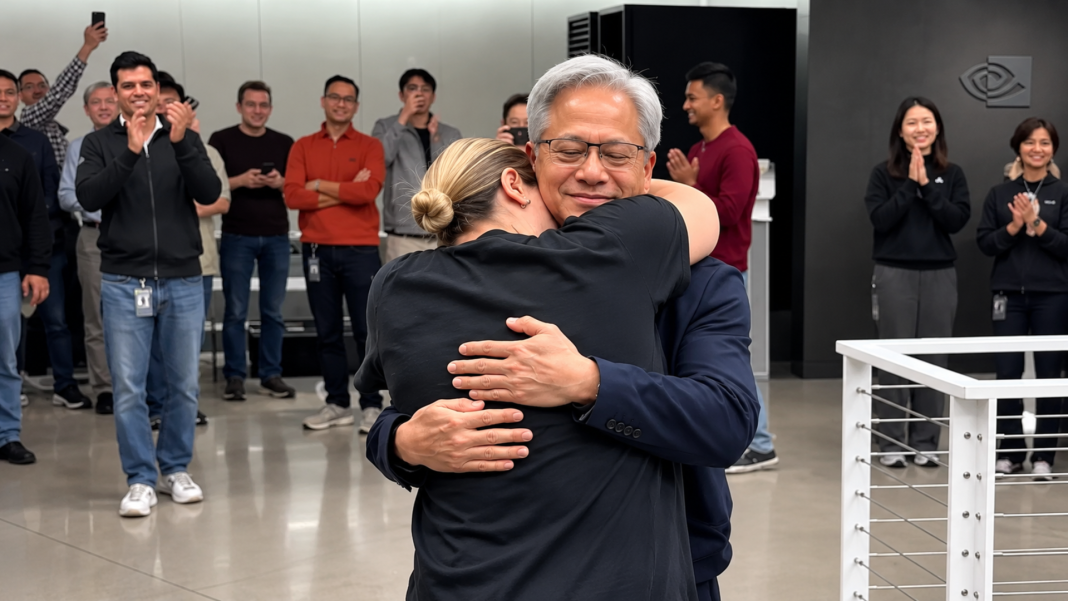

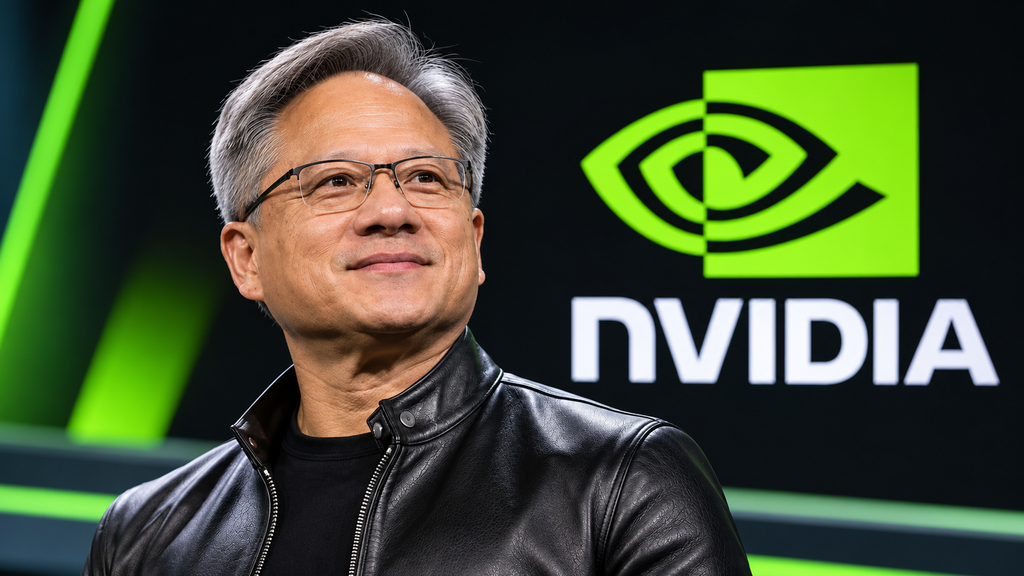
Nvidia CEO Jensen Huang apologized to employees on November 24, 2026, during his first company-wide meeting since returning to lead the technology company.
Speaking at Nvidia’s headquarters in Santa Clara, California, Huang acknowledged violating the company’s code of conduct and expressed gratitude for another opportunity to lead the business he co-founded in 1993.
Huang said he was attending daily therapy sessions lasting 90 minutes and was committed to rebuilding the trust of his family and employees.
He emphasized that company policies apply to everyone, including himself, while explaining that conduct violations are assessed individually and do not automatically result in dismissal.
Why Huang left Nvidia
In a November 8, email to employees, Huang acknowledged personal misconduct, apologized to his family and colleagues, and pledged to cooperate with an independent investigation initiated by Nvidia’s board.
His departure followed reports of personal relationships involving company employees and Alice Huang, a former executive at Singapore-based cloud computing company Megaspeed, which has faced scrutiny over potential violations of US technology export regulations.
The US government added Megaspeed to its trade restrictions list on November 23. Allegations concerning Alice Huang’s possible connections to Chinese intelligence have not been established, and China’s Foreign Ministry has denied them.
Nvidia announced Huang’s resignation on November 12 and appointed Chief Financial Officer Colette Kress as interim CEO.
On November 17, Huang said employees, investors and business partners had encouraged him to return. He expressed willingness to resume his leadership role if the board supported the decision. At the time, Nvidia’s board indicated that it did not intend to reinstate him.
Investigations continue after Huang’s return
Nvidia’s board unanimously reinstated Huang as president, CEO and board member on November 22, with the company publicly announcing the decision the following day. Kress continues to serve as CFO, while Harvey Jones remains board chair.
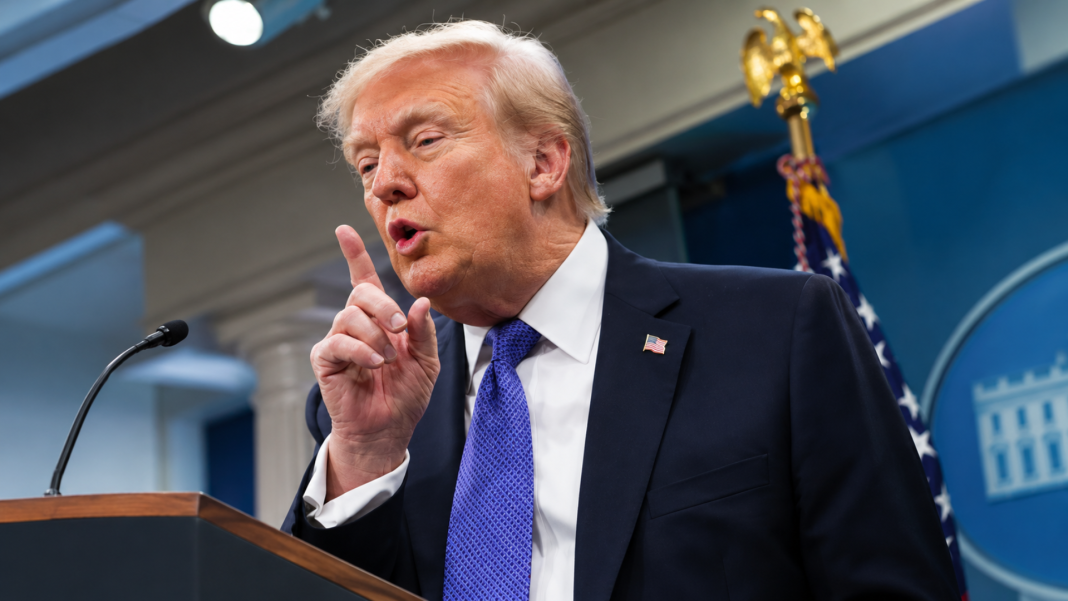
President Donald Trump supported Huang’s return and said he had intervened on his behalf. Huang maintained that the final decision rested with Nvidia’s board.
Lawmakers have raised questions about the reinstatement, including concerns about national security, compliance with US technology export regulations and the administration’s involvement in the decision.
Nvidia’s board said information provided by senior US government officials had addressed its national security concerns regarding Huang’s return. However, its independent investigation into the reported foreign intelligence effort remains ongoing.
The company has established a dedicated committee to oversee national security and export compliance. It is also recruiting a chief compliance officer and has committed to cooperating with government inquiries.
Huang outlined plans to collect regular feedback from colleagues and share it with the board as part of efforts to improve accountability.
He is also expected to appear before Congress in December, where scrutiny of Nvidia’s export compliance and leadership decisions is set to continue.