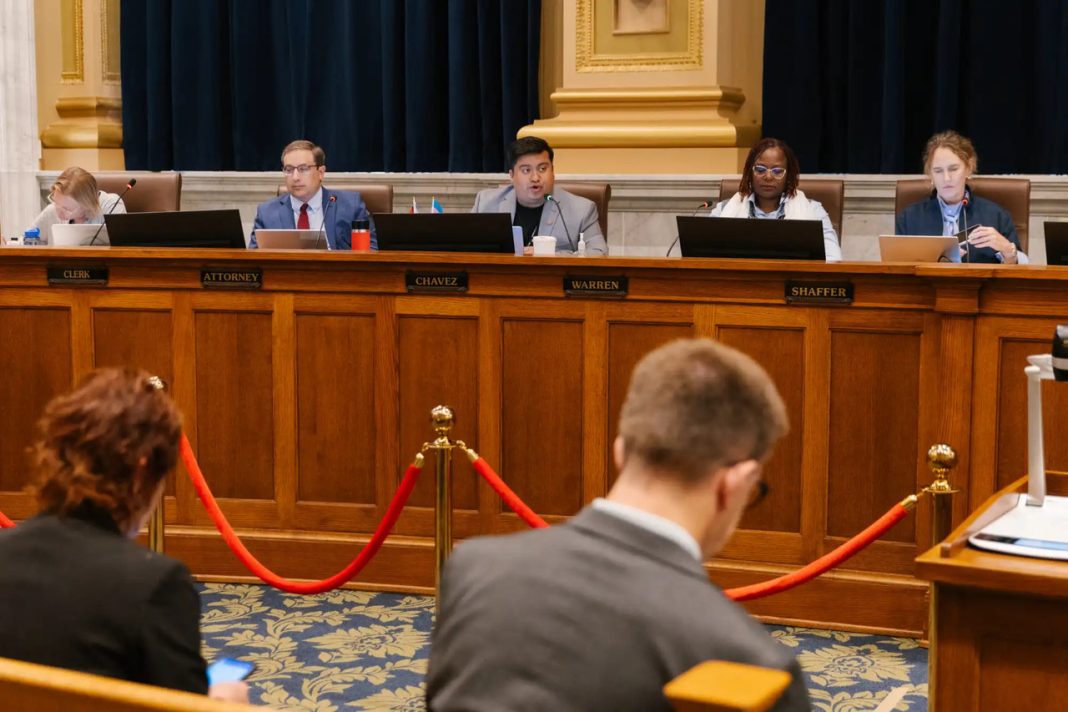

Minneapolis could be heading for a major shake-up in how it manages public safety. City Council members are pushing to eliminate the Office of Community Safety, a department created to coordinate police, fire, and alternative emergency response services. Supporters argue that the office adds bureaucracy and costs taxpayers money, while opponents warn that dismantling it could disrupt essential programs. With Mayor Jacob Frey resisting the proposal, six key questions explain what’s at stake and what could happen next.
Why Does Minneapolis Want to Eliminate the Office of Community Safety?
Minneapolis is reconsidering the structure of its public safety system, with City Council members arguing that the Office of Community Safety has not delivered the results residents were promised. Established in 2022 under Mayor Jacob Frey, the office was designed to bring several public safety functions under one administrative umbrella, including police, fire, emergency communications, emergency management, and neighborhood safety. Council members Robyn Wonsley and Elliott Payne have argued that the arrangement has created unnecessary bureaucracy without demonstrating sufficient improvements in public safety. Wonsley has pointed to police spending overruns, management concerns, and the office’s limited effectiveness in overseeing police operations. Supporters of eliminating the office say its responsibilities could be reassigned to other departments, allowing the city to simplify its government structure. However, the proposal has drawn opposition from officials who believe Minneapolis still needs a central body to coordinate traditional law enforcement with alternatives such as mental health response and violence prevention. The debate is therefore about more than eliminating a department. It raises a fundamental question about how the city should organize its public safety services and hold them accountable.
Will Eliminating the Office Save Taxpayers Money?

At a time when Minneapolis officials are examining spending and considering budget reductions, the cost of maintaining the Office of Community Safety has become a central issue. Council members supporting its elimination argue that the department adds an administrative layer without producing measurable benefits that justify the expense. They have also raised concerns about management practices, audit costs, and the office’s ability to prevent overspending elsewhere in the public safety system. The office oversees departments with substantial budgets, including the Minneapolis Police Department, making effective financial oversight particularly important. However, eliminating the office would not automatically eliminate the costs of the services it oversees. Police, fire, emergency communications, and neighborhood safety functions would still need funding, even if their administrative arrangements changed. The actual savings would depend on which positions and expenses disappeared, which responsibilities moved elsewhere, and how the city managed the transition. Council members must also consider whether restructuring could create additional administrative work in other departments. Until the city provides a detailed financial breakdown, the potential savings remain an important argument behind the proposal rather than a guaranteed outcome.
Who Will Oversee Minneapolis Police and Fire Departments if the Office Disappears?

Changing the city’s public safety structure could significantly alter how Minneapolis police and fire officials report to city leadership. Under the current arrangement, the Office of Community Safety provides an administrative umbrella for these departments, with a community safety commissioner overseeing the broader system. If the office is eliminated, department heads, including the police chief and fire chief, would report directly to Mayor Jacob Frey. Supporters of the proposal argue that this arrangement would simplify the chain of command and remove an unnecessary layer between department leaders and the mayor. They also contend that the existing structure has not consistently delivered the coordination or oversight originally envisioned. Critics, however, question whether removing the commissioner would weaken the city’s ability to coordinate different public safety services. Minneapolis created the office partly to improve cooperation among departments that had historically operated more independently. The disagreement centers on whether direct mayoral supervision would make the system more accountable or leave important coordination responsibilities without a clearly designated leader. How those responsibilities would be handled under the proposed arrangement remains a major consideration as council members debate the change.
What Happens to Mental Health Response and Other Public Safety Programs?

For residents who depend on public safety services beyond traditional policing, the most important question is what happens to those programs if the office is dissolved. Minneapolis has developed initiatives involving mental health response, violence prevention, and unarmed responders who can handle certain situations without sending police officers. The Office of Community Safety was intended to help coordinate these services alongside conventional emergency response. Mayor Frey has warned that eliminating the office without a detailed transition plan could place some of this work at risk. Council members backing the proposal counter that the Neighborhood Safety Department already performs much of the city’s work focused on alternatives to policing and could continue doing so without the larger office. Their position is that the programs themselves do not necessarily need to disappear simply because their administrative structure changes. Still, transferring responsibilities requires clear decisions about staffing, funding, supervision, and coordination with emergency services. The proposal does not automatically mean that every existing program will end, but uncertainty about how responsibilities would be reassigned is one of the main issues facing city leaders.
Why Do Some Council Members Believe the Office Has Failed?
The disagreement over the Office of Community Safety reflects competing views about what the department was supposed to accomplish and how its performance should be measured. Critics, including Wonsley, argue that the office has not demonstrated sufficient public benefit during its existence. They have cited concerns about police budget overruns, management problems, and the office’s limited influence over police operations. They have also questioned whether creating an additional administrative department has meaningfully improved crime-solving rates or overall safety outcomes. The debate has intensified amid concerns about city spending and the future of the office’s leadership. Community Safety Commissioner Todd Barnette’s renomination was rejected by the City Council earlier in 2026, and he has indicated plans to leave his position by the end of the year. However, defenders of the current structure argue that the office has helped coordinate departments and advance programs that provide alternatives to police intervention. Directors responsible for some of those services have also described benefits from having a central office supporting their work. The central disagreement is whether the shortcomings reflect a fundamentally ineffective structure or problems that could be addressed through stronger leadership, clearer authority, and better performance measures.
Can Mayor Jacob Frey Stop the Proposal From Becoming Law?

Even with substantial support at the council committee level, eliminating the Office of Community Safety is not simply a matter of passing one preliminary vote. On October 28, 2026, a Minneapolis City Council committee advanced the proposal by a 9-3 vote, with one member abstaining. The full council was scheduled to consider the measure on October 29. Mayor Frey has strongly opposed the plan, arguing that council members have not explained adequately how essential public safety services would be managed after the office disappears. He has also defended the existing model as an effective way to coordinate public safety resources. The city’s political structure gives the mayor an important role in the dispute, including the ability to veto certain council actions. Council members would need sufficient support to overcome a veto if one were issued, making the final vote and the council’s ability to maintain a majority especially important. The proposal also intersects with broader budget and departmental restructuring discussions, which could affect how and when the changes are implemented. Until the full council acts and any subsequent mayoral response becomes clear, the office’s future remains uncertain.