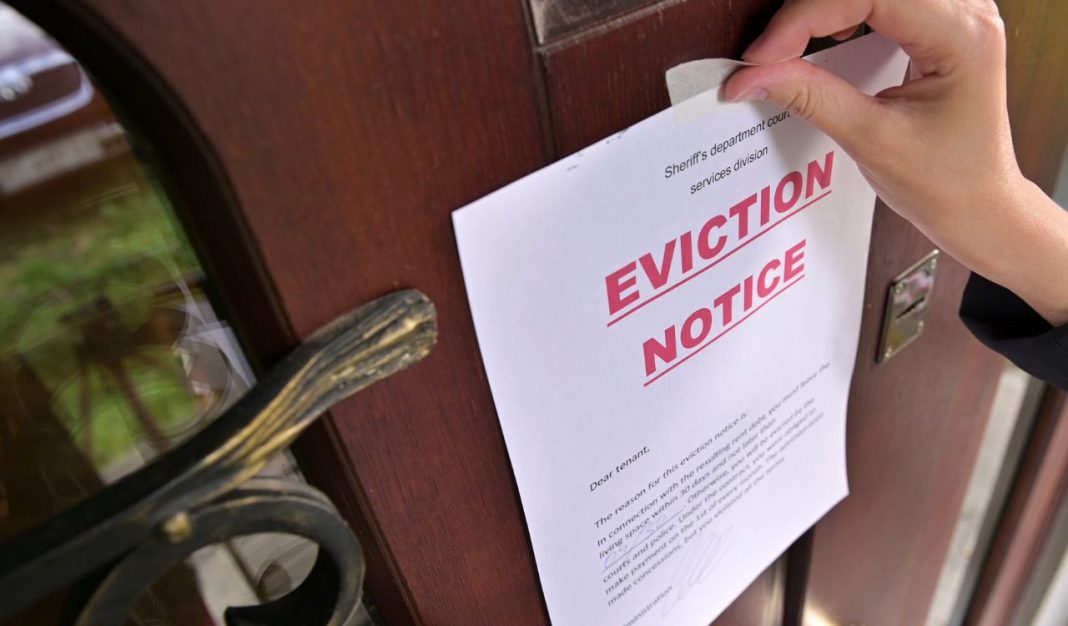

Minnesota is experiencing a troubling increase in eviction filings this year, with court data revealing that more households are at risk of losing their homes compared to 2024. As of November 21, 2025, state courts recorded 23,391 eviction filings, surpassing the 23,282 filings from all of 2024. The trend suggests the state could approach or exceed the 25,847 evictions filed in 2023, which was the first complete year after Minnesota’s pandemic era eviction moratorium ended. November 21 alone saw 246 eviction cases filed statewide, marking the highest single day count since January 1, 2022. Mike Vraa, managing attorney at HOME Line, a nonprofit that provides free legal assistance to renters across Minnesota, reports seeing a dramatic uptick in calls from people desperately seeking help after receiving eviction notices.
The Human Cost Behind Rising Numbers
The surge in eviction filings reflects financial struggles affecting thousands of Minnesota families rather than deliberate refusal to pay rent. Vraa, who speaks with people facing eviction daily, emphasizes that most tenants want to fulfill their rental obligations but have been hit by unexpected life challenges. HOME Line sends letters to every person who receives an eviction notice statewide and has observed a significant increase in both outreach volume and callbacks from worried renters this year. The organization projects that filings could surpass 25,000 by year end, potentially matching the concerning peak recorded two years ago. Vraa notes that Minnesota appears to have settled into a troubling new normal of more than 20,000 eviction filings annually, representing thousands of households facing housing instability. This sustained elevation compared to pre pandemic averages of around 15,200 annual filings from 2018 and 2019 demonstrates a dramatic 35 to 37 percent increase that shows no signs of declining.
New Law Creates Mixed Results For Landlords And Tenants
A state law that took effect in January 2024 requires landlords to provide a 14 day written notice with financial and legal resources before filing evictions for non payment of rent, representing what Vraa calls the biggest single change in renter protection legislation passed in recent years. Doug Turner, who represents landlords and property owners across Minnesota, reports that his firm has actually seen slightly fewer eviction filings this year, attributing part of the decline to the new notice requirement giving some tenants enough time to catch up on payments. However, Turner also identifies a significant downside to the extended timeline, noting that by the time a court appearance occurs, tenants can owe two full months of rent, putting financial strain on landlords and making it harder for residents to recover. The law mandates specific technical language and information that landlords must include in notices, and failure to meet these detailed requirements can result in case dismissal, forcing landlords to restart the entire process. Some Twin Cities communities, including Minneapolis, have implemented even longer 30 day notice periods, further extending the timeline before eviction proceedings can begin.
Finding Help And Understanding Your Rights
Renters facing eviction have access to important resources that can make a critical difference in their situations. HOME Line operates a statewide tenant hotline that helps more than 15,000 rental households annually, prevents over 1,000 evictions, and assists renters in recovering nearly two million dollars in wrongfully withheld deposits or rent abatements. The nonprofit provides services in English, Spanish, Somali, and Hmong, ensuring language barriers do not prevent people from getting the legal guidance they need. Tenants who receive a 14 day eviction notice should understand their rights and take immediate action to address nonpayment issues or consult with legal advocates if they have concerns about the validity of the notice. The new notice requirements create additional opportunities for tenants to raise defenses and potentially force dismissal of improperly filed eviction cases. Both landlords and tenants benefit from understanding the specific requirements and timelines involved in Minnesota’s current eviction process to ensure fair resolution of disputes.