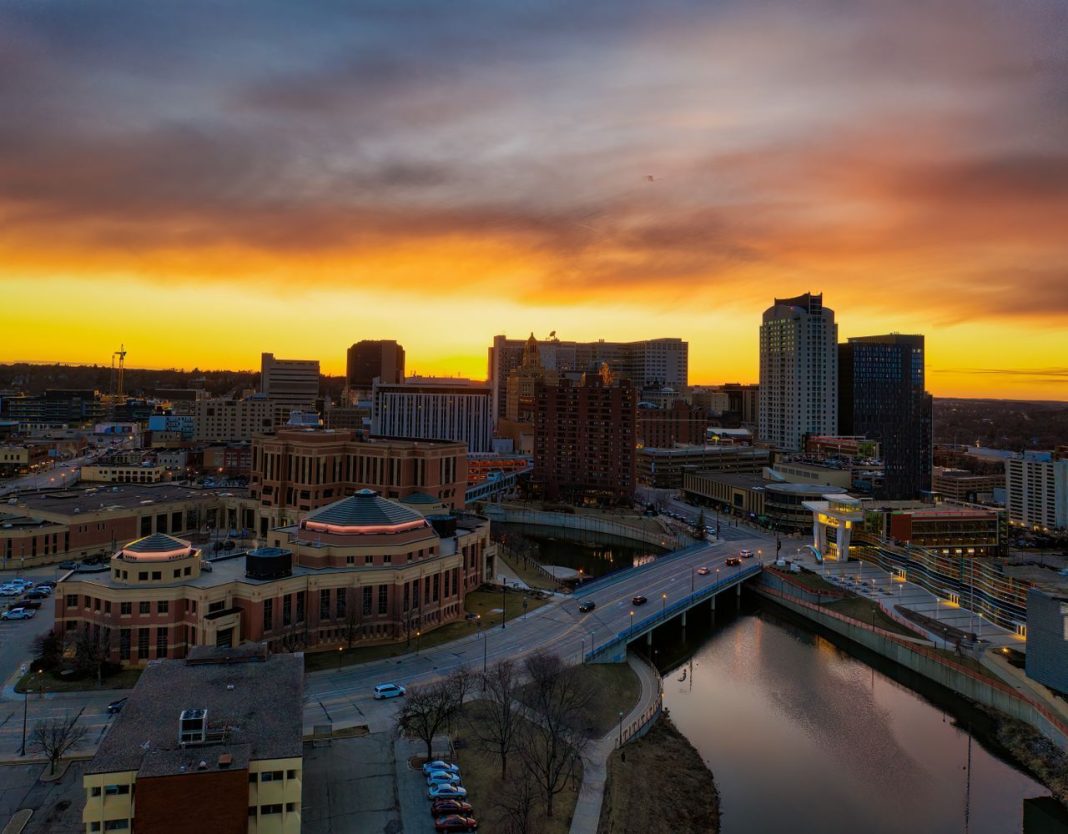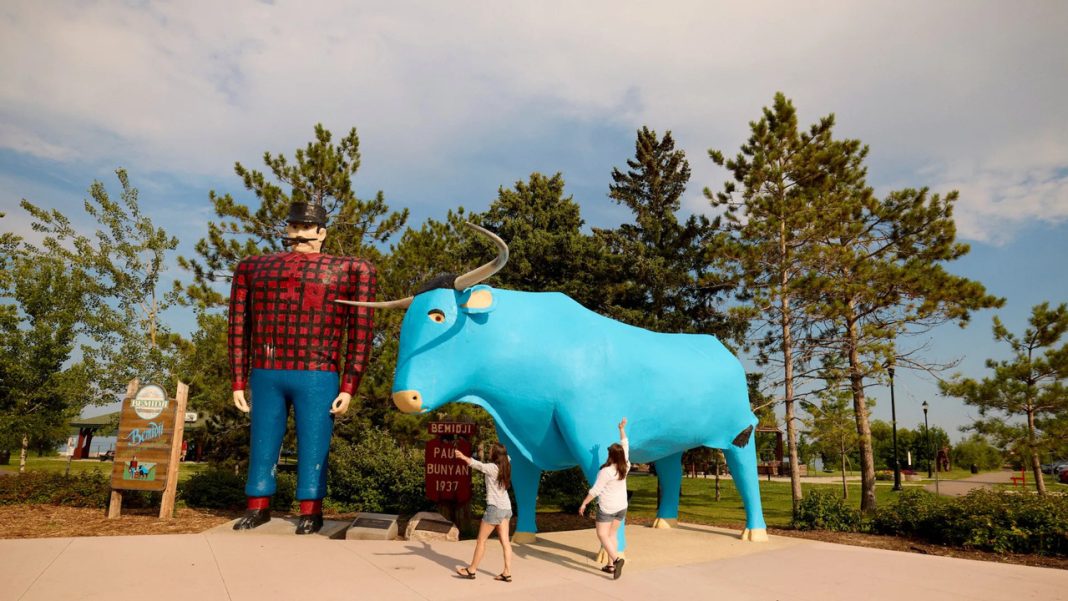

Minnesota is famous for Paul Bunyan, but the state’s roadside attractions offer plenty of other reasons to pull over and explore. From a 55-foot Jolly Green Giant to a giant ball of twine that took nearly three decades to complete, these oversized landmarks celebrate everything from local wildlife and fishing traditions to Scandinavian heritage and hockey culture. Scattered across the state, they turn ordinary road trips into memorable adventures filled with unusual sights and fascinating local stories.
The Jolly Green Giant Welcomes Travelers With a 55-Foot Statue in Blue Earth
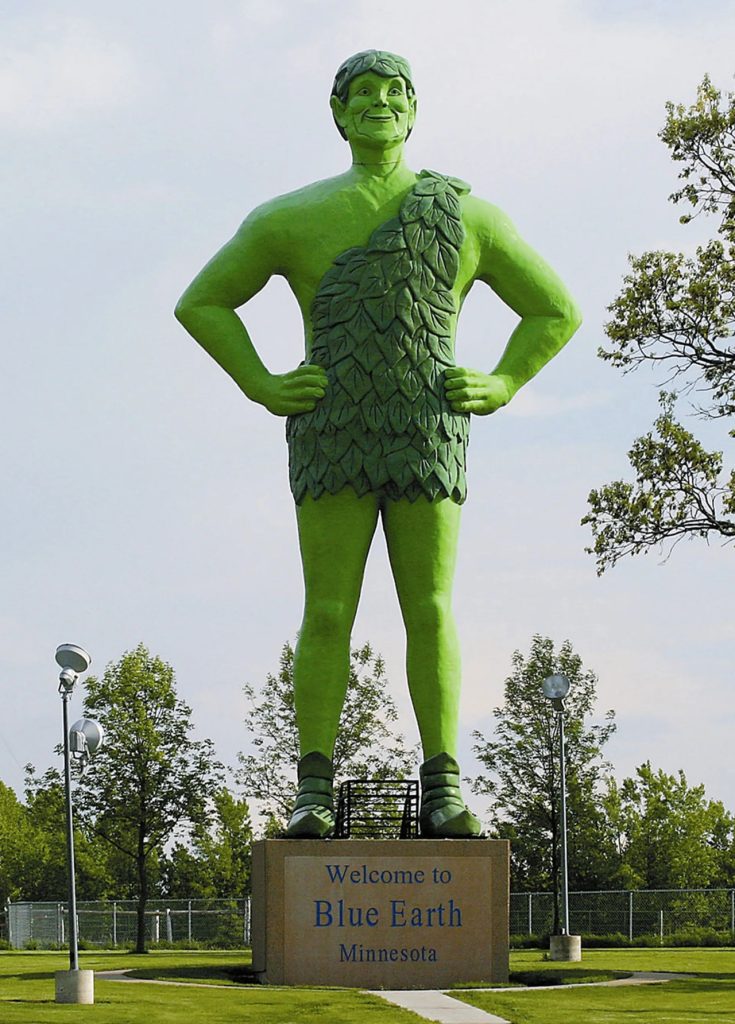
Minnesota’s roadside attractions do not get much greener than the towering Jolly Green Giant in Blue Earth. Standing 55 feet tall, the statue pays tribute to the familiar mascot associated with the Green Giant brand and welcomes travelers visiting the southern Minnesota community. The statue is particularly memorable because of its size and distinctive appearance, complete with a green body and a toga-like garment. Its location also connects it to the region’s agricultural history and the Green Giant company’s longstanding presence in Minnesota. Visitors can stop for photographs and explore the nearby Giant Museum to learn more about the area’s connection to the brand. For road-trippers traveling along Interstate 90, the statue offers a memorable detour and a reminder of how a familiar advertising character can become a local landmark.
Darwin’s World’s Largest Ball of Twine Took 29 Years to Complete
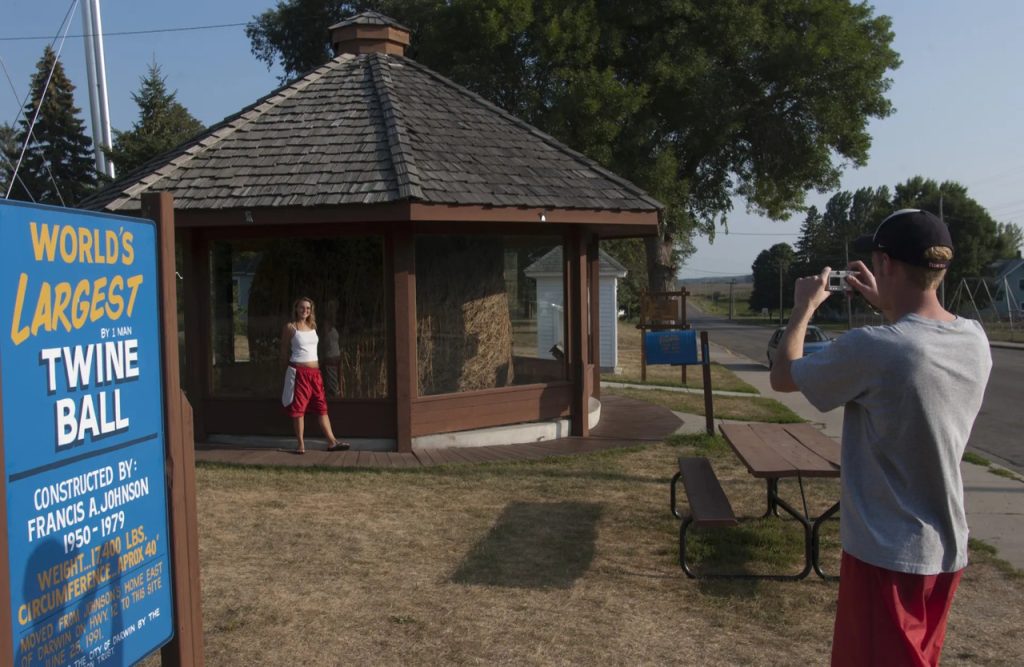
Few roadside attractions are as unusual as a giant ball of twine, but Darwin, Minnesota, has turned one man’s long-running hobby into a recognizable landmark. Francis A. Johnson began rolling twine into a massive ball in 1950 and continued working on it for 29 years. The finished creation measures approximately 12 feet across, weighs around nine tons, and is displayed in a glass-walled enclosure in the town. Unlike attractions built by construction crews, this enormous ball represents decades of individual effort, with Johnson reportedly spending hours at a time adding more twine. Darwin celebrates the landmark with Twine Ball Day, an annual community event held in August. Visitors can also explore the Darwin Twine Ball Museum, which displays memorabilia connected to the project and local history. It is an entertaining stop that shows how an ordinary material can become extraordinary through persistence and a little hometown pride.
Alexandria’s 28-Foot Viking Named Big Ole Celebrates Norse Heritage
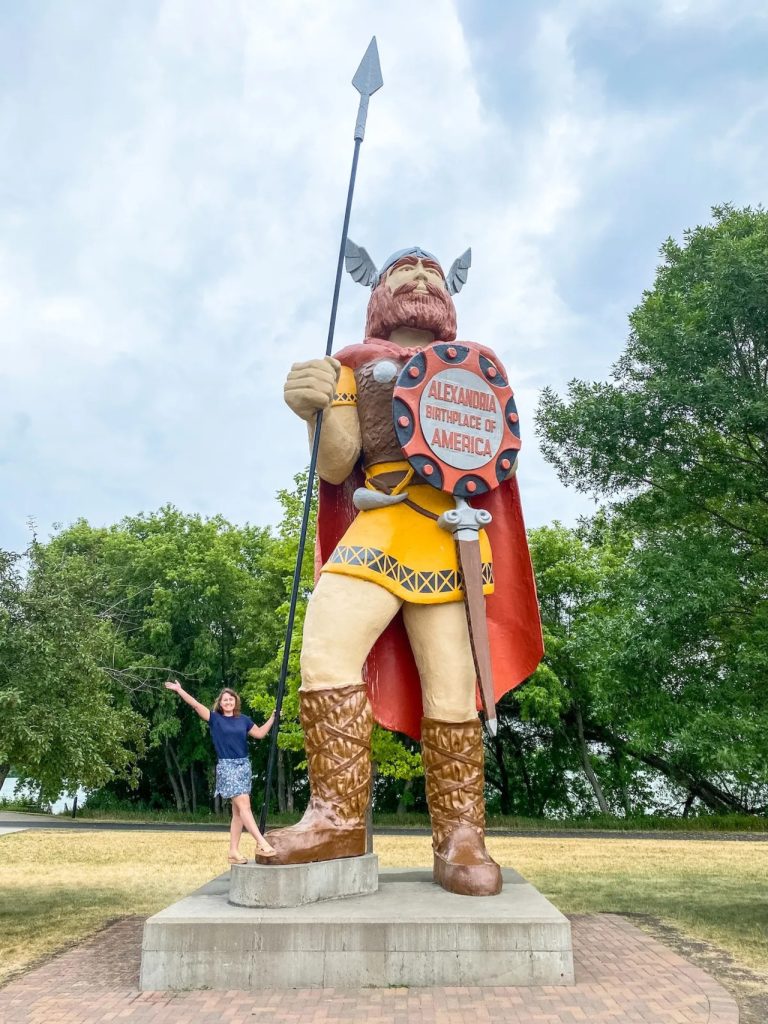
A towering Viking warrior might seem like an unexpected sight in central Minnesota, but Big Ole has become an enduring symbol of Alexandria. Standing 28 feet tall, the helmeted figure was created for the 1965 New York World’s Fair before finding a permanent home in Minnesota. The statue reflects the region’s interest in Scandinavian heritage and early Norse exploration, themes that have long been part of local identity. Big Ole’s bold appearance, complete with a Viking helmet and shield, makes it an easy landmark for visitors to recognize. The statue also connects with Alexandria’s broader tourism appeal, which includes the Runestone Museum and the area’s lakes and outdoor attractions. Travelers often stop to take photographs beside the giant warrior, making Big Ole a popular roadside photo opportunity. Its story also shows how an exhibit created for a major international event can eventually become a lasting part of a small city’s identity.
Fergus Falls Is Home to Otto the Otter, a Giant Scrap-Metal Sculpture
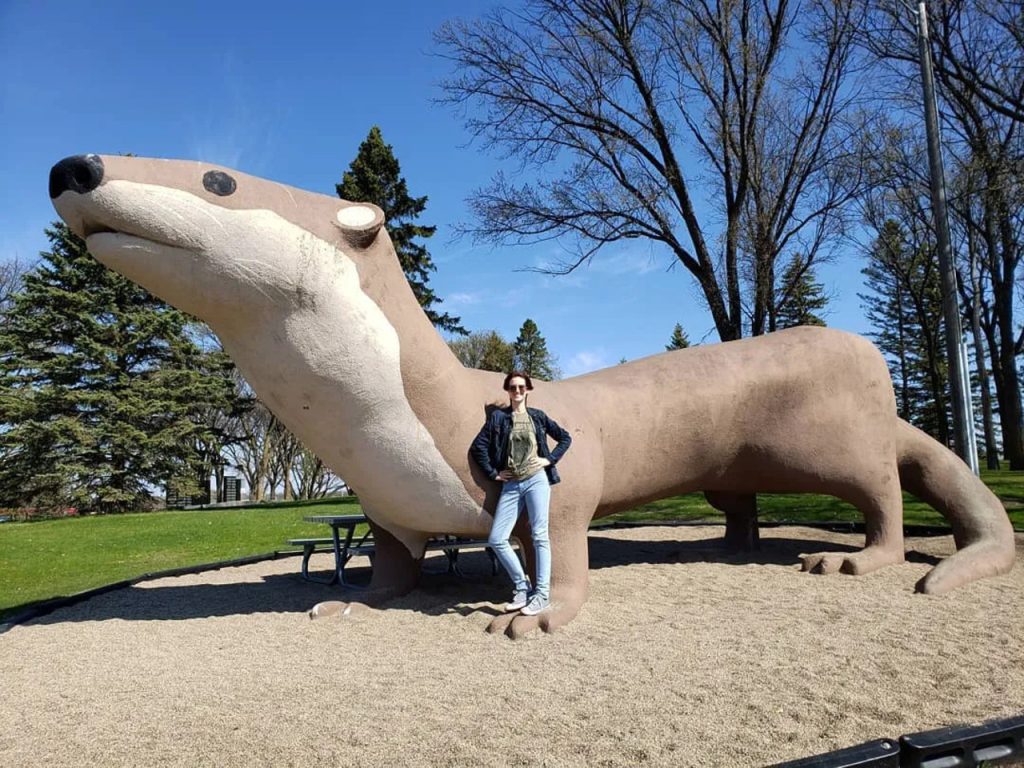
Otto the Otter proves that Minnesota’s roadside giants do not have to be made from conventional statue materials. Located in Adams Park in Fergus Falls, Otto is a large sculpture assembled from scrap metal and shaped into an otter holding a fish. The work is associated with the area’s creative public art scene, which celebrates local wildlife through larger-than-life displays. Explore Minnesota also highlights a 14-foot scrap-metal otter at Nyberg Sculpture Park in nearby Vining, where artist Ken Nyberg has created more than two dozen oversized metal sculptures. These works transform discarded materials into recognizable animals and imaginative figures, giving visitors a different kind of roadside attraction to explore. Otto is especially fitting for a region whose identity is closely connected to lakes, rivers, and outdoor recreation. Visitors can take photographs with the sculpture while enjoying the park, making it a relaxed stop on a drive through western Minnesota.
Baudette’s 19-Foot Willie the Walleye Celebrates Minnesota’s Fishing Culture
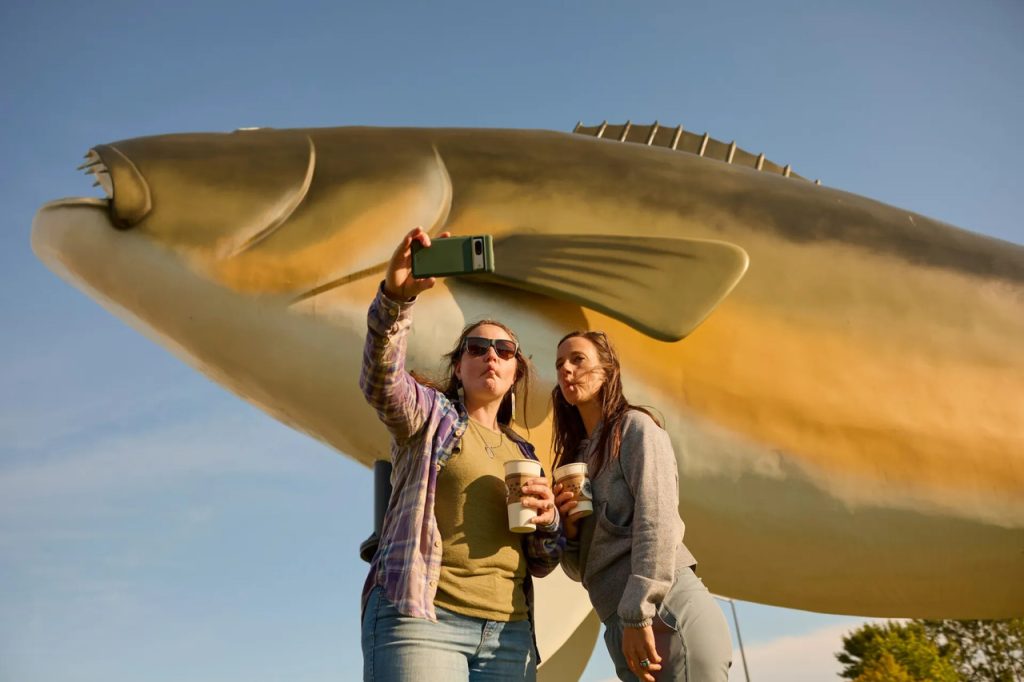
In a state known for its fishing lakes, a giant fish statue feels right at home. Willie the Walleye stands 19 feet long in Baudette, a northern Minnesota community near the Canadian border on the shores of Lake of the Woods. The statue celebrates the region’s strong connection to fishing, which attracts anglers looking for walleye and other freshwater species throughout the year. Its oversized shape makes it a natural photo stop for visitors arriving in town, while its location offers a convenient reminder of the lake’s importance to the local economy and recreation scene. The statue received a repaint in 2023, giving it a refreshed, scaly appearance. For travelers heading toward Lake of the Woods, Willie provides an easy landmark to find and a fun way to mark the journey. It also fits into Minnesota’s wider tradition of giant fish sculptures, which turn the state’s fishing culture into memorable roadside attractions.
Rothsay’s 13-Foot Prairie Chicken Has Watched Over I-94 Since 1976
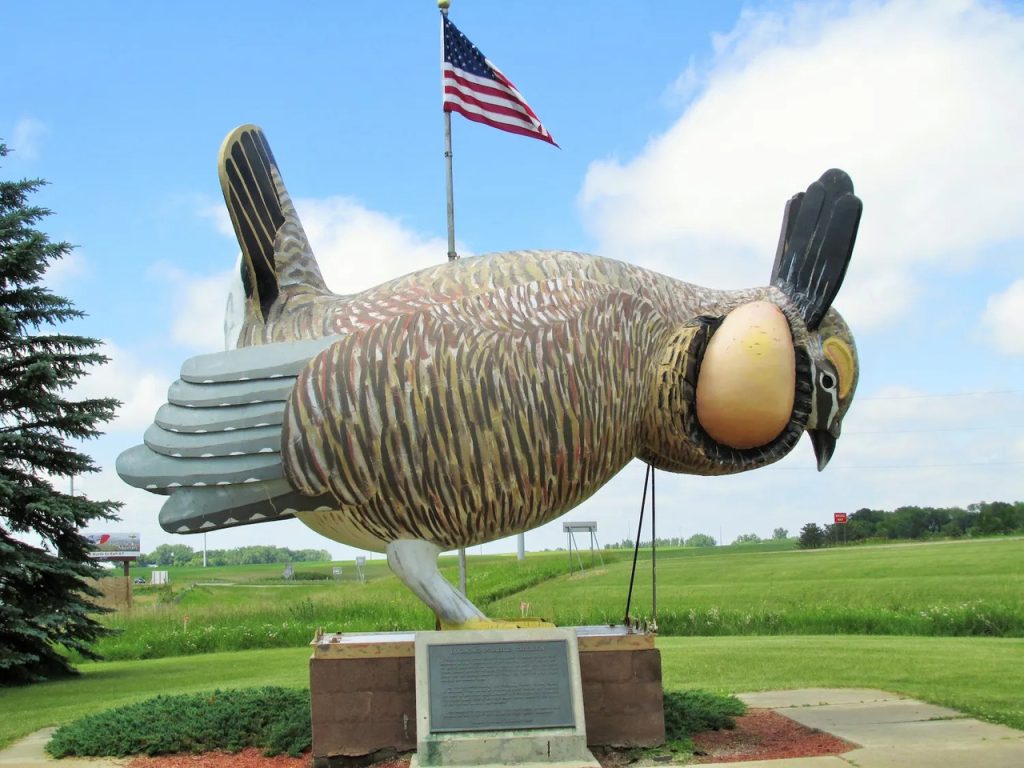
Drivers traveling along Interstate 94 between Fergus Falls and Moorhead can spot an oversized bird standing proudly near Rothsay. The town’s World’s Largest Prairie Chicken debuted in 1976 and measures 13 feet high and 18 feet long, weighing approximately 9,000 pounds. The statue celebrates a bird associated with Minnesota’s prairie landscapes and gives the small community a distinctive landmark that catches the attention of passing motorists. Prairie chickens once occupied extensive grassland habitats across the region, although changes in land use have reduced and fragmented much of that habitat. The statue is a reminder of the natural heritage that shaped the area’s landscape, while also reflecting the playful creativity behind many of Minnesota’s roadside attractions. Its location near a major interstate makes it a convenient stop for travelers who want to stretch their legs and take a photograph. Nearly five decades after its debut, the giant bird remains one of Rothsay’s most recognizable features.
Eveleth’s Giant Hockey Stick Pays Tribute to Minnesota’s Hockey Heritage
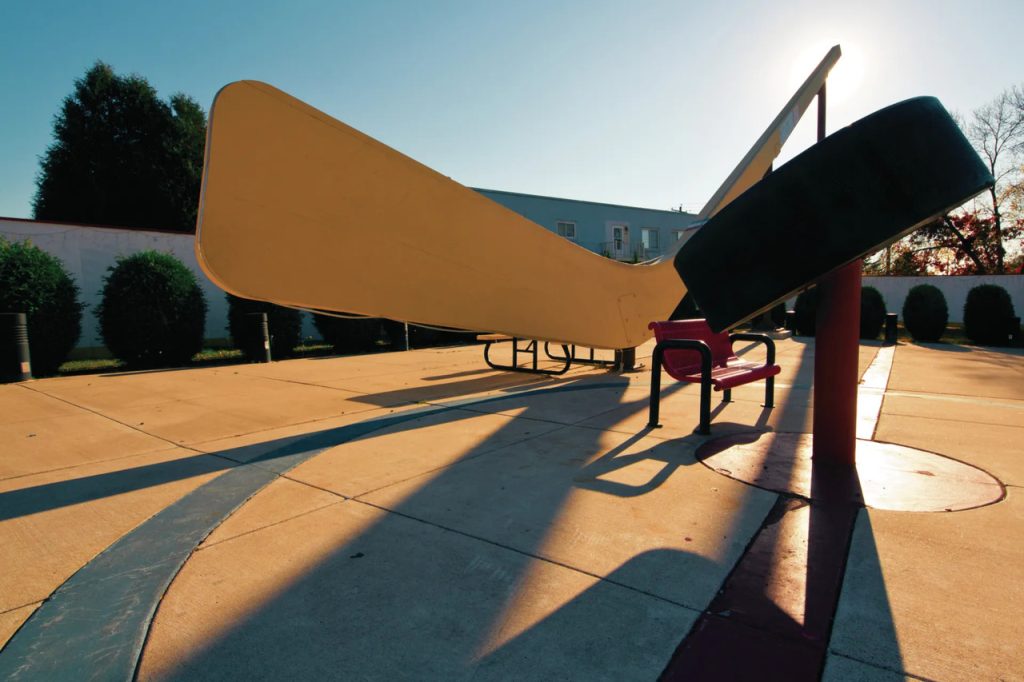
Minnesota’s reputation as the State of Hockey is reflected in one of its most recognizable oversized landmarks: the World’s Largest Hockey Stick in Eveleth. Located on the Iron Range, the attraction celebrates a sport with deep roots in the region, where generations of players have grown up skating on outdoor rinks and competing in organized leagues. The area has also produced numerous professional hockey players, helping strengthen its connection to the sport. The giant stick offers a memorable photo opportunity and sits near the United States Hockey Hall of Fame Museum, giving visitors another reason to explore Eveleth’s hockey history. Together, the landmark and museum highlight the role hockey has played in local culture and community life. Rather than celebrating a fictional character or an unusual hobby, the oversized stick represents a genuine sporting tradition. For hockey fans traveling through northern Minnesota, it is a worthwhile stop that connects the state’s roadside creativity with one of its best-known passions.