
Minnesota is famous for its lakes, forests, and small-town charm, but some of its communities stand out for a completely different reason: their names. Embarrass, Fertile, and Nimrod might sound unusual on a road sign, yet each has a story rooted in history, settlement, or cultural references. From a river that challenged French explorers to a biblical hunter whose name took on a surprising modern meaning, these seven stories reveal how Minnesota’s most memorable place names came to be.
Embarrass Was Named After a River That Frustrated French Explorers
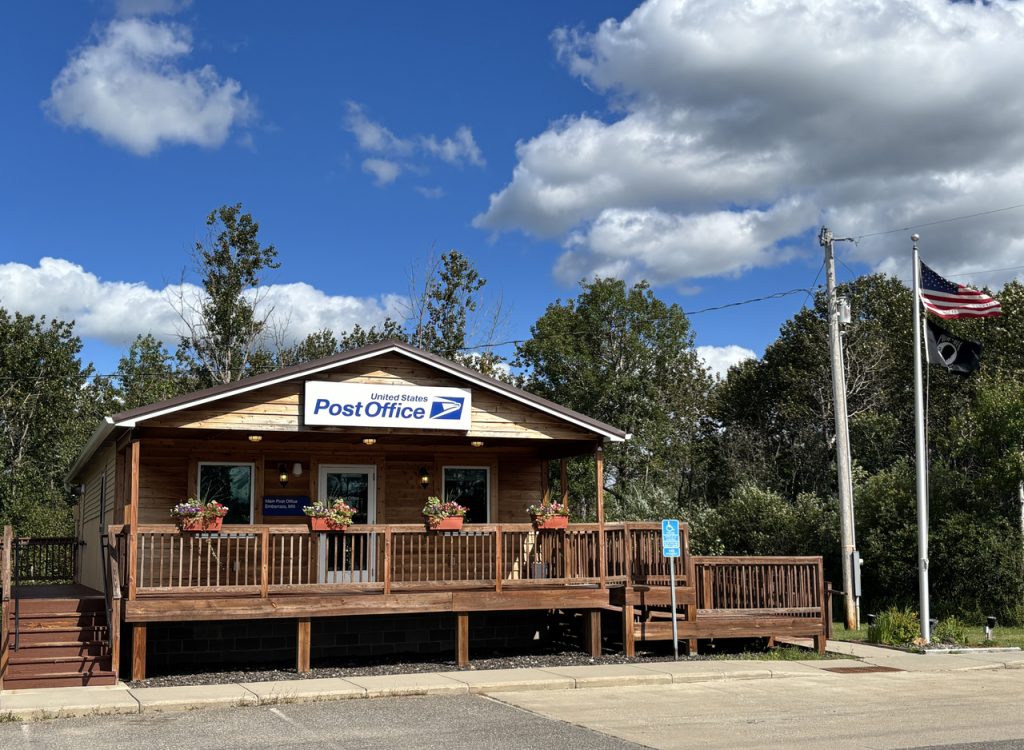
Minnesota’s town of Embarrass owes its unusual name to a waterway that proved difficult for early French explorers to navigate. The name comes from the French word embarras, which refers to an obstacle, hindrance, or complication. French voyageurs traveling by canoe through the area encountered a narrow, shallow river filled with debris and other obstructions that made their journey challenging. They named it the Embarrass River as a description of the difficulties they faced. The settlement eventually adopted the river’s name, and the township was formally organized in 1905. The name had nothing to do with the modern English meaning of feeling ashamed or awkward. Instead, it preserves a small piece of the region’s early exploration and fur-trading history.
Fertile Was Named After an Iowa Hometown That Reminded a Settler of Home
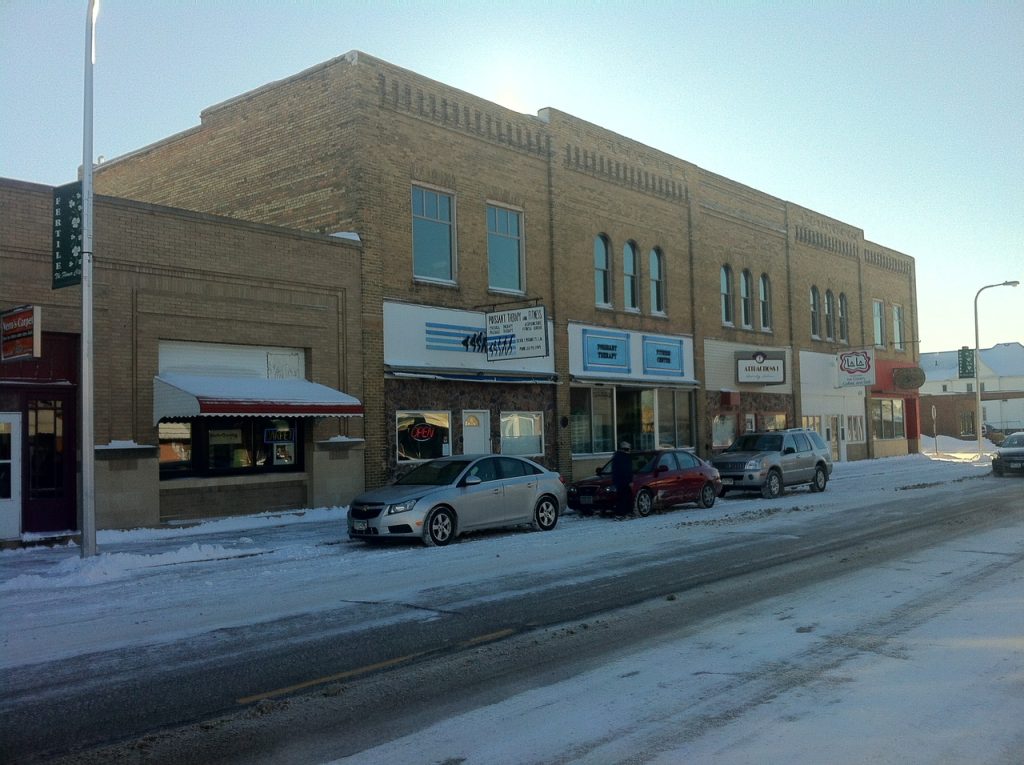
The name Fertile might suggest exceptionally rich farmland, but the Minnesota community’s name has a more personal origin. Settler John LaDue moved to Polk County, Minnesota, from Fertile, Iowa, and saw similarities between the new area’s landscape and his former home. He chose to name the Minnesota settlement after the Iowa community, carrying a familiar place name into a new region. The town is located in northwestern Minnesota, where agriculture has long played an important role in the local economy. Although the word fertile naturally brings to mind productive soil and farming, the documented explanation for the town’s name centers on LaDue’s connection to Iowa. The story is a reminder that many American communities received their names from settlers who wanted to preserve a link to places they had left behind.
Nimrod Was Named After a Biblical Figure Famous for Hunting
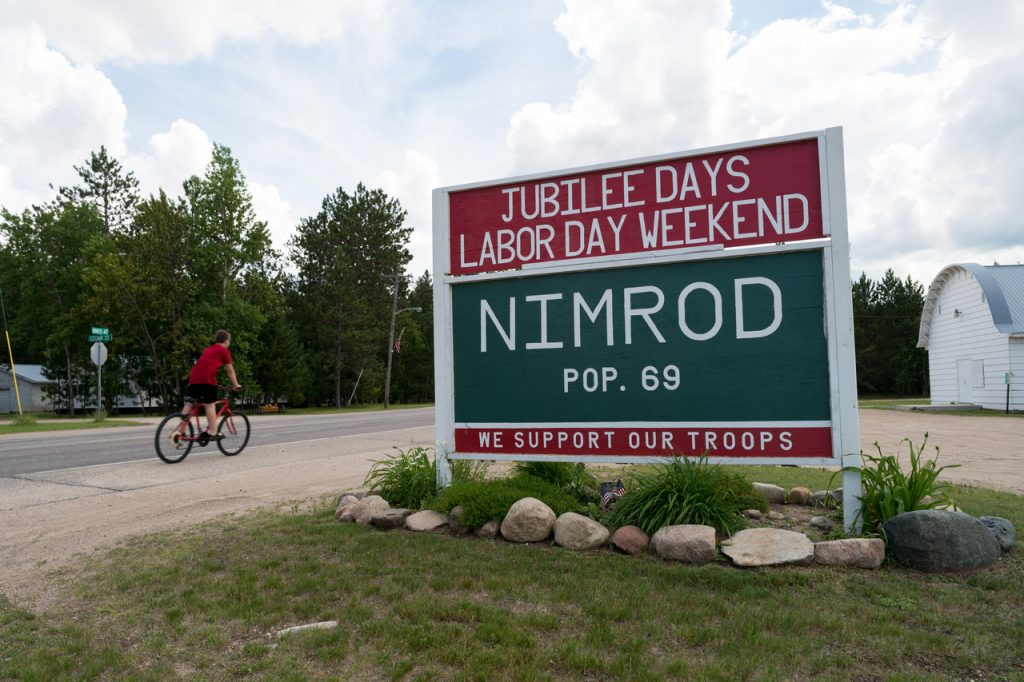
Few Minnesota town names invite as much curiosity as Nimrod, but its original meaning is very different from the insult some people recognize today. The community takes its name from Nimrod, a biblical figure described in the Book of Genesis as a mighty hunter. That association likely appealed to early settlers in a region where hunting and outdoor life were important parts of the local culture. Nimrod is a small community in Wadena County, and it officially became an incorporated town in 1946. Its name has helped make it recognizable well beyond Minnesota, with travelers often stopping to photograph the town signs. Although the word’s modern usage can make the name sound like a joke, the town’s name reflects an older biblical reference rather than an attempt to describe its residents.
A Cartoon Helped Turn Nimrod Into a Word for Someone Foolish

The meaning of Nimrod changed considerably in popular American English, creating an amusing contrast for the Minnesota community that bears the name. In the Bible, Nimrod is associated with strength and hunting ability, but the word eventually became slang for someone considered foolish or inept. A frequently cited influence was a 1940 Looney Tunes cartoon in which Daffy Duck sarcastically referred to Elmer Fudd as a nimrod, apparently invoking the biblical hunter while mocking Fudd’s own hunting efforts. The joke relied on the audience recognizing the name’s association with hunting, but later viewers increasingly understood it as an insult. Residents of Nimrod, Minnesota, have had to live with that shift in meaning, often hearing jokes from people unfamiliar with the name’s history. The contrast is a good example of how popular culture can reshape a word’s everyday meaning over time.
Embarrass Is Also Known for Its Exceptionally Cold Winters
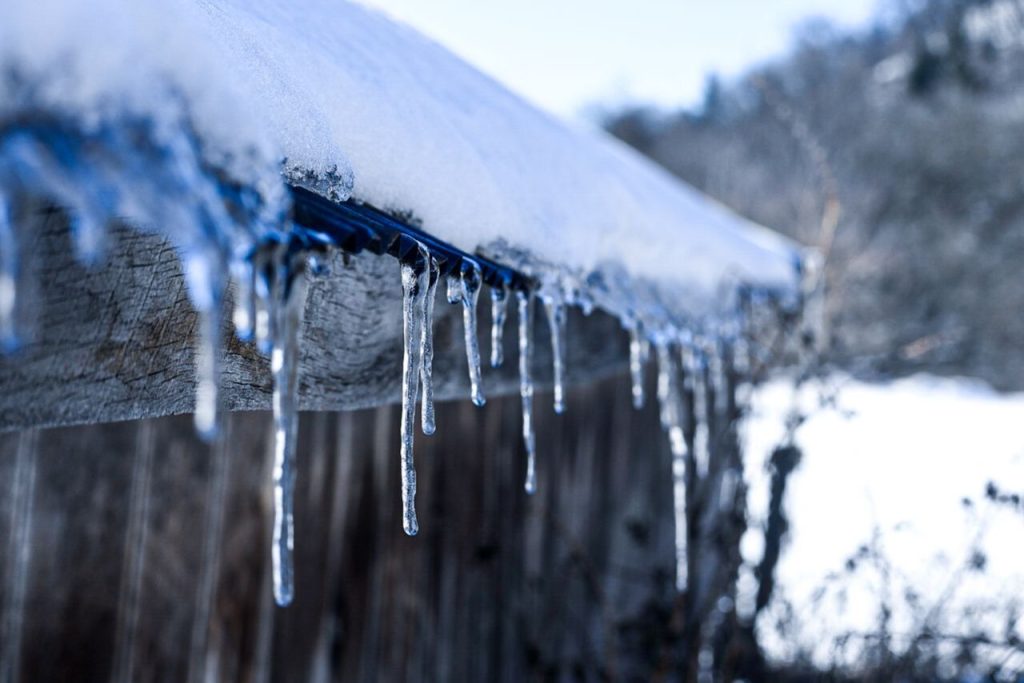
The name Embarrass may draw attention, but the Minnesota community has another claim to fame: its severe winter weather. Located in northeastern Minnesota near the Laurentian Divide, Embarrass sits in a region known for bitterly cold temperatures and long winters. The community’s official website even embraces the nickname “The Cold Spot.” Its location, inland setting, and surrounding landscape contribute to the area’s potential for extreme cold during winter weather patterns. Embarrass has been associated with some of Minnesota’s lowest recorded temperatures, helping cement its reputation among weather enthusiasts. The town’s name and its chilly climate are unrelated, however. The name originated with the difficult-to-navigate river, while its reputation for cold developed from the area’s actual weather conditions. Together, these two details make Embarrass one of Minnesota’s most memorable place names.
Nimrod Turns Its Unusual Name Into a Reason for Visitors to Stop
A town does not need a major tourist attraction to get noticed when its name is Nimrod. Located in north-central Minnesota, the small community has become a familiar curiosity for road-trippers who spot its signs and stop to take pictures. Residents are well aware of the attention their town’s name attracts, and local businesses and community events give visitors additional reasons to stay awhile. One of the community’s established traditions is Jubilee Days, held over Labor Day weekend, when activities and visitors bring extra energy to the area. Nimrod also has a historic fire lookout tower built in 1928, which adds another point of interest beyond its unusual name. The community’s appeal ultimately goes beyond the jokes. Residents have described a strong sense of neighborly support, showing how a memorable name can attract attention while the people and traditions give a town its character.
Minnesota’s Unusual Place Names Preserve Stories of Settlement and Local History
Minnesota’s unusual town names are more than amusing words on road signs. They often preserve details about the people who settled an area, the languages they spoke, the places they came from, and the experiences that shaped their communities. Embarrass reflects the French voyageurs’ struggle to navigate a difficult river, Fertile carries the name of an Iowa hometown, and Nimrod draws on a biblical hunting figure whose reputation later changed in popular slang. These stories illustrate the different ways communities acquire their identities. Some names describe local geography, others honor people or preserve memories of earlier homes, and still others come from religious or cultural references. The Minnesota Historical Society’s place-name publications document hundreds of such origins across the state. Exploring them offers a useful way to understand Minnesota’s settlement history while showing how a name can carry a meaning that is not immediately obvious to modern visitors.