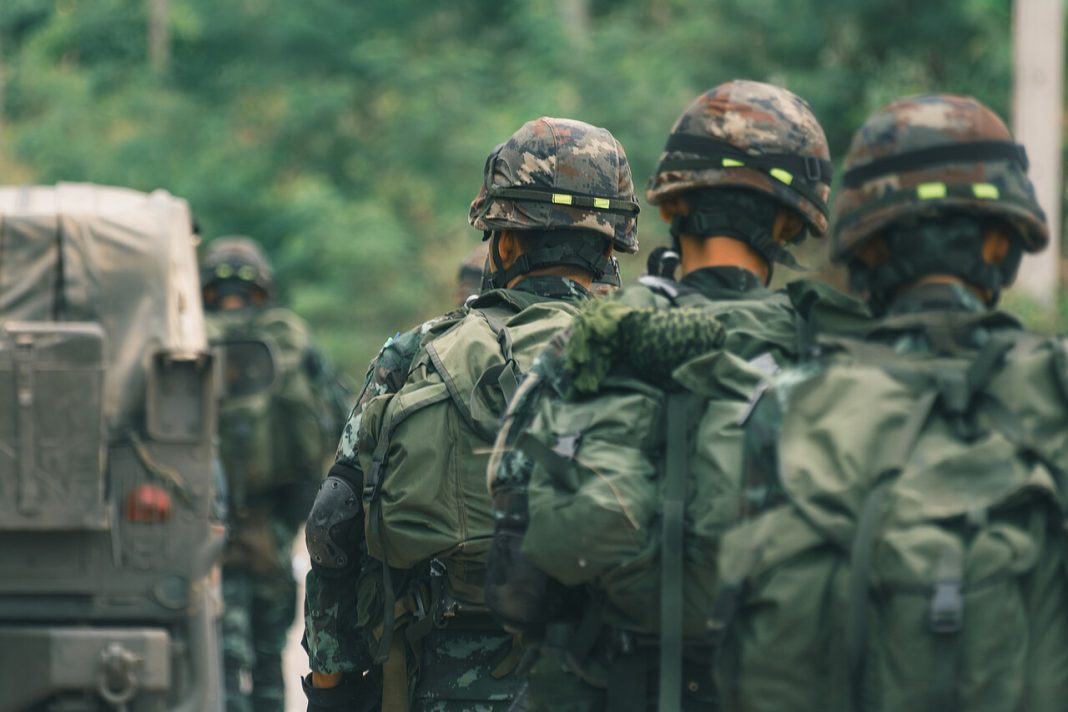

Federal authorities briefly prepared military units for a possible deployment to Minneapolis before abruptly reversing course, a move that drew national attention and raised fresh questions about the role of the armed forces in domestic unrest. Troops from multiple states had been placed on alert as protests intensified over immigration enforcement actions and controversial fatal encounters involving federal agents. The decision to stand them down signaled a shift in strategy, easing immediate concerns about a military presence in the city while underscoring the delicate balance between security, law enforcement, and civil liberties.
Federal Forces Put on Alert Over Minneapolis Protests
Tensions in Minneapolis this winter reached a point that prompted the Pentagon to take unusual steps. Federal military units from states including Alaska and North Carolina were placed on alert, ordered to prepare for possible deployment should conditions deteriorate. The readiness instructions weren’t a full mobilization, but they reflected concern among federal leaders about maintaining public order as protests swelled in response to controversial immigration enforcement actions and fatal shootings involving federal agents. Preparing troops to deploy is a significant signal, rarely used outside natural disasters or major civil unrest, and it underscored how seriously the federal government was taking the situation.
The alert affected units that were already scheduled for training or standard duties, requiring them to extend planning, logistics, and equipment preparation in case they were needed in Minneapolis. For soldiers and their families, the change introduced uncertainty; they were not on active deployment orders, yet they had to be ready to move at short notice. Military officials described the process as precautionary rather than indicative of an immediate mission. Still, the fact that such steps were taken brought fresh attention to unfolding developments in Minneapolis and fed into broader debates about the role of federal forces in managing domestic unrest.
What the Standdown Decision Means
Just days after the alert was issued, the Pentagon reversed course and stood down the troops. In practical terms, that means soldiers who had begun preparing for potential deployment were released from heightened readiness and could resume their normal schedules. Standdowns are a routine part of military operations, but in this context, the decision carried significant political and symbolic weight. It suggested that whatever assessments had led to the initial precaution may have changed, or that other tools for managing the situation were preferred.
Officials have said the standdown does not necessarily mean federal leadership is blind to ongoing tensions. Rather, it may reflect confidence in local law enforcement’s ability to manage conditions without direct military support. Lawmakers and military analysts also noted that once a force is placed on alert, there are legal and operational complexities around deployment that make standdowns a smoother route when imminent action is no longer anticipated. Whatever the reason, the move ended speculation that National Guard or active-duty units were about to be inserted into Minneapolis in an overt enforcement role.
The Context of Minneapolis Unrest

The backdrop for these military movements is a period of intense civic unrest in Minneapolis linked to aggressive federal immigration enforcement actions under Operation Metro Surge. Protests grew around the death of a local resident during an enforcement action, sparking demonstrations that drew participants from a wide range of political and community groups. What began as smaller marches evolved into larger gatherings demanding accountability, transparency, and changes to how federal agents operate in the city.
This civic energy was fueled by deep frustration over perceived overreach by federal authorities and a sense that local voices were being sidelined. The protests also intersected with broader national conversations about policing, immigration, and federal intervention in cities. Minneapolis officials emphasized their support for peaceful protest and repeatedly called for de-escalation and dialogue. Against this charged backdrop, federal authorities opted to prepare military units as a precaution, showing how local unrest can elevate to national security considerations, even if direct deployment ultimately did not occur.
Legal Framework and Military Limits
Deploying military forces within the United States is not straightforward. The legal authority to do so is tightly circumscribed by both statute and constitutional principle. The Insurrection Act, for example, allows the president to use federal troops to suppress civil disorder or insurrection under specific conditions, but such action is widely understood as a last resort after all other remedies have been exhausted. In practice, the U.S. has historically relied first on local police and state National Guard units under the control of governors. Federal deployment, particularly of active-duty troops, remains rare and controversial.
Officials explaining the standdown highlighted these legal realities. While troops may prepare for potential missions, actual orders to deploy require careful legal review and clear justification. In Minneapolis’ case, federal authorities appeared to conclude that existing law enforcement channels, including local police and state National Guard units when called upon, were sufficient. That decision respected both the rule of law and longstanding norms that limit the use of military power in domestic settings. It also avoided a fraught constitutional confrontation over the proper role of the armed forces in civilian life.
Local and National Reactions
Reactions to the troop alert and subsequent standdown varied widely, reflecting deep political and social divides. Local Minneapolis leaders expressed relief that active-duty forces would not be thrust into a city already simmering with tension. Many community members worried that the presence of federal troops, even in a limited capacity, could escalate unrest or intimidate residents rather than calm the situation. Their concerns echoed historical memories of militarized responses to protest movements in other cities.
At the national level, responses split along ideological lines. Supporters of a strong federal response argued that readiness steps were prudent, given the uncertainty and intensity of protests. They viewed the standdown not as a retreat but as an adjustment based on evolving conditions. Critics, however, suggested that the initial alert was an overreaction that risked signaling a willingness to use military force in a domestic political dispute. Their comments underscored broader unease about the militarization of public safety and the boundaries between civil liberties and national security.